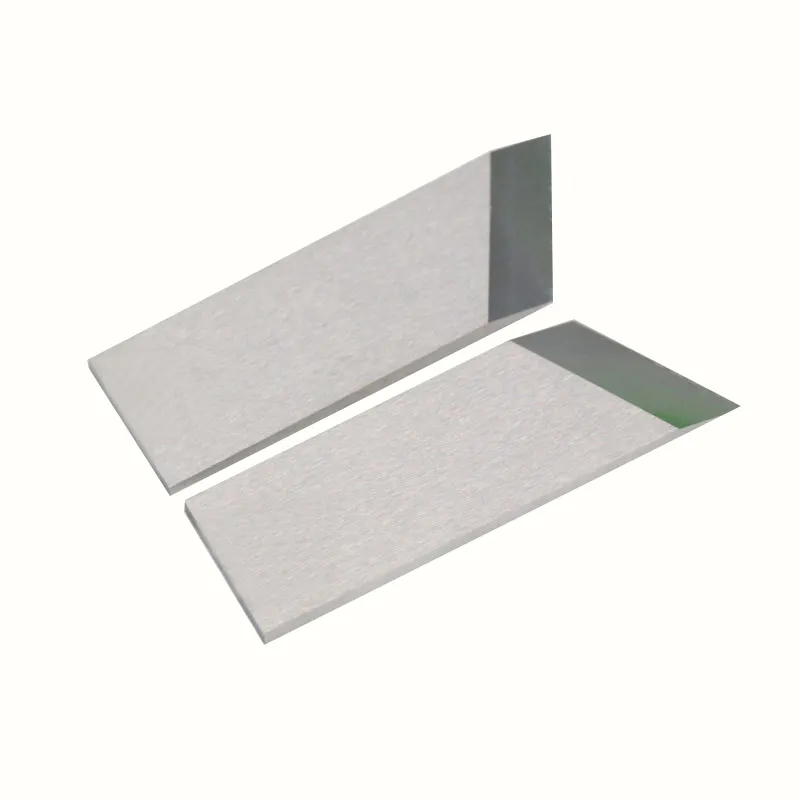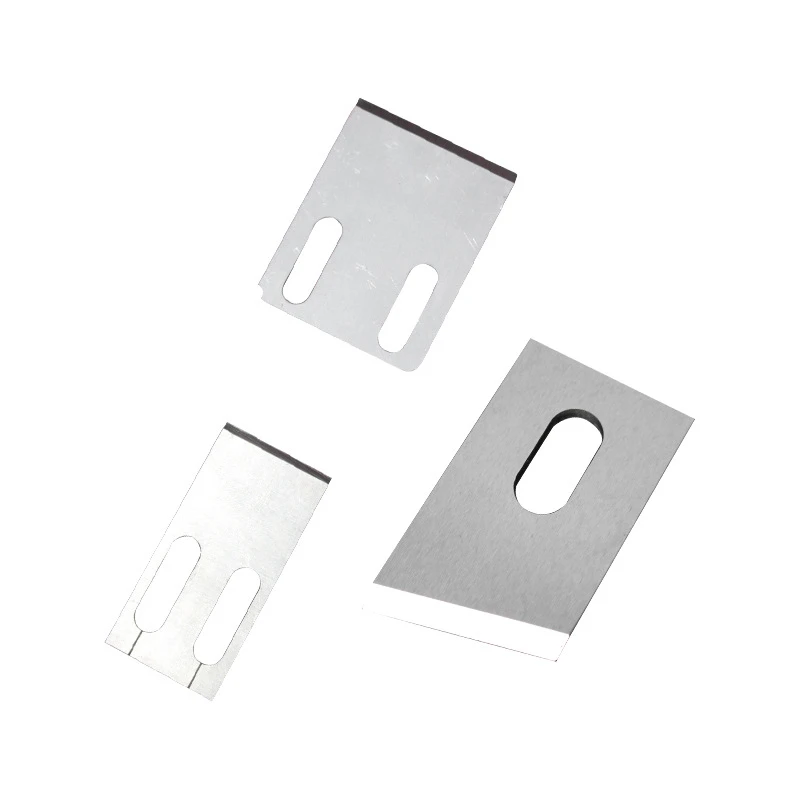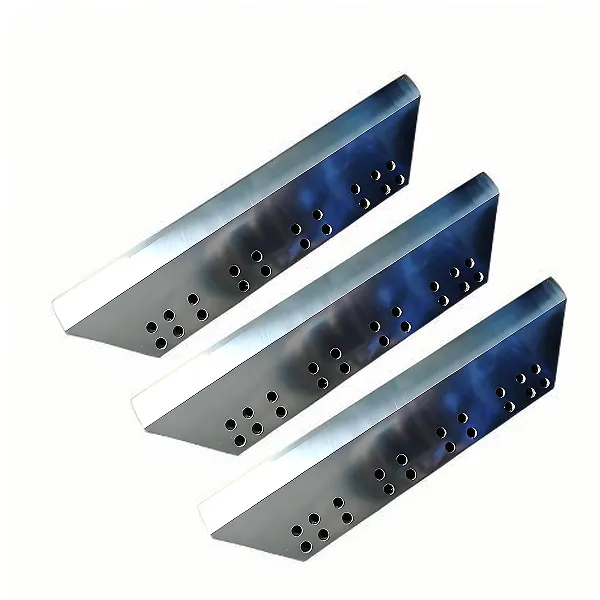
How to Sharpen Meat Grinder Blades: The Definitive Guide
If you’ve ever found yourself frustrated with a dull grinder that just couldn’t slice through meat like it once did, you’re not alone. Knowing how to sharpen meat grinder blades is a surprisingly essential skill both in professional kitchens and home setups worldwide. But beyond convenience, it’s about efficiency, food safety, and even sustainability—sharp blades reduce energy consumption, waste, and help maintain hygiene standards.
Why Does Sharpening Matter Globally?
Believe it or not, food processing tools like meat grinders are indispensable in many industries—from small butcher shops in Europe to large-scale meatpacking plants in North America, and even humanitarian efforts in remote regions of Africa and Asia. According to the Food and Agriculture Organization (FAO), maintaining equipment properly can increase food processing efficiency by up to 30%. Dull blades cause jams, slow down production, and risk contamination due to uneven cuts.
Sharpening blades properly means less downtime, less waste, and overall better output—critical for global food supply chains and local economies alike. And with modern meat grinder blades often made from advanced stainless steels or coated alloys, sharpening isn’t always obvious or straightforward. So this guide aims to clear that up.
Defining “How to Sharpen Meat Grinder Blades”
Simply put, it’s the process of restoring the cutting edges of the grinding blades to their original sharpness. This can be done manually or with machines, often involving grinding wheels, sharpening stones, or specialized tools. The goal is precise: get the blade edges honed to a keen finish without removing too much material or upsetting the blade geometry. Why care? Blades dull naturally with repeated contact against bone and sinew.
Sharpening ties directly into modern food safety and sustainability initiatives: efficient blades lessen cross-contamination risk and energy waste. This task, while humble, is a small but crucial cog in the massive machinery that puts food on our tables.
Key Factors When Sharpening Meat Grinder Blades
1. Material Composition
Most blades use stainless steel for corrosion resistance, but some, like high-carbon or tool steel blades, sharpen differently. Knowing the steel type helps choose the right sharpening method and grit. For example, softer steels require less aggressive grinding, whereas harder alloys may need diamond-coated wheels.
2. Blade Geometry & Angles
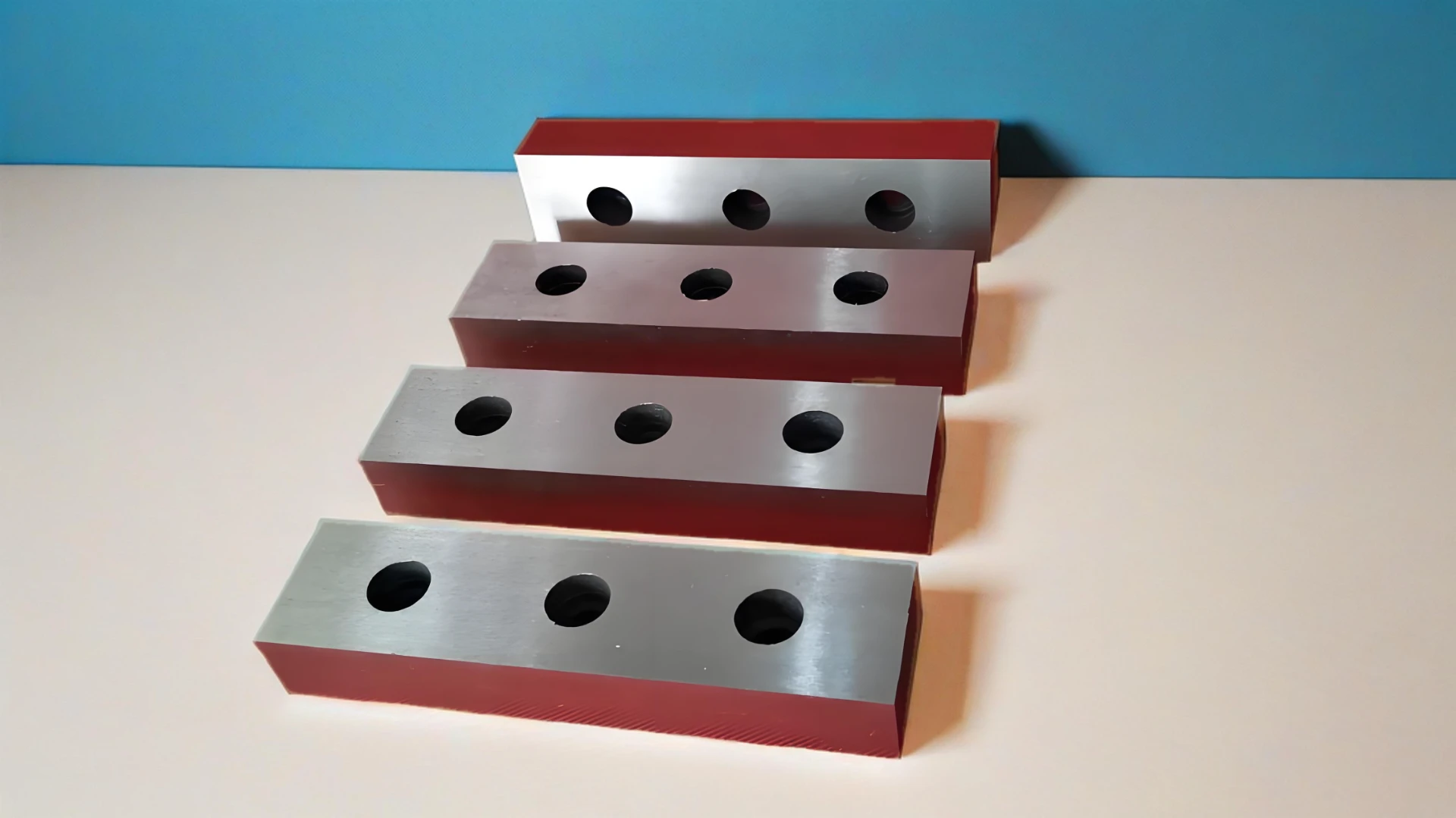
The performance depends on maintaining the original bevel angle—usually between 15° and 30°. Incorrect angles can ruin cutting efficiency or increase wear. Having a precise guide or jig during sharpening is a boon.
3. Tools & Techniques
- Manual sharpening: Using whetstones or diamond files allows fine control.
- Electric grinders: Quicker but require a steady hand to avoid overheating.
- Professional services: Often the best choice for industrial grinders needing frequent refurbishment.
4. Safety Precautions
Handling sharp blades during sharpening demands adequate protective gloves and eye protection. Overheating blades during electric grinding can cause loss of hardness, leading to quicker dulling.
5. Maintenance Frequency
Regular inspection and sharpening routines extend blade life. Oddly enough, waiting until the blade is totally dull actually causes more damage to the grinder motor due to increased workload.
Mini Takeaway
Understanding your blade’s material, shape, and sharpening tool makes all the difference. Sharpening is as much art as it is science — and it pays to approach it carefully.
Global Applications & Real-World Use Cases
From family-owned butchers in Italy to massive meat processing plants in the US, maintaining sharp grinder blades is critical for productivity and food quality. In developing countries, NGOs distributing meat processing units for nutrition programs ensure sharpening knowledge is part of the package—boosting local food security.
In post-disaster relief scenarios, where refrigeration is limited, efficient processing of protein can reduce spoilage, and well-maintained equipment matters. Similarly, in industrial zones where heavy usage wears blades quickly, established sharpening protocols cut costs and downtime.
Advantages & Long-Term Benefits
- Cost efficiency: Sharpening blades is far cheaper than replacement and keeps grinders running longer.
- Sustainability: Extending tool life reduces waste and environmental footprint.
- Food quality and safety: Sharper blades make cleaner cuts that resist bacterial contamination better.
- Social impact: Small operators save money, improving livelihoods globally.
Future Trends & Innovations in Blade Sharpening
Frankly, the future looks promising. Emerging technologies include automated sharpening stations with laser-guided angle control for uniformity. Materials science is pushing coatings that retain sharpness longer, reducing the frequency of sharpening. The digital transformation also means IoT-connected equipment that warns operators when blades need servicing.
There’s also growing interest in environmentally friendly sharpening methods using water-based coolants and energy-efficient electric wheels. The way sharpening integrates with maintenance software is evolving rapidly.
Challenges & Solutions
Sharpening isn’t without challenges. Over-grinding, overheating, and inconsistent angles remain common issues—especially for novices. Many engineers recommend investing in jigs and using lower speeds on power tools to combat these problems.
Training is key. Manufacturers often provide guidelines, yet real-world conditions differ. To bridge this gap, some companies now offer online tutorials and even sharpening certification courses.
Product Specification Table: Typical Meat Grinder Blade Specs
| Specification | Typical Value |
|---|---|
| Material | Stainless Steel 420 / Carbon Steel |
| Blade Thickness | 2.5 - 4 mm |
| Bevel Angle | 15° to 30° |
| Blade Diameter | 60 - 120 mm |
| Surface Finish | Polished / Coated |
Vendor Comparison: Sharpening Tools for Meat Grinder Blades
| Vendor | Tool Type | Price Range (USD) | Best For | Notes |
|---|---|---|---|---|
| SharpEdge Pro | Electric Grinder | $150-$200 | Professional Kitchens | Digital angle guide included |
| FineCut Diamond | Manual Diamond Stone | $40-$60 | Home Use / Small Shops | Long-lasting abrasive |
| BladeSharp Services | Professional Sharpening | $25-$50 per blade | Industrial Clients | Pick-up & delivery available |
Frequently Asked Questions About How to Sharpen Meat Grinder Blades
- Q1: How often should I sharpen my meat grinder blades?
- It depends on usage, but for commercial kitchens, every 1-2 months is typical. For home use, 3-6 months or when you notice cutting issues. Regular inspection goes a long way.
- Q2: Can I sharpen blades myself without professional tools?
- Yes, manual tools like diamond stones or whetstones work well, especially for small blades. Just take your time and maintain the correct angle. For industrial blades, professional services are usually better.
- Q3: What’s the risk of overheating the blade during sharpening?
- Overheating can reduce steel hardness and durability. To avoid this, use slow speeds, cool frequently with water or oil, and apply light pressure.
- Q4: Is sharpening better than replacing blades?
- Generally yes, sharpening extends the blade life and is more cost-effective. However, if a blade is chipped or severely damaged, replacement is safer and more efficient.
- Q5: How to maintain blade sharpness longer?
- Clean blades immediately after use, avoid grinding bones if possible, and store blades dry to prevent corrosion. Proper use always helps.
Conclusion & Call to Action
In sum, learning exactly how to sharpen meat grinder blades not only improves your equipment’s performance but also supports global food safety and sustainability efforts. From small kitchens to industrial processors, sharp blades save money, reduce waste, and boost productivity.
If you want to dive deeper into tool care or browse expert sharpening products, visit our website: https://www.mechblades.com. Keeping your blades sharp is honestly one of those simple investments that pay off for years.
A sharp blade is a happy blade—keep it that way, and it will return the favor many times over.