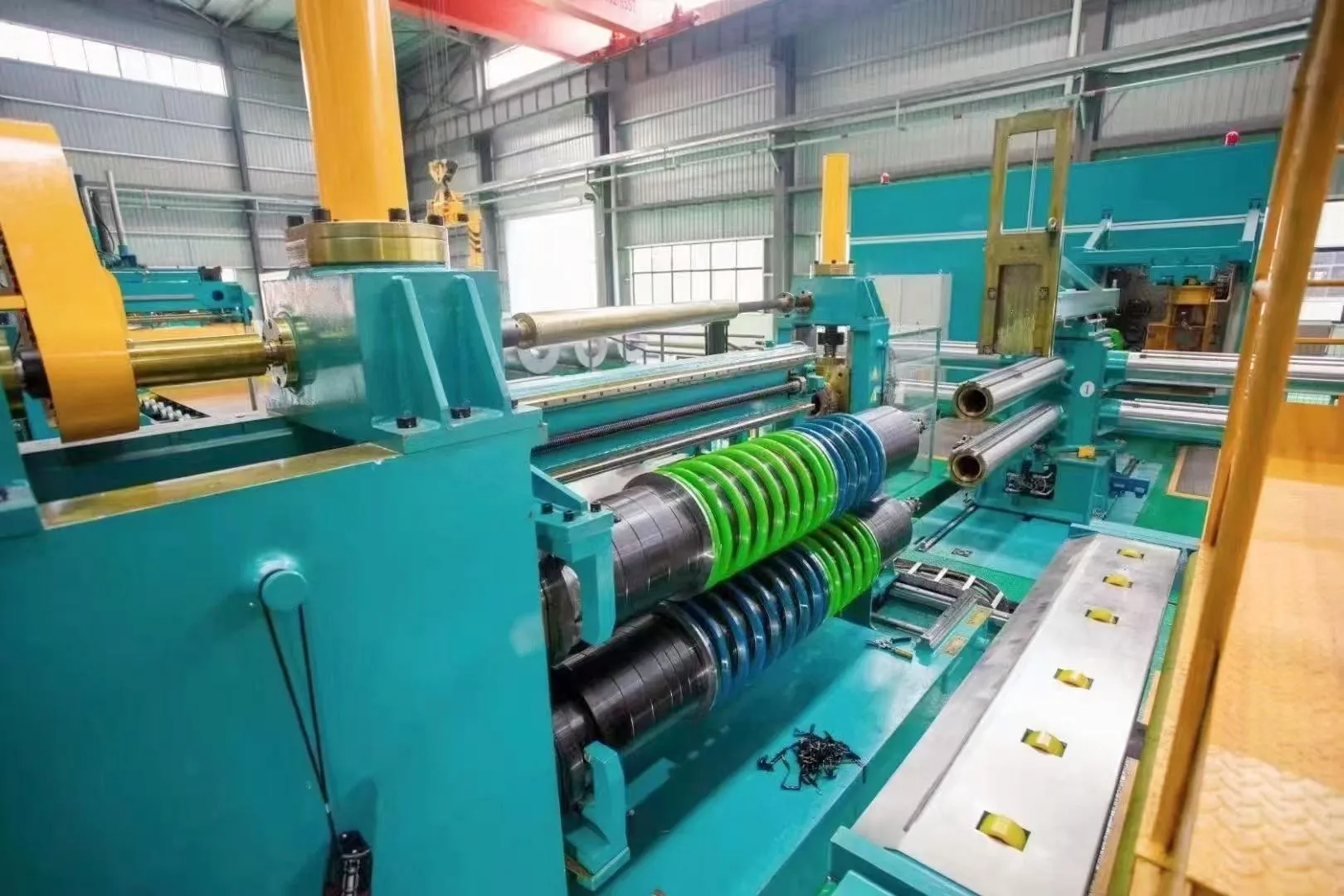
Understanding Kattex Tomato Slicer Blades: Slicing Through Industry and Innovation
At first glance, kattex tomato slicer blades might feel like just another niche tool. But once you dive a little deeper, it’s clear these blades play a surprisingly vital role in global food processing and safety. You see, the way we slice tomatoes doesn't just impact taste or appearance. It influences efficiency, shelf-life, and even food waste on a larger scale. For those in the food manufacturing or packaging industries—or even humanitarian aid, where fresh produce transport matters—knowing the ins and outs of kattex tomato slicer blades can mean the difference between profit and loss, freshness and spoilage.
Global Context: Why Kattex Tomato Slicer Blades Matter Worldwide
While tomatoes might be a humble fruit, the global tomato processing industry is anything but small. According to the Food and Agriculture Organization (FAO), over 180 million metric tons of tomatoes were produced worldwide in 2022, with processed tomato products making up a substantial portion. The journey from field to table often involves high-speed slicing machines powered by blades like the kattex tomato slicer blades.
Why is that important? Well, these blades don’t just slice—they reduce contamination risk, maintain product consistency, and enable high throughput in factories spanning continents. From Italy’s large-scale pasta sauce plants to California’s fresh-cut tomato packaging lines, an optimized blade matters. Plus, with global consumer demand shifting toward convenience foods, the pressure to keep slicing clean, fast, and safe is higher than ever.
Still, challenges remain—blade wear, sanitation, and energy efficiency being primary among them. And as the world pursues sustainability, even small gains in equipment efficiency ripple outwards.
Mini takeaway: Kattex tomato slicer blades are global players behind a simple slice, improving food safety and production economy.
What Exactly Are Kattex Tomato Slicer Blades?
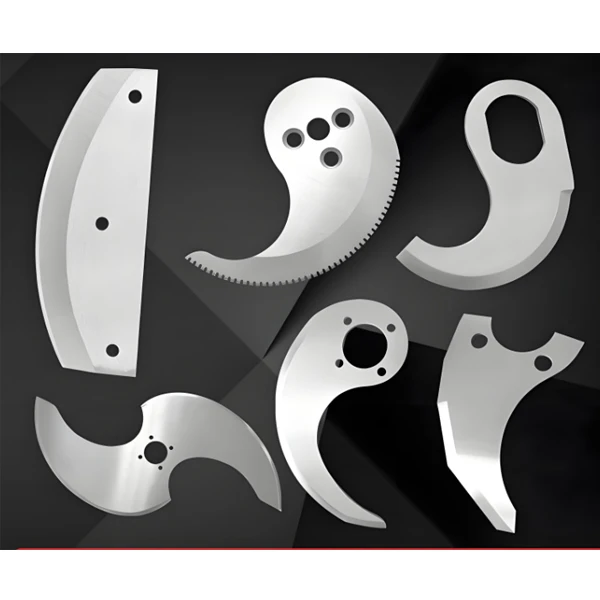
Essentially, kattex tomato slicer blades are precision-engineered blades designed to slice tomatoes with minimal damage. Unlike generic blades, kattex blades utilize advanced metallurgy and a specific edge geometry optimized for the soft, delicate texture of tomatoes. Their unique design helps avoid bruising and uneven cuts that can reduce shelf life and consumer appeal.
More than just a sharp edge, these blades connect to modern automated slicing machines, seamlessly integrating into assembly lines. Their ability to maintain hygiene (think stainless steel or food-grade coatings) ties them to broader industry needs—especially in sectors requiring constant, safe processing of fresh produce. In a way, they’re an unsung hero of modern food production.
Core Components and Features of Kattex Tomato Slicer Blades
Precision Edge Geometry
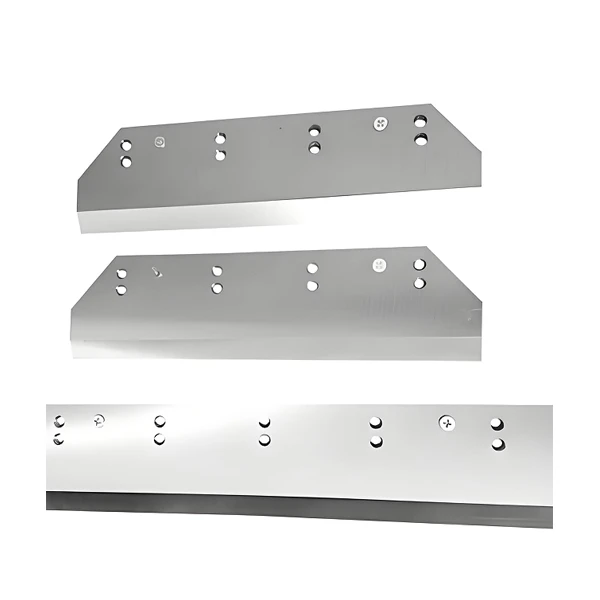
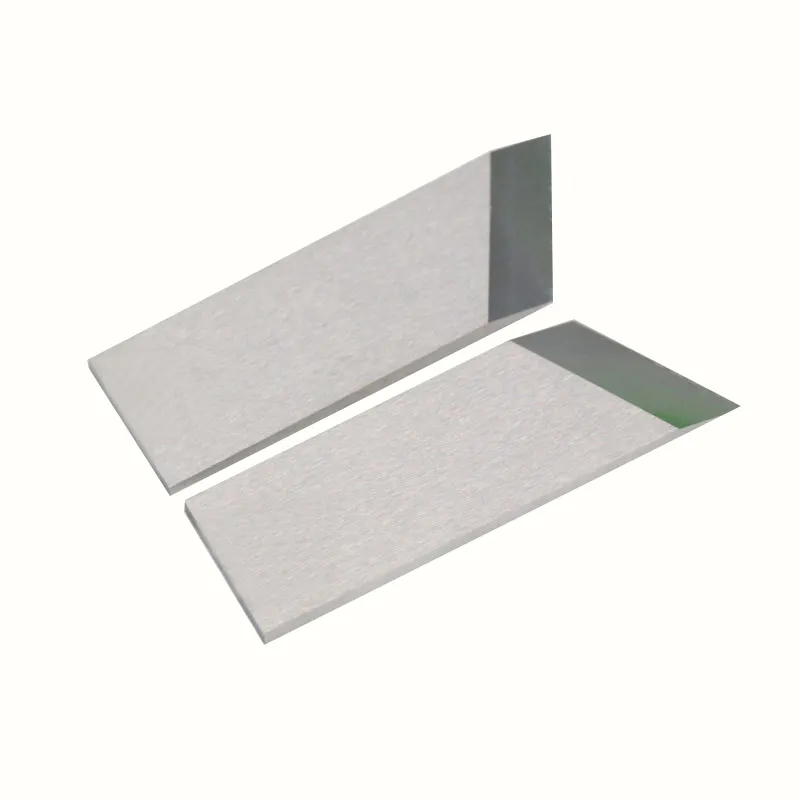
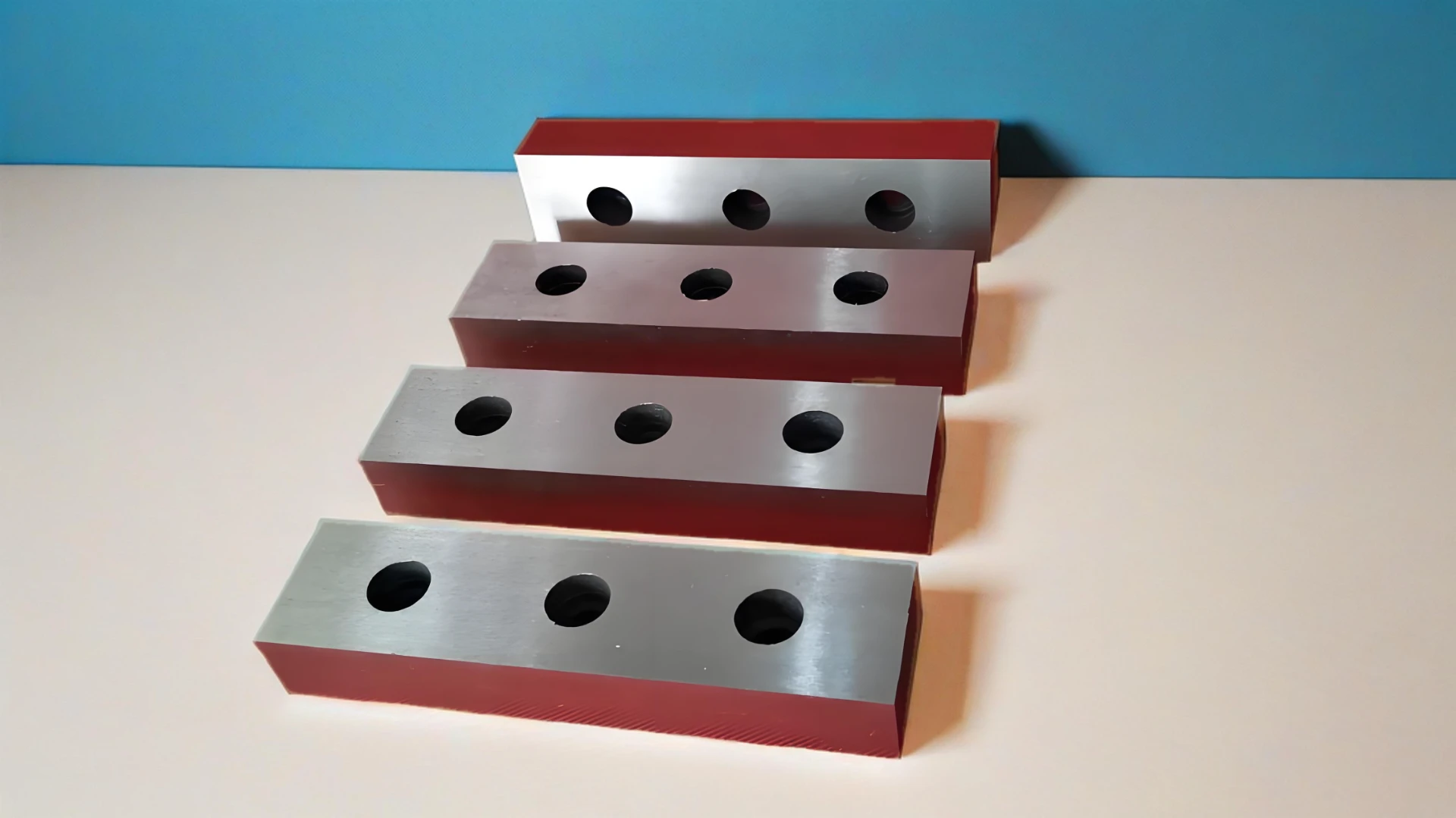
The kattex blades often feature a razor-thin, beveled edge designed to cut cleanly through juicy tomato flesh without crushing. This edge geometry is crucial because tomatoes are delicate, and rough cutting increases microbial exposure and juice loss.
Material Durability
Manufactured using hardened stainless steel alloys, these blades resist corrosion from tomato acidity and withstand repeated sharpening cycles. This longevity means production lines don’t have to stop often—saving both downtime and maintenance costs.
Sanitary Design
Designed to comply with food safety standards (including FDA and ISO 22000), kattex blades have smooth surfaces and anti-corrosive coatings that resist bacterial buildup, an absolute must in continuous food processing.
Compatibility & Scalability
These blades fit a variety of slicing machines globally, from manual to fully automated, allowing easy upgrades and expansions. In industries where speed and volume matter, adaptability is golden.
Energy Efficiency
Oddly enough, a sharp, efficient blade reduces motor strain on slicing machines. Less drag means lower energy use—a small but meaningful nod to sustainability.
| Specification | Details |
|---|---|
| Material | Hardened Stainless Steel (food-grade 420/440 series) |
| Diameter | 200 mm (standard), customizable |
| Edge Type | Beveled razor-sharp edge |
| Surface Finish | Polished with anti-corrosion coating |
| Expected Lifespan | Up to 8 months in high-output conditions |
| Compliance | FDA, ISO 22000, HACCP |
Global Uses and Industries Benefiting From Kattex Tomato Slicer Blades
Globally, industries from fresh-cut produce plants to humanitarian food relief programs have found kattex tomato slicer blades invaluable.
- Food Processing Plants (Europe & Americas): High-speed slicing for sauces, fresh-cut salads, and canned goods.
- Retail Prep & Packaging (Asia-Pacific): Fresh produce packaged for supermarkets demands clean cuts to reduce spoilage.
- Post-Disaster Food Distribution: NGOs and UN agencies involved in relief operations use portable slicing stations fitted with kattex blades for efficient preparation of fresh meals.
- Urban Farming and Agritech Innovators: Innovative vertical farms integrate kattex blades to process harvests with minimal waste.
For instance, in southern Italy, a company producing premium canned tomatoes credits its kattex blades for reducing product waste by 15% over a single season—translating into hundreds of thousands saved.
Mini takeaway: These blades don’t just slice tomatoes; they slice through challenges across industries worldwide.
Advantages and Long-Term Value of Choosing Kattex Blades
When you invest in kattex tomato slicer blades, you’re betting on more than just sharpness:
- Cost efficiency: Reduced machine downtime and less frequent blade replacement save money in the long haul.
- Sustainability: Energy savings and minimized food waste align with green initiatives.
- Reliability & Safety: Consistent slicing quality improves product consistency and mitigates contamination risk.
- Social impact: With more efficient slicing, food producers can better meet growing demand without ramping up resource use.
It also feels reassuring knowing that the blade comes with certifications and backing from forward-thinking R&D teams who constantly refine the design.
Looking Ahead: Innovations Shaping Kattex Tomato Slicer Blades
The cutting-edge might actually keep getting sharper. Emerging advances include:
- Smart blades: Built-in sensors monitor sharpness and wear in real time, allowing predictive maintenance.
- Eco-materials: Experimental coatings sourced from bio-based materials to improve sustainability.
- Automation Integration: Improved fit for AI-driven slicing machines that adapt cut styles on the fly.
These trends suggest kattex blades won't just keep slicing—they’ll keep evolving to meet tomorrow’s challenges.
Challenges and How Industry Leaders Overcome Them
No tool is perfect. Pitfalls include faster-than-expected edge wear under heavy crushing loads, occasional compatibility issues with older machines, and the initial cost premium.
Experts recommend:
- Regular blade sharpening and maintenance protocols.
- Periodic equipment audits to ensure blade-machine fit.
- Partnering with suppliers offering custom solutions rather than “off-the-shelf” fixes.
Plus, onboarding new operators on correct use dramatically extends blade life.
FAQ: Frequently Asked Questions About Kattex Tomato Slicer Blades
Q: How often should kattex tomato slicer blades be replaced?
A: Typically, under high-output industrial use, these blades last around 6–8 months before performance drops noticeably. However, maintenance routines and slicing volume can extend or shorten this lifespan.
Q: Are kattex blades compatible with all tomato slicing machines?
A: They’re broadly compatible with most modern slicing systems. That said, certain older or specialized machines may require custom fitting or blade modification for optimal performance.
Q: What’s the benefit of kattex blades over generic slicer blades?
A: Precision edge design and specialized metallurgy mean kattex blades offer cleaner cuts, less product waste, longer durability, and compliance with strict food safety regulations.
Q: Can these blades be used for slicing other fruits or vegetables?
A: While optimized for tomatoes, kattex blades can handle similar soft fruits like peaches or kiwis, but may not perform well with harder produce without risking damage.
Q: How do kattex blades help reduce food waste?
A: The sharpness and precision minimize crushing and bruising, which slows spoilage and maintains product quality through distribution.
| Vendor | Blade Quality | Lead Time | Price Range | Customization Options |
|---|---|---|---|---|
| Kattex Corp | High (FDA & ISO cert.) | 2–3 weeks | $$$ | Full custom sizes & coatings |
| SliceMaster Ltd. | Medium (standard stainless) | 1–2 weeks | $$ | Limited sizes |
| Global Blades | Medium-High (food grade) | 3–4 weeks | $$$ | Moderate customization |
Final Thoughts and Next Steps
All in all, kattex tomato slicer blades represent more than just a kitchen gadget or factory tool. They’re a convergence point where metallurgy, food safety, automation, and sustainability meet. For manufacturers aiming to improve yield and reduce waste, or humanitarian groups working with fresh food logistics, these blades are quietly pivotal.
Interested in upgrading your slicing line or learning more about precise, durable tomato slicer blades? Check out kattex tomato slicer blades for product details and expert advice. It could be the next best cut you make.