Understanding the Role of Meat Grinder Blade 12 in Modern Industry
If you’ve ever wondered what exactly a meat grinder blade 12 is and why it’s seemingly everywhere — from butcher shops to industrial food processing plants — you’re not alone. Though it sounds niche, this piece of equipment plays a surprisingly broad role in global food supply chains and even humanitarian efforts. Simply put, mastering the ins and outs of meat grinder blades, especially size 12, can unlock benefits that ripple from cost-efficiency to food safety and sustainability. So, what makes this particular blade design such a staple worldwide? Let’s dive in.
The Global Importance of Meat Grinder Blade 12
The need for reliable meat processing tools is growing as urban populations expand and demand for processed meat products rises. According to the Food and Agriculture Organization (FAO), global meat consumption has nearly doubled in the past 40 years. This increase calls for efficient tools that maintain quality and safety — that's where the meat grinder blade 12 comes in. It’s a standardized blade size, featured in countless grinders worldwide, contributing to uniform results in meat texture and preparation.
However, the real challenge lies beyond just cutting meat. Consistency, sanitation, and adaptability for different meat types are crucial considerations. Without high-quality blades, food processors risk contamination, waste, and downtime — issues amplified in supply chains catering to millions daily.
What Exactly Is a Meat Grinder Blade 12?
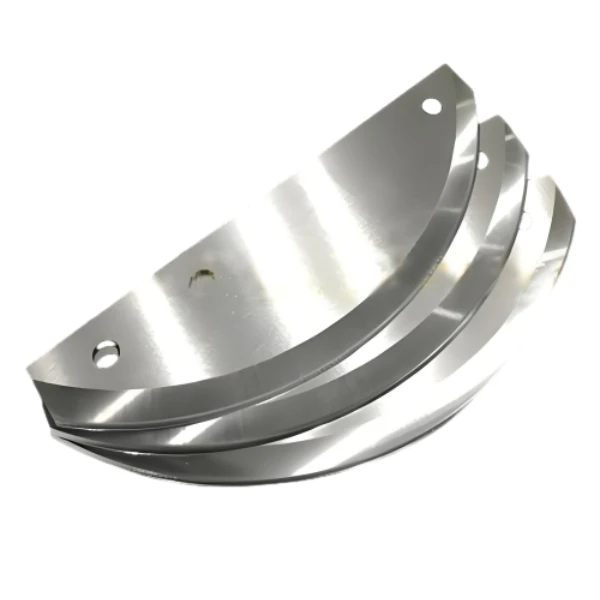
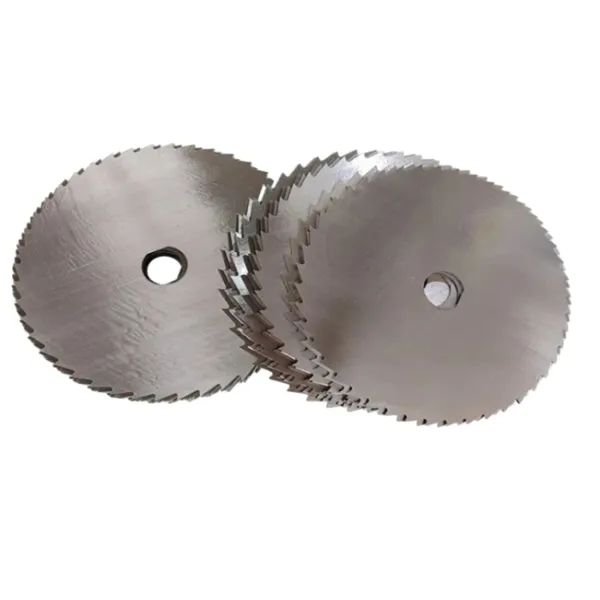
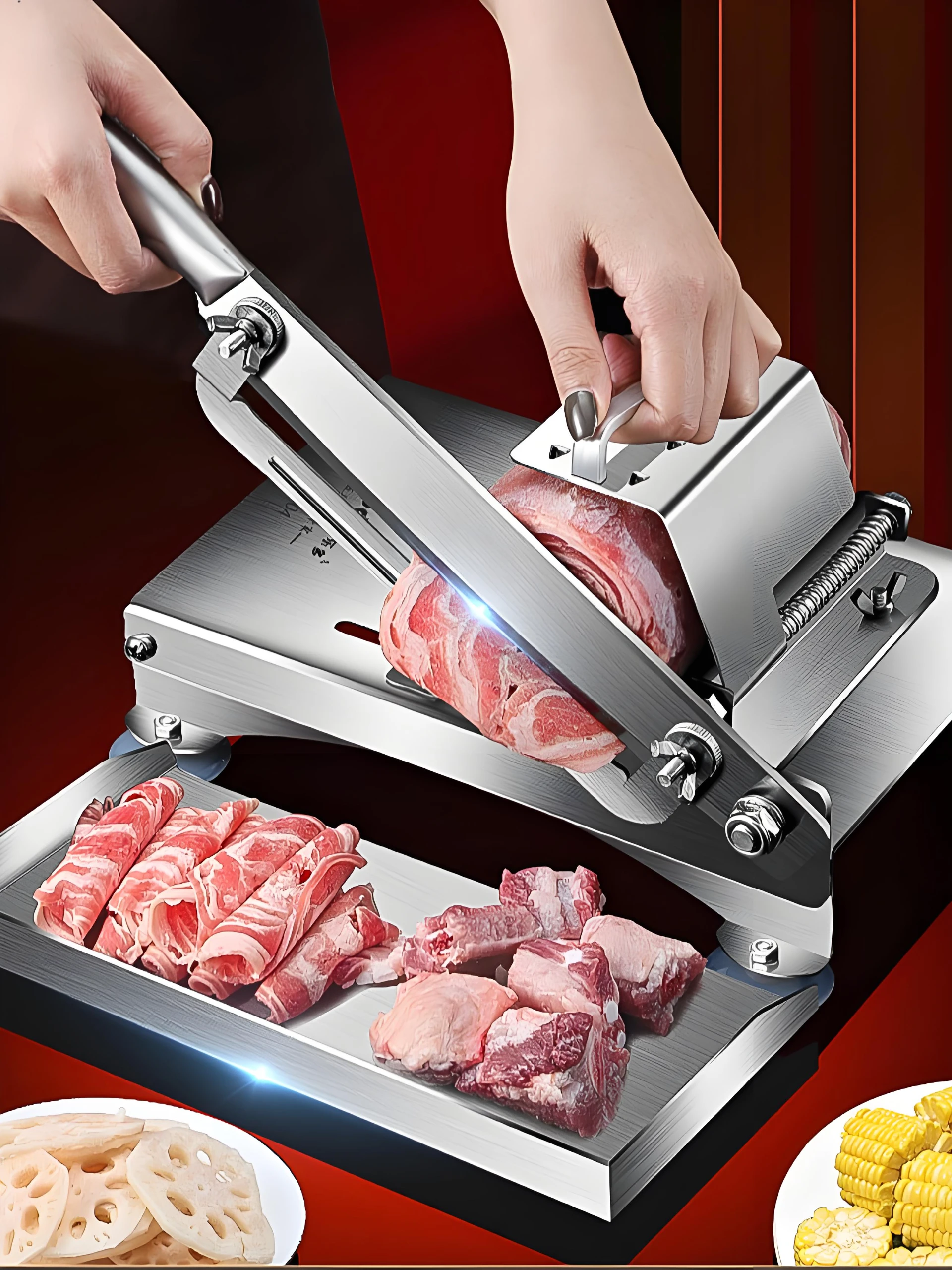
At its core, a meat grinder blade 12 is a metal cutting component designed to fit standard size 12 grinder machines. These blades typically measure about 3.5 inches in diameter and are engineered to slice through meat swiftly and evenly as it passes through a grinder plate.
Why size 12? Industrial and commercial meat grinders use standardized sizes corresponding to plate diameters and blade dimensions to ensure compatibility. The number “12” simply designates this particular scale, favored for medium to large scale operations, striking a balance between throughput and precision.
This blade isn’t just a sharp piece of metal; it’s a key part of food safety protocols. Blades made from stainless steel varieties reduce corrosion, maintain sharpness, and meet hygiene standards critical in slaughterhouses and processing plants worldwide.
Key Factors That Make Meat Grinder Blade 12 Essential
Durability and Material Quality
Most modern meat grinder blade 12 units are crafted from hardened stainless steel alloys, like 420 or 440C grade. This choice isn’t accidental — these materials resist rust, withstand heavy use, and hold edge sharpness longer. It means fewer replacements and smoother operations.
Blade Design and Cutting Angles
Blade geometry profoundly influences performance. A well-engineered blade hits a knife-sharp edge with optimized angles to reduce resistance. This lowers motor load on grinders and results in cleaner cuts with less tearing — translating to better meat texture and less waste.
Ease of Maintenance
Grinding blades must often be cleaned daily under stringent hygiene protocols. A design that allows quick disassembly, easy sharpening, and thorough washing minimizes downtime in busy plants.
Compatibility and Versatility
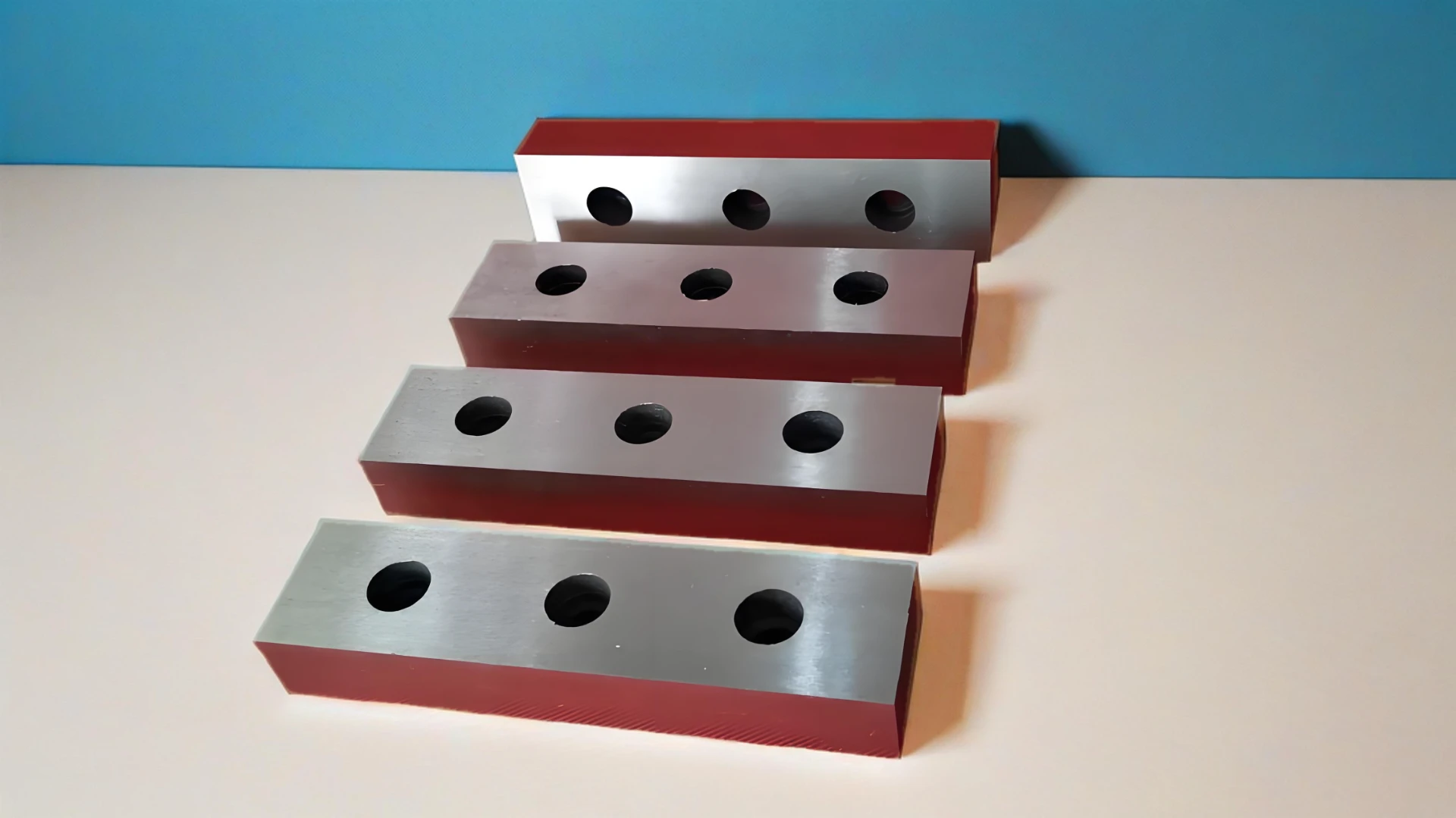
While “size 12” defines the blade's diameter, it still needs to fit various machines from different manufacturers. Blades designed with universal mounting holes and adaptable thicknesses make them versatile, a big plus for plants that operate multiple grinder brands.
Cost Efficiency
High-performance blades might seem costly upfront, but their durability and efficiency save money by reducing power usage, cuts downtime, and limiting meat wastage. Everyone from small butcher shops to multinational processors care about the bottom line.
Mini takeaway:
Choosing the right meat grinder blade 12 isn’t just about size but balancing material, design, and operational needs — a recipe for efficiency and safety.
Real-World Applications and Who Benefits
From local butcheries supplying fresh sausages to large-scale frozen meat packers, this blade sees use everywhere. For example:
- Meat processing plants: Consistency in grind size improves product quality in everything from burger patties to cured meats.
- Humanitarian and relief organizations: In natural disaster zones, portable meat grinders fitted with standard blades help provide protein-rich food quickly and safely.
- Small food startups: Regional producers benefit from affordable, high-quality blades as they scale production without heavy capital investment.
- Restaurants and catering firms: For personalized dishes, chefs rely on these blades’ precision and ease of replacement.
Oddly enough, even hunting lodges in remote areas use size 12 blades to process game meat efficiently. It’s that adaptable.
Advantages and Long-Term Benefits
One of the largest wins with the meat grinder blade 12 is improved food safety standards. The stainless construction lowers bacterial risks, while sharper blades reduce heat generation which preserves meat freshness.
On the economic side, streamlined grinding means less energy consumption—energy savings add up across the global meat production industry. There’s also less waste: finer cuts produce less trimming loss, increasing usable product volume.
Socially, reliable blades enhance worker safety by reducing the need for makeshift sharpening or awkward adjustments, lowering workplace injuries.
In the long run? Trust in these blades fosters innovation — manufacturers experiment with coatings or smart metal alloys (yes, that’s coming) to push durability beyond today's limits.
Innovations on the Horizon
Green manufacturing processes that reduce cobalt and nickel use in steel blends are shaping next-gen blades. Meanwhile, automation plays a bigger role in quality control — some advanced grinders now detect blade wear and alert operators before failure.
Digital twins and IoT sensors embedded in equipment can track blade sharpness and performance in real-time — a glimpse of how meat processing could go fully smart.
| Specification | Details |
|---|---|
| Material | Stainless Steel 420 / 440C |
| Diameter | Approximately 3.5 inches (90 mm) |
| Edge Type | Hardened, knife-sharp |
| Compatibility | Fits standard size 12 grinders by major brands |
| Maintenance | Sharpenable and dishwasher safe |
| Typical Lifespan | 6-12 months under heavy industrial use |
Comparing Top Vendors for Meat Grinder Blade 12
| Vendor | Material Grade | Price Range | Warranty | Notable Feature |
|---|---|---|---|---|
| MechBlades Inc. | 440C Stainless Steel | $25 - $40 | 12 months | Precision balanced for quiet operation |
| FoodGear Solutions | 420 Stainless Steel | $20 - $35 | 6 months | Coated for corrosion resistance |
| BladeMaster Corp. | Alloy Steel | $15 - $30 | 3 months | Budget-friendly option |
Common Questions About Meat Grinder Blade 12
Q: How do I choose the right meat grinder blade 12 for my machine?
A: First, check your grinder’s specs to confirm it accepts size 12 blades. Then consider the blade material and edge sharpness based on how often you plan to grind. Stainless steel options with higher grades, like 440C, offer longer life but cost more upfront. Compatibility with your grinder’s mounting is crucial — always verify hole size and thickness.
Q: How frequently should I sharpen or replace my meat grinder blade 12?
A: For industrial use, sharpening every few weeks might be necessary. In home or small-scale setups, once every 2-3 months can suffice. However, once you notice increased motor strain or unsatisfactory grinding textures, it’s time to sharpen or swap out blades — dull blades waste power and risk meat quality.
Q: Are meat grinder blades made from size 12 interchangeable among different brands?
A: Generally, yes. The “size 12” standard ensures basic compatibility, but small variations in mounting holes or blade thickness can occur. It pays to buy blades listed as “universal” or specifically recommended for your grinder brand.
Q: Can I use a meat grinder blade 12 for other applications?
A: While primarily designed for meat, some industries grind fish or vegetables using the same blades — provided they match the size and material requirements. Just ensure the blade cleaning protocols suit your application to avoid cross-contamination.
Q: Where can I buy quality meat grinder blade 12 replacements?
A: Trusted vendors like MechBlades Inc. specialize in size 12 blades, offering certified materials and warranties. Online marketplaces also carry options but vet sellers carefully for authenticity and hygiene compliance.
Final Thoughts: Long-Term Value of Quality Meat Grinder Blade 12
All in all, the humble meat grinder blade 12 quietly powers a critical part of our global food ecosystem — optimizing meat processing while ensuring safety and efficiency. Whether you’re a butcher, processor, or relief organization, investing in the right blade means smoother operations, better product quality, and a little less worry overall. If you want to explore top options or learn more technical specs, you might want to visit our website: meat grinder blade 12.
I guess the next time you enjoy a perfectly ground burger or a sausage, you’ll know a little more about the tech behind it. Who knew something as “simple” as a blade could have such a layered story?