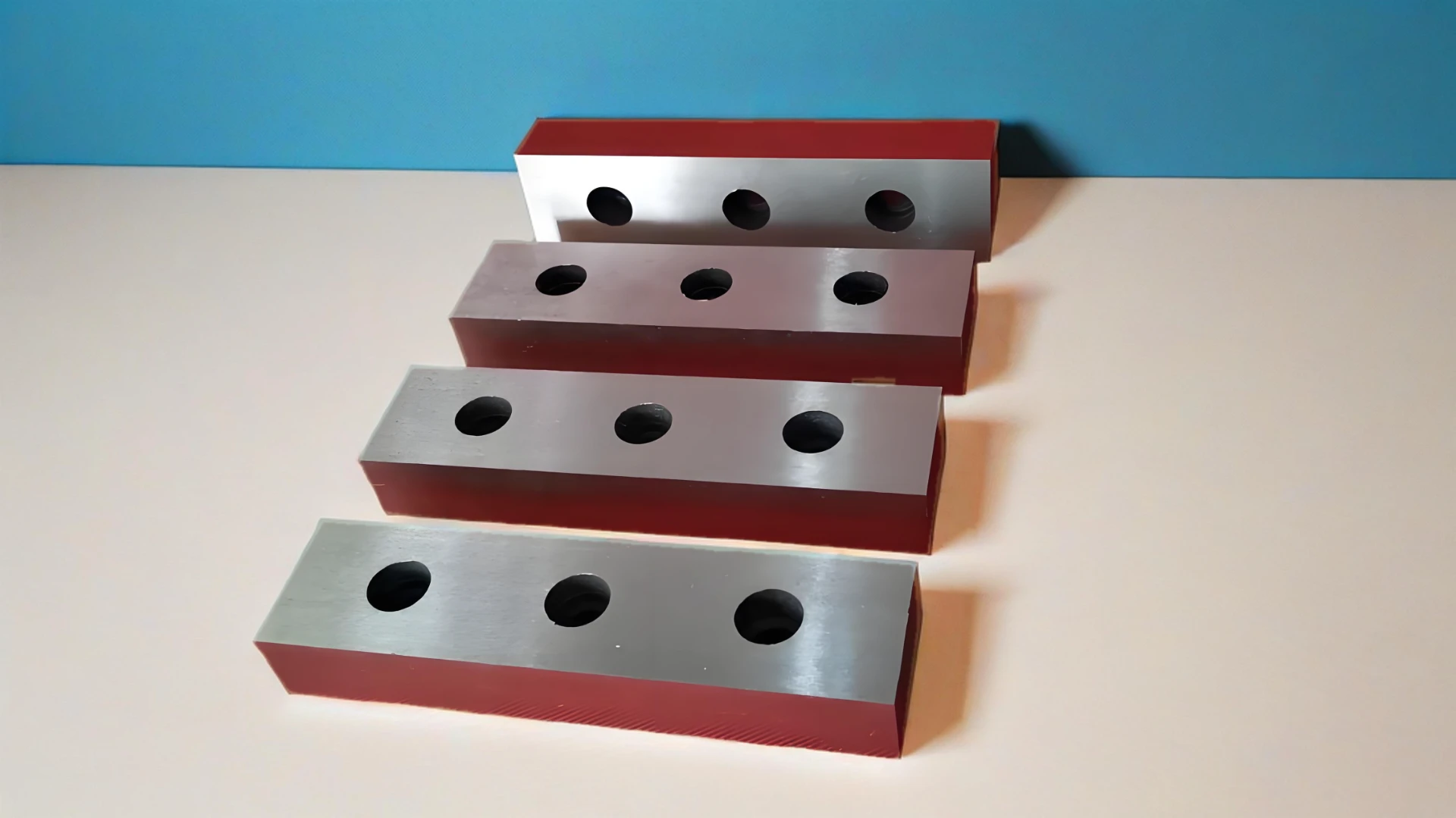
Understanding Paper Cutter Blade Sharpening: Why It Matters Globally
Paper cutter blade sharpening might sound niche, but it’s surprisingly important across many industries worldwide. Think about every printed book, newspaper, or packaging box you’ve used—clean, precise cuts are no accident. They rely on sharp blades, which need regular maintenance. This seemingly small service impacts efficiency, safety, and sustainability in huge ways. From factories in Germany to print shops in Brazil, the quality of blade sharpening can dictate output quality and operational costs.
In a globalized economy, improving blade maintenance methods saves time and reduces waste — benefiting companies, the environment, and ultimately, consumers. Knowing more about this helps industries minimize downtime and extend blade life, which frankly adds up to significant savings and smoother workflows.
Introduction: The Global Context of Paper Cutter Blade Sharpening
Cutting technology is foundational across print, packaging, and manufacturing sectors. According to the International Organization for Standardization (ISO), machinery maintenance—including blade sharpening—is critical for workplace safety and product quality.[1] The World Bank reports that manufacturing loss due to equipment inefficiencies costs billions annually worldwide.[2] In that light, paper cutter blade sharpening becomes more than routine maintenance—it's a cost-efficiency booster and a safety net against workplace incidents.
Now, while automated cutters get slicker by the year, the human touch in sharpening blades remains irreplaceable in many situations. Oddly enough, even with advances in robotic sharpening, many facilities still rely heavily on skilled technicians. The challenge? Maintaining consistency, speed, and precision in sharpening to keep up with high-volume production.
What Is Paper Cutter Blade Sharpening?
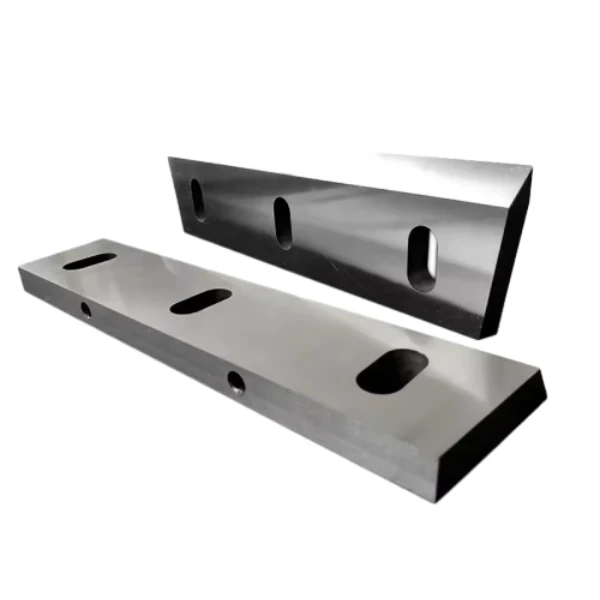
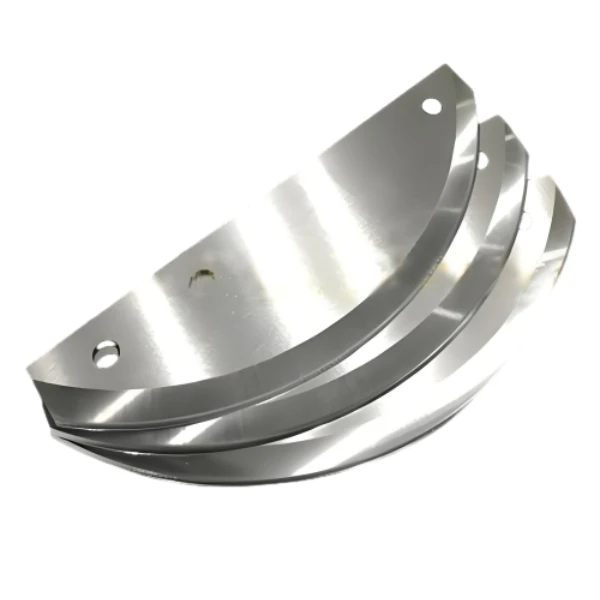
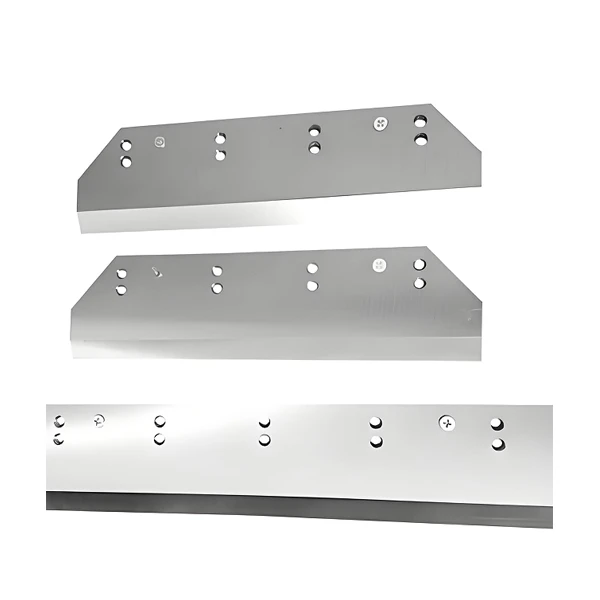
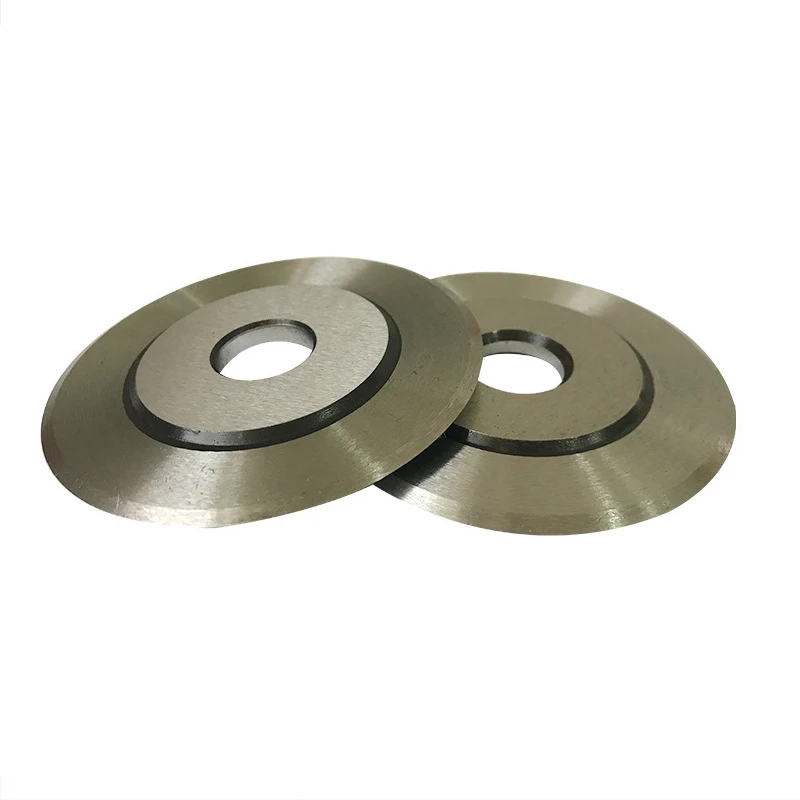
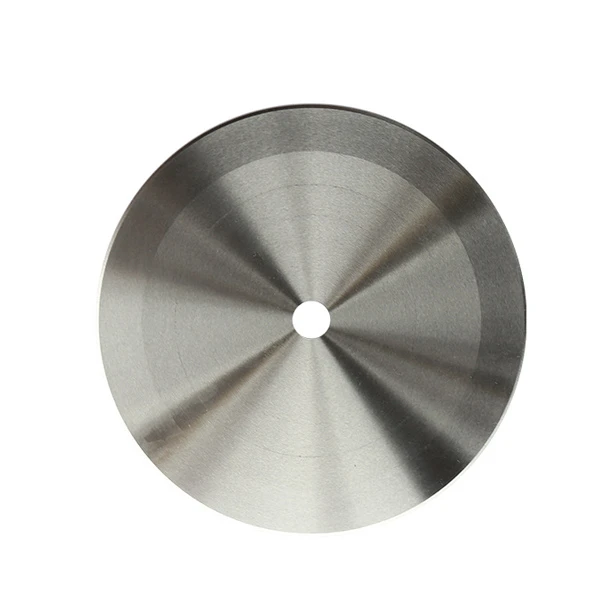
Put simply, paper cutter blade sharpening is the process of restoring a blade’s edge to optimum sharpness. These blades, often made of high-carbon steel or stainless alloys, dull over time due to repeated cutting of materials. Sharpening removes microscopic nicks and irregularities to produce a smooth, razor-sharp edge again.
This process can involve grinding, honing, or using diamond-coated equipment, depending on the blade type and application. It connects directly to industrial needs—sharp blades mean fewer miscuts, reduced waste, and improved operator safety.
Key Factors in Paper Cutter Blade Sharpening
1. Durability
A properly sharpened blade can last multiple cycles before needing further attention. Choosing the right sharpening method and maintaining blade integrity boosts durability.
2. Precision
Sharpness isn’t just about feeling sharp; it determines cut accuracy. In precision printing or packaging, even minor dullness ruins the product.
3. Cost Efficiency
Regular sharpening prevents the need for frequent blade replacements, which can be expensive and cause production downtime.
4. Safety
Dull blades increase the chance of slips and accidents. Sharpening ensures operators have reliable, predictable tools.
5. Environmental Impact
Extending blade life reduces waste in scrap and manufacturing energy, contributing to sustainability goals.
Product Specification Table: Typical Paper Cutter Blade Sharpening Tools
| Tool Type | Sharpening Method | Blade Compatibility | Typical Sharpening Time |
|---|---|---|---|
| Manual Grinding Wheel | Abrasive grinding | Steel and stainless steel | 5-15 minutes/blade |
| Diamond-Cone Sharpener | Diamond honing | High-carbon & alloy blades | 3-10 minutes/blade |
| Automated Sharpening Machine | Computer-controlled grinding & honing | Various industrial blades | 2-7 minutes/blade |
Global Applications & Use Cases
Paper cutter blade sharpening is vital in print houses across Europe, where millions of books and magazines are produced annually. In Asia, packaging manufacturers sharpen blades daily to keep up with demand for e-commerce shipping boxes. In North America, healthcare organizations rely on sharp cutters for precise paper diagnostics kits, impacting care quality.
In post-disaster relief operations, NGOs often need portable sharpening tools to maintain equipment that produces vital printed materials like instructions and forms. Similarly, many remote industrial zones in Africa and South America depend on local sharpening services to avoid costly shipping delays for replacement blades.
This global spread underscores how sharpening blades is not just a quality assurance matter—it's a lifeline for ongoing production and service delivery across cultures and economies.
Vendor Comparison Table: Popular Paper Cutter Blade Sharpening Services
| Vendor | Sharpening Techniques | Turnaround Time | Cost Range | Sustainability Focus |
|---|---|---|---|---|
| SharpEdge Services (Germany) | Automated CNC & manual honing | 24-48 hrs | $$$ | Recycling programs |
| BladeMaster Solutions (USA) | Diamond honing & hand grind | 48-72 hrs | $$ | Eco-friendly abrasives |
| RapidSharp (India) | Manual sharpening, onsite services | Same day (local) | $ | Minimal packaging waste |
Advantages and Long-Term Value of Proper Blade Sharpening
Proper blade sharpening goes beyond just cutting clean paper. It saves companies money, extends equipment life, reduces workplace injuries, and contributes to sustainability by minimizing blade scrappage. Emotionally, knowing your tools are safe and reliable builds operator confidence and trust.
From a strategic standpoint, investing in sharpening services often results in smoother production lines, fewer machine repairs, and less downtime. I suppose it’s a bit like an old car—regular tune-ups help you avoid a totaled engine. And in industries where product quality affects brand reputation, sharpness literally cuts to the core of success.
Future Trends and Innovations in Paper Cutter Blade Sharpening
Automation is the buzzword these days. Sharpening machines now often integrate AI systems that detect blade wear patterns for precision maintenance. Meanwhile, eco-friendly abrasives and low-energy grinders take sustainability steps forward. Some companies experiment with nano-coatings that extend sharpness duration, reducing sharpening frequency.
Another interesting development is mobile sharpening units that travel to customer sites, reducing logistical delays. As digital transformation unfolds, data-driven maintenance schedules mean blades will be sharpened exactly when needed—not too soon, not too late.
Challenges and Solutions in Blade Sharpening
Common challenges include inconsistent sharpening quality, long lead times, and blade material variations that complicate maintenance. Solutions tend to focus on technician training, investing in automated systems for reproducibility, and adopting standardized sharpening protocols.
For facilities tackling sustainability, sourcing eco-friendly materials and implementing blade recycling programs help offset environmental concerns. Frankly, the more these solutions are shared across global networks, the faster the sharpness standards will rise.
FAQ: Frequently Asked Questions About Paper Cutter Blade Sharpening
- How often should I sharpen paper cutter blades?
Depends on usage, but typically after every 20,000 to 30,000 cuts. High-volume operations may require more frequent touchups to maintain precision. - Can I sharpen blades myself, or is professional service better?
DIY sharpening is possible for simple blades but risks inconsistent edges and safety hazards. Professional services ensure precise, reliable results and often extend blade life longer. - Are diamond sharpeners better than traditional grinding wheels?
Diamond sharpeners generally produce smoother edges and last longer but tend to cost more initially. For industrial use where precision matters, diamond methods are preferred. - Is blade sharpening environmentally friendly?
When done with eco-friendly abrasives and recycling practices, sharpening significantly reduces waste compared to frequent blade replacement. - How can I find reputable sharpening vendors locally or internationally?
Look for providers with certifications, experience, and positive industry reviews. Consulting vendors listed on specialized directories or industry associations helps ensure quality.
Conclusion: Why Investing in Paper Cutter Blade Sharpening Pays Off
In sum, paper cutter blade sharpening is an essential yet often overlooked craft that supports global industries—from publishing to packaging and beyond. Its benefits ripple through cost savings, sustainability, safety, and product quality. Whether you run a small print shop or a large factory, paying attention to blade maintenance is a smart move.
Visit our website to discover expert sharpening services and tools that help keep your production sharp and efficient.
Takeaway: Keeping your blades sharp isn’t just maintenance—it’s a strategic business choice.
- International Organization for Standardization (ISO) on machinery maintenance standards, iso.org
- World Bank Report on Manufacturing Efficiency, worldbank.org
- Sharpening Technology Trends, Industry Journal of Manufacturing