Understanding the Paper Knife Blade: Precision Tool and Industry Staple
At first glance, a paper knife blade might seem like a niche, almost quaint tool—a relic from an era before digital documents. But surprisingly, the paper knife blade remains relevant today, not just in offices or art studios but also in various industries that demand precision cutting. Globally, as documentation shifts from traditional paper to innovative materials, understanding the capabilities and evolution of the paper knife blade offers insight into manufacturing, quality control, and even humanitarian aid where clean cutting tools matter.
Introduction: Why Paper Knife Blades Still Matter Globally
Despite the digital age's surge, estimates from ISO standards indicate that billions of sheets of paper are still produced and processed annually worldwide — in offices, packaging, publishing, and arts. A paper knife blade, a simple yet refined blade designed to slice through paper or similar materials cleanly, addresses challenges like precision, safety, and durability. Without effective cutting tools, errors and wastage spike, costing industries millions. What’s odd, though, is how this humble tool can stir innovation in automated production lines or fine arts.
Defining the Paper Knife Blade
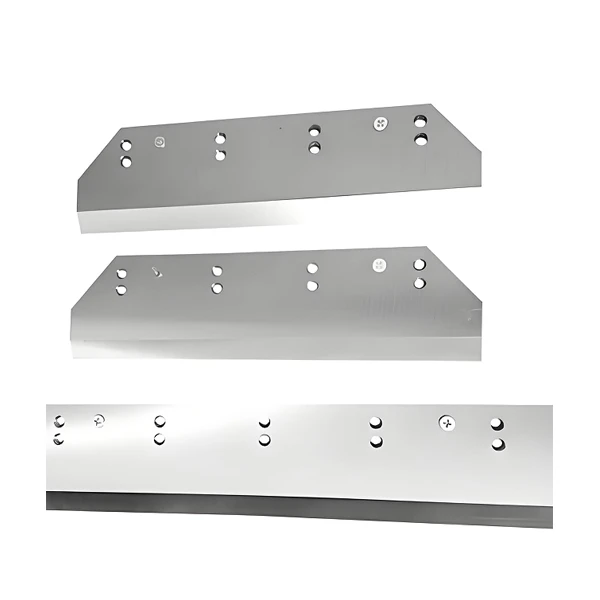
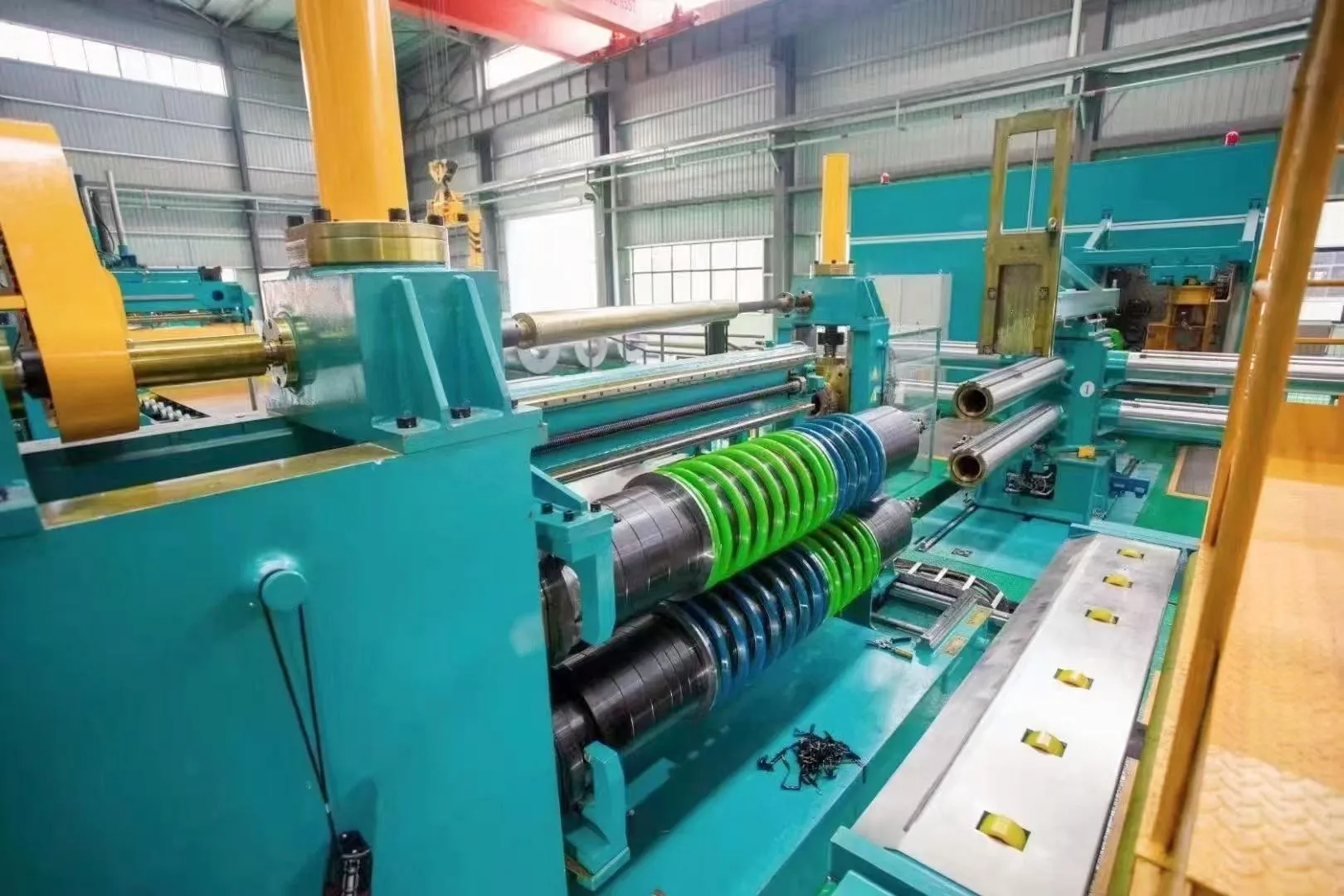
Simply put, a paper knife blade is a slender, sharp blade primarily designed for cutting paper, envelopes, or thin materials. Traditionally, it looks like a small, dagger-shaped tool—often used to open letters without tearing them. But in modern contexts, it also refers to precision blades incorporated into machines for cutting delicate materials such as films, labels, or textiles. This adaptability connects it to modern manufacturing, packaging, and even humanitarian fields where clean, damage-free cutting can save resources.
Key Aspects of Paper Knife Blades
1. Durability
One of the essential features is the blade’s longevity. Materials like high-carbon stainless steel or tungsten carbide are common in paper knife blades for their corrosion resistance and edge retention. In real terms, this means less frequent replacements and more consistent cuts.
2. Precision
On a practical level, the blade’s edge geometry determines cutting accuracy. Beveled edges allow sharp, controlled slices, whether manual or automated. Artists and engineers alike appreciate a clean cut that preserves the substrate integrity.
3. Safety
Surprisingly often overlooked, the blade’s handle design and grip contribute significantly to user safety. Ergonomic knives reduce fatigue and accidental slips.
4. Versatility
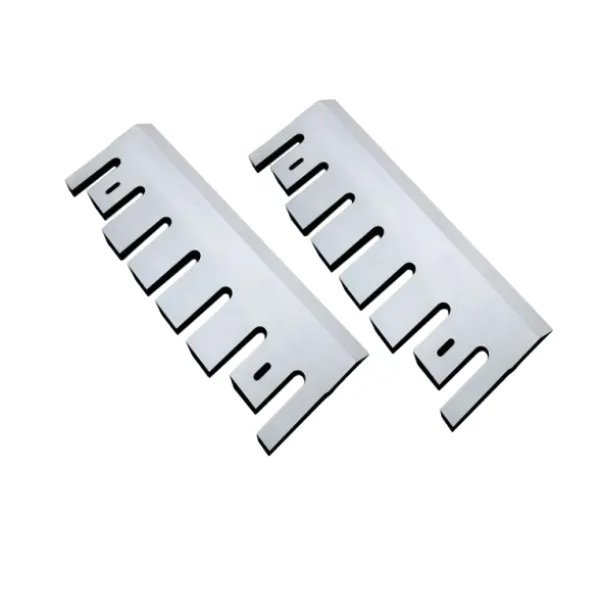
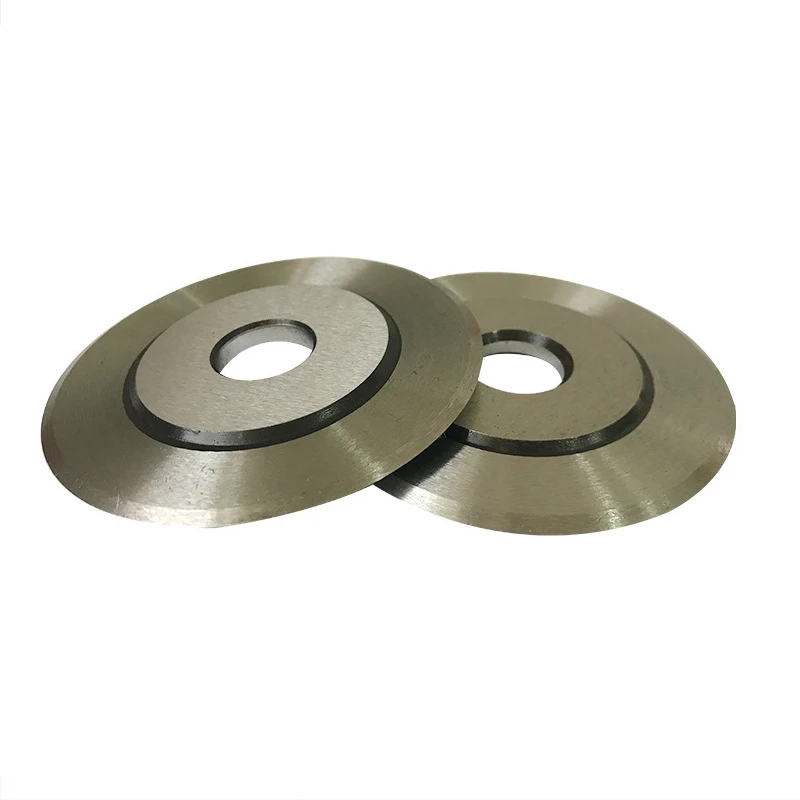
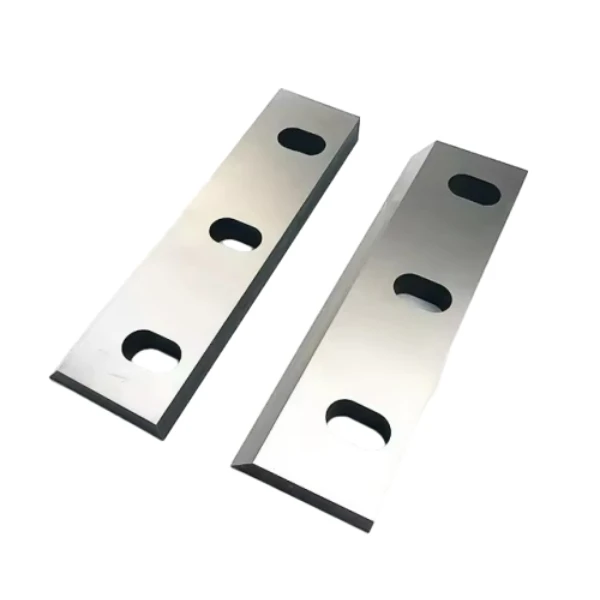
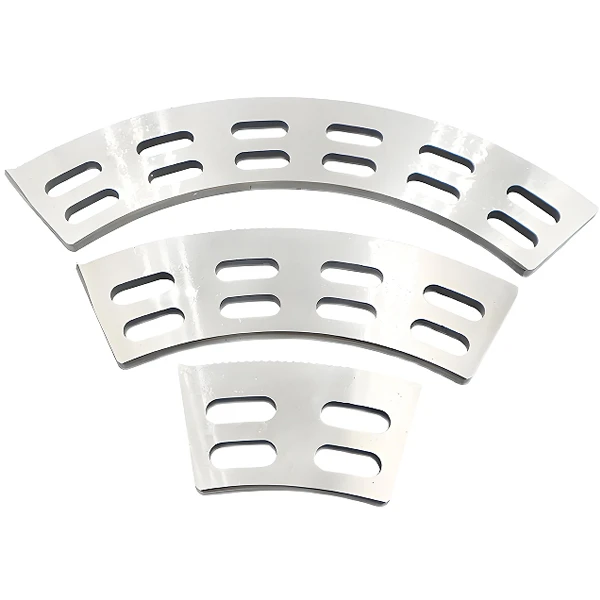
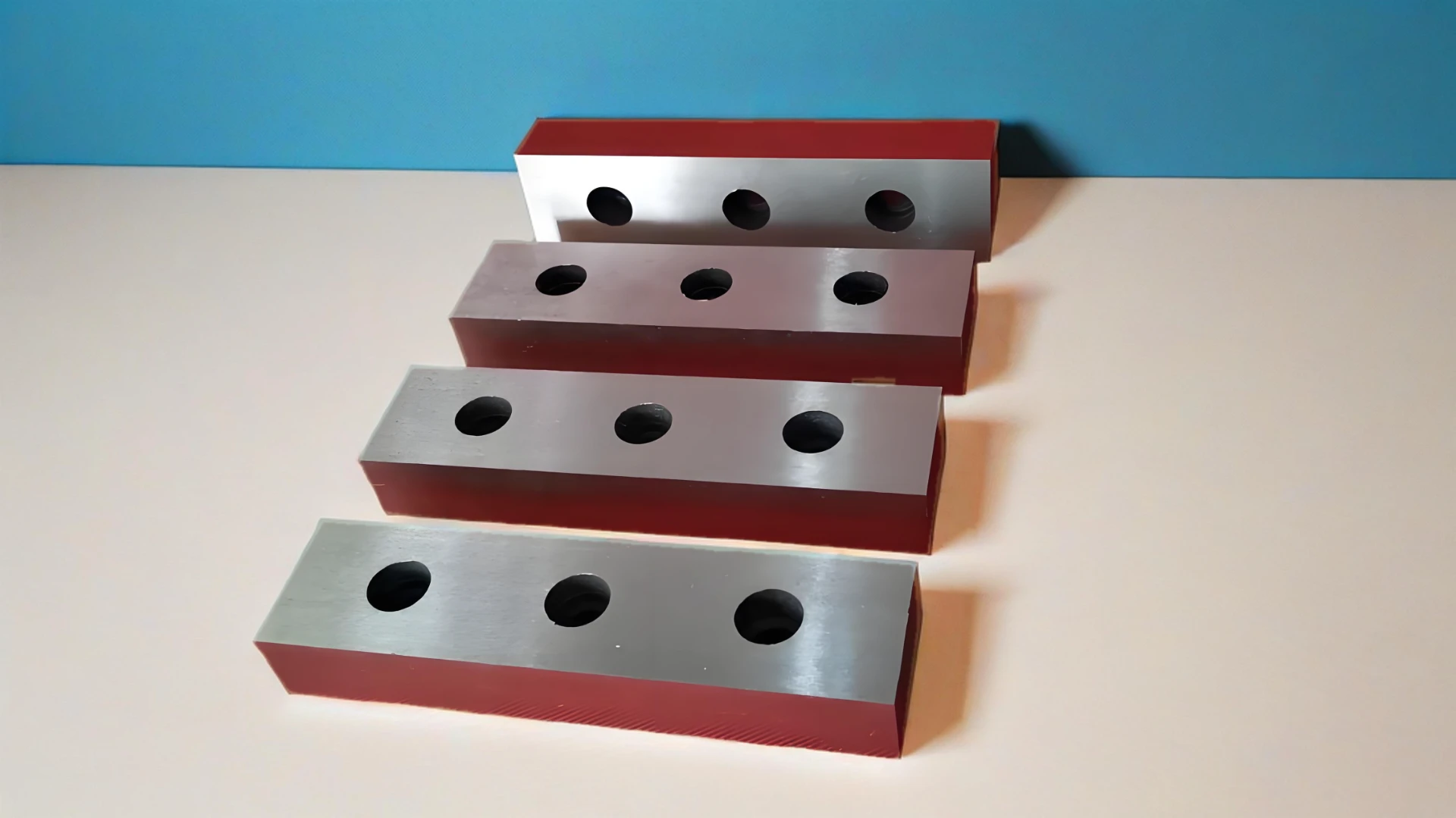
Modern paper knife blades come in various shapes and sizes adapted for different applications—from letter openers to industrial cutters. This range allows them to serve both simple offices and complex manufacturing lines.
5. Cost Efficiency
Using a durable, precise blade reduces waste and downtime. For industries processing large volumes of material, this translates into direct financial gains.
6. Environmental Impact
With growing attention on sustainability, some manufacturers now offer paper knife blades made from recyclable or longer-lasting materials, aligning with green manufacturing trends.
Product Specification: Standard Paper Knife Blade
| Specification | Details |
|---|---|
| Material | High-carbon stainless steel |
| Blade Length | 75 mm |
| Edge Type | Single bevel, razor sharp |
| Handle | Wood or polymer composite (ergonomic) |
| Weight | 45 grams |
| Applications | Envelope opening, art projects, precise slicing in manufacturing |
Mini takeaway: The right blend of material, design, and precision makes the paper knife blade indispensable for various cutting needs.
Vendor Comparison: Top Paper Knife Blade Manufacturers
| Brand | Price Range | Materials Used | Key Features | Warranty |
|---|---|---|---|---|
| SliceCraft | $15 - $35 | Steel + polymer grips | Ergonomic handle, replaceable blades | 1 year |
| EdgePro | $25 - $50 | Tungsten carbide blades | Extra sharp, durable for industrial use | 2 years |
| SafeCut | $10 - $20 | Stainless steel | Safety guard, beginner friendly | 6 months |
Mini takeaway: Choosing the right vendor depends on intended use—industrial durability or simple safety-focused design.
Global Applications and Use Cases
Take, for instance, postal services worldwide: paper knife blades remain a staple tool for efficient mail sorting and opening without damage. In art studios, many artists swear by the precision a good paper knife blade affords when trimming paper or canvas for framing or collages.
Oddly enough, in remote industrial zones or humanitarian missions, sharp blades help craft shipping documentation or packaging without relying on heavy, power-consuming devices. You could say their simplicity and reliability make them frontline heroes in places where power tools aren’t practical.
paper knife blade innovations even pop up in digital label production where materials should be sliced with laser-like precision, minimizing waste.
Advantages and Long-Term Value
- Cost Savings: Less wastage means better margins for businesses.
- Sustainability: Reusable, durable blades reduce landfill waste.
- Reliability: Can be used indoors and outdoors without power or special tools.
- Emotional: There's a kind of satisfaction in the clean, tactile slice a quality blade provides.
Plus, for many operators, trusted, sharp paper knife blades symbolize care and professionalism. It’s a small but meaningful part of everyday work life that builds trust with clients.
Looking Ahead: Future Trends & Innovations in Paper Knife Blades
Manufacturers are experimenting with composite materials that combine carbon strength with flexible polymers for safer, longer-lasting blades. Some are integrating ergonomic sensors that gauge cutting pressure—gearing toward smart cutting tools.
Also, in line with sustainability goals set by global agencies like the ISO and United Nations Environment Programme, greener manufacturing is trending, focusing on recyclable metals and biodegradable handles.
Challenges & Expert Solutions
Of course, no tool is perfect. Standard paper knife blades sometimes fall short in precision or require frequent resharpening. Also, there's the danger of accidental injury if misused.
Experts recommend using blades with replaceable edges or investing in specialized ergonomic handles. For industrial contexts, automation with built-in safety sensors is a growing solution.
FAQ: Frequently Asked Questions About Paper Knife Blades
- What are the best materials for a durable paper knife blade?
- High-carbon stainless steel and tungsten carbide are common choices due to their edge retention and corrosion resistance. These materials ensure the blade stays sharp longer and withstands frequent use.
- Can I use a paper knife blade for cutting other materials besides paper?
- Yes, thin fabrics, films, and labels can also be cut effectively, but be cautious—some blade designs are specialized for paper and may dull faster with tougher materials.
- How do I sharpen a paper knife blade safely?
- Sharpening is best done with fine whetstones or professional sharpening services. Avoid makeshift methods that may damage the blade or cause injury.
- Are there environmentally friendly options for paper knife blades?
- Yes, some brands offer blades with recyclable steel and biodegradable handles. Choosing these options aligns with sustainable manufacturing practices.
- How can industrial users ensure safety with paper knife blades?
- Using ergonomic designs with safety guards, combined with user training and proper storage, reduces accidents. Automated cutters with sensor technology further enhance safety in factories.
Conclusion
In the grand scheme, the paper knife blade is more than just a simple office implement. Its evolution keeps it relevant in industries demanding precision, sustainability, and safety. From everyday use to specialized manufacturing, it delivers tangible benefits including cost-efficiency and reliability. If you want to explore high-quality blades tailored for your needs, consider visiting our website for expert products and advice.
So, whether opening a letter or operating advanced cutting machines, the paper knife blade quietly remains indispensable—sometimes the simplest tools have the biggest impact.
References:
1. ISO Paper and Board Standards – ISO 186
2. UN Environment Programme – Sustainable Manufacturing Initiatives
3. Wikipedia – Paper Knife (https://en.wikipedia.org/wiki/Paper_knife)