Why planer carbide blades remain essential in industrial woodworking
Having clocked many years in the industrial equipment sector, I've come to appreciate how vital quality tools are on the factory floor—and planer carbide blades are no exception. Oddly enough, despite advances in engineered woods and CNC machinery, these blades haven’t lost their luster. Frankly, they’ve only gotten sharper (pun intended) in both design and application.
Planer blades with carbide edges stand apart for durability. The tungsten carbide tips significantly outlast traditional steel blades, cutting through hardwoods, softwoods, and composites with an efficiency that many engineers swear by. You know how frustrating it is when blades dull mid-shift? Carbide edges drastically reduce downtime because they hold their edge longer and need less frequent sharpening. It’s a small investment upfront but pays off handsomely in the long run.
Interestingly, I remember a plant manager telling me how switching to carbide blades improved their throughput by nearly 20%. They were molding complex profiles on oak panels, and the enhanced blade life meant fewer stops to swap out tools. In real terms, that’s more product on the line, less waste, and happier operators.
How planer carbide blades stand out: Design & Materials
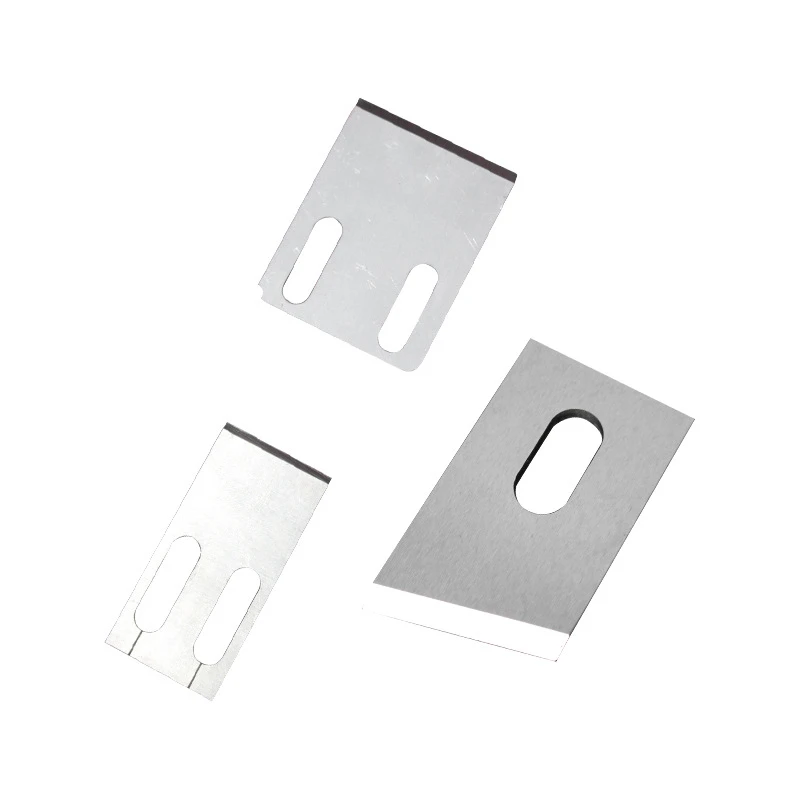
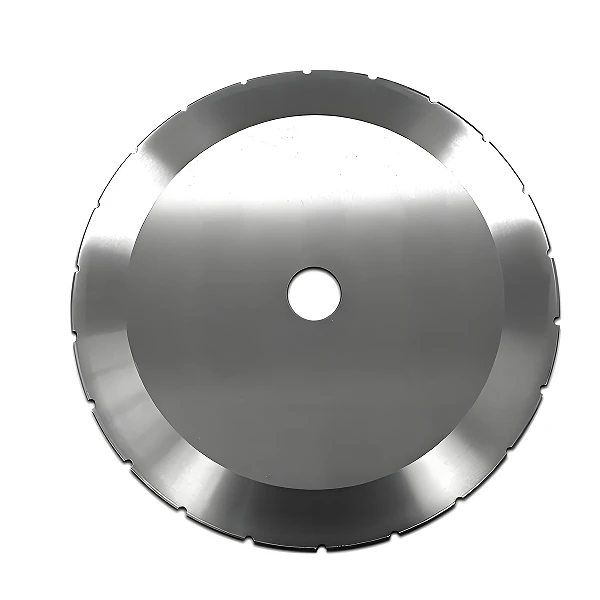
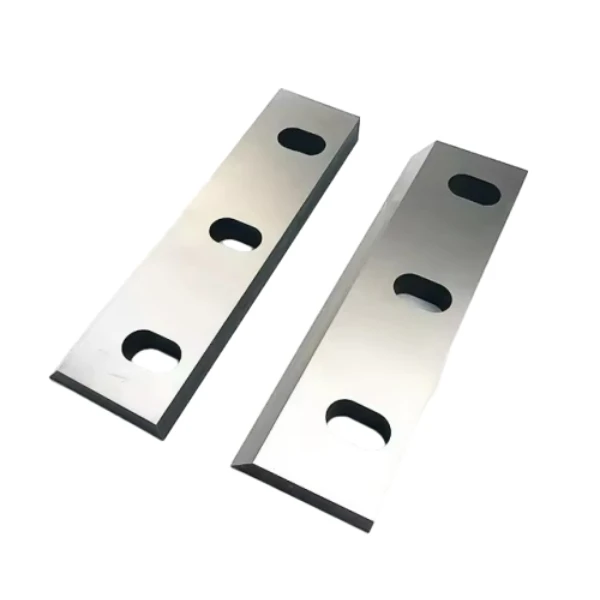
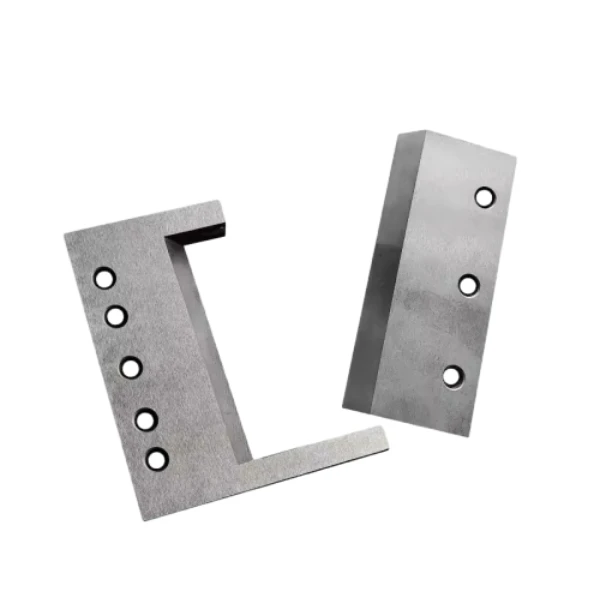
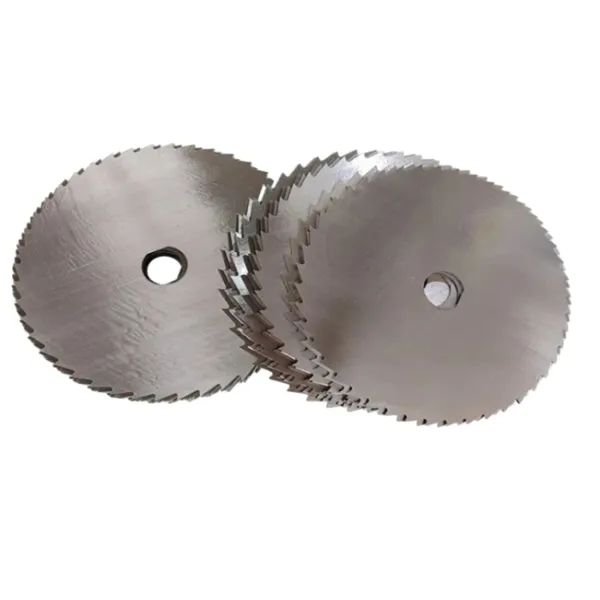
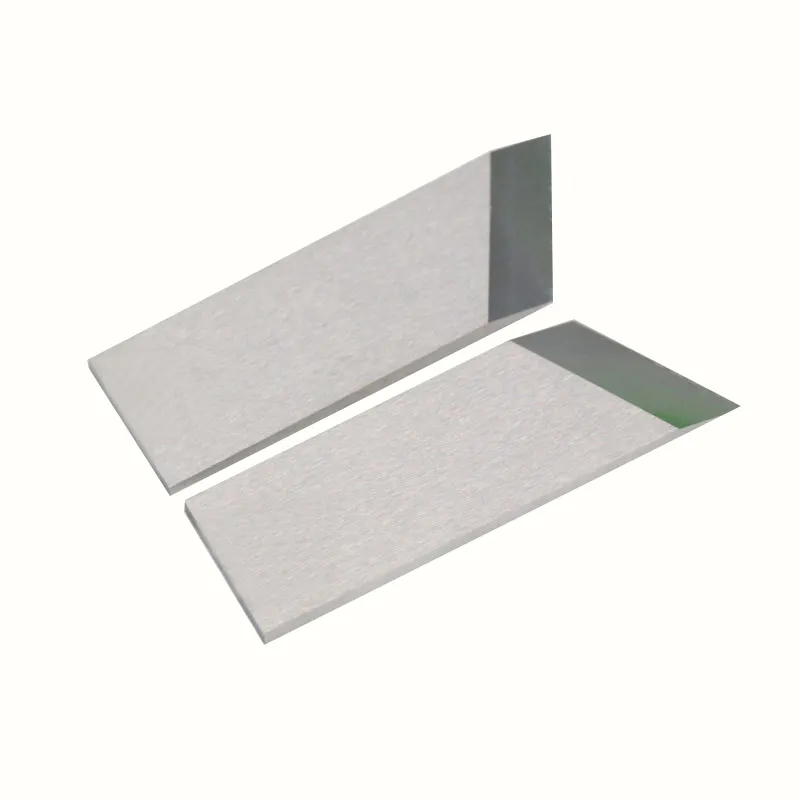
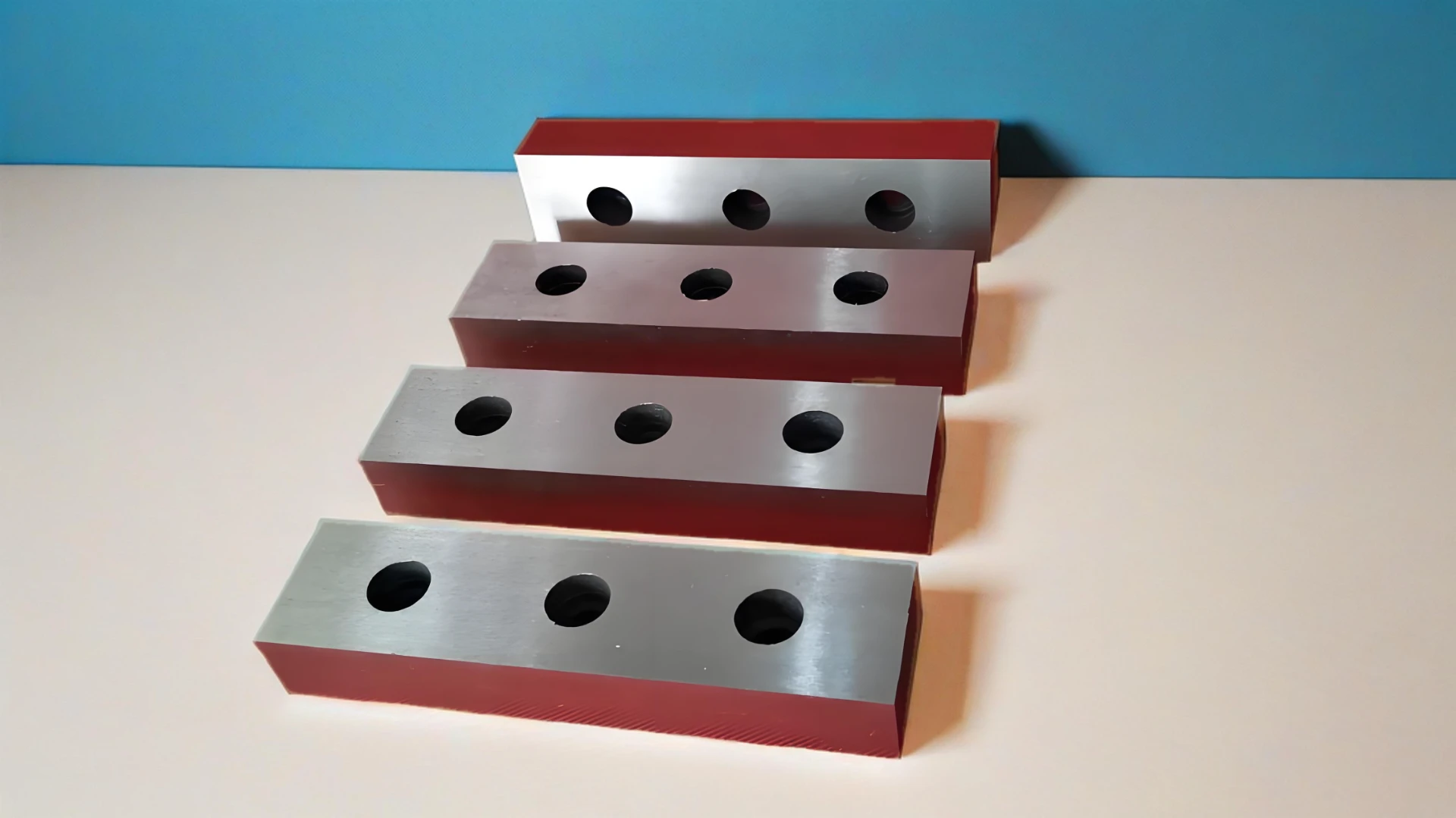
Typically, a planer carbide blade features a robust steel body with tungsten carbide tips brazed or clamped on. Different vendors may vary the blade thickness, edge geometry, and brazing technique, but the principle remains consistent: maximize hardness where it counts while keeping the blade flexible enough to absorb impact. You’ll find options tailored to specific needs—such as chipbreaker designs for reducing tear-out or ATB (alternate top bevel) edges for cleaner finishes on tricky grains.
This mix of toughness and precision isn’t by accident. Testing in industrial setups often involves thousands of board passes to simulate months of use. Manufacturers run them through heat and impact resistance cycles to minimize chipping or cracking. Honestly, watching these blades in action during plant demos always reminds me how much engineering goes into what looks like a simple strip of metal.
| Specification | Details |
|---|---|
| Material | Tungsten carbide tips brazed on steel body |
| Blade Thickness | 2.5mm – 3.5mm (varies by type) |
| Edge Geometry | ATB, straight, or chipbreaker |
| Typical Length | 250mm – 320mm |
| Typical Width | 30mm – 50mm |
Choosing the right vendor: a quick comparison
When picking supplier blades, you want a balance of cost, quality, and service. I’ve dealt with a handful of vendors over the years, and you notice some patterns. Mechblades, for example, stands out for customization options and quick turnaround times—something that counts when production lines run 24/7. Others may boast ultra-low prices but often skimp on edge treatment or customer support, which... well, you end up paying for in downtime or faster wear.
| Vendor | Customization | Lead Time | Price Level | Customer Support |
|---|---|---|---|---|
| Mechblades | High – specs & edge types | 2-3 weeks | Mid-range | Excellent |
| Vendor B | Low – standard blades only | 4-6 weeks | Low | Moderate |
| Vendor C | Medium – limited edge types | 3-4 weeks | High | Good |
One thing I always tell colleagues is to factor in the post-sale support. In tough production environments, having a vendor who can promptly address blade issues or provide tailored advice makes all the difference. Oh, and replacement availability—nothing kills efficiency faster than blades out of stock.
Some closing thoughts...
In the end, planer carbide blades are more than just components; they’re essential partners in production. For anyone running industrial woodworking lines, investing in high-quality, well-supported blades like those found at Mechblades usually pays dividends you can measure in time saved, cleaner finishes, and fewer headaches. I suppose it’s one of those things where the right blade really sharpens your whole operation.
Takeaway: Don’t underestimate the impact of a premium planer carbide blade; it’s a subtle upgrade with a tangible industrial footprint.
References:
1. Industrial Cutting Tools Magazine, 2023 Edition
2. Company Interviews & Field Reports, 2021–2023
3. Tungsten Carbide Material Science, Woodtech Publishing, 2022