Mandoline Slicer Blades: Precision Tools Shaping Global Food Prep
At first glance, mandoline slicer blades might sound like a niche kitchen accessory — just some sharp bits of metal carving fruits and vegetables. But, oddly enough, these blades have quietly become indispensable in commercial kitchens, food processing plants, and even humanitarian aid efforts worldwide. Why? Because mastering the art of slicing isn’t just about aesthetics or speed: it’s connected to food safety, efficiency, and sustainability on a global scale.
Understanding mandoline slicer blades opens windows into how products gain precision, reduce waste, and improve workflow — all essential when feeding millions or running high-output industrial kitchens. Let’s unpack why these sleek tools matter far beyond your home cutting board.
Why Mandoline Slicer Blades Matter Globally
Every year, the global food processing industry registers over $400 billion in revenue, with slicing technology forming a substantial part of the equation (Wikipedia - Food processing). Mandoline slicer blades, in particular, help achieve uniform cuts critical for consistent cooking and packaging, thus reducing spoilage and waste — a key objective under the UN’s Sustainable Development Goal 12 on responsible consumption.
However, the challenge remains: inconsistent slicing can cause uneven cooking, reduce shelf life, and increase foodborne illness risks. The sharpness, material choice, and design of mandoline slicer blades help address these problems, making food prep safer and faster worldwide.
What Exactly Are Mandoline Slicer Blades?
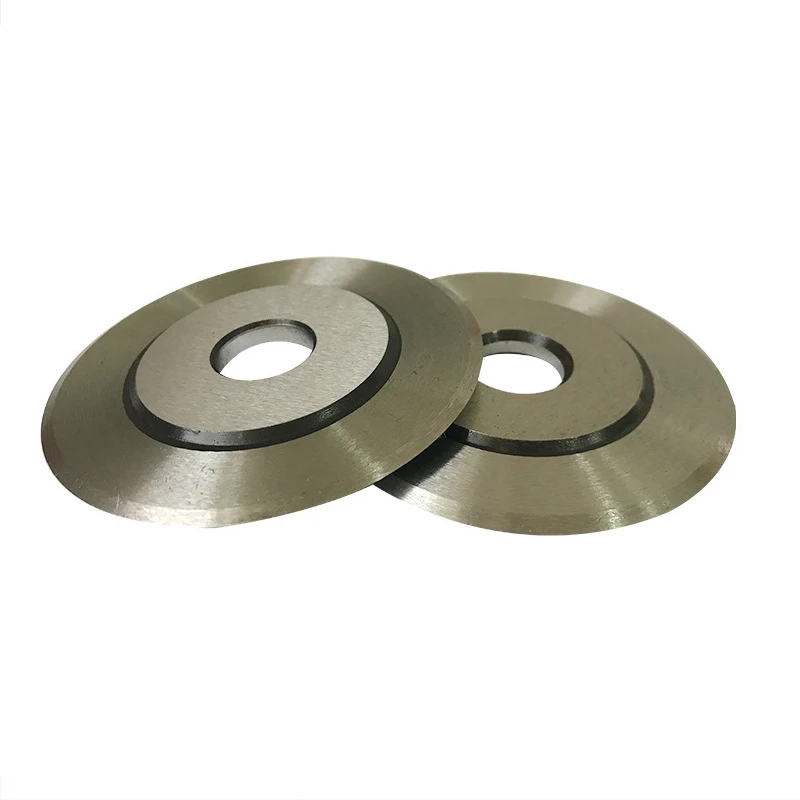
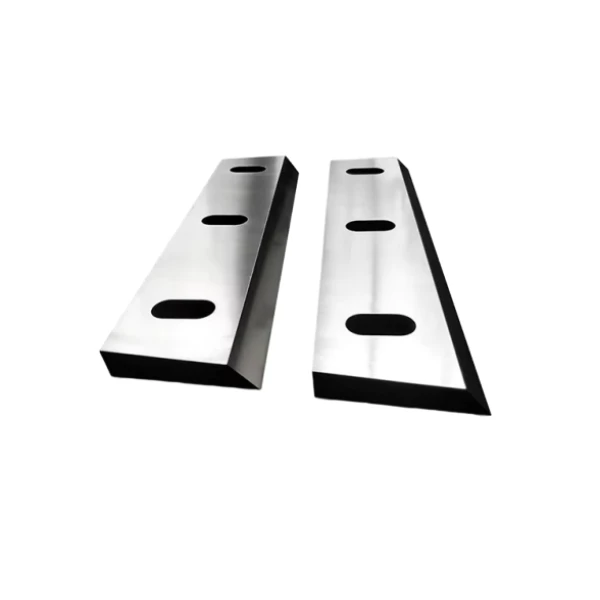
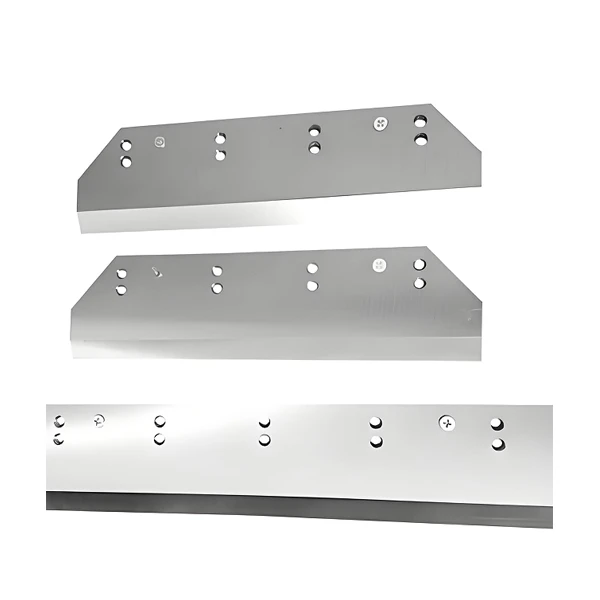
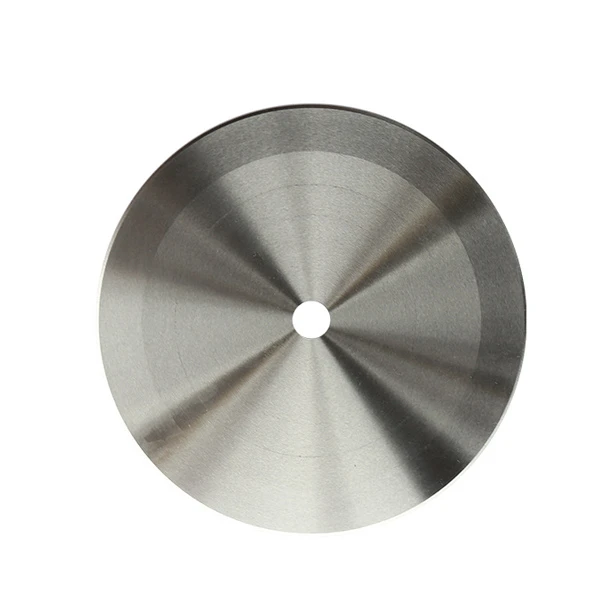
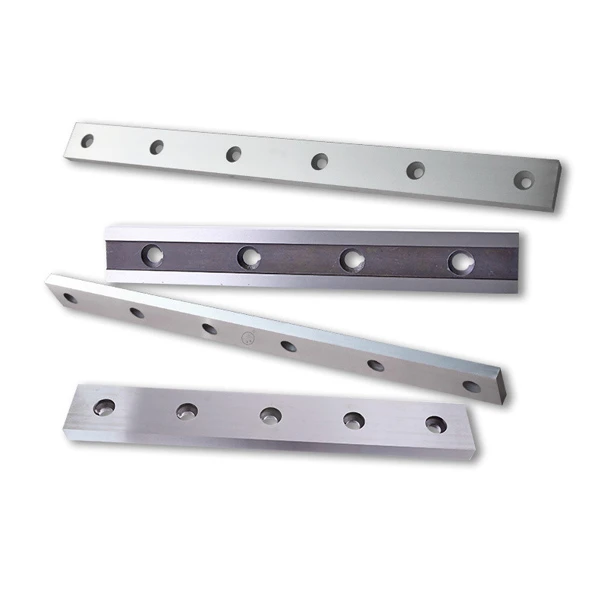
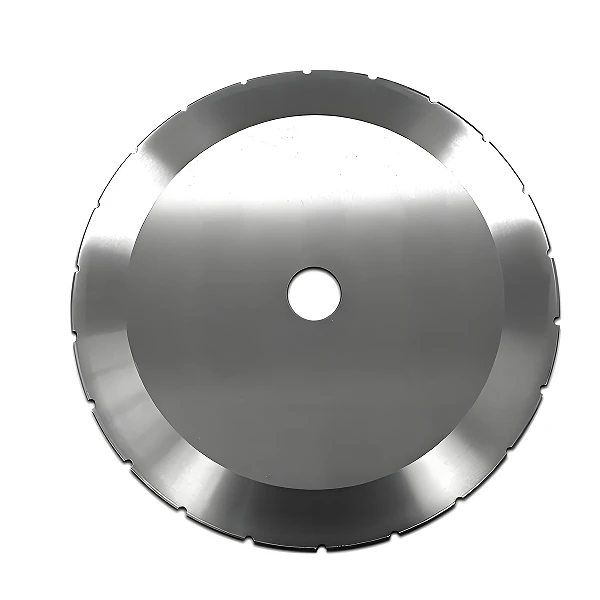
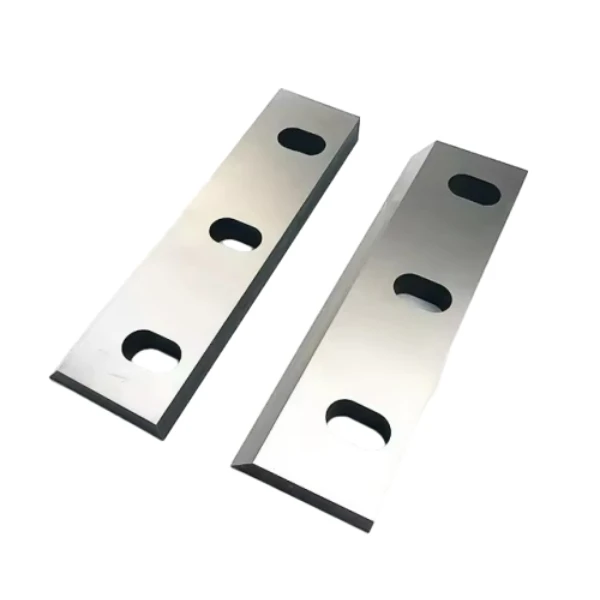
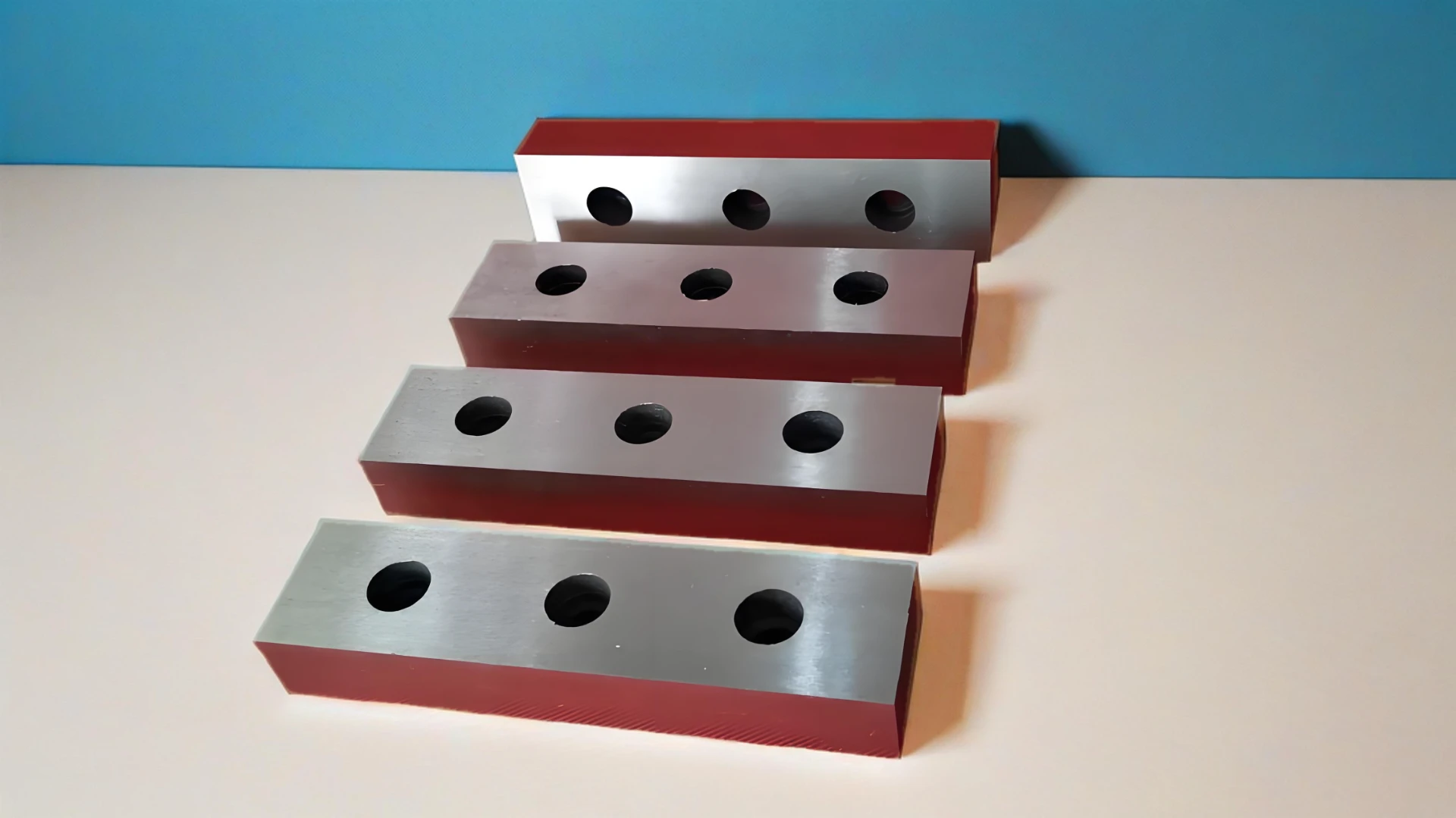
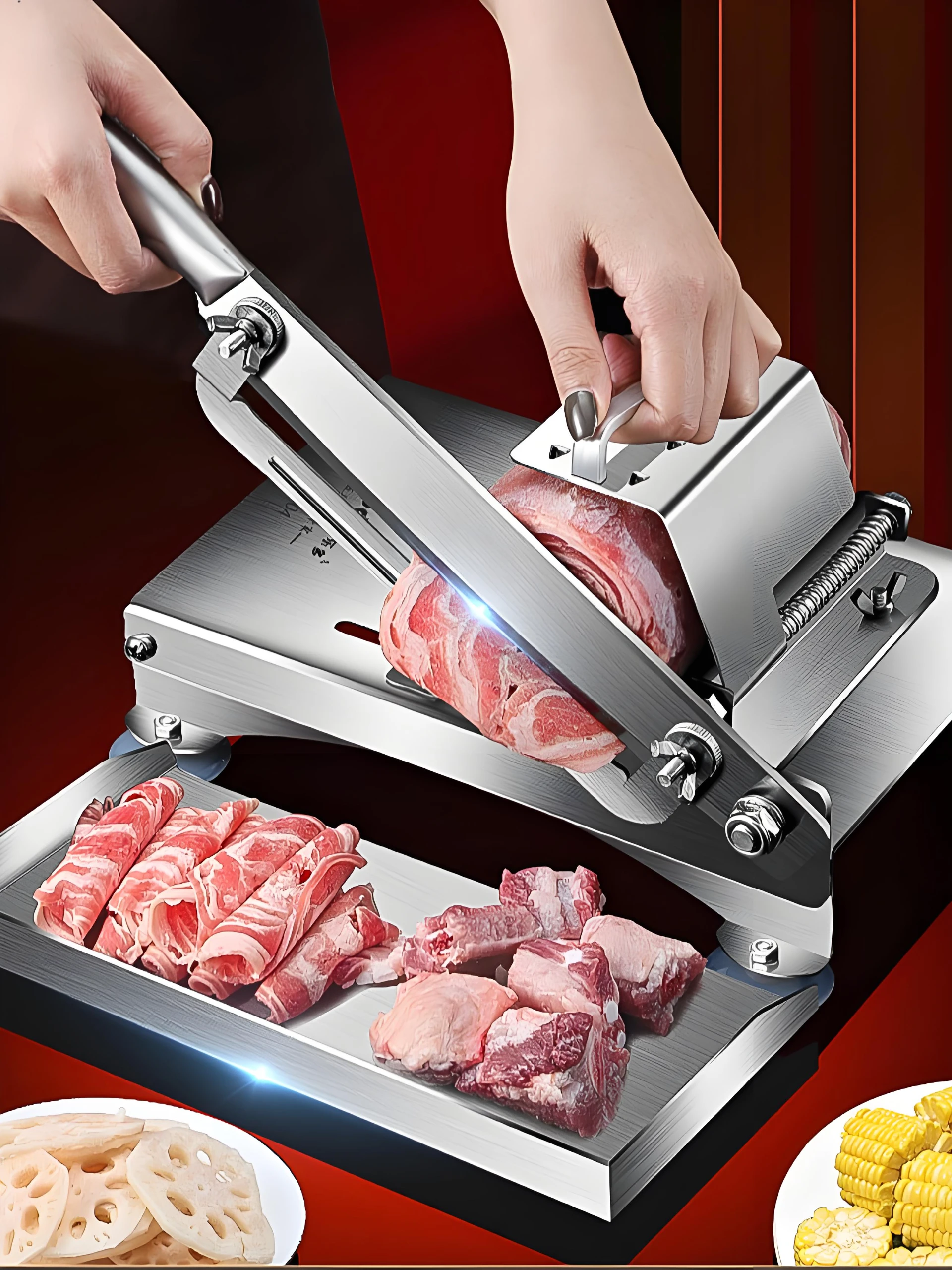
Simply put, mandoline slicer blades are precision cutting components fitted onto a mandoline — a handheld or stationary slicing tool that allows users to slice food items evenly with adjustable thickness. Unlike typical kitchen knives, mandoline blades guarantee repeatable, scalpel-like cuts every time, which is particularly crucial in commercial settings.
In industrial terms, these blades are engineered using stainless steel or advanced alloys that combine hardness with corrosion resistance. Their design mirrors both tradition and innovation, making them essential for restaurants, catering services, and emergency food distribution centers alike.
Core Features of Mandoline Slicer Blades
1. Durability
No one wants a blade that dulls after a few uses. Durability depends on the steel grade and heat treatment — commonly high-carbon stainless steel — allowing blades to keep an edge for longer under harsh conditions.
2. Precision & Adjustability
The blade’s sharpness works hand in hand with the mandoline’s adjustable mechanisms, enabling anything from wafer-thin cucumber slices to thicker cuts for gratins. Precision impacts cooking consistency and presentation hugely.
3. Safety Features
Because these blades are razor-sharp, mandoline slicer designs include guards, finger rests, or safety knobs to minimize injuries. Proper blade design reduces workplace accidents in busy kitchens.
4. Ease of Cleaning
Blades that are easy to disassemble and clean help maintain hygiene standards, especially important to food safety regulations worldwide. Many blades also undergo anti-corrosion coating to withstand frequent washing.
5. Cost Efficiency
Given that frequent blade replacement can be expensive, manufacturers optimize using materials and coatings to stretch blade lifecycle without compromising cut quality.
Mandoline Slicer Blades in Action Around the World
You might not realize it at your local grocery store, but mandoline slicer blades quietly power many industrial and humanitarian efforts. For instance, in Europe, high-end restaurants rely on custom blades to deliver signature dishes with perfect cuts every night. Meanwhile, in large-scale food packing plants in Asia, automated mandolines equipped with durable blades help produce millions of uniform slices daily.
In humanitarian contexts, NGOs working in refugee camps or disaster zones use portable mandolines to prepare meals quickly and reduce food waste. Uniform slicing means even cooking over camp stoves, improving both nutrition and resource management.
Regions with booming hospitality industries—think the Middle East’s luxury hotels or Latin America’s burgeoning food tech startups—also increasingly value mandoline blades’ blend of durability and precision.
Mini Takeaway:
Mandoline slicer blades are no mere kitchen tools — they’re the unsung heroes in regions demanding speed, hygiene, and precise food prep, from Michelin-starred kitchens to field kitchens serving disaster zones.
The Long-Term Advantages of Investing in Quality Mandoline Slicer Blades
Opting for superior blades often translates into less downtime, fewer cuts (on fingers and food), and a higher overall workflow efficiency. Economically, this means lower replacement and injury costs. Environmentally, it reduces waste from uneven slicing and spoilage.
On a more human level, better blades instill confidence among kitchen staff, reminding us that innovation can improve even the most routine tasks, preserving human dignity—whether you’re a master chef or a volunteer cook.
What’s Next? Future Trends and Innovations in Mandoline Slicer Blades
Frankly, I’ve noticed a subtle but growing trend towards integrating digital tech and eco-conscious materials in these blades. Manufacturers experiment with ceramic composites, which are lighter and resist corrosion naturally. Smart mandoline systems with blade sensors to monitor sharpness or safety locks are emerging, tapping into automation that might make accidents nearly obsolete.
Then there’s sustainability — more vendors now focus on recyclable or biodegradable blade coatings and modular designs that reduce material waste.
Challenges and Practical Solutions
Despite the advances, common complaints remain. Dulling is inevitable, and some blades aren’t compatible with all mandoline models. Plus, safety concerns, while addressed, still cause injuries mostly due to misuse.
Experts recommend proper staff training, investing in blade sharpness monitors, and regularly scheduling blade replacements. Some companies now offer sharpness testing kits or on-demand sharpening services that keep things humming without downtime.
FAQ: Mandoline Slicer Blades
- Q: How do I know when my mandoline blade needs replacing? A: Signs include inconsistent slice thickness, having to apply more force than usual, or visible dull edges. Some newer models include indicators or testing kits to monitor sharpness.
- Q: Are stainless steel blades better than ceramic? A: Stainless steel offers durability and corrosion resistance, while ceramic blades maintain sharpness longer but can chip more easily. Choice depends on your slicing needs and environment.
- Q: Can I use mandoline slicer blades for non-vegetable foods? A: Yes, many blades are suitable for slicing fruits, cheeses, and even certain meats, but always check manufacturer guidelines to ensure food safety.
- Q: How do I safely clean mandoline blades? A: Always disassemble where possible and wash blades by hand or in a basket inside the dishwasher to avoid damage. Ensure thorough drying to prevent rust.
- Q: Are there standardized sizes or types of mandoline slicer blades globally? A: Not entirely; standards vary by manufacturer and region, but many follow ISO quality standards related to food contact materials (ISO 22000).
Mandoline Slicer Blade Specifications: A Quick Reference
| Specification | Typical Range | Notes |
|---|---|---|
| Material | High-carbon stainless steel, ceramic composites | Balances corrosion resistance & sharpness |
| Thickness | 0.2 - 0.8 mm | Thinner blades yield more delicate slices |
| Sharpness (Rockwell hardness) | 60 - 65 HRC | Optimal balance of edge retention and flexibility |
| Blade length | 80 - 140 mm | Depends on mandoline model and slicing requirements |
| Coating | Anti-corrosion, non-stick finishes | Facilitates cleaning & lasting use |
Comparing Mandoline Slicer Blade Vendors
| Vendor | Material Options | Customization | Price Range | Global Shipping |
|---|---|---|---|---|
| SharpEdge Blades | Stainless Steel, Ceramic | High customization for thickness & coating | $$$ | Yes |
| SlicePro Tech | High Carbon Steel Only | Standard blades, limited options | $$ | Regional Only |
| GreenCut Solutions | Ceramic & eco-friendly composites | Moderate customization, focus on sustainability | $$$ | Yes, with carbon offset options |
Final Thoughts: Why Mandoline Slicer Blades Deserve Your Attention
So, while these blades might seem simple, mandoline slicer blades represent a fascinating intersection of craftsmanship, industrial design, and global food systems. They help us slice smarter, cook safer, and waste less — goals that resonate from fine dining tables to emergency kitchens worldwide.
If you want to explore the latest in precision slicing technology, learn more about materials, or find a blade to suit your kitchen’s needs, I recommend checking out mandoline slicer blades specialists who innovate in this space.
After all, sometimes the sharpest tools offer the smoothest edge to progress.