Understanding the 22 Meat Grinder Blade: The Unsung Hero of Food Processing
When you think about kitchen tools or industrial food processing, the 22 meat grinder blade rarely tops the list of conversation starters. Yet, this small, seemingly simple component plays a massive role worldwide — from family kitchens to commercial butcheries. The reason it matters so much is that improving the quality and functionality of meat grinder blades translates directly into better food texture, safety, and efficiency. Plus, it’s one of those mechanical parts that quietly boosts productivity and cuts down waste, which, frankly, the world desperately needs.
Let’s be honest though — the global food industry is grappling with rising demand, stricter safety standards, and environmental concerns. So understanding the nuts and bolts of a 22 meat grinder blade isn’t just a niche hobby; it’s increasingly important for anyone in food manufacturing, catering, or even humanitarian efforts relying on efficient food prep technology.
Mini takeaway: The 22 meat grinder blade, while small, impacts food quality and industry efficiency on a global scale.
Global Perspective: Why the 22 Meat Grinder Blade Matters Today
According to the Food and Agriculture Organization (FAO), meat consumption worldwide has steadily increased over the last decades, especially in fast-growing economies like China and Brazil. That means meat processing equipment, including grinder blades, must keep pace with larger volumes and higher quality expectations.
Industry reports highlight that nearly 35% of foodborne illnesses trace back to poor meat processing hygiene and faulty equipment. A sharp, durable grinder blade reduces contamination risks and promotes safer food handling — critical in both commercial setups and municipal kitchens.
Globally, there’s also a push to reduce food waste and energy costs in manufacturing. Upgrading the 22 meat grinder blade to newer materials and designs can improve energy efficiency and the lifespan of grinders, which, ironically, benefits the environment by lowering demands on resources.
So a blade isn’t just something that slices. It’s almost a frontline tool in sustainable food production, connecting innovation with food safety and efficiency.
Mini takeaway: Meat grinder blades influence food safety, environmental impact, and economic efficiency worldwide.
What Exactly Is a 22 Meat Grinder Blade?
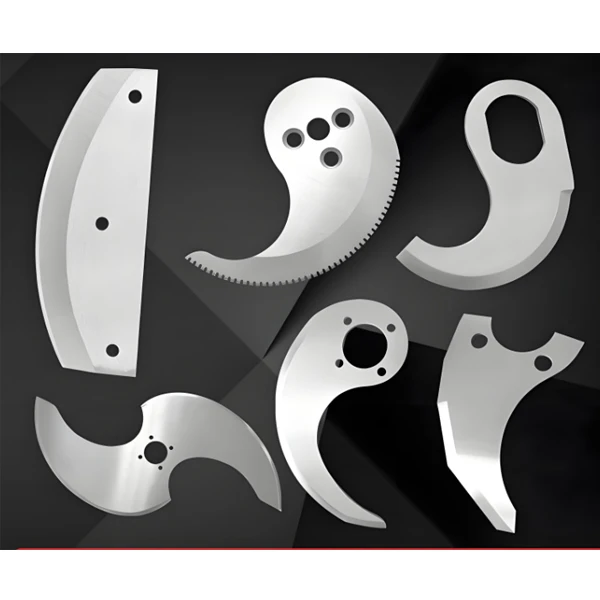
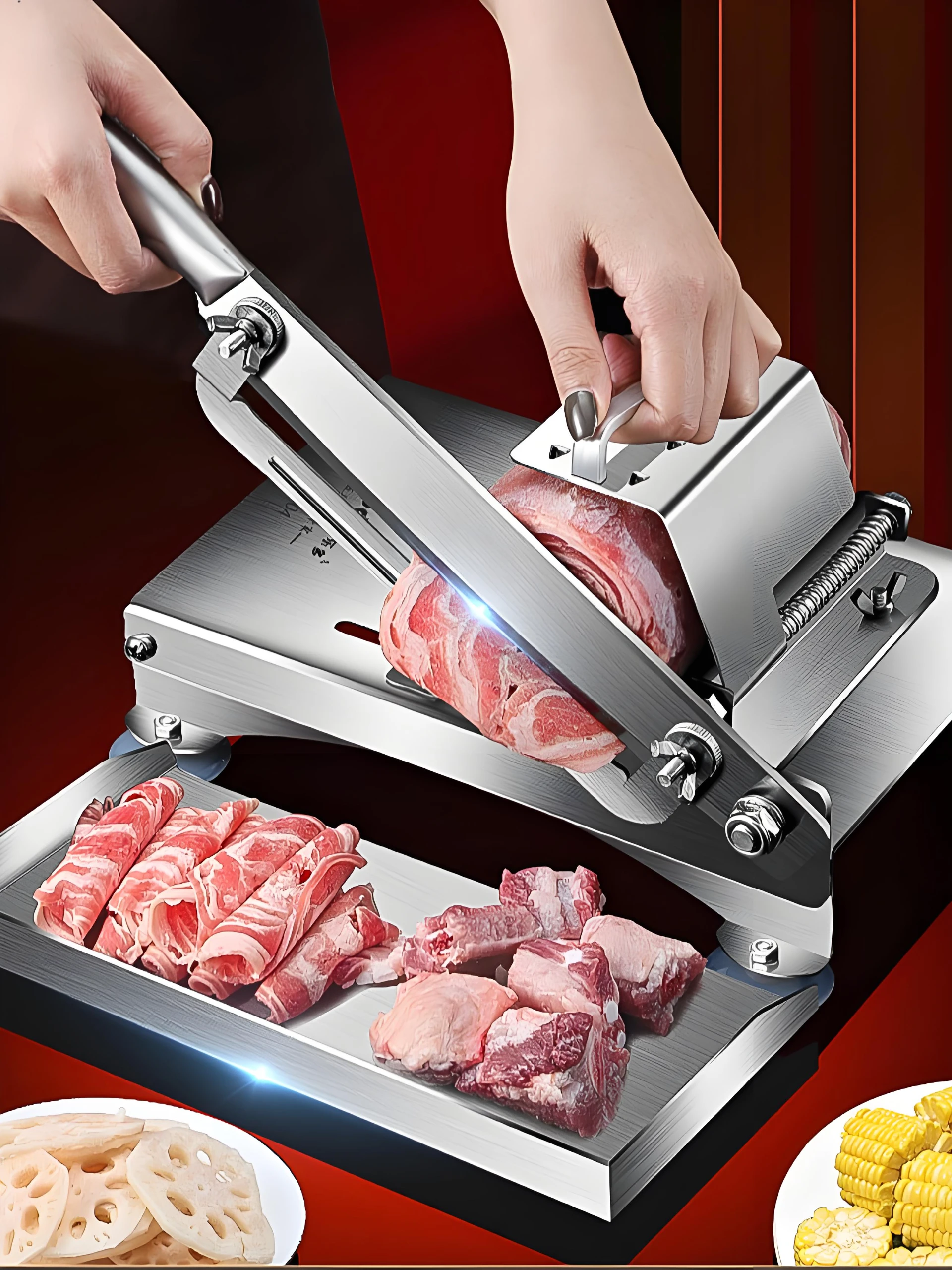
In its simplest form, a 22 meat grinder blade is a centrifugal cutting component measuring approximately 2 1/4 inches (hence "22") used to grind meat into smaller, manageable pieces. It fits inside meat grinders—both manual and electric—and rotates against a perforated plate to mince flesh efficiently.
But beyond that, the blade’s design, material, and sharpness affect texture, moisture content, and even the final product’s taste. Different formulations, from stainless steel alloys to coated composites, impact durability and ease of cleaning.
In industrial or humanitarian contexts, the importance of the 22 meat grinder blade grows—whether supplying meals in disaster relief or maintaining supply chains in remote areas where quick, easy food processing is crucial.
Mini takeaway: The 22 meat grinder blade is a small but critical cutting element, influencing meat preparation quality across multiple contexts.
Core Components & Key Factors in 22 Meat Grinder Blades
Material Durability
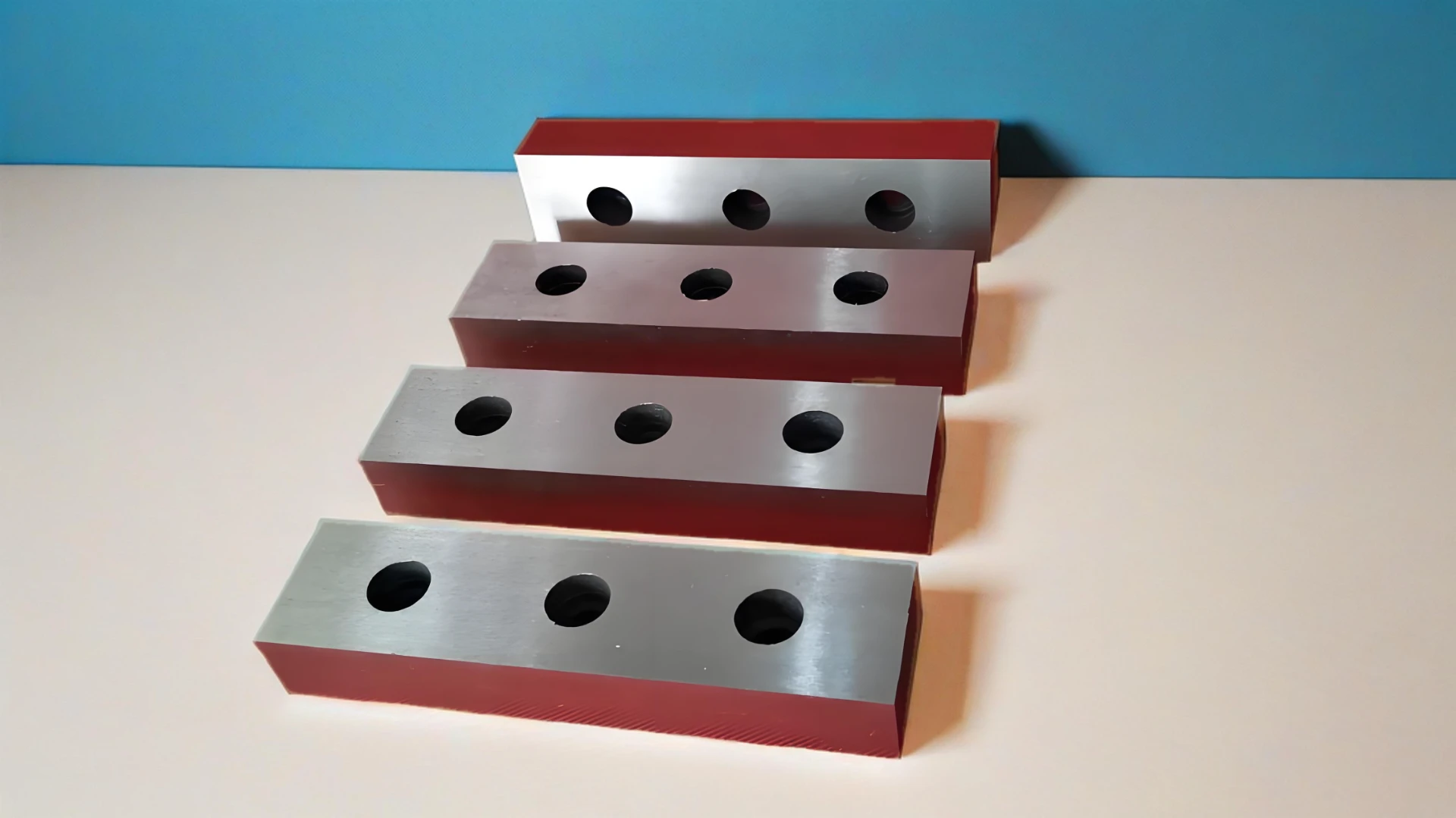
Commonly, blades are forged from high-carbon stainless steel. This metal mix offers corrosion resistance and keeps a sharp edge longer, avoiding frequent replacements that spoil workflow. Some premium blades use titanium-coating or cryogenically treated steel for even greater wear resistance.
Blade Geometry and Sharpness
The angle and design of the blades control cutting efficiency. A sharper and properly angled blade reduces grinding effort and produces consistent meat texture with minimal heat generation, preserving protein quality.
Compatibility & Size
“22” refers to the inch size or the typical diameter fitting specific grinder models. Choosing the right size ensures compatibility and prevents dangerous blade vibration or wear.
Maintenance and Hygiene
Blades with smooth surfaces and precise machining minimize bacterial build-up and simplify cleaning. It’s critical in commercial kitchens to prevent cross-contamination, making this aspect as vital as blade toughness.
Cost Efficiency
Given that blades wear out over time, balancing price with longevity can determine the total cost of ownership. Investing in higher-quality blades often yields savings by reducing downtime and replacement frequency.
Mini takeaway: Material quality, sharpness, fit, hygiene, and cost all factor heavily into selecting the right 22 meat grinder blade.
Where Is the 22 Meat Grinder Blade Used? Global Applications & Use Cases
This blade type isn’t just confined to your local butcher shop. It’s everywhere:
- Commercial Food Processing: Meat factories worldwide rely on these blades to prepare ground beef, sausage, and pet food.
- Hospitality Industry: Restaurants and catering companies use smaller electric grinders fitted with these blades to customize recipes on demand.
- Disaster Relief & Military Kitchens: Fast, efficient meat grinding supports large-scale feeding in post-disaster zones, refugee camps, or military deployments.
- Remote or Rural Food Production: In areas without access to large-scale industrial tools, the right blade enables local butchers and community kitchens to maintain food safety and quality standards.
For example, in remote parts of Alaska, local processing plants fitted with durable 22 meat grinder blades handle wild game processing, enabling local economies without importing processed meat.
Mini takeaway: The 22 meat grinder blade serves diverse users from industrial plants to remote communities, proving its versatility and global importance.
A Quick Look at Specifications
| Specification | Details |
|---|---|
| Material | High Carbon Stainless Steel (304/316), Titanium-coated option |
| Diameter | 2 1/4 inches (approximately 57 mm) |
| Thickness | 3.5 - 4 mm |
| Blade Edges | 4 sharpened edges |
| Compatibility | Fits standard 22-size meat grinders (manual & electric) |
| Cleaning | Dishwasher-safe; corrosion-resistant finish |
Comparing Top Vendors for 22 Meat Grinder Blades
| Vendor | Material Quality | Price Range (USD) | Warranty | Unique Features |
|---|---|---|---|---|
| MechBlades Co. | Premium stainless steel with Ti-coating | $25 - $40 | 2 years | Extended blade sharpness, corrosion-proof tech |
| GrindSharp Tools | High carbon stainless steel | $18 - $30 | 1 year | Affordable replacement blades with sharpening guide |
| PrepPro Equipments | General stainless steel | $15 - $25 | 6 months | Bulk buying options for wholesalers |
Advantages and the Long-Term Value of Choosing the Right Blade
Choosing a top-quality 22 meat grinder blade pays off in ways both tangible and subtle. For one, sharper blades mean less grinding effort, lowering electricity consumption and minimizing heat that can degrade meat proteins. Over time, this amounts to significant cost savings — especially in industrial-scale production.
There’s also the social aspect to consider. Well-functioning grinders equipped with reliable blades reduce downtime, ensure employee safety, and maintain consistent product quality, which builds trust with customers and reduces food recalls.
Emotionally, having confidence in your equipment can’t be overstated. Operators repeatedly say that a good blade “feels” reliable — no rattling, no unexpected breakdowns, just smooth operation. This kind of assurance breeds innovation too, as food producers are freed to focus on new recipes and techniques.
Mini takeaway: Superior blades deliver efficiency, safety, product consistency, and peace of mind, turning a humble tool into a business asset.
Emerging Trends & Innovations in Meat Grinder Blades
New frontiers are opening up with developments like:
- Advanced Coatings: Ceramic and diamond-like carbon (DLC) coatings promise to keep blades sharper for longer while resisting corrosion.
- Smart Manufacturing: 3D metal printing and laser-sharpening allow for customized blade profiles tailored to specific meat types — something unheard of a decade ago.
- Eco-friendly Materials: The search is on for alloys requiring less mining impact, with inroads into recyclable and biodegradable composites.
- Automation Compatibility: Integrating sensors that monitor blade wear and advise on replacements, reducing unexpected downtime.
Overall, innovation is making the 22 meat grinder blade not just a disposable part but a smart, sustainable component in food tech ecosystems.
Mini takeaway: Meat grinder blades are evolving with new materials and smart tech, aligning with sustainability and digital transformation efforts.
Challenges Surrounding 22 Meat Grinder Blades and How to Address Them
Despite progress, challenges remain. Blades dull with use — that’s inevitable. I’ve noticed in smaller operations that poor blade maintenance leads to inconsistent cuts, wasted product, and premature grinder damage.
One typical hurdle is balancing sharpness with safety; a blade that’s too sharp or brittle can chip or injure operators. Also, not every blade fits every grinder, so universal compatibility remains an issue for some.
The solution? Regular inspection and sharpening routines, combined with vendor support offering high-quality replacement blades. Some manufacturers now provide blade refurbishment services or warranty programs, which significantly reduce total life cycle costs.
And, for operators in remote areas, investing in blades that require minimal maintenance and can withstand harsh environmental conditions makes a world of difference.
Mini takeaway: Regular care, using manufacturer services, and choosing robust materials can overcome common wear and safety challenges.
FAQs About 22 Meat Grinder Blades
Q1: How often should I replace the 22 meat grinder blade?
A: Replacement frequency depends on usage intensity but typically ranges from 6 months to 2 years. High-volume commercial users often replace quarterly. Regular sharpening can extend blade life — but never at the expense of safety.
Q2: Can I use a 22 meat grinder blade on any grinder?
A: No, not all grinders accept size 22 blades. Always verify compatibility with your grinder’s specifications. Improper fit can damage both the blade and the machine.
Q3: What’s better: stainless steel or titanium-coated blades?
A: Titanium coatings offer superior corrosion resistance and longer edge retention but come at a higher price. For heavy use or moist environments, Ti-coated blades are often worth the investment.
Q4: Are sharper blades always better?
A: Generally, sharper blades improve grinding efficiency, but they must strike a balance with toughness and durability. Over-sharpened blades may chip or become brittle.
Q5: How do I clean and maintain a 22 meat grinder blade properly?
A: Clean after every use with warm soapy water, avoid abrasive cleaners, and dry thoroughly to prevent rust. Some blades are dishwasher safe but check manufacturer instructions first.
In Conclusion: Why Invest in the Best 22 Meat Grinder Blade?
After all the technicalities and global context, the bottom line is clear: the 22 meat grinder blade is not just a kitchen accessory. It’s a vital cog in the food chain that ties into safety, quality, sustainability, and even cultural food practices around the world.
Whether you’re a restaurateur trying to serve the best burger or a large-scale processor with strict quality goals, choosing the right blade means less waste, better taste, and smoother operations.
Want to upgrade your grinding? Visit 22 meat grinder blade specialists to explore premium options that match your needs and budget.
Mini takeaway: Smart investment in 22 meat grinder blades pays off in quality, safety, efficiency, and peace of mind for years to come.