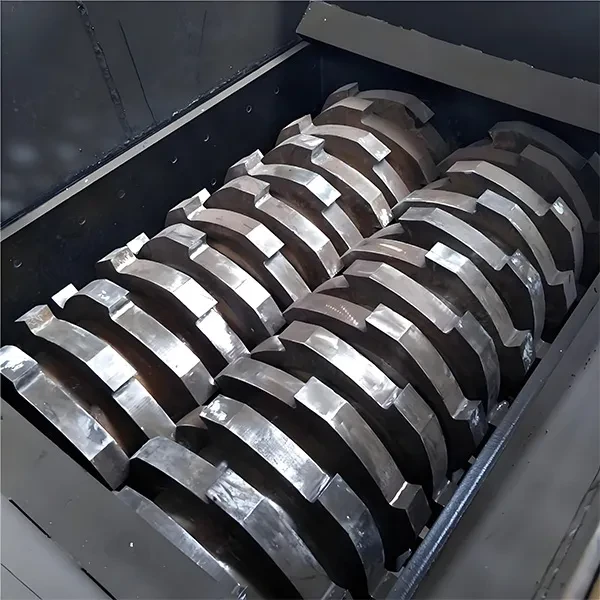
Chicken Cutting Blade: Precision in Every Cut
If you’ve ever worked in food processing or the poultry industry, you know the importance of the humble chicken cutting blade. Despite its simplicity, this tool is crucial for ensuring fast, hygienic, and precise chicken processing — a vital link in a global supply chain feeding billions annually. At its core, understanding the chicken cutting blade means facing challenges in efficiency, safety, and sustainability in meat processing worldwide.
Why pay such close attention to a blade? Because worldwide, poultry accounts for more than 120 million tons of meat production each year, according to FAO statistics. That’s a staggering volume, where blade quality dramatically influences waste reduction, worker safety, and machine downtime. So, getting the blade right saves money, resources, and even lives.
The Global Significance of Chicken Cutting Blades
On a planet increasingly reliant on poultry protein — especially in emerging economies and urban centers — the tools that process chicken become strategically important. The UN has highlighted food safety and sustainable processing as key to feeding the future. A good chicken cutting blade tackles the persistent problem of uneven cuts, contamination risks, and operational inefficiencies.
Among the global poultry industry’s many headaches is optimizing machinery to meet growing demand while maintaining humane and hygienic standards. Chicken cutting blades contribute directly to this puzzle. They can either be a bottleneck or an accelerator — depending on quality, design, and integration with processing equipment.
Mini takeaway:
- Chicken cutting blades are tiny but mighty players in global food security and industrial efficiency.
- Investment in better blades is an investment in safety, sustainability, and economics.
What Exactly Is a Chicken Cutting Blade?
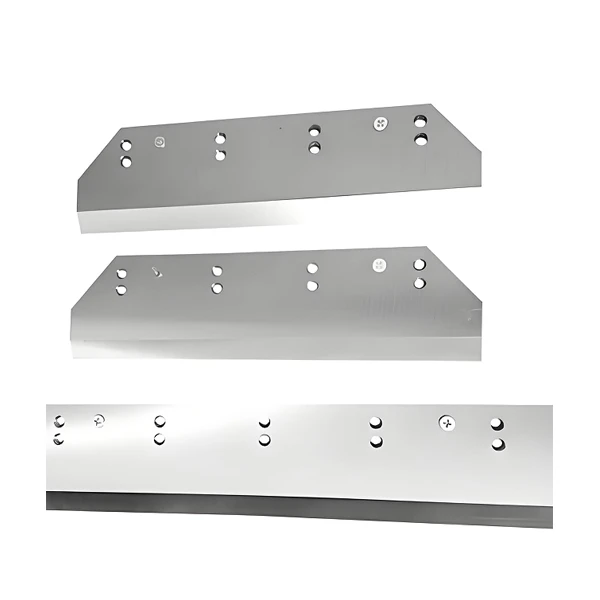
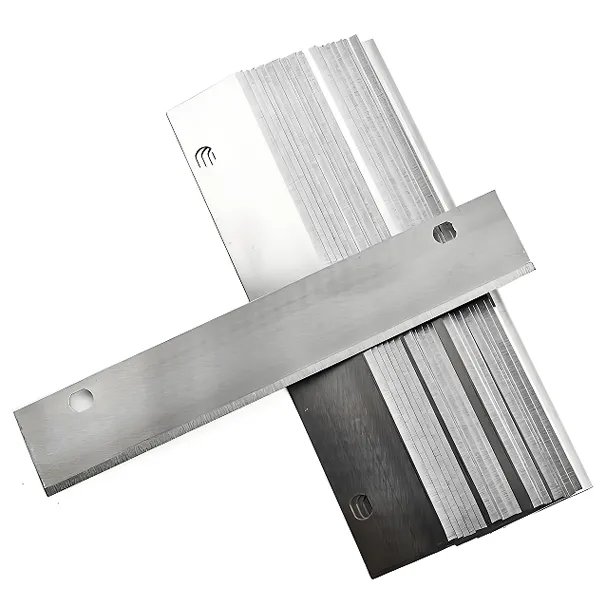
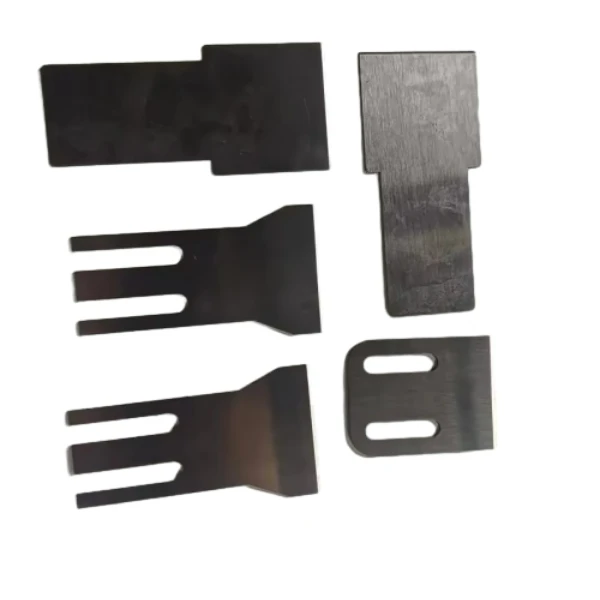
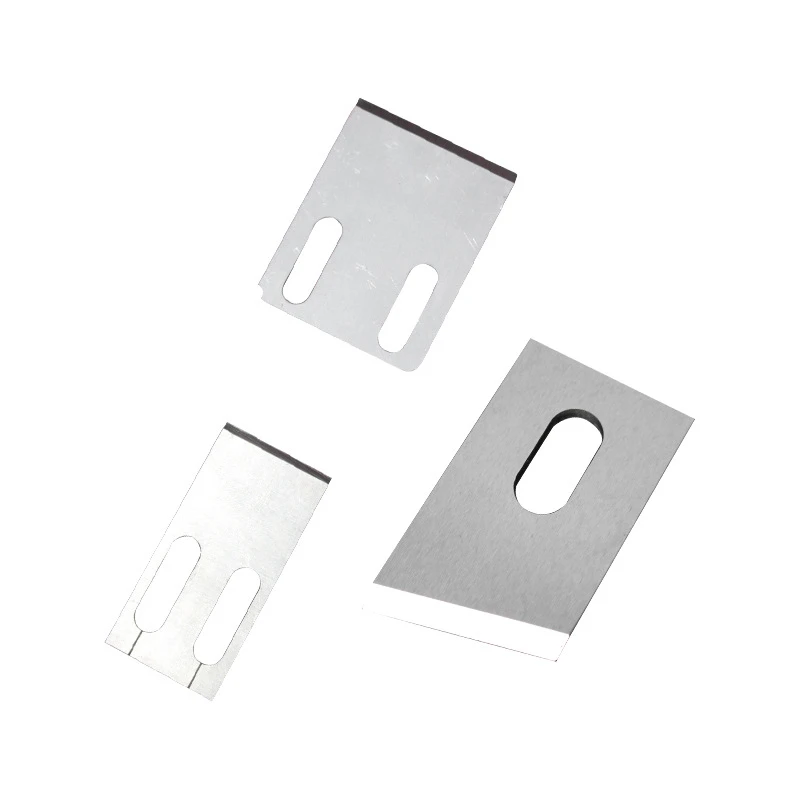
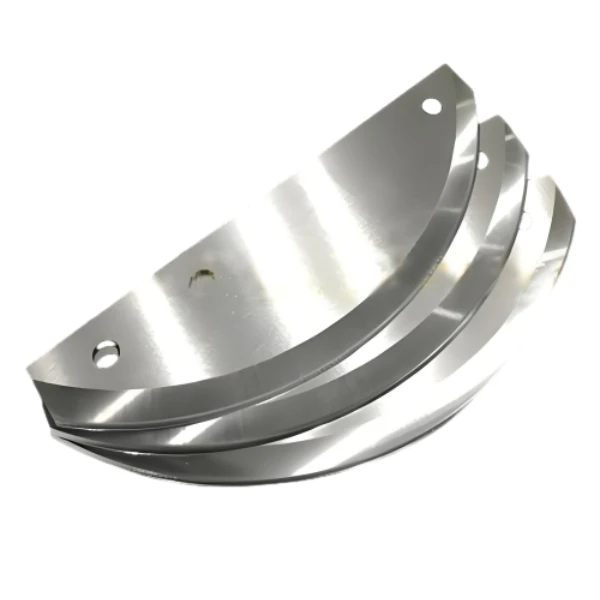
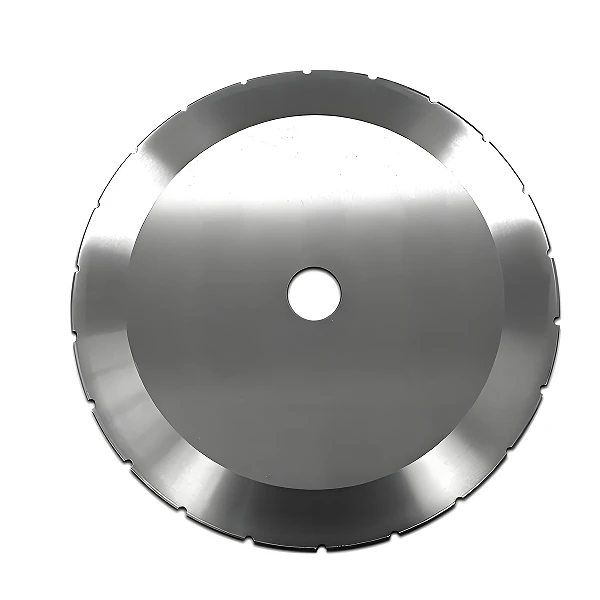
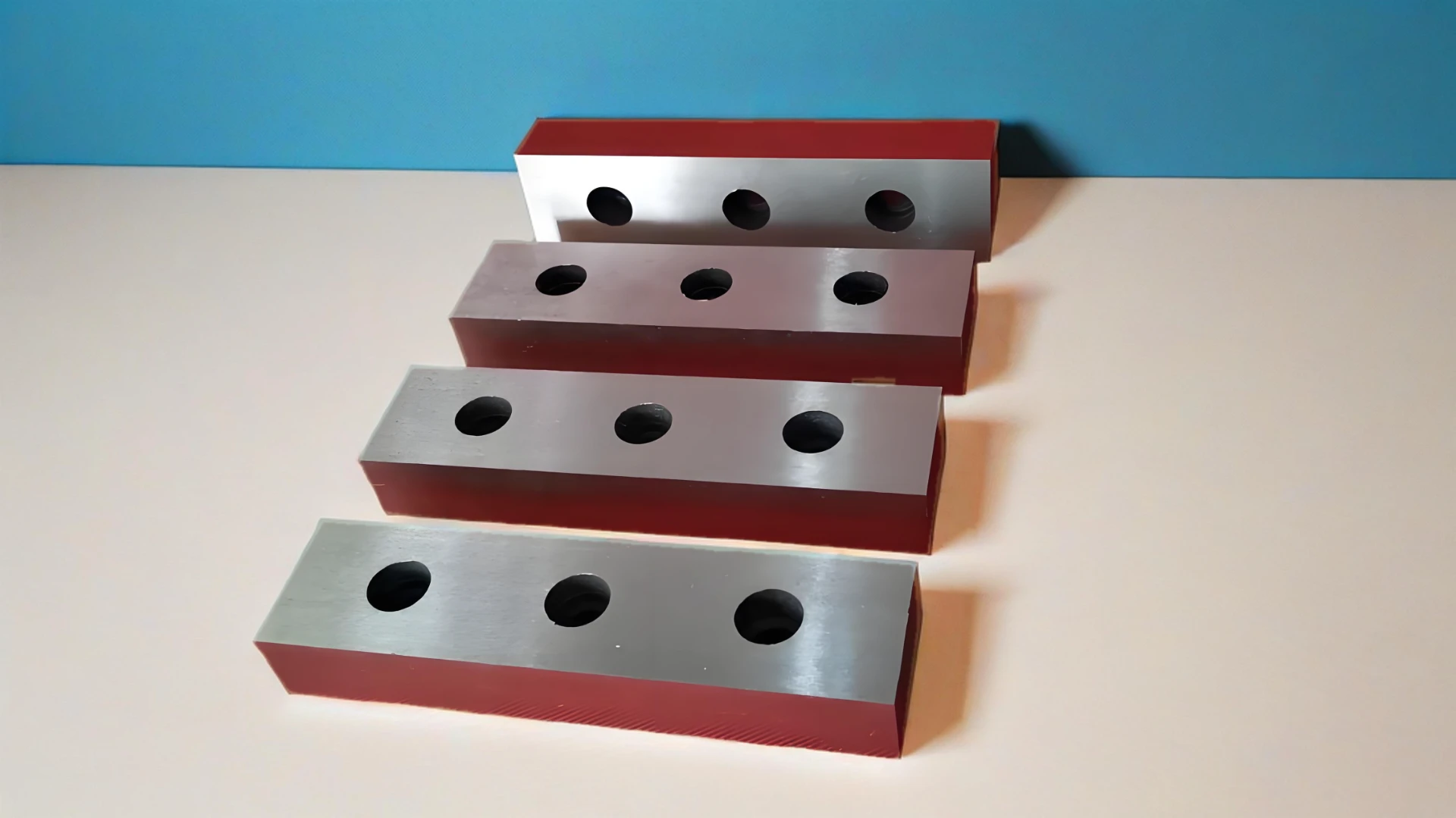
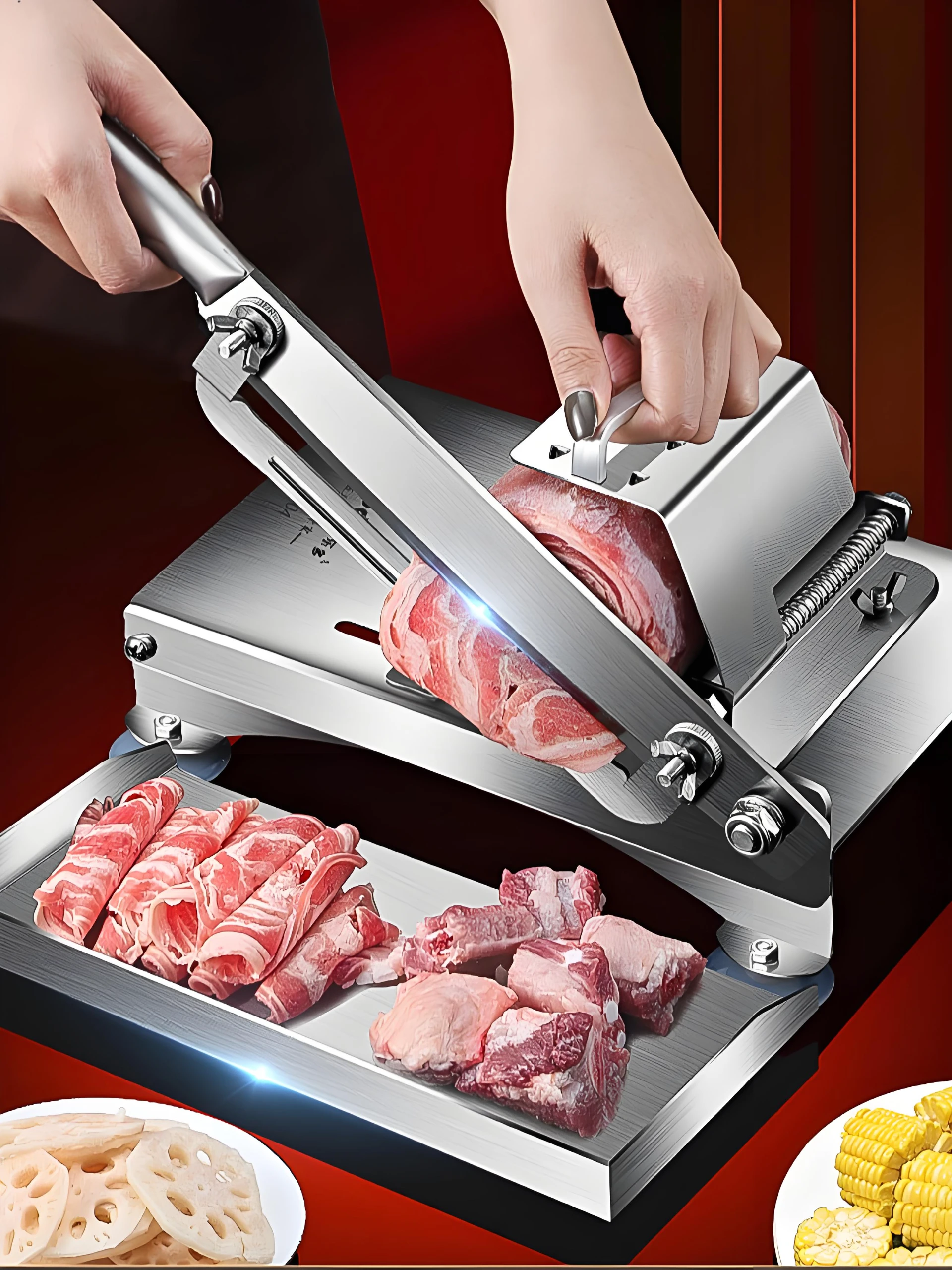
Put simply, a chicken cutting blade is a specialized tool designed to cut poultry carcasses during various stages such as deboning, portioning, and trimming. Unlike standard knives, these blades are engineered to fit automated machinery or handheld devices, crafted from durable metals like stainless steel or advanced alloys to stay sharp longer and reduce corrosion risks.
The blades come in various shapes — circular, straight, serrated — chosen depending on the type of cut and machine compatibility. The connection to modern industry is direct; without these blades, mass poultry production would be chaotic and slow. Humanitarian use, such as emergency food prep scenarios, also rely on portable, sanitation-friendly blades.
Mini takeaway:
- The chicken cutting blade is a minor marvel of engineering, enabling efficiency and hygiene.
- Material and design choices directly affect food safety and operational speed.
Key Factors in Choosing a Chicken Cutting Blade
Durability and Material Quality
You want a blade that resists corrosion from wet environments, slicing harder tissue without dulling fast. Many manufacturers now use food-grade stainless steel with added coatings to lengthen blade life — which saves money over time, even if initial costs seem higher.
Precision and Sharpness
The precision of a blade affects cut cleanliness. Smoother cuts mean less product waste and lower microbial contamination risk. Precision cuts also improve the final product's aesthetics, which matters surprisingly much in consumer markets.
Compatibility with Machinery
Chicken cutting blades must fit the exact specifications of processing machines, which vary widely. Some blades are intended for manual usage, others designed for automated lines. Compatibility ensures ease of replacement and better uptime.
Cost Efficiency
Balancing upfront investment with longevity is a juggling act. Ideally, a blade will be cost-efficient in the long run, factoring in service intervals and reduced downtime.
Ease of Maintenance
Blades that are easy to clean and maintain make compliance with ISO 22000 food safety management much simpler. Cleaning routines are less time-consuming and reduce microbial growth risks.
Design Flexibility
Some suppliers offer customizable blades to optimize performance for specific chicken parts or processing speeds. Flexibility is a competitive edge in modern processing plants.
Mini takeaway:
- Material quality and precision determine blade performance and longevity.
- Fit and maintenance play big roles in overall cost and safety outcomes.
Global Applications & Use Cases of Chicken Cutting Blades
Chicken cutting blades are everywhere poultry is processed — from large industrial plants in the U.S., Brazil, and China to small local operations in Southeast Asia and Africa. Industrial meat processing benefits hugely from automated blades enabling high throughput while maintaining hygiene.
Consider emergency food aid operations where portable cutting blades help NGOs quickly prepare high-protein meals. Or, in regions with limited electricity, manually operated blades become lifesavers for rural butcheries. In all cases, the blade’s role is to maintain speed without sacrificing safety or quality.
For example, a meat processing plant in Poland switched to a new titanium-coated cutting blade and reported a 30% decrease in downtime due to blade changes, improving yearly output — a great example of how small tech upgrades ripple outward.
Mini takeaway:
- Chicken cutting blades serve diverse industrial, humanitarian, and artisanal contexts worldwide.
- Small improvements in blade technology can significantly impact output and hygiene.
Advantages & Long-Term Value of Quality Chicken Cutting Blades
Here’s the gist: investing in premium chicken cutting blades pays off in fewer injuries, less waste, and better product. This isn’t just cold economics — workers feel safer, companies build consumer trust, and less wasted meat means less environmental impact from discarded food.
Socially, this means dignity for workers and quality for consumers. Logically, it makes sense to pick blades that keep machines running smoothly and products safe. In a world increasingly focused on sustainable food chains, having robust cutting tools is an unnoticed foundation.
Chicken Cutting Blade Specifications at a Glance
| Specification | Standard Values | Notes |
|---|---|---|
| Material | Food-grade stainless steel (AISI 304/316) | Corrosion-resistant, FDA approved |
| Blade Thickness | 0.5 – 1.2 mm | Depends on cutting type |
| Diameter (for circular blades) | 100 mm – 250 mm | Varies by machine |
| Coating | Titanium nitride or PTFE | Enhances wear resistance |
| Expected Lifespan | 3-12 months (industrial use) | Depends on usage & maintenance |
Popular Chicken Cutting Blade Vendors Compared
| Vendor | Material Quality | Customization Options | Cost Range | Warranty |
|---|---|---|---|---|
| MechBlades | High-grade stainless steel with coatings | Various sizes and coatings | $$$ | 12 months |
| SharpCut Co. | Good stainless steel | Limited | $$ | 6 months |
| PoultryPro | Standard stainless steel | Basic sizes only | $ | 3 months |
What’s Next? Trends and Innovations on the Horizon
The humble chicken cutting blade is evolving, influenced by the rise of automation and sustainability demands. Newer models are integrating smart sensors to monitor blade sharpness and usage time — a real game-changer for predictive maintenance. Oddly enough, digital transformation isn’t just about robots but also tiny pieces like blades becoming connected “smart” parts.
Materials science is advancing too, with coatings derived from graphene and ceramic composites promising even longer lifespan and hygiene. Meanwhile, green policies encourage manufacturers to minimize waste and embrace recyclable materials.
Challenges & Expert Solutions
No tool is perfect — chicken cutting blades face issues like wear under high-speed use, contamination risk, and difficulty matching blade types to diverse machinery. Solutions? Some engineers recommend modular blade designs for easier swaps, plus more rigorous cleaning protocols following ISO 22000 standards.
Supplier partnerships also boost innovation: companies collaborate with OEMs to custom-tailor blades that fit specific machines, improving uptime and safety. It’s a niche but super-important slice of industrial cooperation.
FAQ: Chicken Cutting Blade Essentials
- Q: How often should chicken cutting blades be replaced in industrial use?
- A: Typically, blades last between 3-12 months depending on the processing volume and maintenance practices. Regular inspections ensure optimal sharpness and safety.
- Q: Can chicken cutting blades be safely sanitized for reuse?
- A: Yes, provided they are made from food-grade materials and cleaned following ISO and FDA guidelines, ensuring no bacterial build-up or corrosion.
- Q: Are custom-sized chicken cutting blades worth the investment?
- A: Absolutely. Tailoring the blade size and shape to your line’s specific requirements minimizes waste and downtime, boosting overall efficiency.
- Q: Can these blades be used with handheld tools as well as automated machines?
- A: Some blades are designed for manual use, but most chicken cutting blades are optimized for machinery. It’s important to select the correct blade type for your equipment.
- Q: Where can I find reliable suppliers for chicken cutting blades?
- Visit specialized vendors like MechBlades offering high-quality options with comprehensive support and warranties.
Wrapping It Up: Why the Chicken Cutting Blade Still Matters
The chicken cutting blade may seem a small player in the world’s food production machinery, but its impact is huge. Choosing the right blade supports safety, efficiency, and sustainability — all pivotal to feeding a growing global population responsibly. If you want to explore some of the best options out there, I suggest checking out MechBlades for their thoughtfully engineered products built to last.
After all, every perfect chicken cut begins with the right blade.
References: