What Are Stainless Steel Meat Cutting Band Saw Blades and Why Do They Matter?
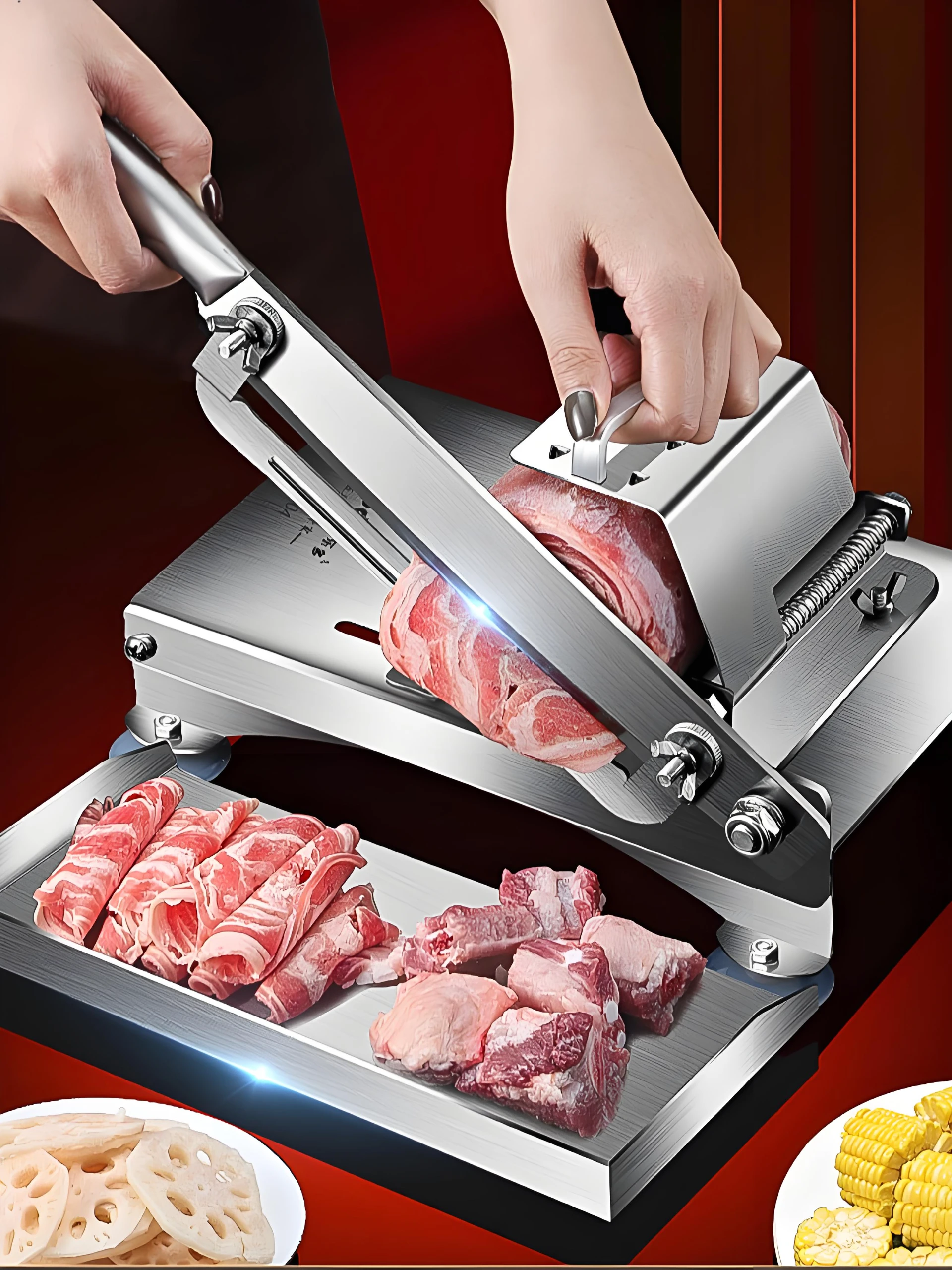
At first glance, you might wonder why a band saw blade would be a topic stirring up industry conversations around the globe. Stainless steel meat cutting band saw blades are a surprisingly critical tool in the fragmented yet vital world of meat processing. From ensuring hygienic, efficient cuts to supporting large-scale food supply chains, these blades aren’t just steel strips with teeth — they’re solutions embedded deeply in global nutrition and industrial hygiene.
In real terms, this translates to a safer and more sustainable meat production process, minimizing waste and boosting yield. Whether it’s a small butcher shop or a sprawling factory processing hundreds of tons of meat daily, these blades are an indispensable part. Understanding the nuances of these blades can mean the difference between food safety success and costly contamination or downtime.
The Global Context: Why Stainless Steel Meat Cutting Band Saw Blades Are Essential
Let’s zoom out a bit. The global meat processing industry is a [massive enterprise](https://www.fas.usda.gov/data/meat-world-MARKETS) — valued in the hundreds of billions of dollars annually. Organizations such as the International Organization for Standardization (ISO) stress hygiene standards that directly impact cutting tools used in food sectors.
According to the World Bank, consistent demand for animal protein in emerging markets drives rapid expansion of meat production. This growth also increases the pressure on processors to maintain hygienic and productive cutting operations, especially in time-sensitive environments. That’s precisely where stainless steel meat cutting band saw blades step in: they combine resilience, corrosion resistance, and precision, tackling the challenges of speed, safety, and food-grade compliance.
Further complicating things, the COVID-19 pandemic highlighted vulnerabilities in meat supply chains worldwide. Many processors scrambled to minimize contamination risks—proper blade hygiene played a quiet but crucial role. The story’s clear: quality cutting blades matter—not just for industry insiders, but for the global population's food security.
Mini takeaway:
- The industry’s growth fuels demand for reliable, sanitary cutting tools
- International standards require hygienic, corrosion-resistant materials
- Efficient blades reduce waste and enhance productivity globally
Defining Stainless Steel Meat Cutting Band Saw Blades
In the simplest terms, stainless steel meat cutting band saw blades are continuous loops of specialized steel, crafted to maintain sharp edges while resisting corrosion and bacterial build-up. Unlike blades meant for wood or metal, these are designed with food safety foremost in mind — using alloys that stand up to aggressive cleaning processes and frequent usage.
It’s not just a tool; it’s a hygienic enabler, helping processors cut through frozen or fresh meat with accuracy. In humanitarian contexts, such stainless steel blades have even been used in mobile meat processing units to aid in food distribution during relief efforts. So their relevance spans from industrial conveyors to life-saving missions.
Key Factors to Consider in Stainless Steel Meat Cutting Band Saw Blades
Durability and Corrosion Resistance
Stainless steel's defining charm here isn’t just sparkle — it’s the robust resistance to rust and chemical wear. Meat processing environments often include moisture, acids, and aggressive sanitizers. Without corrosion resistance, blades dull faster, risking contamination.
Cutting Precision and Tooth Design
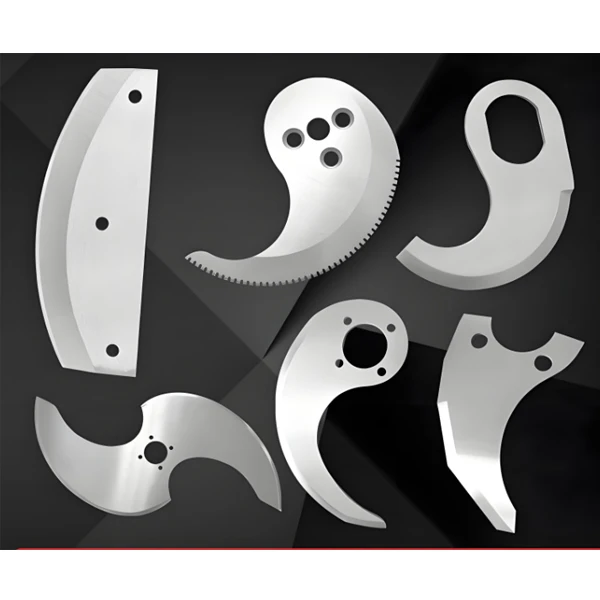
The “tooth geometry” is a surprisingly complex topic. Teeth need to slice through tough connective tissue without tearing or crushing the meat — especially vital for high-quality cuts.
Blade Thickness and Flexibility
Too thick, and the blade struggles with tight contours; too thin, and it may break or vibrate unpredictably. A balanced thickness enables smooth motion on band saw wheels and longer blade life.
Sanitization Compatibility
Blades must endure frequent cleaning cycles at high temperatures with chemicals like chlorine or peracetic acid. Stainless steel alloys like 304 or 316 are standard choices because they handle this harsh routine.
Cost Efficiency and Lifecycle
The upfront cost of premium stainless steel blades might be higher, but when you factor in fewer replacements, less downtime, and better product yield, the ROI is clear.
Mini takeaway:
- Choose corrosion-resistant alloys for longevity
- Match tooth design to meat type and cut style
- Balance thickness for flexibility and durability
- Consider cleaning regimes in material choice
- Long-term savings often outweigh initial costs
Typical Specifications of Stainless Steel Meat Cutting Band Saw Blades
| Specification | Typical Values |
|---|---|
| Material Grade | 304 or 316 Stainless Steel |
| Blade Width | 6 mm to 30 mm |
| Blade Thickness | 0.4 mm – 0.8 mm |
| Tooth Pitch | 4 mm to 12 mm |
| Tooth Style | Hook, Skip Tooth, or Regular Tooth |
| Typical Use | Cutting frozen or fresh meat, bones, and cartilage |
Where Are These Blades Making an Impact Globally?
Across continents, stainless steel meat cutting band saw blades find themselves at the heart of meat processing plants, regional slaughterhouses, and artisan butcheries alike. In North America and Europe, strict food safety laws mandate regular inspection and replacement of blades — meaning industries lean heavily on manufacturers’ quality.
In Asia and Latin America, the rise of packaged meat markets stresses efficient processing while maintaining hygiene. Regions with remote food distribution face challenges of maintaining cutting equipment in sometimes harsh environments; here, durability becomes even more critical.
Notably, international disaster relief organizations have incorporated portable meat cutting units fitted with stainless steel blades to support emergency food preparation efforts, such as in rural areas of sub-Saharan Africa or earthquake-affected zones in Asia.
Mini takeaway:
- Global meat industries rely on hygienic, efficient cutting technology
- Environmental and regulatory demands shape blade choice worldwide
- Humanitarian aid programs also utilize these blades for food security
How Stainless Steel Meat Cutting Band Saw Blades Deliver Long-Term Value
Aside from a shiny exterior, the value is tangible: better yield, cleaner cuts, fewer downtime hours, and happier end consumers. Saving money is great, but safety is priceless. Razor-sharp, corrosion-resistant blades reduce contamination risks and stabilize the supply chain.
There’s a subtle emotional angle too — many processors say they “feel safer” using blades that stand up to chemical washes day in, day out. Trust in your equipment translates to smoother operations, and in a very real way, it honors the dignity of the consumer by delivering safer food.
Looking Ahead: Innovations and Future Trends
The future is heading toward smart, sustainable solutions. Manufacturers are experimenting with coatings that reduce bacterial adhesion beyond what traditional stainless steel offers. Digital sensors that monitor blade tension and wear in real-time? Already happening. Automation in blade changing and sanitation promises less human error and boosting uptime.
Materials science is pushing boundaries too — think micro-alloy blends addressing corrosion and flexibility without sacrificing cutting power. Plus, sustainability considerations mean blades made with recyclable components and manufacturing processes with smaller carbon footprints.
Common Challenges and How to Overcome Them
Oddly enough, despite high-tech designs, users still often face issues like premature blade fatigue, warping from improper tension, or residue buildup affecting hygiene. It’s not just about buying the best blade on paper; installation, maintenance, and operator training count just as much.
Experts recommend regular operator training, investing in supportive tech like tension gauges, and partnering with blades suppliers offering thorough after-sales support. Sometimes, small adjustments in wash-down procedures can extend blade life significantly.
Vendor Comparison: Choosing the Right Stainless Steel Meat Cutting Band Saw Blades Supplier
| Vendor | Blade Variety | Material Grades Offered | Turnaround Time | Support & Warranty |
|---|---|---|---|---|
| MechBlades | Standard & Custom Tooth Patterns | 304, 316, Custom Alloys | 2–3 weeks | 24-month warranty, on-call tech |
| BladeMasters | Limited tooth options | 304 Stainless Steel | 4 weeks | 12-month warranty, email support |
| CutPro Tools | Wide custom options, specialty blades | Multiple Alloys | 1–2 weeks (rush available) | 18-month warranty, phone & chat |
Frequently Asked Questions About Stainless Steel Meat Cutting Band Saw Blades
1. How do I choose the right stainless steel blade for my meat processing needs?
It boils down to your meat type, cutting speed, and hygiene requirements. For tougher cuts or frozen meat, thicker blades with hook teeth might work best. If frequent washdowns are necessary, prioritize 316 stainless steel for its extra corrosion resistance. Consulting with suppliers like stainless steel meat cutting band saw blades makers helps match specifications to your workflow.
2. Can these blades be sharpened, or should I replace them regularly?
Sharpening is possible but depends on blade condition and processing volume. Regular sharpening extends blade life but requires specialized equipment or services. Many processors set replacement routines based on hours of usage and visible wear to balance costs and performance.
3. How resistant are stainless steel meat cutting band saw blades to sanitizers?
High quality stainless steel blades, especially grades 316, handle most common food-grade sanitizers well — including chlorine and peracetic acid—without degrading over many cycles. However, avoiding abrasive chemicals and ensuring proper rinsing helps maintain blade longevity.
4. Are there eco-friendly options for these blades?
New trends lean towards blades manufactured with recyclable stainless steel and eco-conscious production processes. Some vendors also experiment with antibacterial coatings that reduce cleaning chemical needs, enhancing environmental benefits.
5. How can I import these blades if I operate in a remote region?
Many suppliers offer international shipping and custom clearance assistance. It’s wise to check upfront about import duties and look for vendors familiar with your region’s regulations. Partnering with a trusted global supplier can simplify logistics significantly.
Wrapping It Up — Why These Blades Are Future-Proof Essentials
So, stainless steel meat cutting band saw blades may sound like a niche industrial component, but their influence extends from factory floors to fields, even disaster zones. They represent a silent but crucial lever in global food safety, efficiency, and sustainability.
If you’re in the industry, keep an eye on evolving materials, hygiene norms, and automation shaping these blades’ future. And if you want dependable, quality blades crafted for your exact needs, stainless steel meat cutting band saw blades specialists like MechBlades offer a compelling blend of experience and innovation.
After all, in an industry as exacting as meat processing, your blade choice isn’t just a purchase — it’s a commitment to excellence.