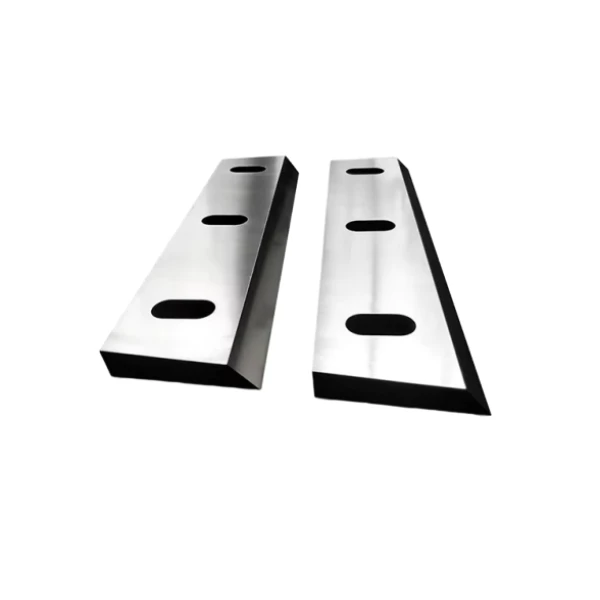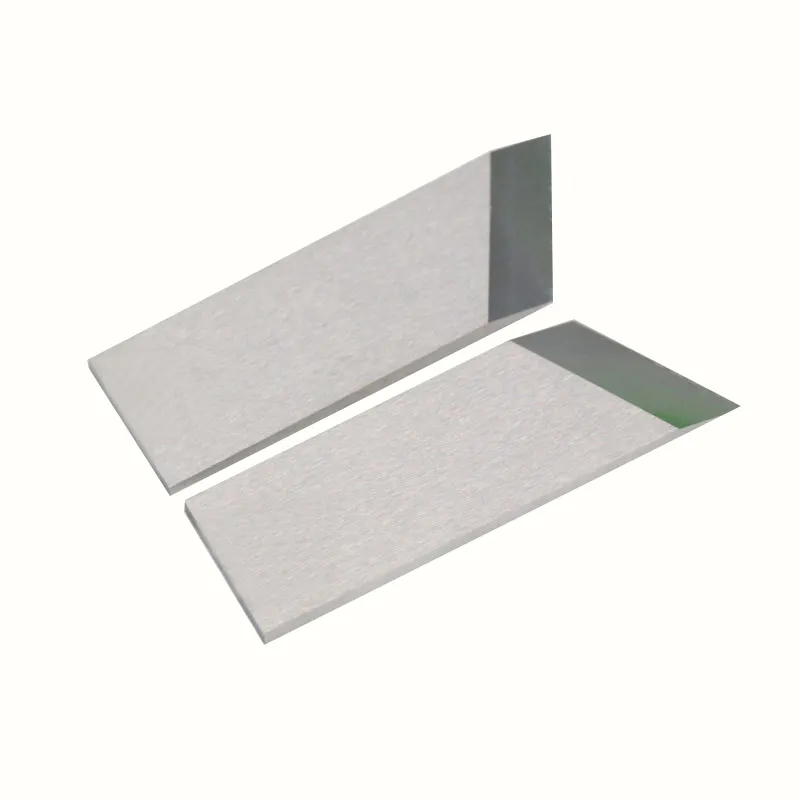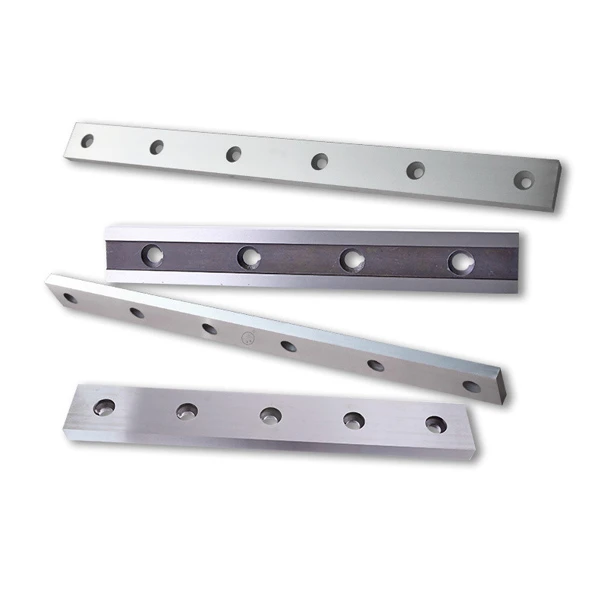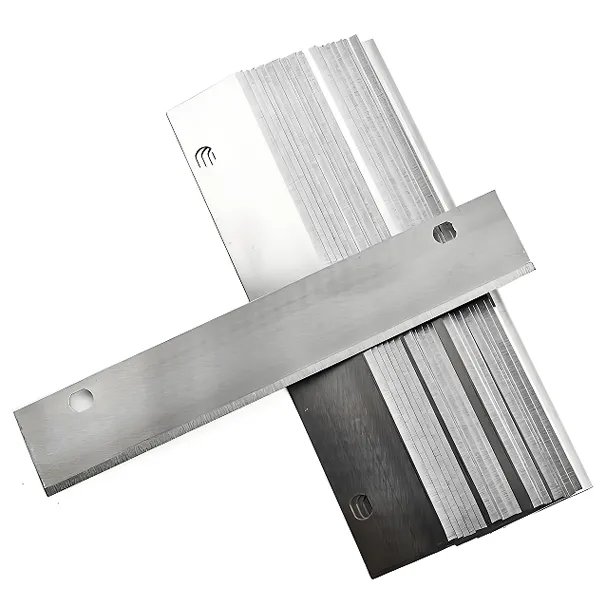
High RPM Metal Cutting Blade: A Veteran's Take
Having spent over a decade in industrial equipment, I’ve seen a fair share of metal cutting tools come and go. But there’s something about high rpm metal cutting blade technology that’s both deceptively simple and wildly complex at the same time. You know, it’s one of those things where the devil really is in the details – speed, material, design, and even the smallest engineering tweaks can make or break performance.
In real terms, these blades need to withstand extreme centrifugal forces, not just the wear of cutting tough metals. I recall a project where we replaced a conventional blade with a high rpm variant—it felt like night and day. The difference wasn’t just in how fast it cut, but how clean, how smooth, and how quickly we finished jobs without overheating or excessive vibration.
The industry trend is moving towards blades made from more abrasion-resistant carbide composites, sometimes coated with titanium nitrate or similar compounds. Frankly, the coatings are worth their weight in gold because they extend blade life and reduce downtime, which everyone values. Also, the better balanced the blade, the less annoying those vibrations are—you don’t want a shaky cut near sensitive equipment.
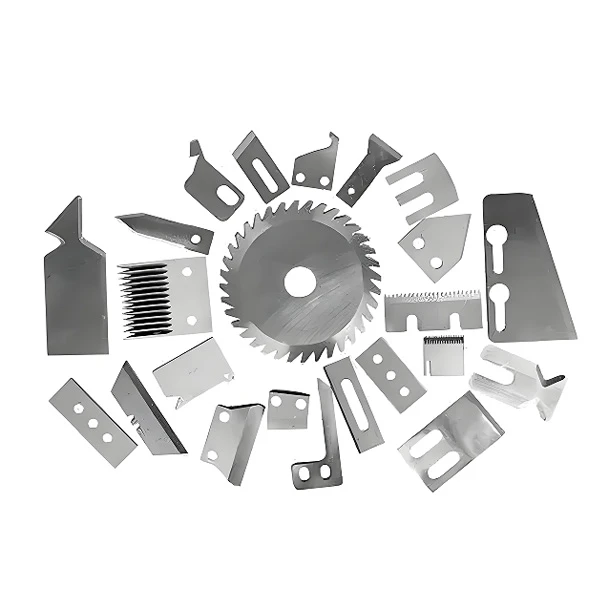
What I noticed, and something many engineers agree on, is that proper testing under real working conditions is crucial. Lab specs look great on paper, but nothing beats seeing how a blade holds up on the factory floor cutting stainless steel sheets at 15,000 rpm or more. It’s the customization of the blade—adjusting tooth geometry, pitch, and gullets—that often separates the pros from the mediocre.
| Specification | Details |
|---|---|
| Diameter | 200-355 mm (8"-14") |
| RPM Range | 10,000 - 25,000 rpm |
| Tooth Material | Tungsten Carbide with TiN Coating |
| Kerf Width | 1.5 - 2.5 mm |
| Blade Thickness | 1.8 - 3.0 mm |
| Max Operating Temperature | 400°C (752°F) |
Oddly enough, I remember one shop floor where downtime was halved by simply switching to a blade that prioritized higher rpm capacity with better balancing, even though its carbide mix was slightly less wear-resistant than others. The gains in speed and precision more than compensated. It’s a reminder that optimizing for your application beats chasing specs blindly.
Let’s talk vendors for a moment. Choosing the right supplier can be just as critical as picking the perfect blade specs. Here’s a quick vendor comparison based on my experience and industry feedback:
| Vendor | Material Quality | Customization Options | Lead Time | Technical Support |
|---|---|---|---|---|
| MechBlades | Premium tungsten carbide with TiN | Extensive customization tailored to metal type & rpm | 2-3 weeks | Dedicated engineering support & testing |
| CutMax | Standard carbide blends | Limited to standard tooth configs | 1-2 weeks | Basic technical support |
| SteelEdge | Good quality carbide, no coating | Some customization, but slower response | 3-4 weeks | Limited, email support only |
I suppose the bottom line is this: if you’re chasing high rpm metal cutting efficiency, don’t overlook the blade design’s synergy with your machine and material. It’s not just about spinning faster; it’s about spinning smarter. And with suppliers like MechBlades offering tailored solutions, it’s tempting to say your next upgrade is already solved.
At the end of the day, blades are a pretty straightforward tool, but getting the “right” one feels like an art. Customization, testing on-site, and ongoing feedback loops—those are what turn a good blade into a game-changer.
A wise engineer once told me, “The blade that hums smoothly, not loudly, is the one that lasts.” I carry that with me every day.
References:
1. Industrial Cutting Tools Handbook, 2022 Edition.
2. “Advances in Carbide Blade Coatings,” Journal of Manufacturing Tech, 2023.
3. Personal interviews with metal cutting operators and engineers, 2015-2024.