Understanding Meat Cutting Band Saw Blades: Why They Matter Worldwide
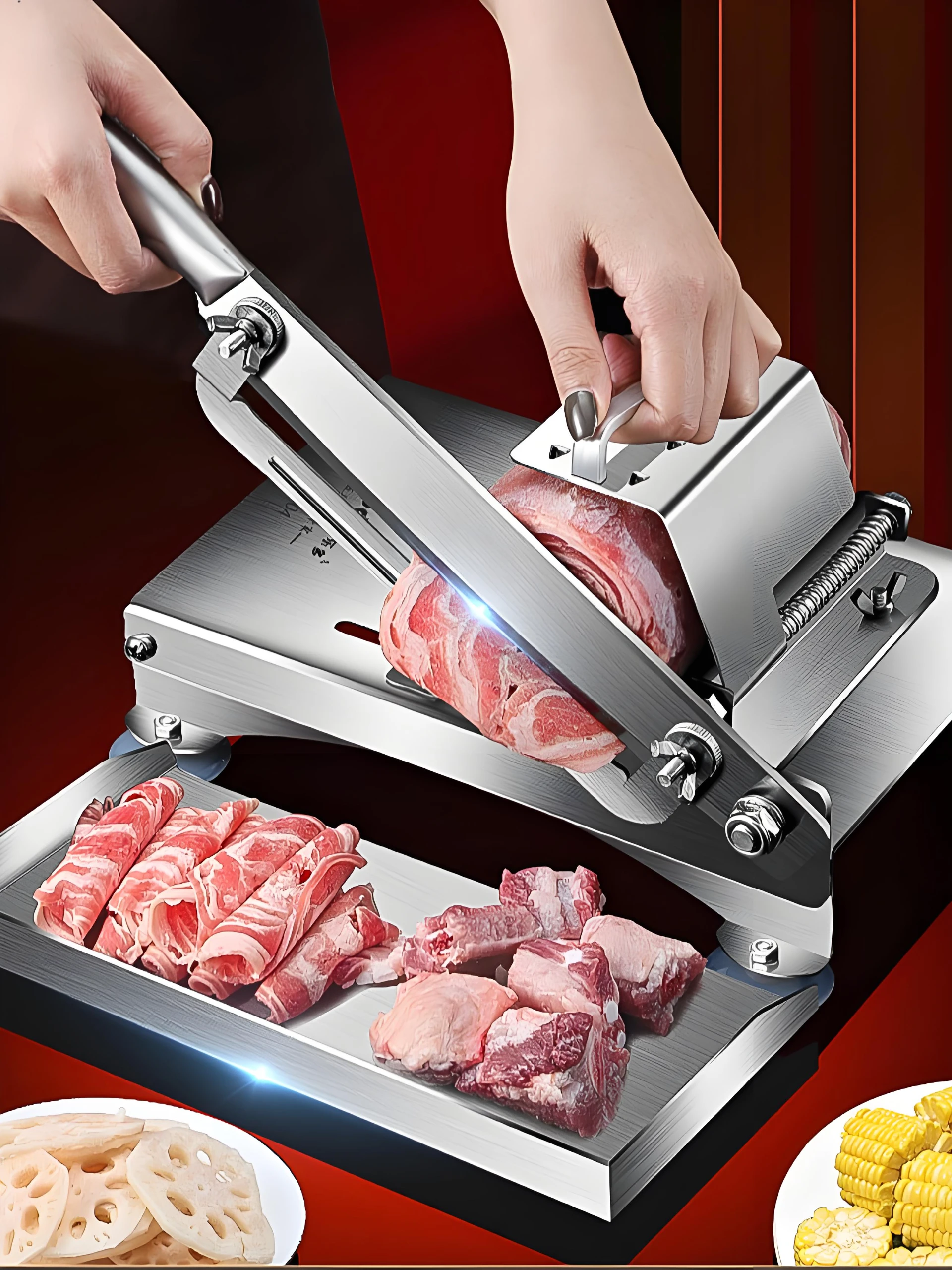
If you’ve ever wandered through a butcher shop or glanced behind the scenes at a meat processing plant, you’ve probably heard the faint hum of a band saw blade slicing through thick cuts. These tools, known as meat cutting band saw blades, aren’t just your average saws. They’re precision-engineered marvels pivotal to the global food supply chain, catering to everything from local butcheries to massive industrial meat processors.
Why do they matter so much? In short—it’s about efficiency, hygiene, and safety. On a broad scale, efficient meat processing translates to less food waste, safe handling, and quicker delivery to consumers worldwide, which is critical in an age where feeding a growing global population gets more challenging by the day. Plus, with increasing demands for higher standards of sanitation and sustainability, the humble meat cutting band saw blade has evolved beyond a basic tool into a crucial component for meeting global food industry standards.
Mini takeaway: Mastering the nuances of meat cutting band saw blades is more than just a technical curiosity; it’s an insight into a tool that keeps global meat production lean, safe, and sustainable.
The Global Context: Why Meat Cutting Band Saw Blades Are Essential Today
Every year, the world slaughters and processes billions of animals for meat, with the FAO estimating global meat production to surpass 340 million metric tons as of recent years. Given that scale, the efficiency of cutting tools like meat band saw blades directly impacts productivity across continents.
Regions like North America and Europe have standardized processes heavily relying on ultra-sharp, rust-resistant blades to maintain strict food safety regulations. Meanwhile, parts of Asia and South America are rapidly scaling their meat processing industries, bringing demand for durable blades that can withstand high volume yet remain precise.
However, one key challenge remains: reducing contamination risk and operational downtime caused by dull or poorly maintained blades. Frankly, mishandling or subpar equipment can mean costly delays or even food safety hazards.
Mini takeaway: With global meat consumption rising, quality meat cutting band saw blades help address challenges in safety and efficiency, enabling meat processors to meet both demand and regulatory standards.
What Exactly Are Meat Cutting Band Saw Blades?
In the simplest terms, meat cutting band saw blades are continuous looped steel strips with sharp teeth designed specifically to slice through meat and bone with ease and precision. Unlike traditional saw blades, these bands maintain constant tension and speed, enabling cleaner cuts and faster processing times.
They’re typically integrated in industrial band saw machines used in slaughterhouses, meat processing plants, and even butcher shops. The blades’ material composition often includes stainless steel alloys for corrosion resistance, and some feature specialized tooth designs to optimize cuts for different meat types.
Interestingly, their role extends beyond commercial meat production. For instance, in humanitarian operations where rapid meat processing is necessary—like disaster relief or remote field kitchens—having reliable meat cutting band saw blades means faster meal preparation and less waste.
Mini takeaway: These blades combine engineering finesse and practical necessity, acting as a linchpin for numerous industries requiring hygienic, efficient meat cutting solutions.
Core Factors to Consider When Choosing Meat Cutting Band Saw Blades
1. Durability
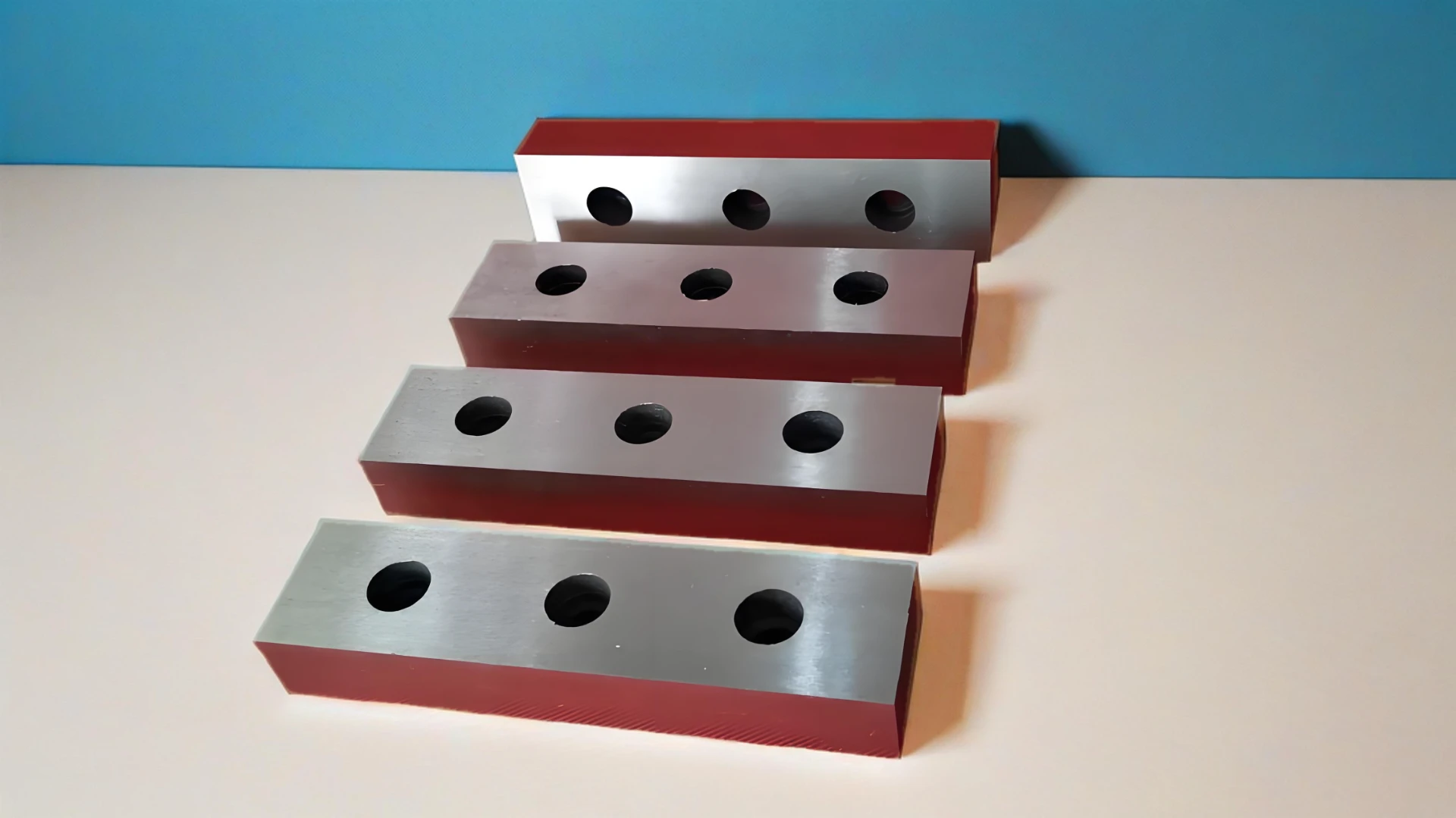
Durability isn’t just about how long a blade lasts but also how well it resists corrosion and metal fatigue. Stainless steel alloys and sometimes tooth hardening treatments ensure the blade withstands repeated cycles without losing sharpness or breaking.
2. Tooth Design and Pitch
The shape and spacing of the teeth affect cutting performance. Finer teeth may work best for tender cuts, while larger teeth handle bone cleanly. Quantity and configuration optimize cut speed and reduce meat tearing.
3. Hygiene Compliance
Since these blades contact raw meat, many are treated or designed to minimize bacterial buildup. Smooth surfaces and corrosion-resistant coatings are key considerations.
4. Compatibility
Blades must match your band saw machine’s size and tension requirements. Oddly enough, trying to force a mismatched blade often leads to breakage or inaccurate cuts.
5. Cost Efficiency
While some blades boast premium materials or coatings, the best blade balances cost with lifespan and cut quality. Many processors note that “cheap” often costs more when factoring replacement frequency and downtime.
6. Scalability
For large operations, having blades that can be quickly swapped or customized according to meat type and cut size improves overall workflow.
Mini takeaway: By keeping an eye on these factors, buyers can choose blades that boost productivity while ensuring meat quality and safety standards.
How Meat Cutting Band Saw Blades Are Used Around the World
From the small-scale butcher in France fine-tuning every slice to giant meat processors in Brazil’ s Amazon region producing for export markets, these blades have incredibly diverse applications. For example:
- Industrial Meat Processing Plants: Continuous operation requires durable blades that maintain sharpness over thousands of cuts daily.
- Butcher Shops and Specialty Meat Retailers: High precision is valued here to showcase premium cuts and reduce waste.
- Disaster Relief and Remote Areas: In emergency kitchens or isolated communities, portable band saw units with reliable blades help prepare large quantities of meat efficiently.
- Food Research & Development: For testing new cuts, blade consistency ensures accurate results.
Across these contexts, meat cutting band saw blades directly influence operational efficiency and meat quality. Industrial zones in Europe and North America typically invest heavily in advanced blades meeting ISO hygiene standards, while other regions sometimes struggle with access to reliable replacements.
Mini takeaway: The versatility and reliability of these blades make them irreplaceable assets in meat processing worldwide, highlighting how something seemingly simple can ripple through complex supply chains.
Typical Specifications of Meat Cutting Band Saw Blades
| Specification | Typical Range/Value | Notes |
|---|---|---|
| Length | 1,000 – 3,000 mm | Varies by machine size |
| Width | 20 – 40 mm | Influences cut thickness |
| Teeth per inch (TPI) | 4 – 10 TPI | Higher TPI for finer cuts |
| Material | Stainless steel alloys (e.g. 13% chromium) | Corrosion resistance essential |
| Tooth form | Hook or modified knife edge | Optimizes slicing efficiency |
Comparing Leading Meat Cutting Band Saw Blade Suppliers
| Vendor | Material Quality | Customization Options | Typical Lead Time | Price Range (USD) |
|---|---|---|---|---|
| BladePro Industrial | High-grade stainless steel | Yes (various tooth profiles) | 2-3 weeks | $70 – $120 |
| SharpEdge Blades | Multi-layer stainless alloys | Limited customization | 1 week | $60 – $90 |
| EcoCut Blades | Recycled steel alloys | Yes (limited to standard sizes) | 3-4 weeks | $50 – $80 |
What Benefits Do Meat Cutting Band Saw Blades Bring Over Time?
The advantages are both tangible and, frankly, understated until you dive into how these blades improve workflows. Here’s what many operators report:
- Cost Savings: High durability means fewer replacements and less production downtime.
- Safety: Precision cuts reduce meat waste and limit dangerous kickbacks or jams in machines.
- Sustainability: Using corrosion-resistant, recyclable materials helps meat plants reduce environmental impact.
- Innovation: Modern tooth profiles mean cleaner cuts, which customers notice in product quality and freshness.
- Trust & Reputation: Reliable blade performance fosters trust with customers and regulators alike.
For workers, there’s also a quiet peace of mind knowing that the tools they use every day are dependable, reducing injuries and making the job smoother.
Mini takeaway: Investing in quality meat cutting band saw blades pays dividends in cost efficiency, safety, and product excellence—winning on every front.
Looking Ahead: Innovations Shaping the Future of Meat Cutting Band Saw Blades
We’re not just talking about sharper blades here. The future is leaning into several exciting trends:
- Advanced Coatings: Anti-microbial and nano-coatings for even better hygiene standards.
- Smart Blades: Sensors embedded to monitor wear or detect contamination potential.
- Eco-friendly Materials: Blades made entirely from recycled alloys or bio-based composites.
- Automation Compatibility: Blades designed for robotic meat cutting machines, improving consistency and safety.
Considering how the food industry is transforming digitally, keeping an eye on blade technology evolution is pretty exciting—almost like watching a traditional tool reinvent itself quietly in the background.
Overcoming Challenges in Utilizing Meat Cutting Band Saw Blades
Nothing’s perfect, right? These blades face some hurdles:
- Wear & Tear: Meat cuts can dull blades quickly; improper maintenance accelerates this.
- Compatibility: Not all blades fit all machines; forcing mismatches risks downtime.
- Cost Pressure: Lower-priced blades tempt some, but they often underperform.
- Supply Chain Issues: Sourcing high-quality blades in remote areas can cause delays.
Experts recommend regular blade inspections, working closely with trusted suppliers — like those listed above — and embracing technological upgrades when possible.
FAQ: Your Meat Cutting Band Saw Blades Questions Answered
Q1: How often should I replace meat cutting band saw blades?
A: Replacement frequency varies depending on usage but typically every 40–60 hours of continuous operation. Watch for dullness, chipping, or rust as signs to swap them out to avoid poor cuts or equipment damage.
Q2: Can I use the same blade for all types of meat?
A: Not ideally. Different meats (with or without bone) require specific tooth designs. For example, blades for poultry often have finer teeth than those cutting beef with bones.
Q3: How can I ensure hygiene compliance with my blades?
A: Choose corrosion-resistant stainless steel blades, clean them regularly with approved agents, and avoid blades with surface defects that harbor bacteria.
Q4: Are custom-sized blades worth the investment?
A: For specialized operations, yes. Custom blades optimize cutting accuracy and minimize waste, especially for unique machines or meat types.
Q5: Where can I find reliable suppliers for meat cutting band saw blades?
A: Established vendors like meat cutting band saw blades supply quality blades and certified products that meet food safety norms.
In Conclusion: Why Investing in Quality Meat Cutting Band Saw Blades Pays Off
When you think about it, the meat cutting band saw blade is a fascinating intersection of industrial engineering, hygiene science, and logistics. It quietly holds together a vast segment of the food production world, ensuring that millions get safe, fresh cuts every day.
From longevity to hygiene to future-ready features — a good meat cutting band saw blade is an investment in efficiency, safety, and sustainability. Whether you’re a small butcher or a global meat processor, finding the right blade changes the game.
Interested in elevating your meat processing standards? Visit https://www.mechblades.com to explore top-quality options that suit your needs.
References: