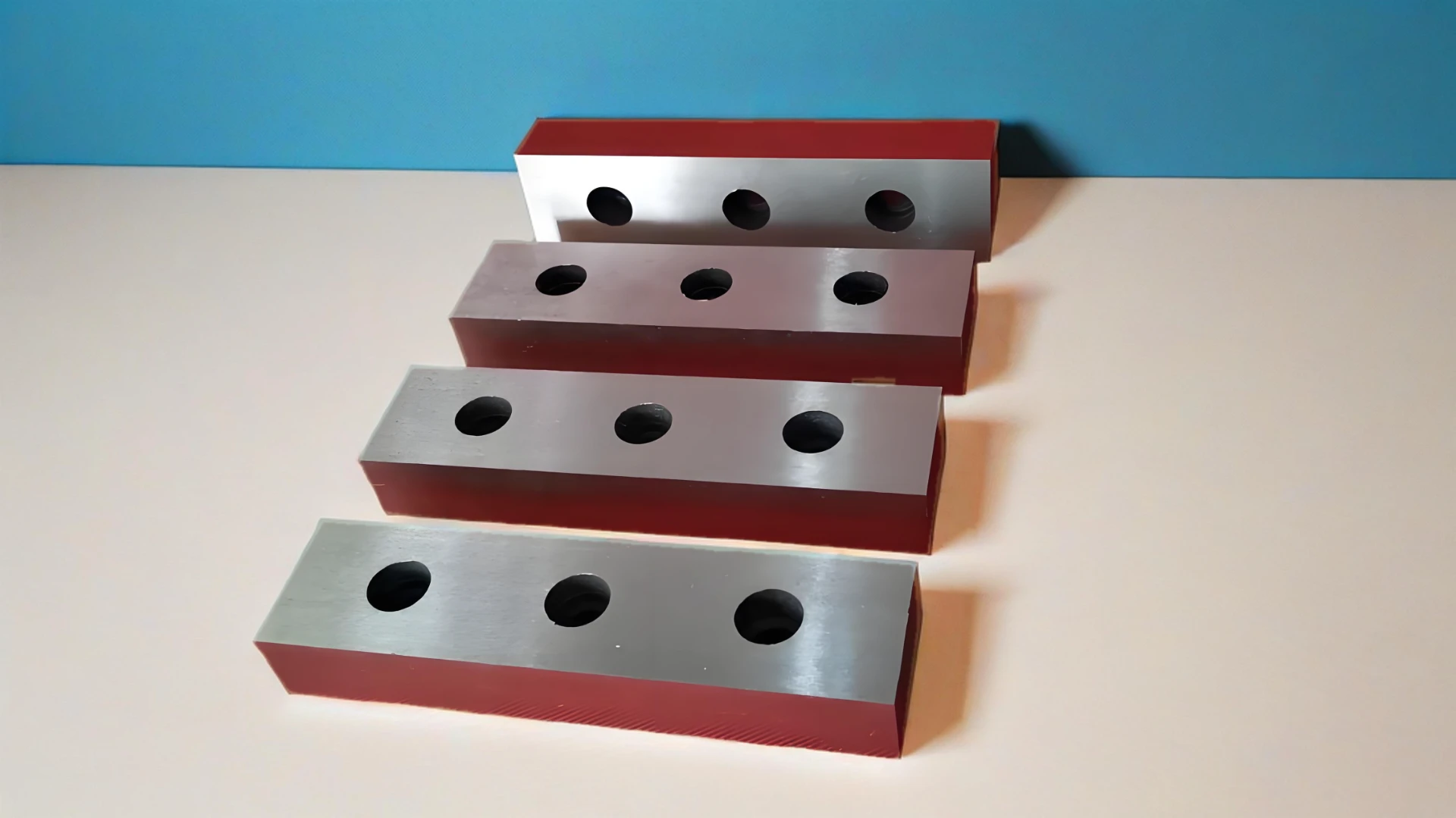
Meat Cutting Saw Blades: Why They Matter Across the Globe
At first glance, meat cutting saw blades might just seem like another piece of industrial equipment tucked away in a processing plant. But scratch the surface, and you’ll find they’re absolutely pivotal to how food, safety, and efficiency come together worldwide. Especially when you consider that the global meat industry is expected to process over 350 million metric tons of meat annually, the precision, durability, and effectiveness of these blades aren’t just operational niceties — they’re mission-critical.
Understanding the ins and outs of meat cutting saw blades has a knock-on effect on global food supply chains, worker safety, and even small-scale butchers who play vital roles in rural economies. It’s a fascinating gear in the machine, and frankly, kind of overlooked.
Global Context: The Role of Meat Cutting Saw Blades in Food Supply
The world’s appetite for meat continues to grow steadily. According to the Food and Agriculture Organization (FAO), global meat production rose by over 20% in the last decade. Yet, meeting this demand efficiently and safely is a tough nut to crack.
Meat cutting saw blades underpin the whole slaughtering and processing ecosystem. The challenge? Ensuring that these blades are sharp enough to reduce time per cut but durable enough to maintain hygiene standards and withstand constant washing and sterilization. Poor blade quality can lead to contamination, which means food safety risks and huge economic losses.
So, we’re looking at an incredibly high-stakes balance. On one hand, there’s workforce safety and quality control. On the other, it’s about keeping pace with a meat market projected by the World Bank to remain a critical protein source for a world population tipped to reach nearly 10 billion by 2050.
What Exactly Are Meat Cutting Saw Blades?
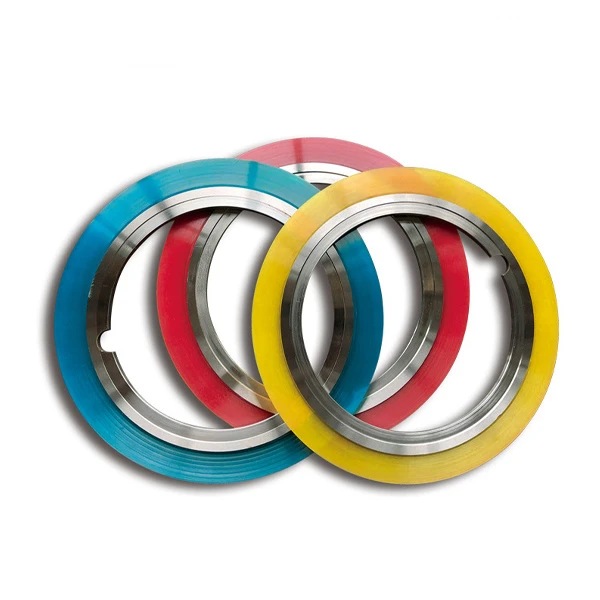
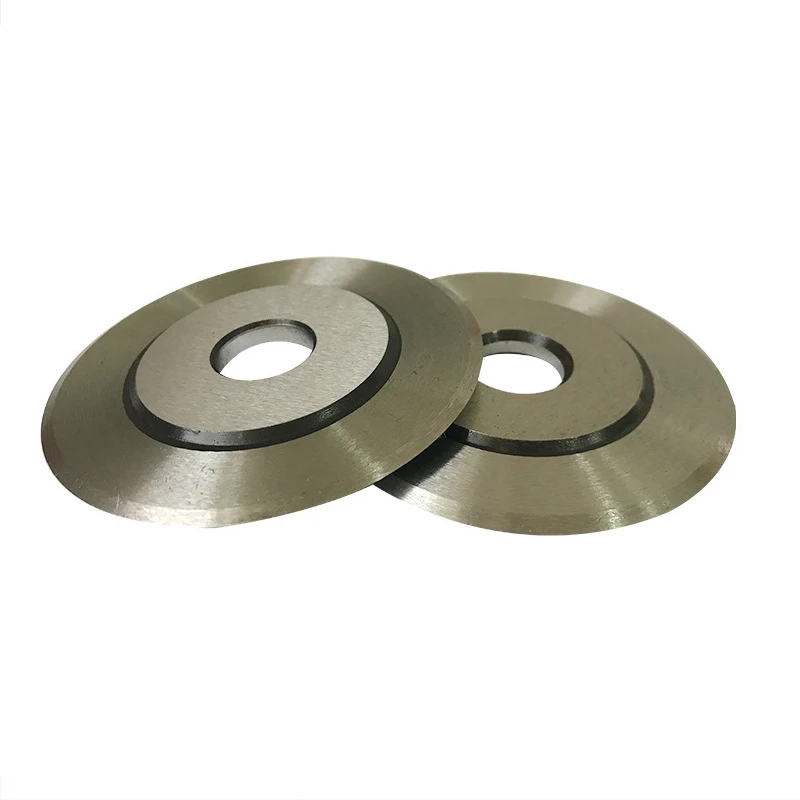
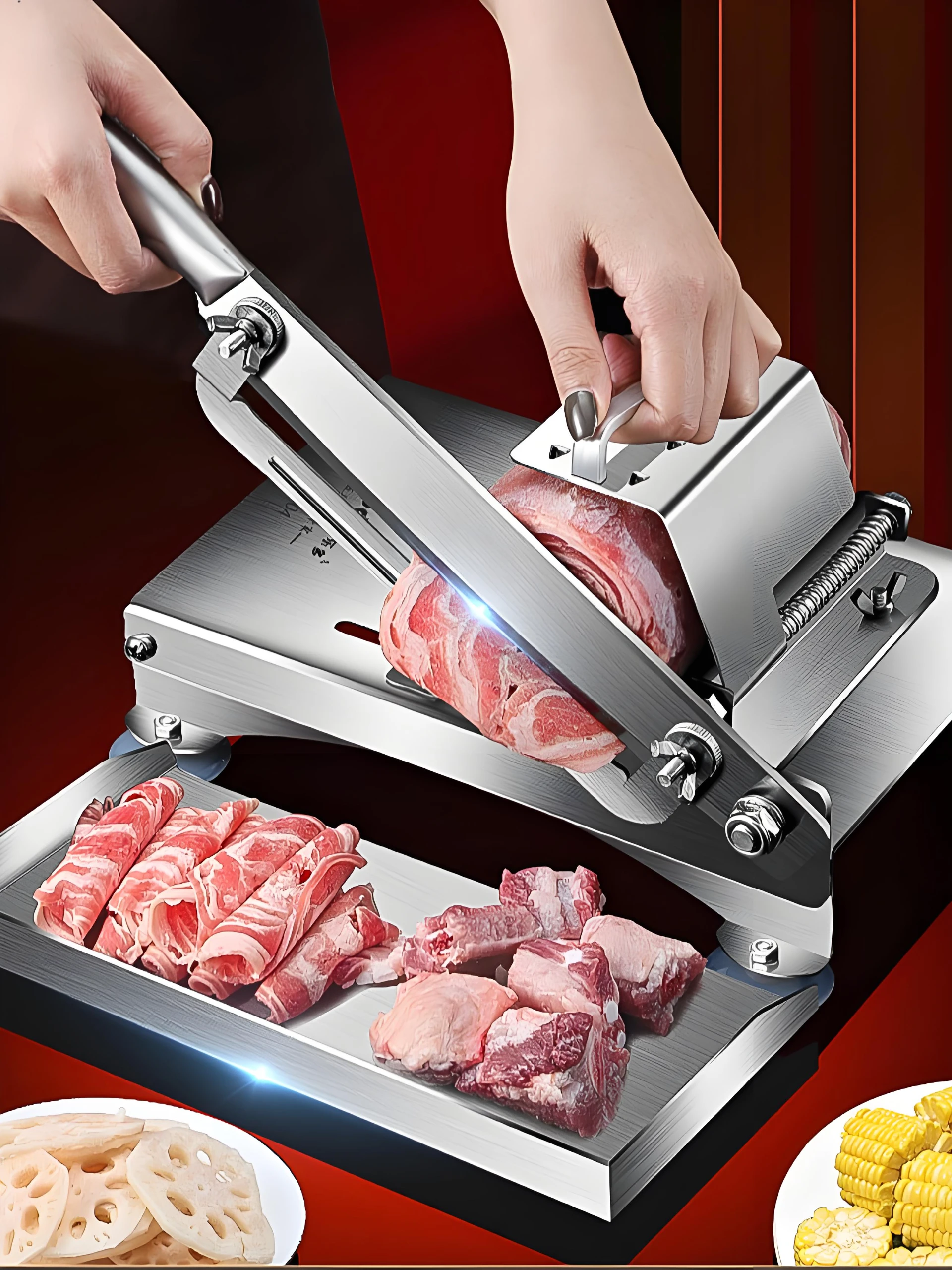
Simply put, meat cutting saw blades are specialized circular or band blades designed for slicing through fresh or frozen meat, including bones. Unlike regular saw blades, they are made from corrosion-resistant stainless steel with finely-tuned tooth patterns to handle soft tissue and hard bone without damaging the product.
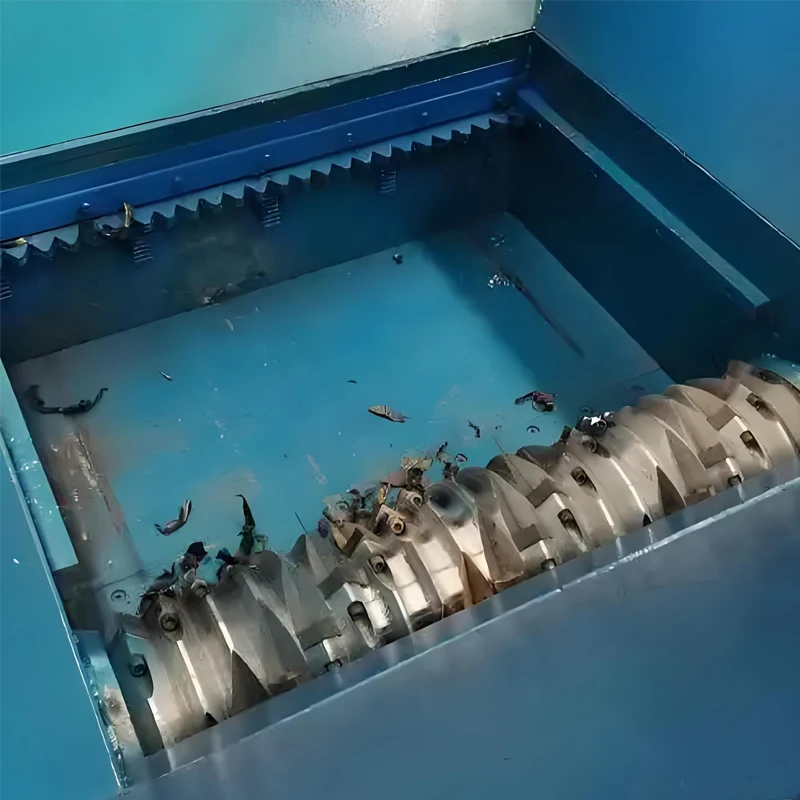
In modern food industry setups, these saw blades are part of high-speed mechanical saws that improve cutting precision and worker safety — think of meat cutting saw blades as the unsung heroes that help transform raw carcasses into packaged consumer products.
Mini takeaway:
- Meat cutting saw blades are essential tools crafted for precision, hygiene, and durability in meat processing.
- They serve a critical role in both global food supply and worker safety.
Core Components That Make These Blades Work So Well
Durability: Stainless Steel & Beyond
Meat cutting saw blades are typically forged or laser-cut from high-grade stainless steel, often with coatings that resist corrosion and bacterial attachment. Durability means less frequent sharpening or replacement, reducing downtime and ensuring steady processing flow.
Tooth Design & Sharpness
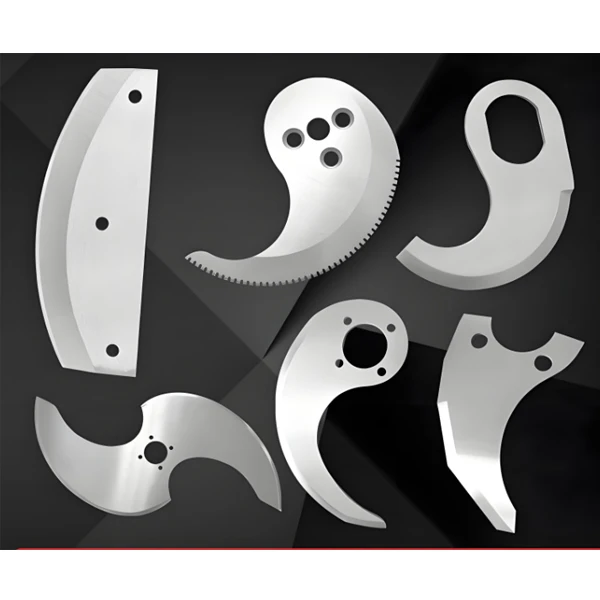
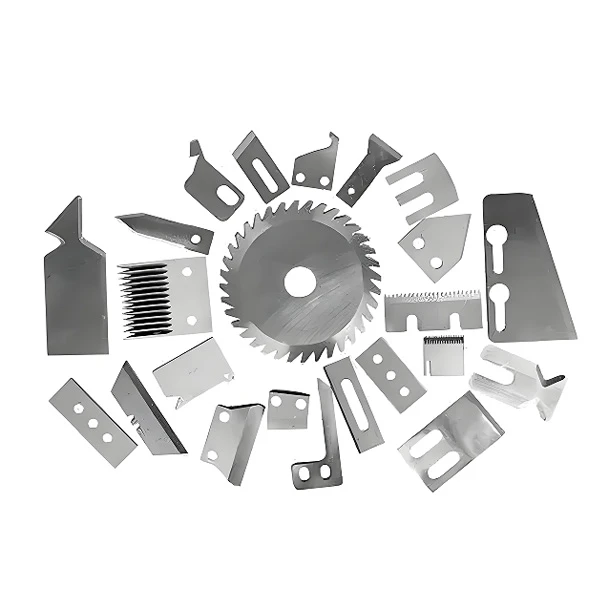
The blade’s tooth configuration — fine teeth for clean cuts or wider, more aggressive teeth for frozen products — directly affects cutting quality. It’s almost an art, balancing between aggressive cutting force and precision.
Hygienic Construction
Blades must withstand rigorous cleaning cycles with hot water, detergents, and sanitizers. Non-porous surfaces and rounded edges help prevent bacterial build-up, meeting strict hygiene standards like those from the ISO 22000 food safety management system.
Compatibility & Scalability
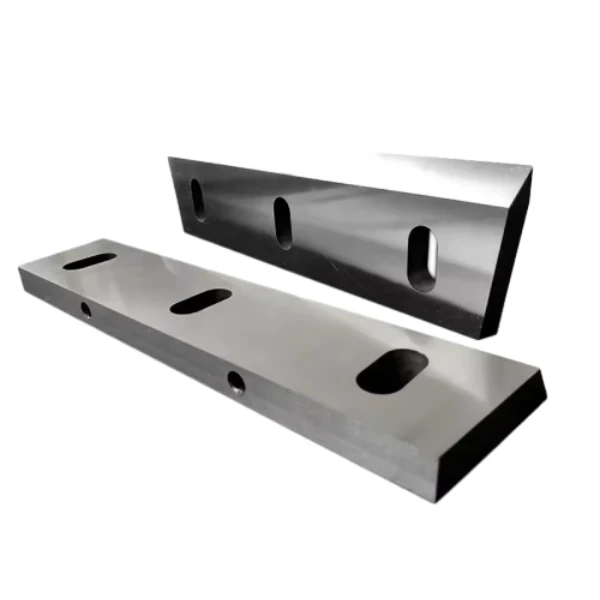
Blades come in various diameters and thicknesses to fit manual, semi-automatic, or fully automated saw systems — allowing operations to scale from artisanal butchers up to industrial meatpackers.
Cost Efficiency
While premium blades come with a higher upfront cost, their longevity and reduced downtime almost always offset expenses. Many suppliers offer blade sharpening services, stretching the lifespan further.
Mini takeaway:
- Material quality, tooth design, and hygienic build define a blade’s efficiency.
- Scalability and cost are critical for real-world application across small and large operations.
Where Meat Cutting Saw Blades Are Making A Difference
From the largest meat processing plants in the United States to small rural slaughterhouses in Southeast Asia, meat cutting saw blades find uses everywhere.
- Industrial Food Processing: Automated lines use specific blades tailored for different product lines — pork, beef, poultry, or specialty game meats.
- Emergency Relief Operations: In post-disaster zones where food supplies are rapidly scaled, portable saw units with durable blades help NGOs prepare fresh meat safely.
- Remote & Small Scale Butchers: Portable saws fitted with optimized blades enable efficient meat preparation in areas where refrigeration or infrastructure is limited.
- Sustainability-Focused Producers: Some farms experimenting with circular farming adopt blades designed to handle diverse meat types, improving waste reduction.
Oddly enough, the global distribution of these blades maps closely to economic development and the degree of mechanization in local food industries, often acting as a barometer for progress.
Product Specification Table: Typical Meat Cutting Saw Blades
| Specification | Details |
|---|---|
| Material | High Grade Stainless Steel (SUS420 / SUS304) |
| Diameter Range | 200 mm to 600 mm |
| Tooth Pitch | 0.5 mm to 2.0 mm (depending on meat/frozen type) |
| Coating | Anti-corrosion and anti-bacterial treatment |
| Compatibility | Fits manual and automatic saw units |
| Typical Lifespan | 3–6 months under industrial use (with sharpening) |
Comparing Top Meat Cutting Saw Blade Vendors
| Vendor | Material Quality | Cost Range (USD) | Sharpening Service | Customization Options |
|---|---|---|---|---|
| MechBlades Co. | SUS420 Stainless Steel | $120 - $200 | Yes (Free within warranty) | Diameter, Tooth Pitch & Coating |
| BladePro Inc. | SUS304 Stainless Steel | $100 - $180 | Paid Service | Tooth Pitch Adjustment |
| CutRight Solutions | Composite Stainless + Ceramic Coating | $150 - $250 | Yes (Paid) | Full Custom Blade Shape |
Why Invest in Quality Meat Cutting Saw Blades?
When you step back and look at it, the advantages of investing in high-quality saw blades aren’t just about the neatness of a cut. Sure, sharper, more precise blades reduce waste — but they also reduce injuries. And in a global meat industry frequently scrutinized for worker safety, that can’t be overstated.
On sustainability, better blades mean fewer replacements and less metal waste over time. Logically, that’s a win for budget-conscious firms and environmentally aware operators alike.
There’s something human too about a tool you can trust: sharp yet safe, tough yet clean — these blades help maintain dignity in the butcher’s craft, keeping the entire supply chain dependable.
Mini takeaway:
- Sharper blades cut costs through reduced waste and downtime.
- Durable blades support sustainability and worker safety.
- Trustworthy tools have a profound social impact in food industries.
Emerging Innovations in Meat Cutting Saw Blades
Innovation marches on, as it always does. Today, there’s research into blades that use antimicrobial coatings to slash contamination risk, and lighter alloys to minimize worker fatigue. Add to that automated blade condition sensors — where smart saws stop operation to avoid accidents — and you glimpse the future.
Another trend is the push towards green manufacturing processes and recyclable blade materials, easing their environmental footprint even further.
All combined, it’s a quietly revolutionary area in food processing technology — one that often doesn’t get the fanfare it deserves.
Common Challenges and Practical Solutions
Still, no tool is perfect. One common issue is blade dulling caused by frozen bone cutting, leading to frequent replacement cycles. Many operators combat this by rotating blades in shifts or employing on-site sharpening.
Compatibility woes sometimes arise with non-standard saw units — though vendors now offer customizable blades or adapter kits to help.
Lastly, cost can be a barrier for smaller butchers — many trade organizations now provide bulk sourcing discounts or leasing options, which makes top-tier blades accessible.
FAQs: Practical Answers on Meat Cutting Saw Blades
Q1: How often should I sharpen my meat cutting saw blades?
A: Under heavy industrial use, sharpening every 2-3 weeks or after 40-60 hours of cutting is typical to maintain sharpness and prevent contamination. Some premium blades offer longer intervals, but regular inspection is key.
Q2: Can these blades cut frozen meat bones?
A: Yes, but blades designed specifically for frozen meat feature wider teeth and tougher steel alloys. Using the wrong blade on frozen bones can dull it quickly or cause damage.
Q3: Are there hygiene certifications required for meat cutting saw blades?
A: While blades themselves don't get certifications, they must comply with hygiene protocols under standards like ISO 22000 and local food safety laws ensuring materials and coatings resist bacterial growth.
Q4: What size blade is best for small-scale butchers?
A: Usually, blades around 200-300 mm diameter are favored for hand saws or portable units. They balance cutting capability with safer handling.
Q5: How can I find replacement blades compatible with my saw machine?
A: Most manufacturers provide detailed specs to match blade diameter, tooth pitch, and bore size. It’s best to consult with your saw’s supplier or trusted blade vendors like meat cutting saw blades providers.
In Closing: A Cut Above the Rest
So, why dwell on something as seemingly simple as meat cutting saw blades? Because these tools slice through much more than meat. They're a bridge to safer workplaces, smarter food systems, and sustainable futures. Whether you run an industrial facility, a modest butcher shop, or coordinate emergency food relief, choosing the right blade makes a lasting difference.
Curious to see what top-quality blades look like or want to explore options that fit your operation? Visit our website and take the first step toward sharper, safer, and smarter meat processing.
References:
1. FAO Statistical Database: www.fao.org
2. ISO 22000 Food Safety Management: www.iso.org
3. World Bank Agriculture Overview: www.worldbank.org