The Unsung Hero of Food Processing: Understanding the Meat Mincer Machine Blade
When you think about the large-scale meat processing industry, chances are you imagine giant machines, bustling factories — but at the heart of this mechanical dance lies a simple, yet indispensable component: the meat mincer machine blade. Globally, as populations rise and urbanization intensifies, efficient meat processing isn't just a convenience; it’s critical for food security and safety. Understanding this small but mighty component sheds light on how industries improve yield, hygiene, and product quality worldwide.
Why the Meat Mincer Machine Blade Matters Globally
According to UN Food and Agriculture Organization (FAO) data, global meat consumption increased by over 20% in the last decade alone. Processing this volume calls for reliable, efficient tools that ensure consistent grinding and prepping. The meat mincer machine blade addresses this by enabling faster, safer breakdown of meat tissues, facilitating both industrial production and local food processing in developing areas.
However, challenges like blade dulling, contamination risks, and variability in meat texture can affect output quality. Improving blade design and material has emerged as a priority in meeting these evolving industry demands.
What Exactly is a Meat Mincer Machine Blade?
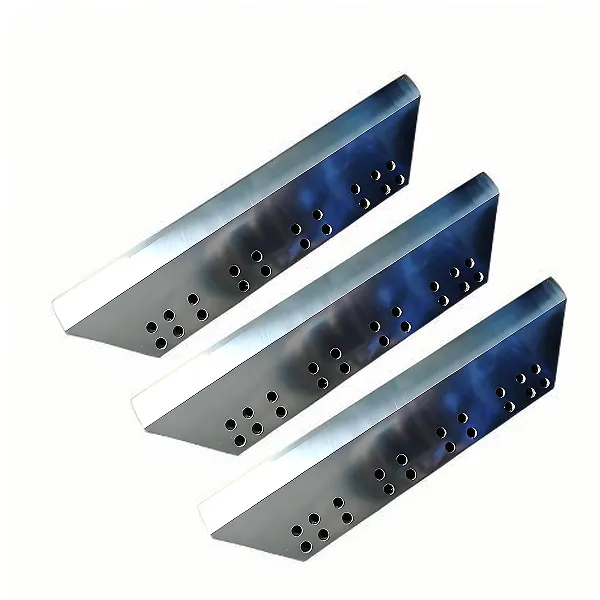
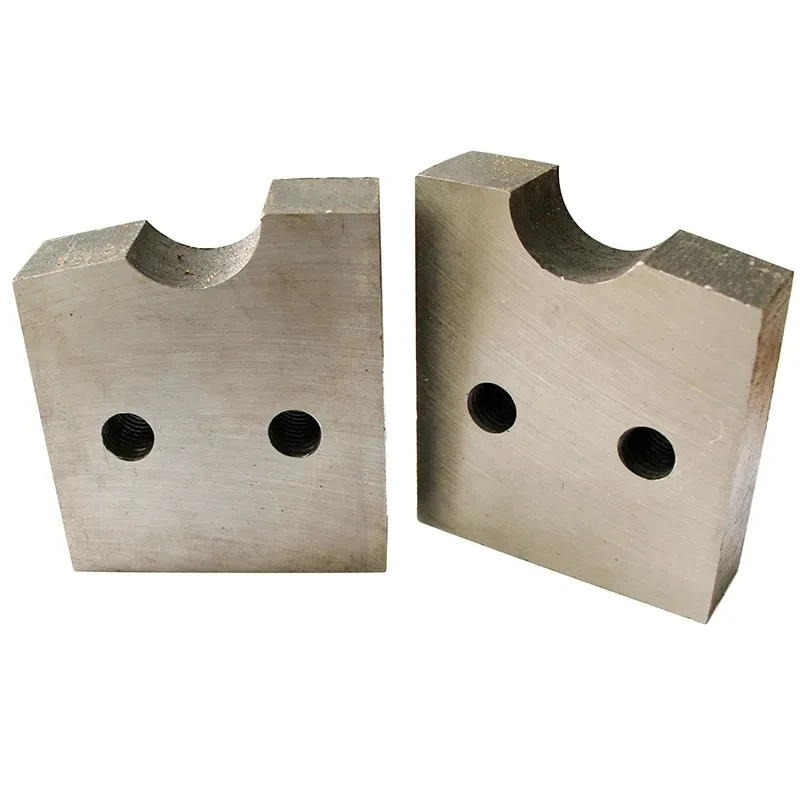
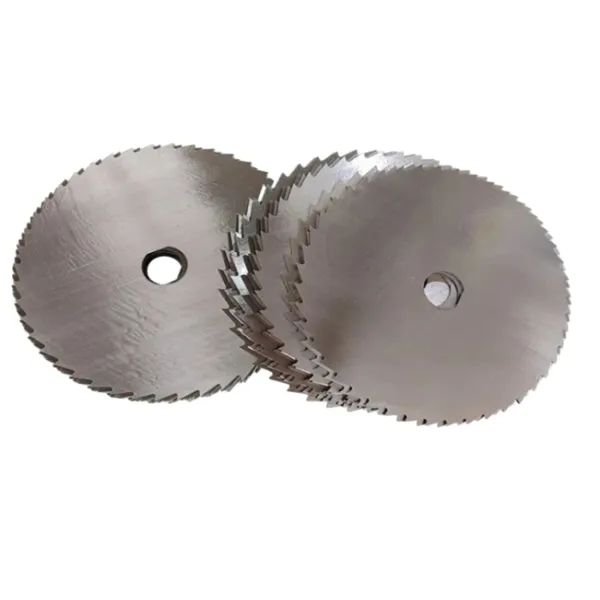
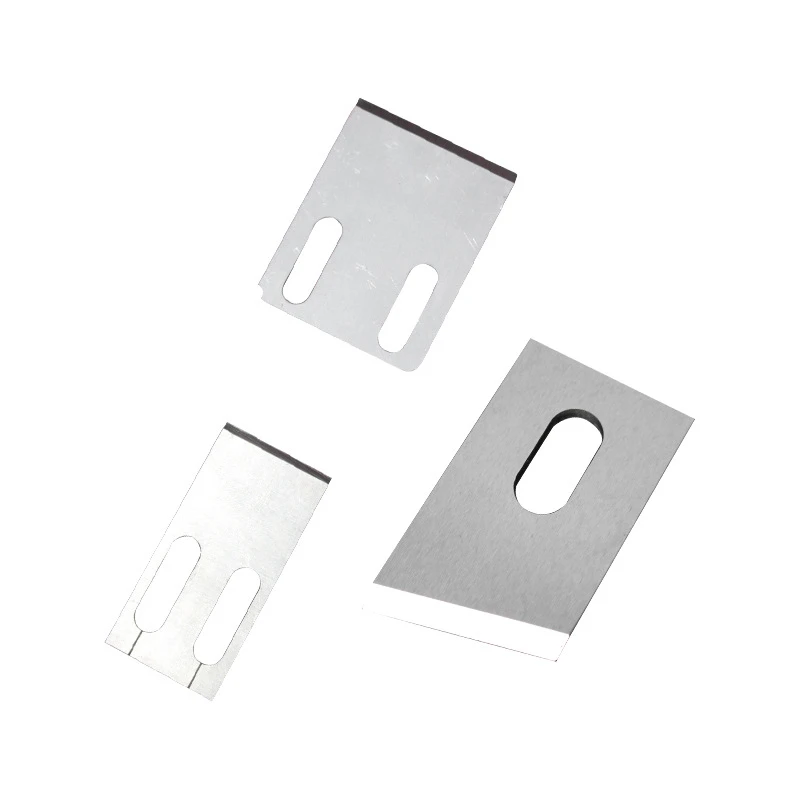
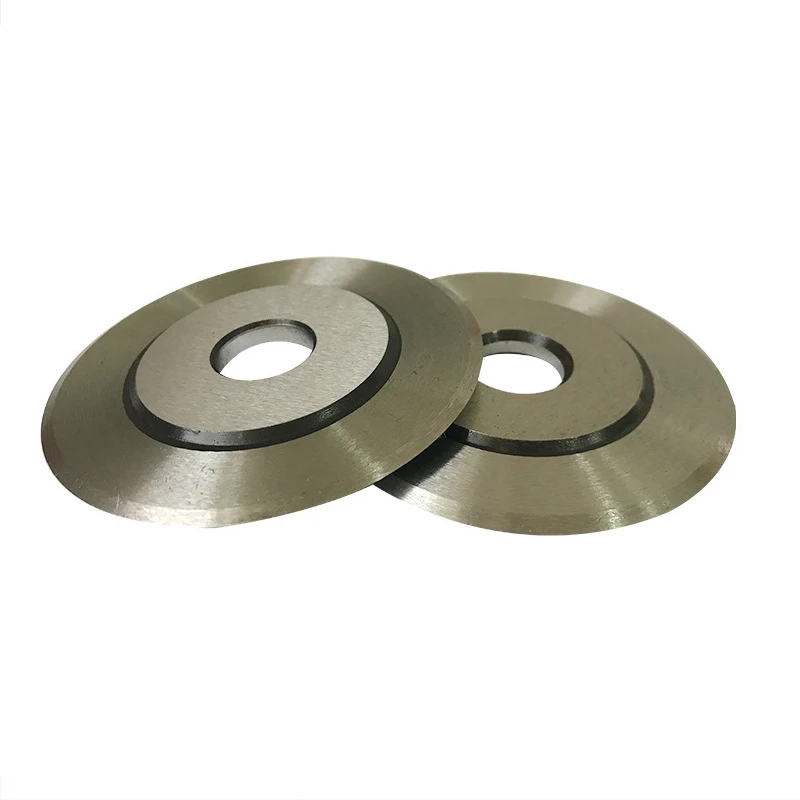
Simply put, a meat mincer machine blade is the rotating cutting element inside a meat grinder or mincer. It works similarly to a razor-sharp chisel, slicing through chunks of meat as it spins against a fixed perforated plate. This action breaks the meat into smaller, uniform particles — vital for products like sausages, ground beef, or pet food.
On a deeper level, these blades are often stainless steel alloys engineered for resilience, food safety compliance (e.g., ISO 9001 standards), and precision cutting. In industrial and humanitarian contexts alike, they enable mass production of safe, consumable meat with minimal waste.
Key Factors Defining Meat Mincer Machine Blades
Durability and Material Quality
One of the first things to consider is the metal composition. High-grade stainless steel, often hardened or coated, resists corrosion and withstands rigorous daily operation. Longevity here directly affects maintenance schedules and production halts.
Sharpness and Cutting Geometry
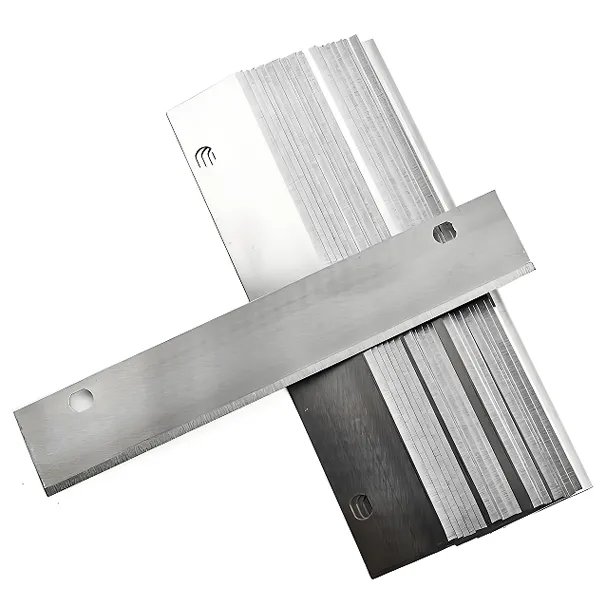
Engineers spend quite a bit of time optimizing blade shape — whether straight, beveled, or serrated edges. This influences how cleanly the meat is cut, reducing fiber damage and minimizing heat buildup, which in turn preserves meat quality.
Compatibility and Scalability
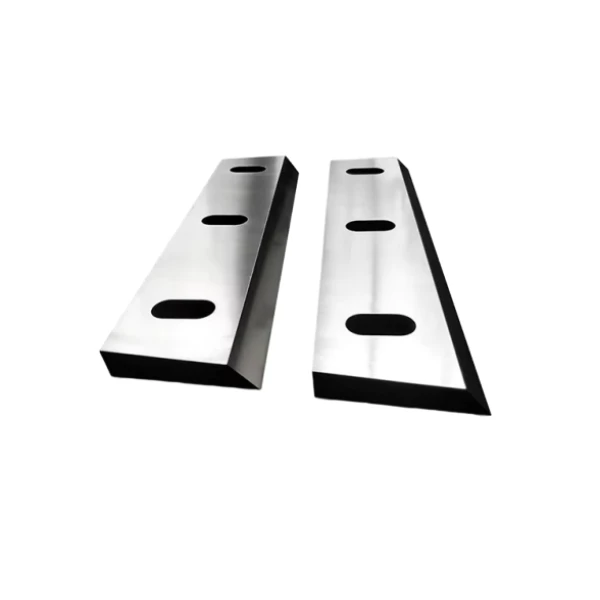
Machine blades must fit a range of mincers, from small tabletop models to giant industrial grinders. Flexibility in design lowers replacement costs and supports scalability from local butcher shops to multinational plants.
Sanitation and Food Safety
Blades with smooth finishes and non-porous surfaces help prevent bacterial growth. The easier they are to disassemble and clean, the better for meeting stringent hygiene standards, particularly in export-oriented industries.
Cost Efficiency
A blade might be pricier upfront but extend machine life and reduce downtime. Economically, investing in a quality blade pays dividends — a lesson every factory floor manager likely knows well.
| Feature | Specification | Notes |
|---|---|---|
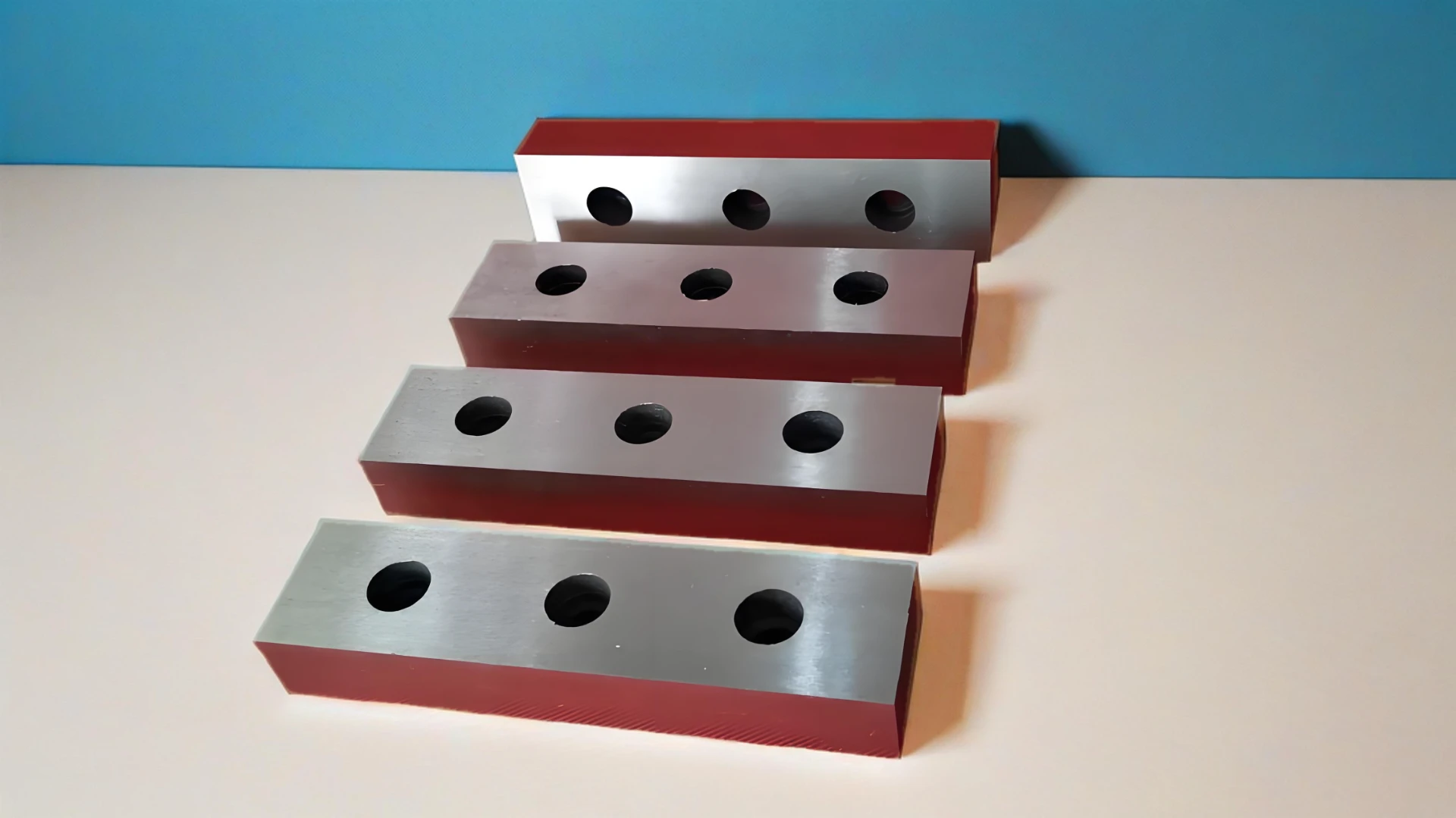
| Material | Hardened Stainless Steel (AISI 420/440C) | Corrosion-resistant, food-grade |
| Blade Thickness | 2.5 – 4 mm | Balances sharpness and strength |
| Diameter | 50 – 150 mm | Varies by machine type |
| Edge Design | Straight or Serrated | Optimizes cutting for different meat textures |
| Coating | Optional Teflon or ceramic | Reduces sticking and wear |
Mini takeaway: Meat mincer blades are more than simple tools. Their design and material makeup directly affect product quality, hygiene, and machine reliability.
Where Are These Blades Actually Used? A Global Snapshot
The usage of meat mincer machine blades spans from huge industrial meat plants in North America and Europe to small artisan butcheries across Asia and Africa. Oddly enough, even humanitarian organizations rely on this tech. For example, in refugee camps, portable meat grinders help process livestock faster, supporting food security.
In regions like South America, where meat exports are a significant economic pillar, advanced blades help processors meet international safety standards. Meanwhile, rural food producers in India and Nigeria adopt smaller-scale mincers with specialized blades to improve income and reduce waste.
The diversity of these applications showcases the blade’s flexibility and indispensability — from multiton output plants to mobile processing units in remote zones. Whenever meat is ground, there’s a blade doing the hard, sharp work.
Advantages and Why They Matter for the Industry
- Cost-Effective Processing: Higher quality blades stay sharp longer, which means less machine downtime and lower replacement expenses.
- Food Safety Assurance: Proper blade materials and finishes reduce contamination risks, crucial for consumer health.
- Improved Product Consistency: Uniform cuts lead to better texture in sausage and minced meat products, increasing customer satisfaction.
- Environmental Considerations: Efficient blades reduce energy consumption by shortening processing times.
- Reliability & Trust: A well-performing mincer reflects directly on a brand’s reputation — especially in high-stakes food industries.
On a human note — better workplace tools mean less strain for operators and fewer injuries, which often gets overlooked but matters immensely.
What’s Next? Future Trends in Meat Mincer Machine Blade Technology
Looking ahead, advancements in metallurgy promise blades that sharpen themselves a bit — called self-renewing edge coatings. Others explore nanomaterial coatings that fight bacterial build-up naturally.
Digital integration also creeps in — sensors to detect blade wear or meat texture, feeding real-time data to operators. This mesh of Industry 4.0 tech and traditional equipment could revolutionize maintenance schedules and quality control.
Plus, sustainability trends promote blades made from recycled steel or coupled with energy-efficient motor units, reducing overall environmental footprints.
Facing Challenges and Finding Solutions
The simplest problem? Blades dulling faster when used with tougher cuts or improperly maintained. Some engineers recommend modular blade designs where just the cutting edges can be swapped out instead of the whole blade — reducing cost and waste.
Sanitation also remains tricky in rapid turnaround facilities. Innovations in blade surface treatments and quick-release mechanisms help here. Still, operator training is key — even the fanciest blade can fail if neglected.
| Vendor | Blade Material | Price Range | Special Features | Best For |
|---|---|---|---|---|
| MechBlades Co. | Hardened Stainless Steel + Teflon Coating | $40 - $120 | Long-life edge, corrosion-resistant | Industrial and commercial mincers |
| SharpCut Solutions | Carbon Steel with Ceramic Layer | $30 - $90 | Scratch resistant, easy to clean | Small to medium enterprises |
| Global Grind Tools | Stainless Steel 440C | $50 - $150 | Precision engineered for heavy use | High-capacity industrial plants |
FAQ: Common Questions About Meat Mincer Machine Blades
- Q: How often should I replace my meat mincer machine blade?
- A: It depends on usage, but typically every 3 to 6 months for industrial settings. Regular sharpening can extend this, but a dull blade reduces efficiency and can harm meat quality.
- Q: Can I use the same blade for different types of meat?
- A: Generally yes, but tougher meats require sharper or more robust blades. Some blades are designed for multi-texture use, but matching blade type to meat optimizes results.
- Q: How do I properly clean and maintain these blades?
- A: Disassemble carefully after use, wash with warm soapy water, and dry immediately. Avoid harsh abrasives that damage the surface. Regular inspection helps prevent corrosion or cracks.
- Q: Are there eco-friendly options available?
- A: Yes, some vendors now offer blades made from recycled metals or with coatings that reduce friction and energy use during grinding, contributing to sustainable production.
Final Thoughts: The Cutting Edge of Efficiency and Quality
It's easy to overlook the humble meat mincer machine blade, but I’ve noticed that when you really look into it, this small slice of steel quietly propels vast industries forward — from food security in remote villages to high-tech plants serving millions. Its long-term benefits ripple through cost savings, product quality, and sustainability efforts.
For those interested in upgrading or replacing their blades, I'd recommend starting at trusted suppliers like meat mincer machine blade specialists who combine quality materials with smart design.
Keep an eye on innovations too. The future looks sharp — literally.
References: