Rubber Separator Spacers: Small Components, Big Industrial Impact
Having spent quite a few years in the industrial equipment sector, I can tell you — rubber separator spacers rarely make the headlines, but without them, many mechanical assemblies just wouldn’t hold up. These seemingly modest rubber separators spacers serve as vital barriers and cushions, absorbing vibrations, preventing metal-to-metal contact, and even compensating for thermal expansion in machines.
Oddly enough, despite their humble role, these spacers can make or break the reliability of equipment. I recall a case where a manufacturer’s pneumatic motors kept failing after just a few months in the field — it turned out the spacers were the wrong durometer and weren’t absorbing shock correctly. Changing to a tailored rubber compound made all the difference. Such stories remind me that details matter.
Why Rubber, and Why Spacers?
Rubber’s elasticity and resistance to wear make it an ideal material to separate and protect adjoining surfaces. In real terms, rubber spacers reduce noise, prevent corrosion by isolating metals, and can even seal out dirt or moisture in some setups. Unlike rigid spacers, rubber adapts slightly to pressure, which is crucial in dynamic systems.
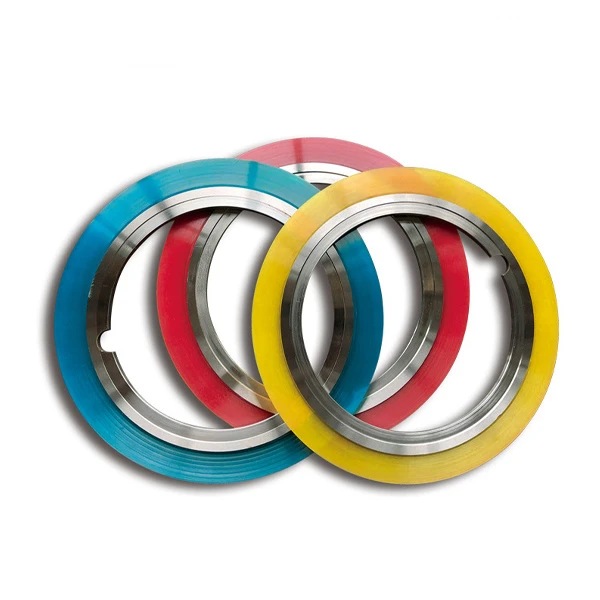
The design scope is broad — from simple round washers to intricate profiles tailored for specific fixtures. Many engineers I’ve worked alongside swear by customized spacers that perfectly fit their assembly’s groove, rather than off-the-shelf rings that might feel like a compromise, you know?
Material and Testing Considerations
Choosing the right rubber type (EPDM, NBR, silicone, etc.) and hardness (durometer) frankly can involve a bit of trial and error, especially in aggressive environments—think oil exposure or extreme temperatures. Typically, you’ll want a spacer that withstands mechanical wear and chemical degradation for years. The best suppliers provide testing data on tensile strength, compression set, and aging to help guide choices.
| Specification | Details |
|---|---|
| Material | Nitrile (NBR), EPDM, Silicone |
| Durometer (Hardness) | 30-70 Shore A, customized per application |
| Dimensions | Diameter: 5mm to 100mm; Thickness: 1mm to 10mm |
| Operating Temperature | -40°C to +120°C (varies by material) |
| Typical Applications | Motors, pumps, conveyors, electronic enclosures |
How to Choose a Supplier?
I’ve noticed there’s quite a spread when it comes to vendor reliability. Some suppliers offer straightforward off-the-shelf options, while others provide deep customization, testing certifications, and valuable engineering support. Cost also varies—lower prices don’t always mean better value if product quality or fit is compromised.
| Supplier | Customization Options | Testing & Certifications | Typical Lead Time | Price Range |
|---|---|---|---|---|
| MechBlades | High — custom durometers, sizes | Full material and durability tests | 2-4 weeks | Mid-range |
| Alpha Rubber Inc. | Limited to stock sizes | Basic quality checks | 1 week | Low |
| RubberTech Solutions | Custom profiles available | Certified ISO 9001 | 3-5 weeks | High |
Oddly enough, the best collaborations often happen when the spacer supplier becomes a strategic partner rather than just a parts vendor. You end up with parts that match real-world conditions perfectly — it’s not just about buying rubber rings anymore.
If you’re wondering where to start, I’d say get samples, run them in your application, and keep close tabs on how they behave under stress. And, frankly, don’t overlook the value of a supplier who listens. That was a game-changer for me in many projects.
For those interested, rubber separators spacers from specialized providers often come with testing data and engineering assistance, which make them worth the slight price premium in the long run.
In the end, these little rubber spacers quietly backstop everything — keeping machines running smoothly, cutting down on noise and wear. Sort of an unsung hero, really.
References:
1. Parker Hannifin - Rubber Material Guide
2. Industry Case Study, Pneumatic Motor Failures, 2019
3. ASTM D2240 - Shore Hardness Testing Standards