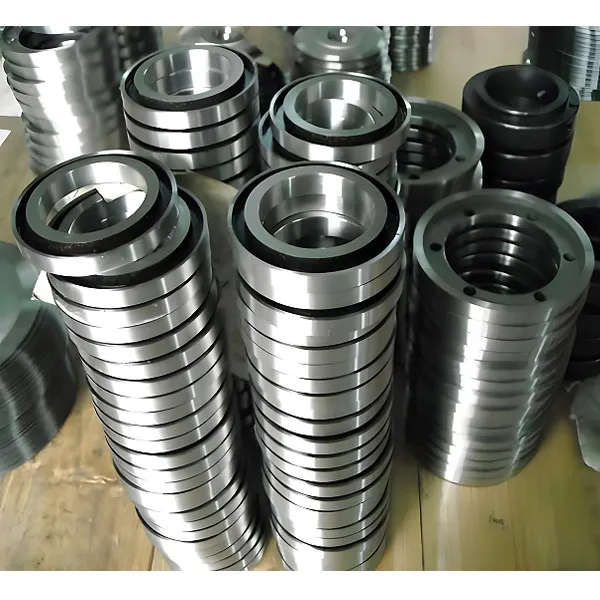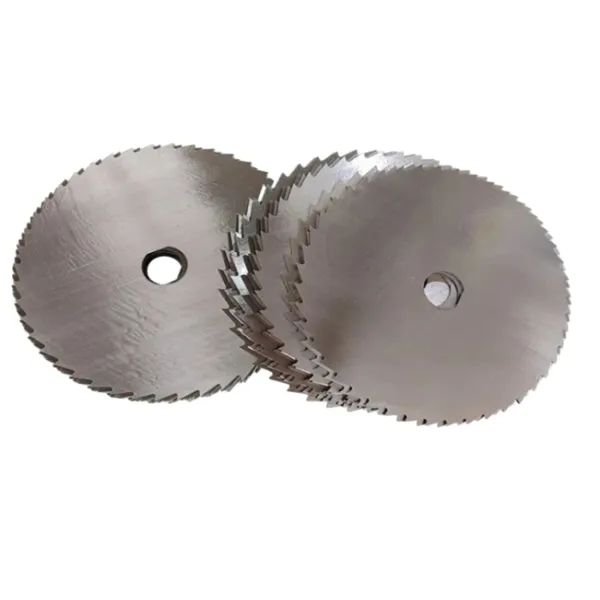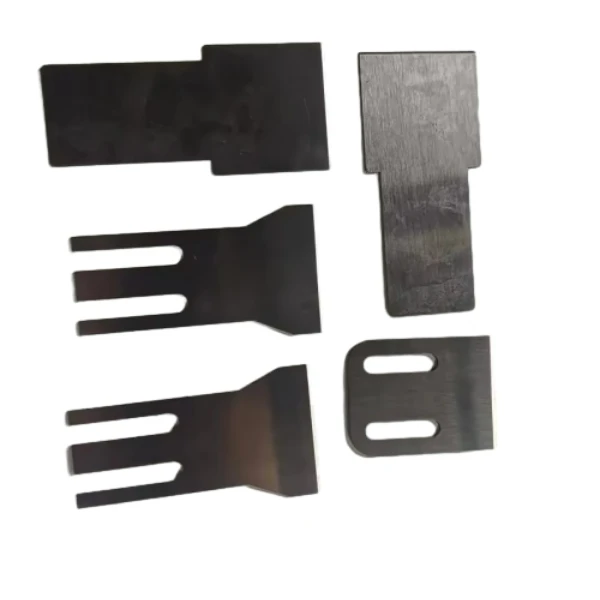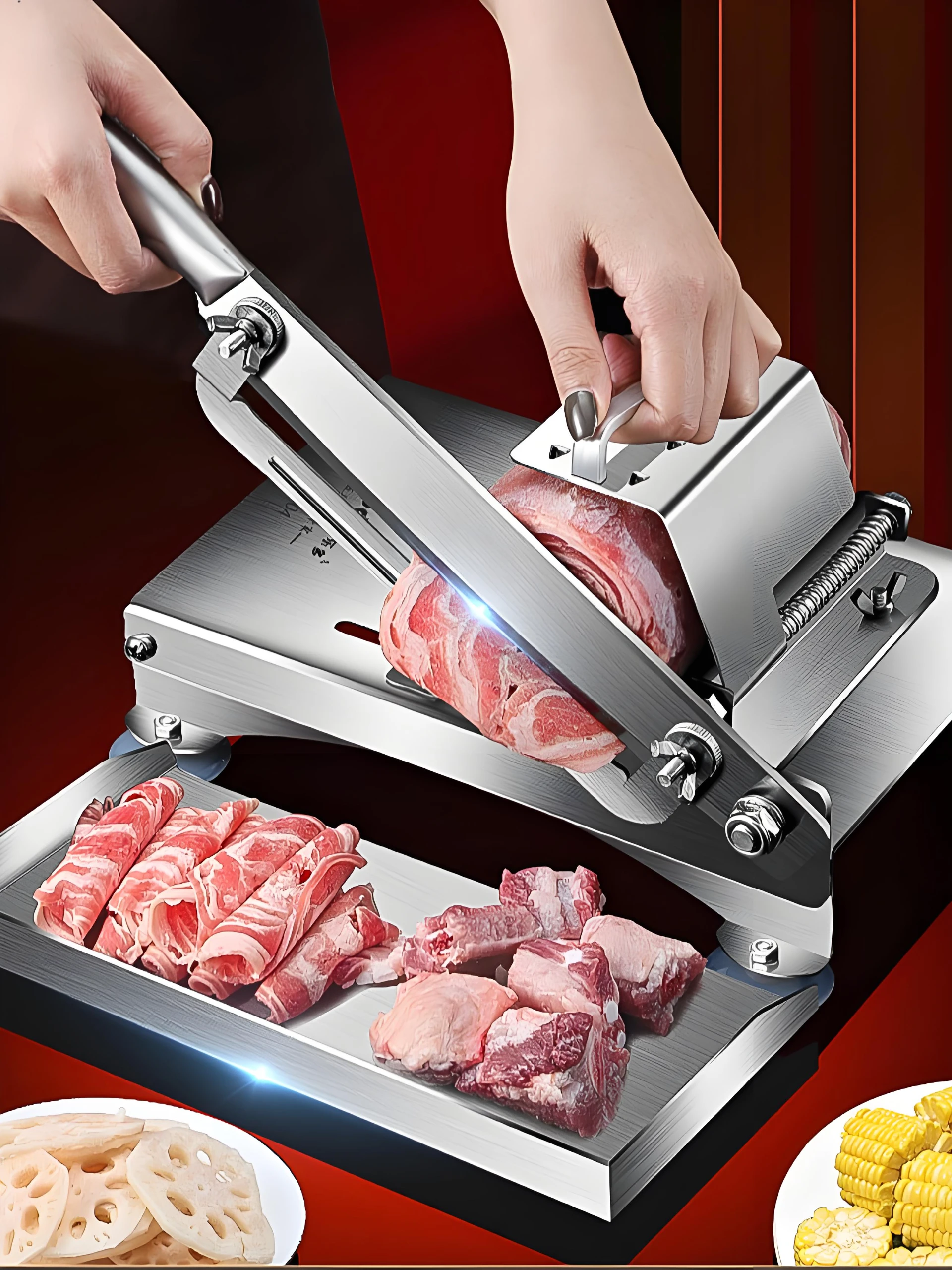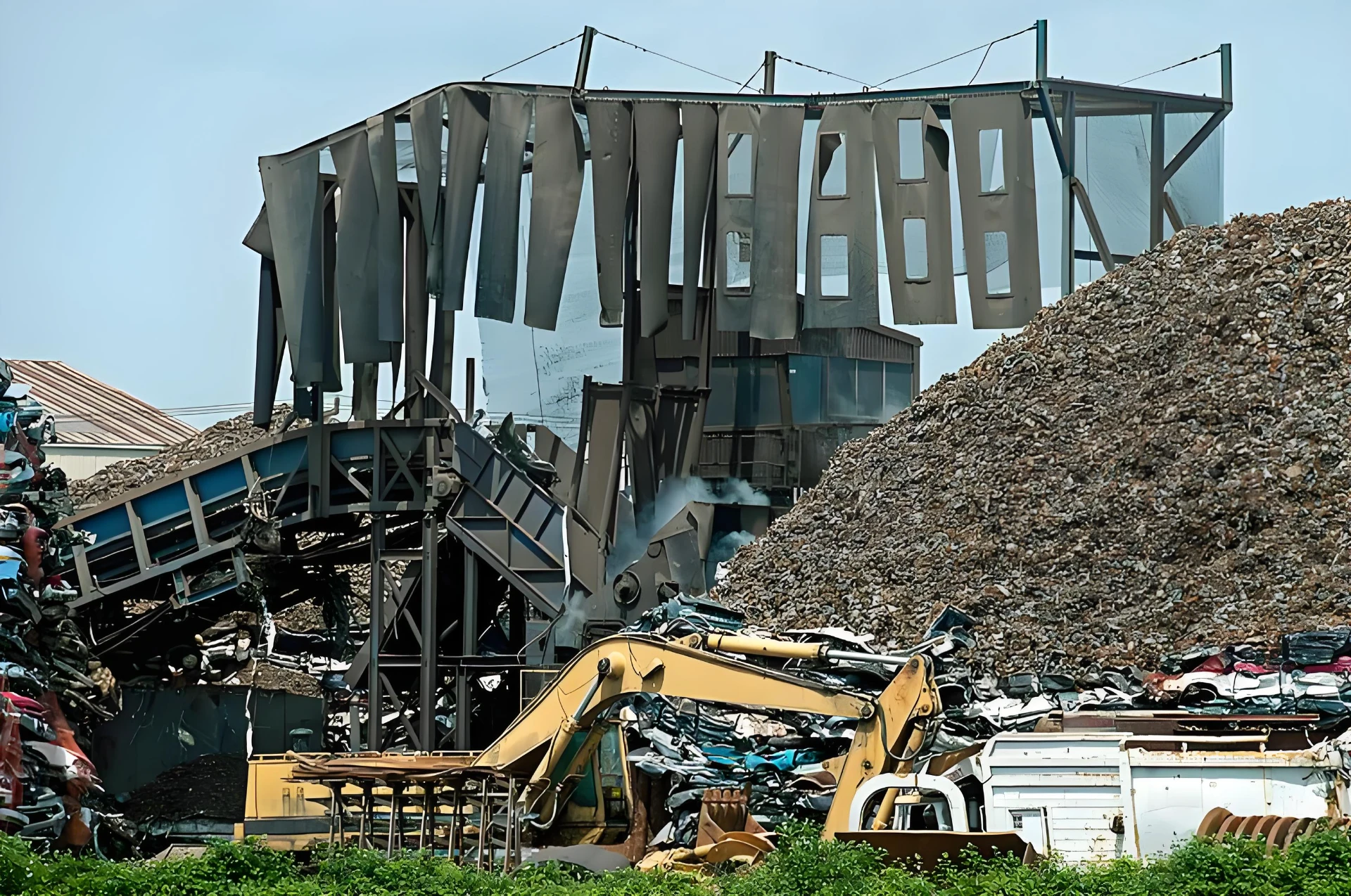
Rubber Granulator Blade: the real-world “saw” that makes tough elastomers behave
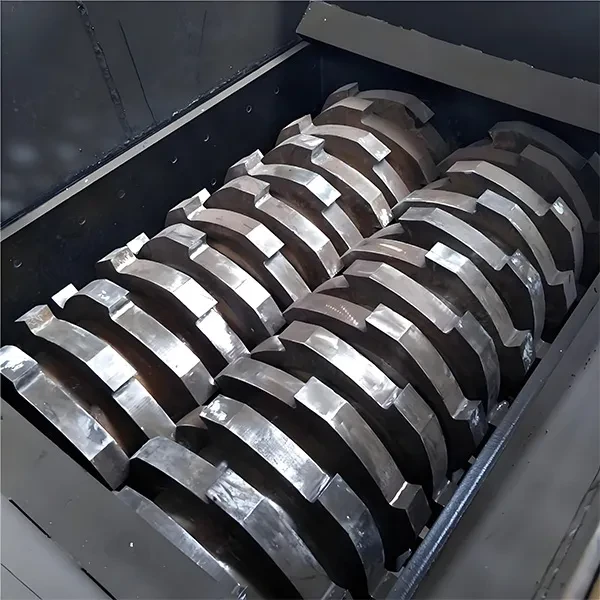
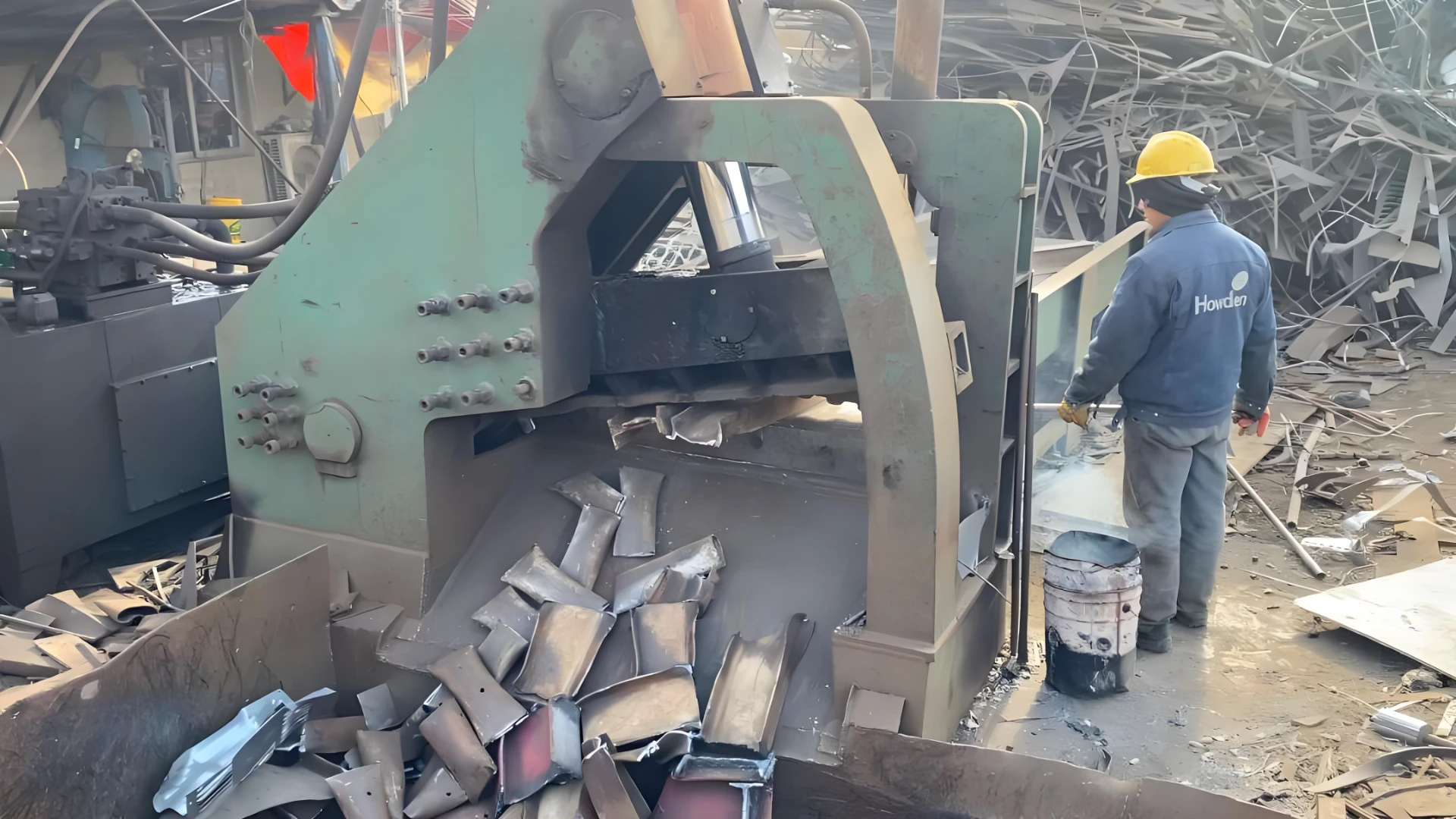
If you’ve ever tried to size TBR tires or dense EPDM on a shop bandsaw, you know the struggle. In recycling plants, the practical answer to a saw for cutting rubber is specialized granulator tooling—engineered edges that shear rather than smear. I’ve walked a few tire lines; when blades are right, amperage drops, fines fall, and the whole room sounds calmer. When they’re wrong…well, everyone hears it.
Industry snapshot and why this matters now
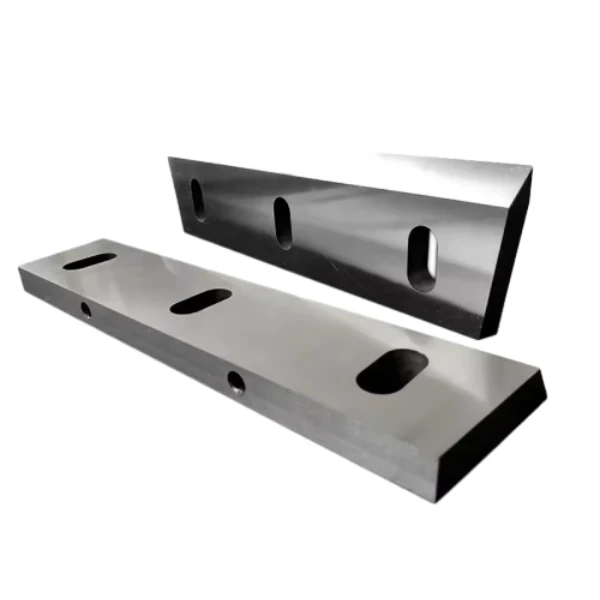
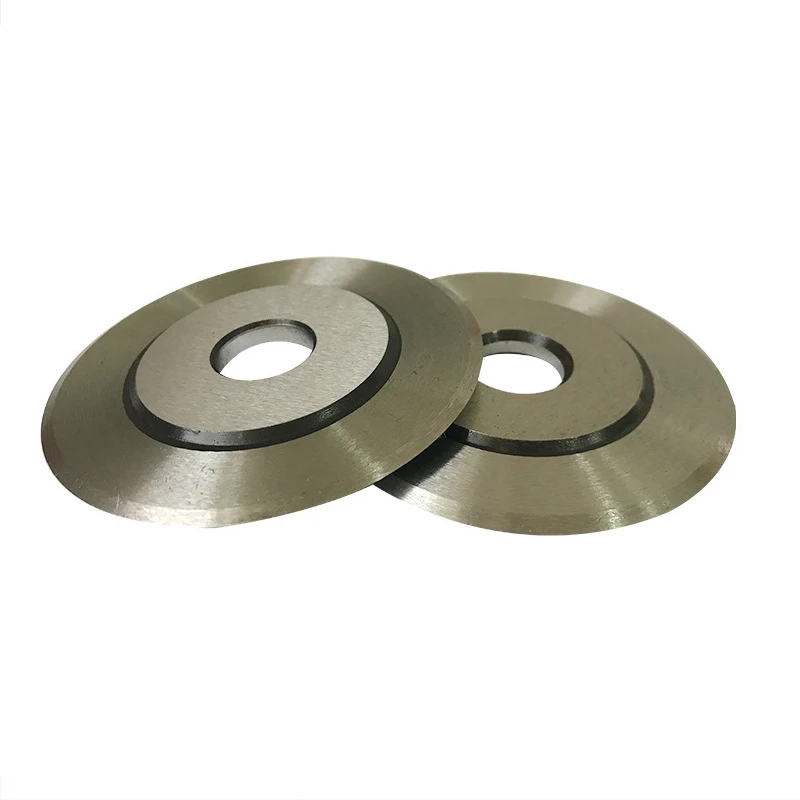
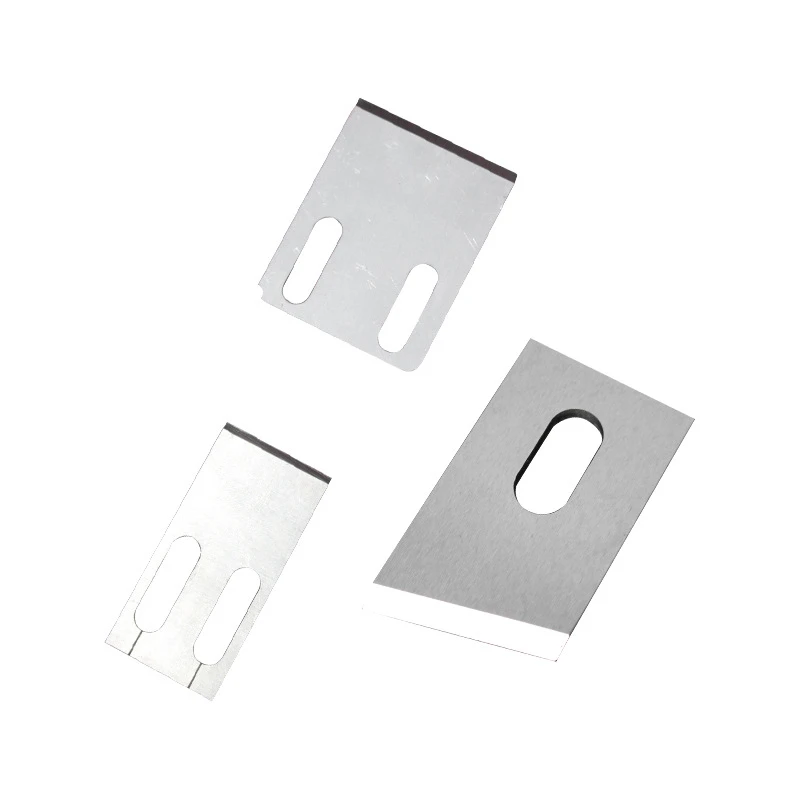
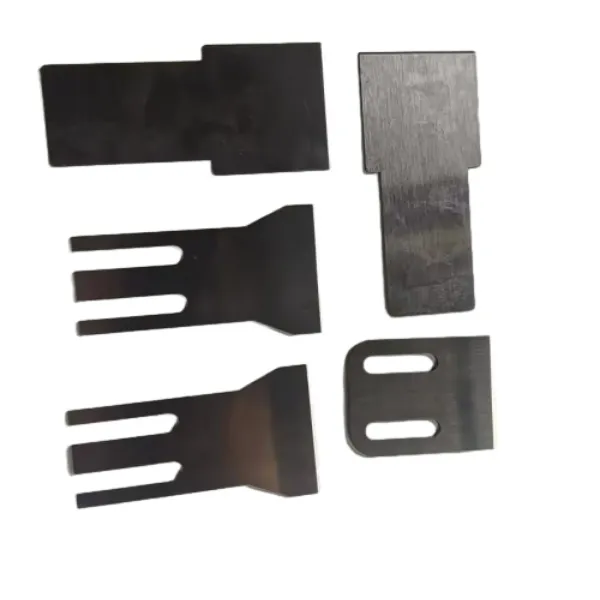
Rubber recycling is scaling fast, pushed by tire EPR policies and crumb demand in pavement modifiers. Plants want lower kWh/ton and less blade changeover. The Rubber Granulator Blade from MechBlades (Changzhou, China) slots into that trend with tougher steels, smarter heat treatment, and a pragmatic maintenance cycle. Many customers say throughput rises first, but what they remember is fewer stoppages—surprisingly, that’s where the profit hides.
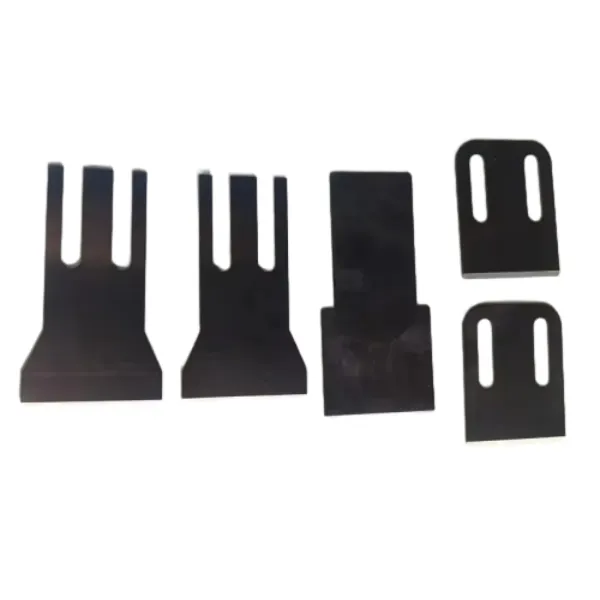
Core specs (real-world values, ≈ as used on line runs)
| Parameter | Rubber Granulator Blade |
|---|---|
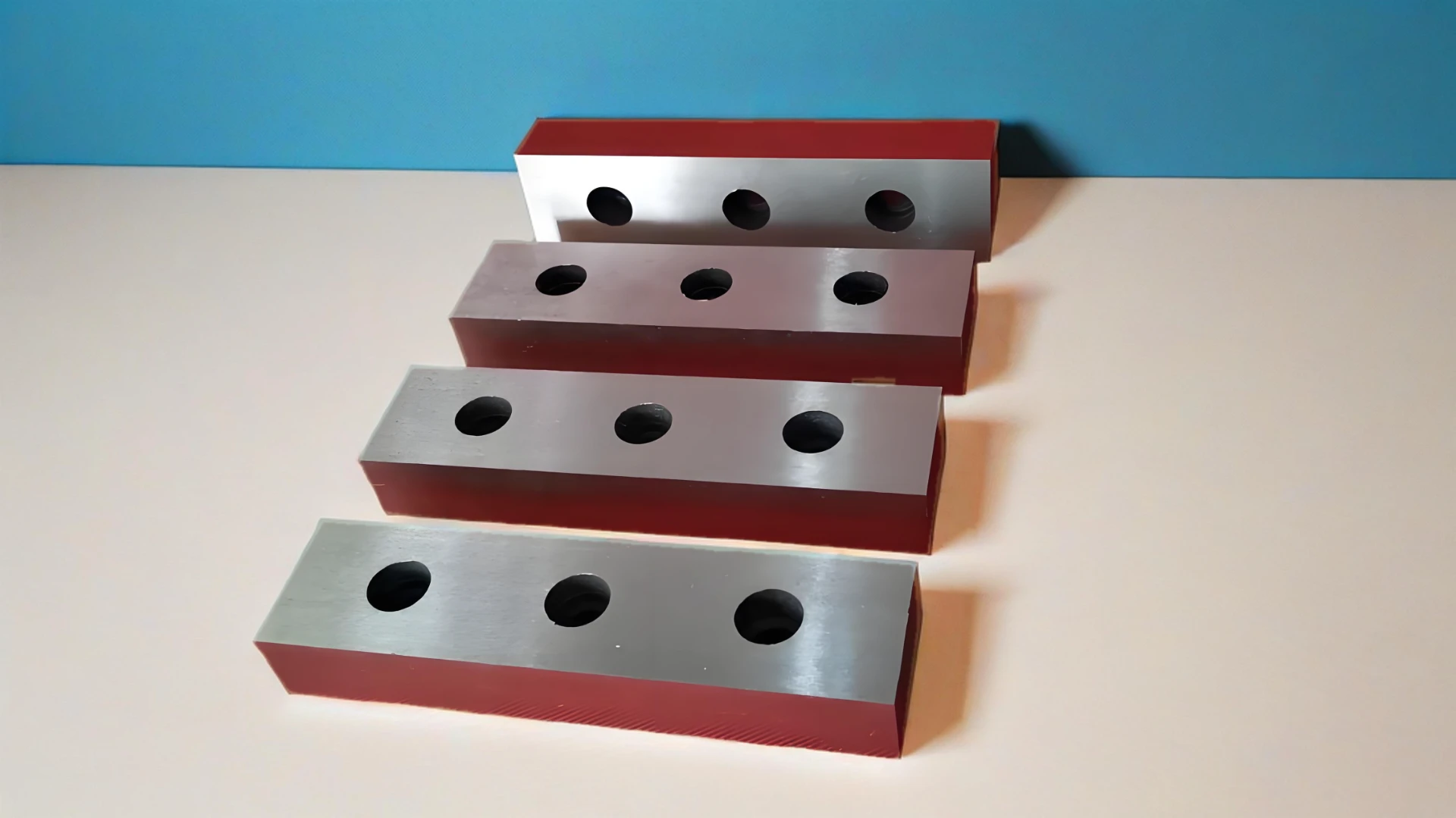
| Steel grade | DIN 1.2379 / D2 (option: H13 / 1.2344, M2 for abrasive mixes) |
| Hardness | 58–60 HRC (ISO 6508) ≈ production range |
| Edge geometry | Single or double bevel, 25–35° inclusive; micro-chamfer 0.1–0.2 mm |
| Flatness | ≤0.03 mm/300 mm (ISO 1101) |
| Surface finish | Ra ≤0.8 μm on rake face |
| Toughness check | ISO 148-1 Charpy, lot sampling |
| Balance | ISO 21940 (rotor assembly) — to reduce vibration and fines |
| Service life | ≈ 250–600 tons between grinds (compounds vary) |
| Certifications | ISO 9001; CE machinery compliance documentation available |
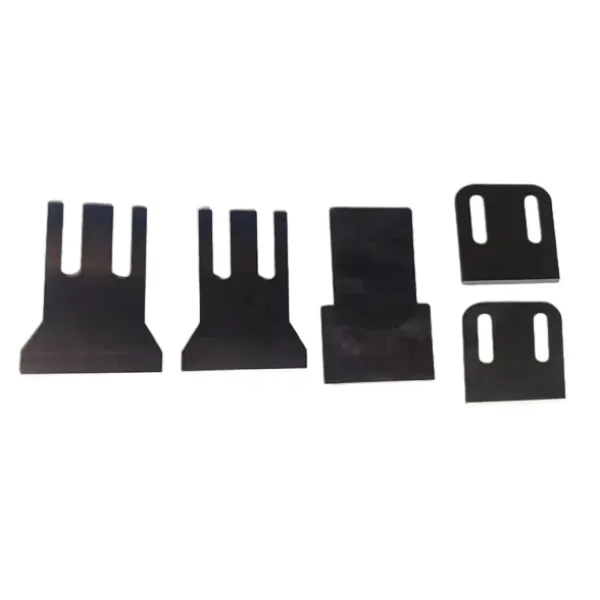
Process flow and QA (short version)
- Materials: vacuum-melt D2 or H13 billets (ISO 4957) with traceability.
- Methods: CNC profiling → stress relief → hardening/tempering → precision grinding → edge honing.
- Testing: Rockwell (ISO 6508), dimensional CMM, edge radius check, dye penetrant, balance per ISO 21940 for rotor sets.
- Service life factors: compound abrasiveness (carbon black, silica), wire contamination, lube, rotor-to-bed knife gap.
- Industries: tire recycling, hose/EPDM trim, rubberized asphalt feed, shoe sole regrind.
Vendor comparison (what buyers quietly ask)
| Vendor | Steel/Heat Treat | Tolerance | Lead Time | Certs |
|---|---|---|---|---|
| MechBlades | D2/H13; controlled temper cycles | ≤0.03 mm typical | 2–4 weeks | ISO 9001, CE docs |
| Generic Importer | Unspecified tool steel | ≈0.05–0.10 mm | 6–10 weeks | Varies |
| Local Workshop | D2 (air harden) | Depends on grinder | Fast | — |
Applications, advantages, and how it “cuts”
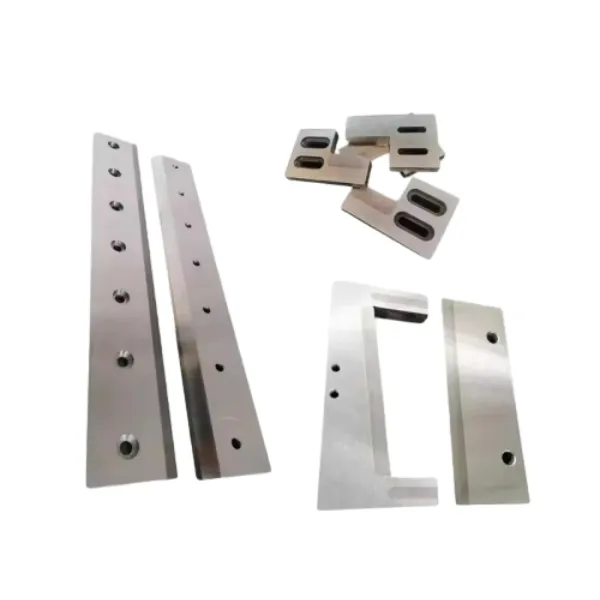
In tire granulation, a properly gapped rotor–bed knife pair behaves like a saw for cutting rubber but with shearing dominance—less heat, fewer melted bits. Advantages: lower current draw (often 8–12% in my notes), tighter particle distribution, and cleaner steel liberation in bead sections. On EPDM trim, operators note quieter runs and longer intervals between touch-up grinds.
Customization options
- Bevel and clearance tuned to compound hardness; cryogenic treatment for wear stability.
- Coatings (TiN/TiCN) or boron diffusion for highly filled mixes.
- Matched sets with pre-shimmed gaps, serialized for rotors—turns your granulator into a predictable saw for cutting rubber.
Field notes and mini case studies
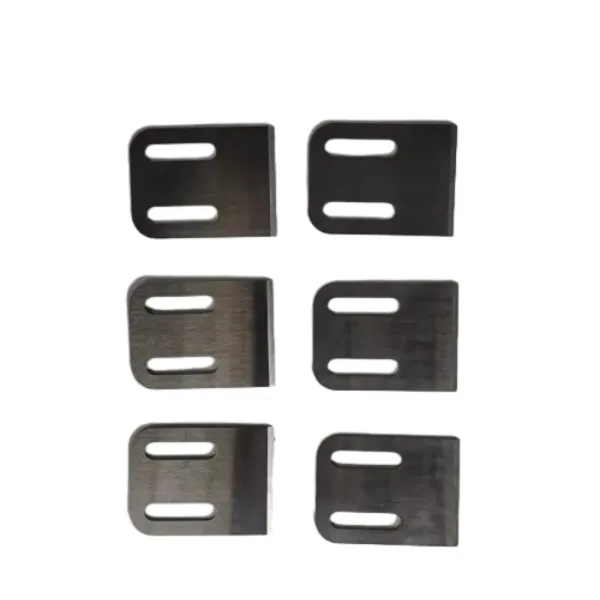
Case A (EU tire recycler): 1,200 kg/h line. After blade swap and gap reset to 0.15 mm, energy fell from 92 to 82 kWh/ton; fines (-1 mm) dropped from 18% to 12%. Service interval extended from 5 to 8 shifts. To be honest, the maintenance crew was the happiest group.
Case B (APAC EPDM regrind): Switching to H13 variant cut edge chipping events by ≈40% on silica-filled parts. Output uniformity improved, which made their downstream classifier finally behave.
Practical details and contact
Origin: No.22, North of Tangxiqiao, Luoxi Town, New North Area, Changzhou City, Jiangsu Province, China. 213002.
Maintenance tip: light hone every shift; full grind when amperage or particle shape drifts—don’t wait for the blade to tell you loudly. A tuned granulator functions as your dependable saw for cutting rubber, quietly making value from waste.
Citations
- ISO 4957: Tool steels — material requirements.
- ISO 6508: Metallic materials — Rockwell hardness test.
- ISO 21940: Mechanical vibration — Rotor balancing.
- ISO 148-1: Metallic materials — Charpy pendulum impact test.
- EN 12012-1: Plastics and rubber machines — Size reduction — Safety principles.