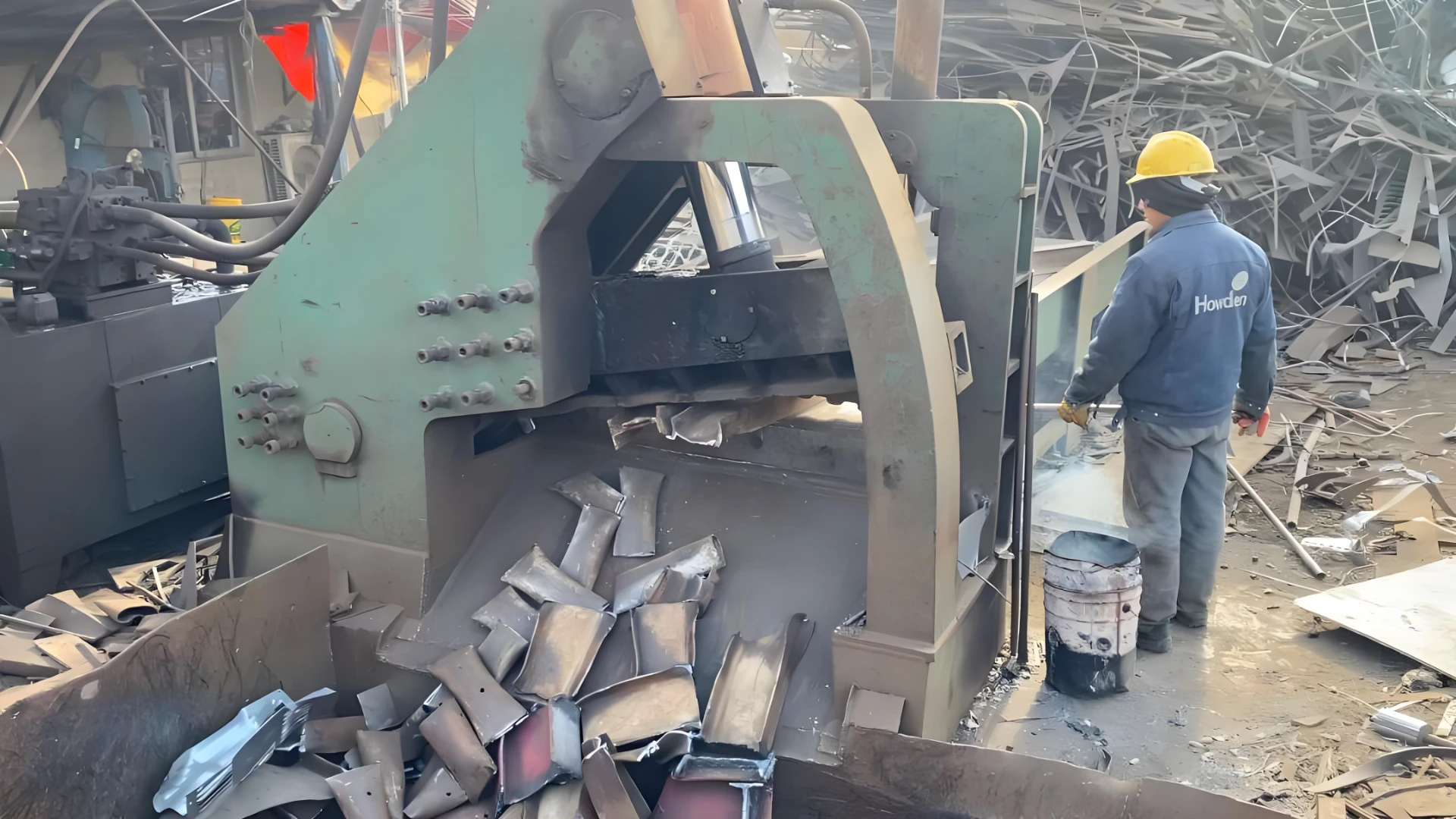
Blade Design: The Heartbeat of a Shredder Machine
If you’ve ever spent time in the industrial shredder game, you know that blade design isn’t just a topic for nerdy engineers—it’s the very soul of how effectively the machine does its job. I’ve been around the block long enough to say blades are like the unsung heroes in this noisy, often unforgiving world of metal and plastic waste processing.
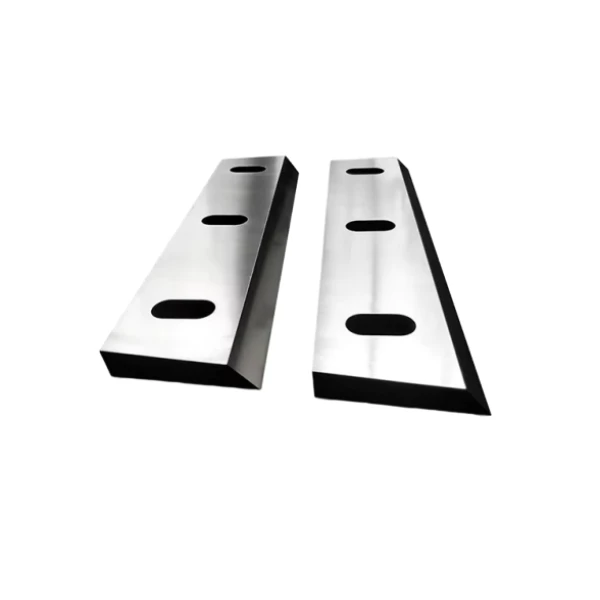
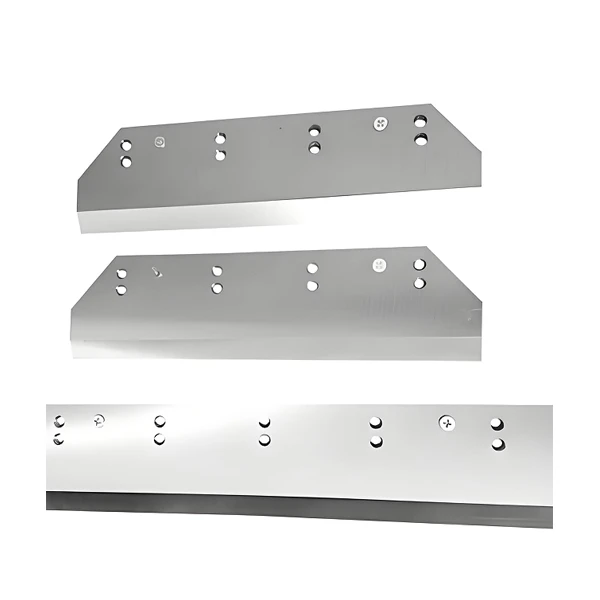
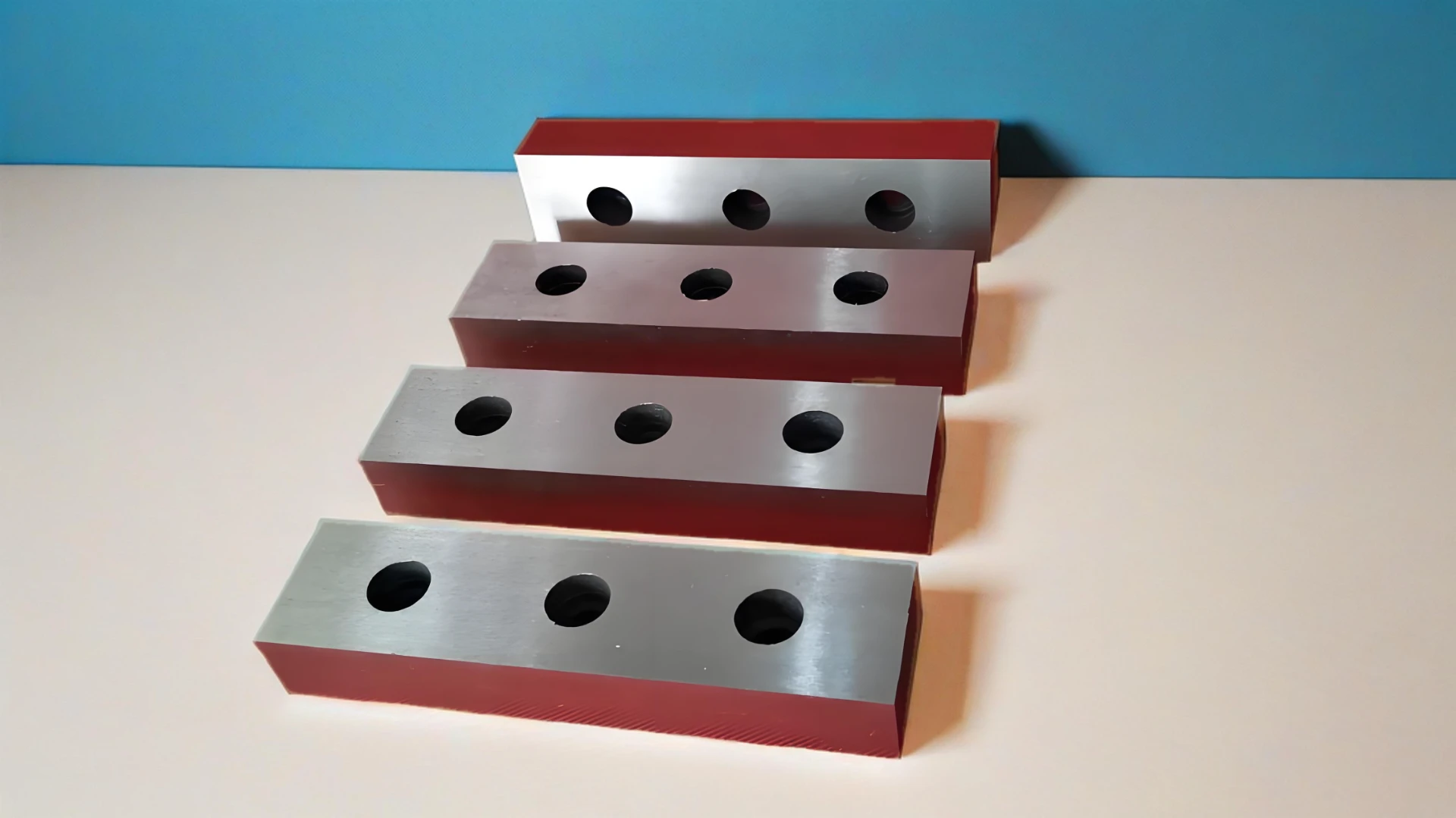
The trick with shredder blades? It’s balancing sharpness, durability, and maintenance downtime. Sharp blades cut cleanly and quickly, but too hard and brittle? They chip and crack. Too soft? They wear out in a matter of days. Then there’s blade shape, spacing, and arrangement, all influencing throughput and energy consumption. Honestly, it’s a small ecosystem of design decisions.
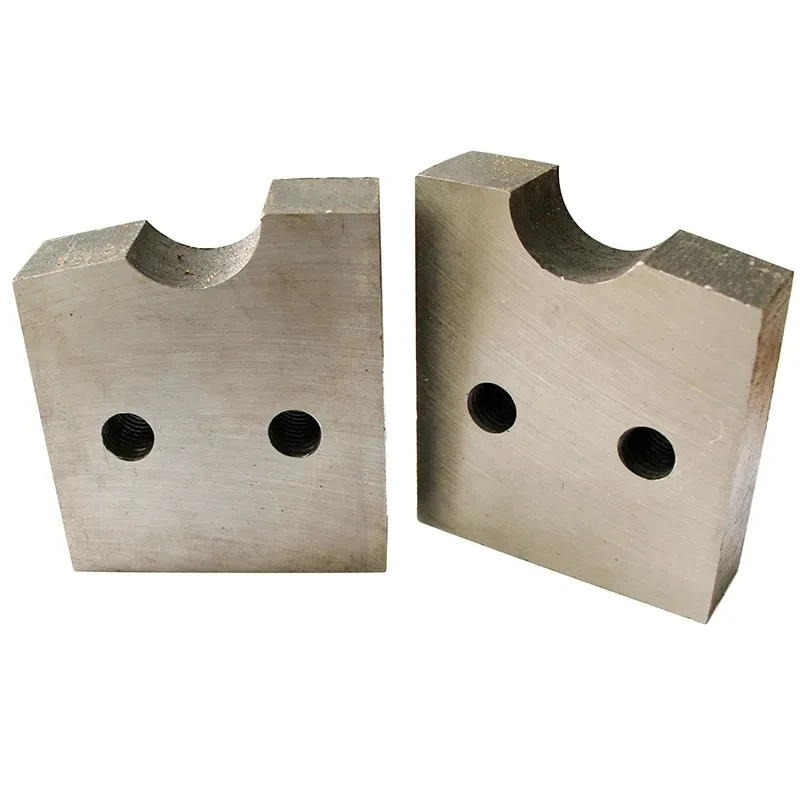
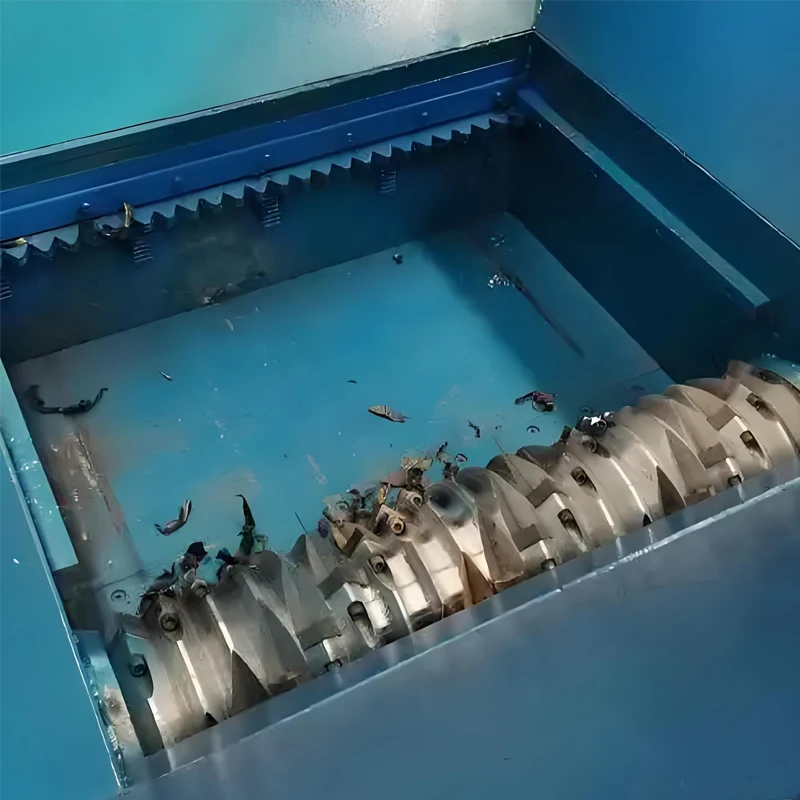
In past projects, I noticed some companies favor a modular blade setup—easy to swap out damaged sections without dismantling the whole shaft. It saves precious hours on-site. The material has trended towards advanced alloys or even specially treated steels that pack a punch on wear resistance. Some folks lean on nitriding or cryogenic treatments. Me, I’ve always had a soft spot for those all-around tough steels that feel like they can take a beating and still come back for more.
Materials and Manufacturing Choices That Matter
You might think “steel is steel,” but funny enough, you couldn’t be more wrong. The actual grade of steel and the heat treatments it undergoes make all the difference. Nitrocarburizing, for instance, can add a surface hardness that extends blade life dramatically. Then there’s tungsten carbide coatings—these bad boys are excellent for the abrasive stuff but cost a pretty penny.
I remember a particular project shredding old tires where carbide-tipped blades were a lifesaver. The rubber and steel belts were gnarly, and the blades had to stand up to relentless abuse. Maintenance records showed a 30% decrease in downtime compared to previous runs with plain alloy steel blades. You could say it was a real-world test that drove home the value of investing in blade materials upfront.
Here’s a practical specs overview to consider when selecting a shredder blade:
| Specification |
Typical Range |
Notes |
| Material |
High Carbon Steel, Alloy Steel (AISI 4140), Tungsten Carbide Coated |
Varies by application and budget |
| Hardness (HRC) |
50-65 HRC |
Balance of toughness and wear resistance |
| Blade Thickness |
10–30 mm |
Depends on shredder size and feedstock |
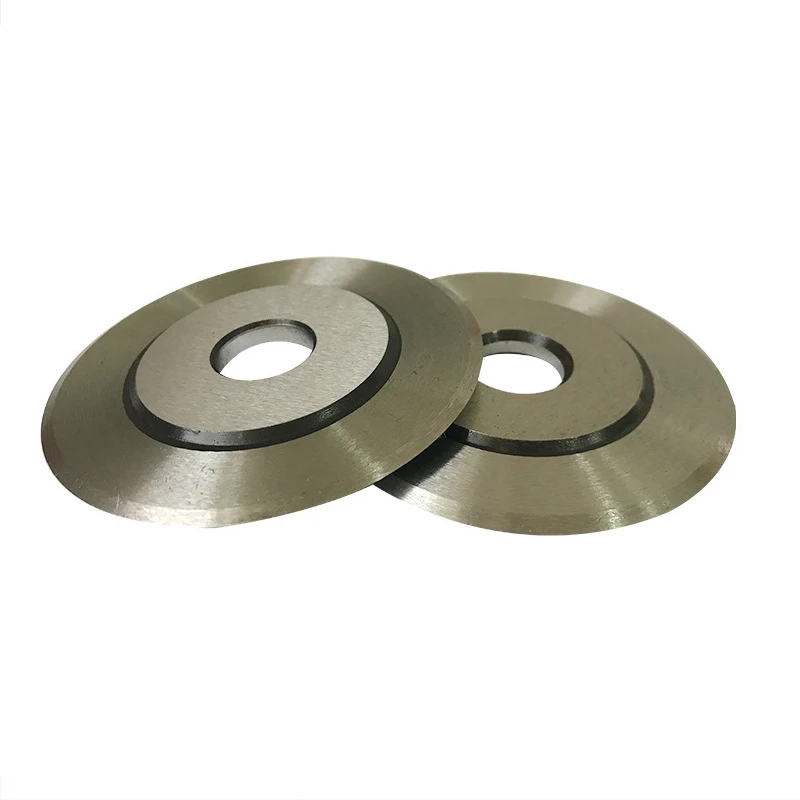
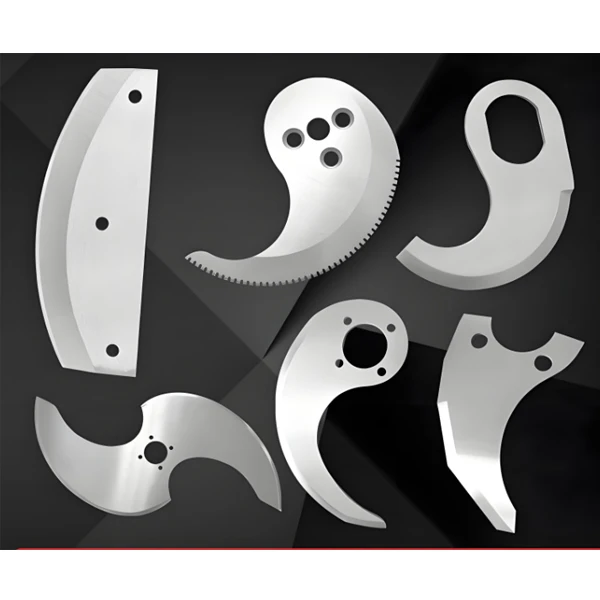
| Blade Geometry |
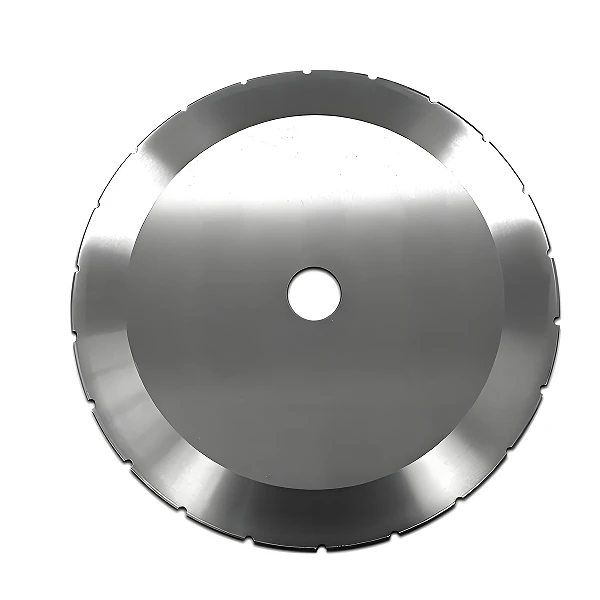
Straight, Wavy, and Serrated Edges |
Chosen by material to shred |
The thin line between too soft and too brittle often leaves engineers scratching their heads. But many agree: it’s usually better to go a touch harder than softer because you can always sharpen blades later. However, the initial investment for quality materials pays for itself with uptime and less frequent replacements.
Comparing Vendors: What to Watch For
Picking a vendor for shredder blades? It’s more than just price or delivery. I’ve seen the cheapest blade packs go stale or break early, leading to costly downtime. Conversely, premium blades can be a game-changer but only if the supplier understands the unique challenges of your materials and machine setup.
Here’s a quick rundown of some well-known vendors in the field, from personal experience and chatter with colleagues:
| Vendor |
Material Options |
Lead Time |
Customizable Designs |
Price Range |
| Mechblades (our go-to) |
High Carbon, Tungsten Carbide Coated |
2-4 Weeks |
Yes, fully customizable |
Mid to Premium |
| SteelCuts Inc. |
Alloy Steel |
4-6 Weeks |
Limited |
Budget |
| HeavyCut Solutions |
Tungsten Carbide, Ceramic-Coated |
3-5 Weeks |
Yes |
Premium |
One thing I always tell clients: make sure your vendor can back up their products with solid testing and real-world feedback. It’s one thing to have a spec sheet, quite another to handle the gritty stuff day-in, day-out without prematurely calling it quits.
Final Thoughts on Shredder Blade Design
It’s easy to overlook blades when you’re dazzled by bigger machine stats—horsepower, throughput, torque—but spend a little time paying attention, and you’ll realize that blades often make or break your shredder’s profitability. The right blade design, material choice, and reliable supplier can save you hours, sometimes days, of headache.
If I had a dollar for every time a client called frustrated over warped or worn blades, I’d probably be retired on a beach by now. Yet, the right knowledge and suppliers like
Mechblades turn that frustration into a steady rhythm of smooth operation.
So yeah, investing upfront in quality blades will always pay off. Sometimes, it’s just about saving the sweat and cursing when the machine stops because a cheap blade finally gave up.
References
- Industry insights from 15+ years on shredder maintenance and repair
- Customer case studies on blade materials and performance, Mechblades 2023
- “Advanced Materials for Industrial Shredding” journal, 2022 edition