Why the Slicing Blade Food Processor Matters Globally
At first glance, a slicing blade food processor might seem like just another kitchen appliance. But zoom out — way out — and you'll see this tool isn't just useful for mom's Sunday prep. It tangibly influences food processing industries worldwide, from small artisanal producers to large-scale manufacturers. It also plays a surprisingly crucial role in humanitarian relief by enabling faster meal preparations in disaster zones or refugee camps.
Understanding the slicing blade food processor is valuable because it blends efficiency, precision, and scalability. Across continents, millions rely on food processors equipped with sharp, reliable slicing blades to optimize operations, reduce food waste, and maintain consistent quality. If you've ever wondered why some processed foods taste uniformly good or how massive kitchens manage preparation for thousands, the slicing blade food processor is your unsung hero.
Mini takeaway: This seemingly simple device helps orchestrate complex food systems globally, ensuring efficiency and quality from kitchens to factories.
Global Context: Why It’s Important Now
Globally, food processing is booming. According to the FAO (Food and Agriculture Organization), processed foods now represent over 60% of daily caloric intake in many parts of the world. Urbanization, expanding middle classes, and tighter regulations drive the need for consistency and safety — and that’s where slicing blade food processors come in.
However, the rise in processed food demand also exposes challenges: how to efficiently prepare millions of tons of produce daily without sacrificing quality or increasing waste? Many operations still use outdated cutting methods that lead to uneven slices, slower throughput, and increased injury risk for workers.
The slicing blade food processor is the answer to many of these issues by offering fast, uniform slicing that scales well from small operations to mega-factories. Plus, it can adapt to diverse food types — fruits, vegetables, cheeses, you name it.
What Exactly Is a Slicing Blade Food Processor?
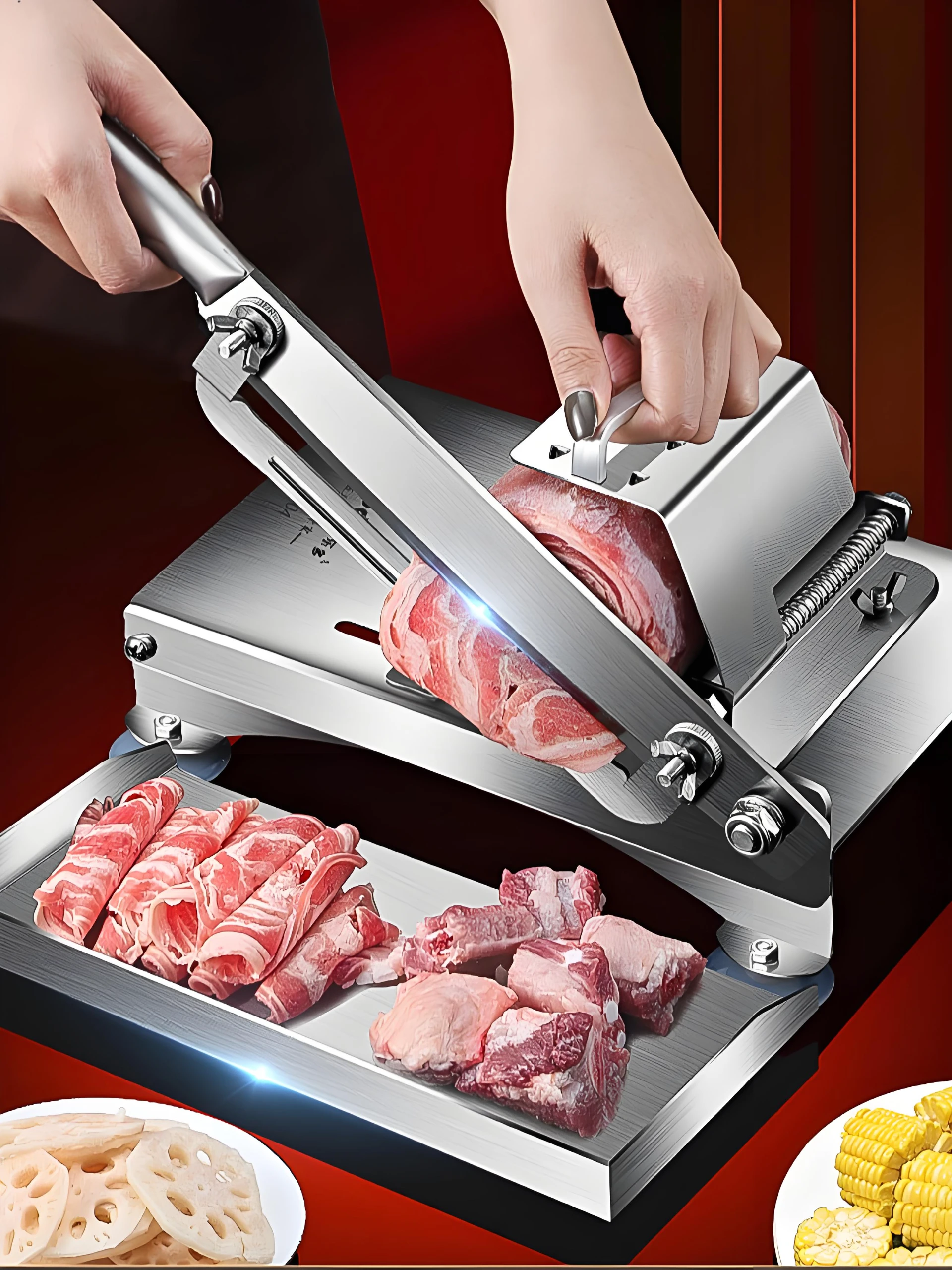
Simply put, it’s a specialized attachment or blade in a food processor designed to slice foods uniformly and rapidly. Unlike a standard chopping blade that dices or purees, the slicing blade creates consistent cuts in differing thicknesses, helping maintain texture and appearance.
In practical terms, the slicing blade food processor enables faster prep times, better portion control, and less manual labor. Its precision matters beyond the kitchen — especially in industrial contexts where food safety standards like ISO 22000 come into play. Consistent slices mean better cooking times and reduced microbial risks.
The technology feels humble but stands at the intersection of modern industrial design and pressing humanitarian needs — in food aid, communal kitchens, even in large-scale meal assembly lines.
Key Components You Should Know
1. Blade Material Durability
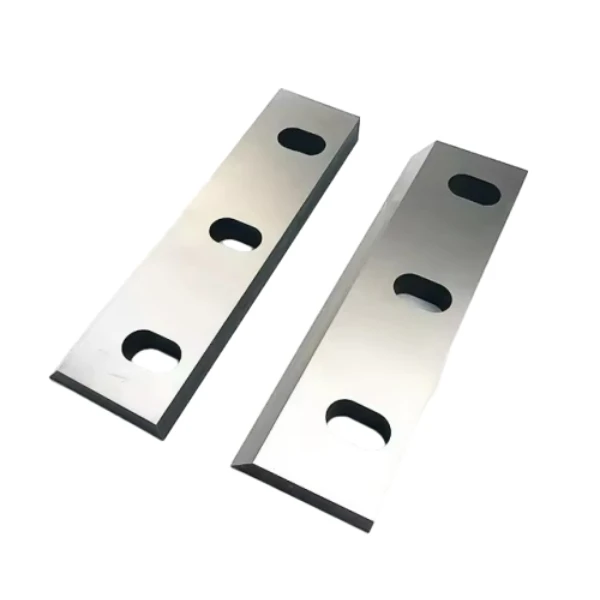
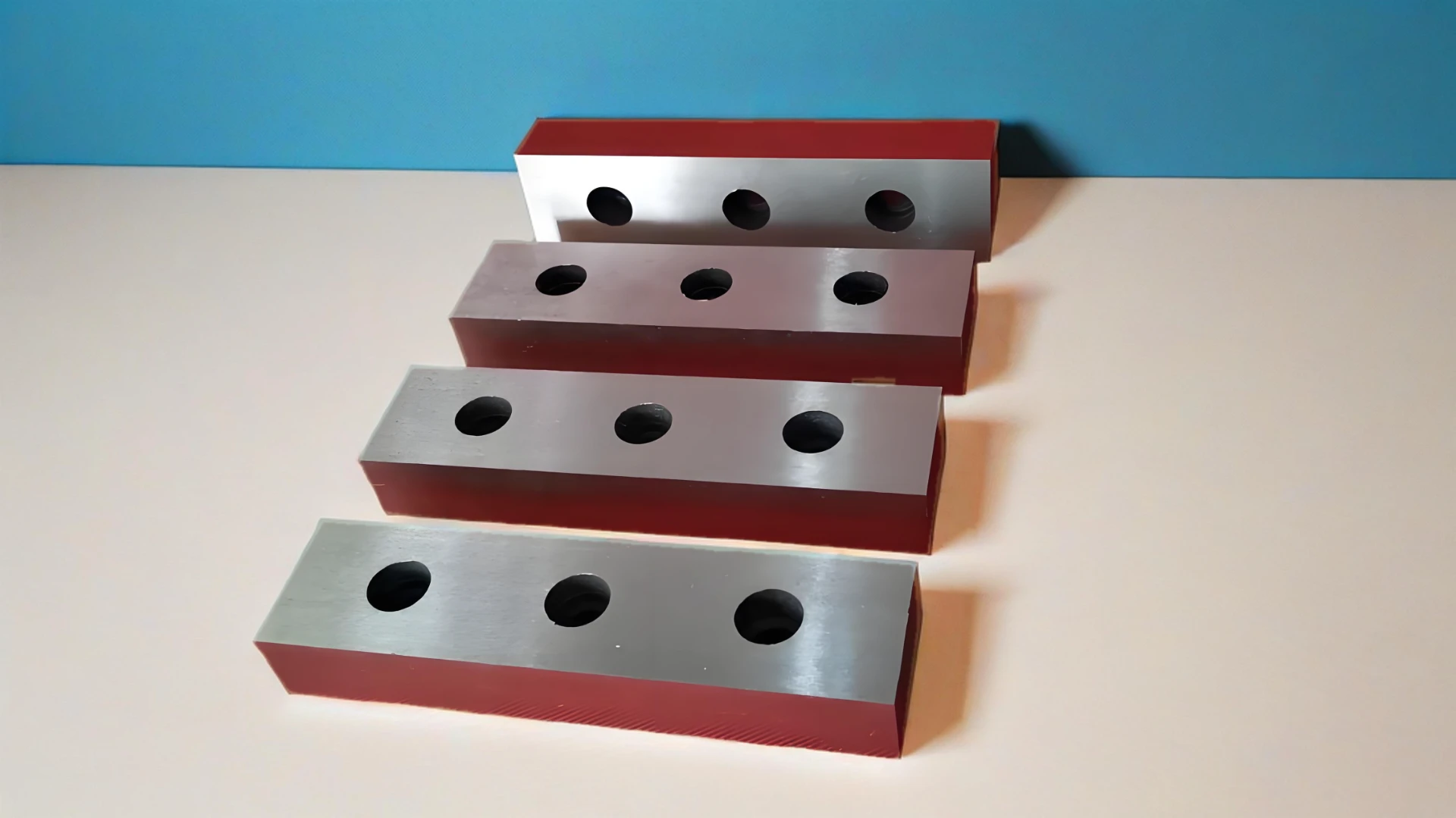
Often, slicing blades are made from stainless steel, which resists corrosion and stays sharp longer. Durability is a cornerstone because dull blades don't just slow you down — they tear food irregularly and can contaminate batches with metal shavings if poor quality.
2. Adjustable Thickness
The best slicing blade systems allow users to tweak slice thickness - from paper-thin cucumber slices to thicker potato wedges. This flexibility means one processor can handle diverse tasks. I’ve noticed chefs obsess over thickness adjustment because even a millimeter shift can change cooking outcomes drastically.
3. Safety Features
Given the blades’ sharpness, protective features like locking lids, finger guards, and emergency stops aren't optional. Manufacturers now integrate ergonomic handles and foolproof locking mechanisms to reduce workplace injuries.
4. Power and Speed Control
Food processors with variable speeds ensure slices aren’t mangled by too-fast rotation or inefficiently cut from too slow. Electric motors rated around 400 to 1200 watts are common, balancing power with energy efficiency.
5. Ease of Cleaning & Maintenance
Food safety regulations require thorough cleaning to avoid cross-contamination. Removable blades and dishwasher-safe parts have become staple design features. It’s funny how, in real kitchens, a blade that’s hard to clean quickly gets sidelined no matter how sharp.
Practical Applications Across the Globe
- Commercial Kitchens: High-volume food services use slicing blade food processors to manage prep quickly while maintaining consistent slice sizes, vital for plating and meal quality.
- Food Manufacturing Plants: Vegetables, cheeses, and even deli meats get sliced rapidly for packaging and sale, with quality control crucial to brand integrity.
- Humanitarian Relief: NGOs working in disaster zones employ portable slicing blade food processors to prep meals for displaced populations, saving hours of manual labor.
- Remote and Industrial Zones: Where electricity is limited, manual or hybrid models help local workers slice produce efficiently with minimal resources.
For example, during the 2022 flood relief operations in Southeast Asia, several aid kitchens credited their slicing blade processors with enabling them to feed thousands daily, where manual prep would have taken double the time.
It’s a humble device making massive impacts.
Product Specifications at a Glance
| Feature | Typical Value | Notes |
|---|---|---|
| Blade Material | Stainless Steel (AISI 420) | Corrosion-resistant & long-lasting |
| Slice Thickness | 1 mm - 12 mm (adjustable) | Adjustable via dial or lever |
| Motor Power | 500 - 1200 W | Variable speed control |
| Safety Features | Locking lid, finger guard, emergency stop | Complies with ISO safety standards |
| Cleaning | Dishwasher-safe removable parts | Enhances hygiene, saves time |
Comparing Top Vendors of Slicing Blade Food Processors
| Brand | Power (Watts) | Price Range | Notable Features |
|---|---|---|---|
| MechBlades ProCut | 1000 W | $350 - $450 | High durability, adjustable blade thickness |
| SliceMaster 3000 | 1200 W | $400 - $550 | Smart safety locks, quiet motor |
| KitchenPro Slicer X | 700 W | $250 - $320 | Compact, eco-friendly materials |
Advantages and Long-Term Benefits
Operators repeatedly cite that slicing blade food processors save tens of hours weekly on food prep. The cost savings are clear — less labor, less waste — but the social impact is just as important. Imagine the dignity workers gain when they operate safer equipment; injury rates can drop dramatically with proper design.
From a sustainability perspective, better slicing means less bruising and spoilage. This aligns with global food waste reduction goals championed by the UN Food Systems Summit. In the end, it's a happy mix of human-centered design and industrial efficiency.
Emerging Trends and Innovations
Our industry is advancing rapidly. Green energy integration — like solar-powered food processors — is no longer niche but vital for remote locations. Smart processors now self-adjust slice thickness based on food texture scanning via AI algorithms. Wireless connectivity even allows remote diagnostics and maintenance scheduling.
Moreover, biomimetic blade designs mimicking nature’s cutting edges promise longer-lasting sharpness with less energy consumed. All this points to a future where slicing blade food processors are smarter, greener, and more user-friendly.
Challenges and How to Overcome Them
Despite the advances, challenges remain. Reliability in harsh environments, upfront costs for high-end models, and the learning curve for new users can hinder adoption. That said, organizations investing in training and modular designs — where parts can be swapped on-site — tend to get around most obstacles.
For NGOs or small manufacturers, partnerships with vendors offering flexible leasing or maintenance plans can reduce risk and encourage upgrades.
Frequently Asked Questions About Slicing Blade Food Processors
- How can I adjust the slice thickness on a typical slicing blade food processor?
- Most models feature a dial or lever allowing slice thickness adjustment ranging generally from 1 to 12 millimeters. This helps customize cuts for different food types and recipes with precision.
- Is it safe to use slicing blade processors in small kitchens or homes?
- Yes. Modern machines come with strong safety features like locking lids, finger guards, and emergency stops, making them safe even for non-professional cooks when used as instructed.
- Can these processors handle foods with tough skins like carrots or potatoes?
- Absolutely. High-quality slicing blades made from hardened stainless steel can slice firm vegetables efficiently, although some very hard or fibrous foods might require slower speeds or pre-peeling.
- What maintenance is needed to keep blades sharp and hygienic?
- Regular cleaning after use, preferably with dishwasher-safe components, and periodic sharpening or replacing blades as recommended by manufacturers ensure peak performance and safety.
- Where can I find reliable slicing blade food processors for commercial use?
- I suggest checking trusted vendors like slicing blade food processor specialists who offer warranties, certifications, and after-sales support tailored to industry standards.
Wrapping It Up: Why You Need This in Your Kitchen or Factory
All things considered, the slicing blade food processor is more than just a machine; it’s a workhorse quietly supporting industries and humanitarian efforts worldwide. The blend of safety, speed, and adaptability it offers solves pressing problems from efficiency to food security.
If you’re serious about enhancing your kitchen workflow or scaling up production with reliable, state-of-the-art solutions, explore their range. Their processors strike a great balance between innovation and practicality.
At the end of the day, the simple act of slicing perfectly might just be the unsung hero of both kitchens and global food systems.
Mini takeaway: Investing in a solid slicing blade food processor isn’t just buying a gadget; it’s securing quality, safety, and efficiency for years ahead.
References
- Food and Agriculture Organization (FAO). Food Processing Statistics. https://www.fao.org/faostat/en/#data/QCL
- United Nations Food Systems Summit. https://www.un.org/en/food-systems-summit
- ISO 22000: Food safety management standards. https://www.iso.org/iso-22000-food-safety-management.html