Understanding Solid Carbide Saw Blades: Essential Tools for Modern Industry
Solid carbide saw blades are a quiet backbone behind countless industrial processes worldwide. You might not see them in everyday life, but they’re essential in manufacturing—from automotive assembly lines to aerospace precision cutting. In a nutshell, these blades are prized for efficiency and longevity, cutting tougher materials with ease. Understanding their global relevance isn’t just a technical deep-dive; it matters if you’re tracking productivity, sustainability, or economic growth in heavy industries.
Why Solid Carbide Saw Blades Matter Globally
The global market for precision cutting tools, including solid carbide saw blades, is expected to grow steadily—projected to reach several billion USD by mid-2020s according to industry reports. This growth mirrors expanding industrialization, especially in Asia and Europe. The blades address a common challenge: cutting harder, denser materials faster and with less wear. The International Organization for Standardization (ISO) highlights the importance of tooling durability as central to manufacturing efficiency, minimizing downtime and waste.
But it’s not just numbers. Factories relying on these blades experience less tool-replacement frequency, reducing costs and environmental impact from discarded tools. Frankly, in times where sustainability matters as much as output, figuring out how tooling fits into the bigger picture is key.
What Are Solid Carbide Saw Blades?
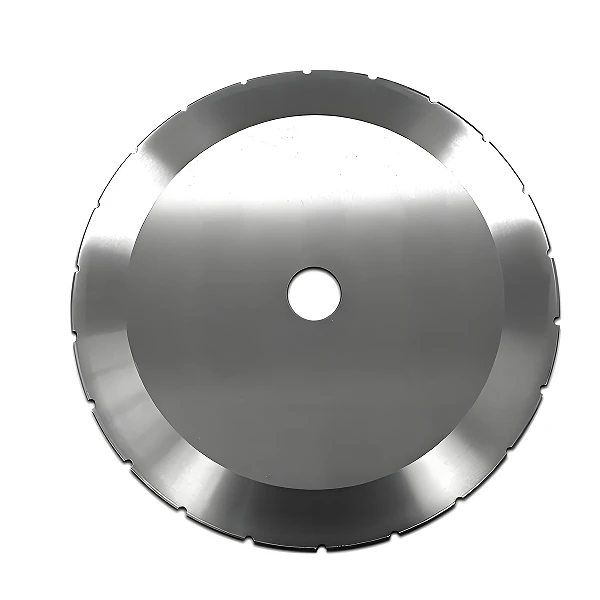
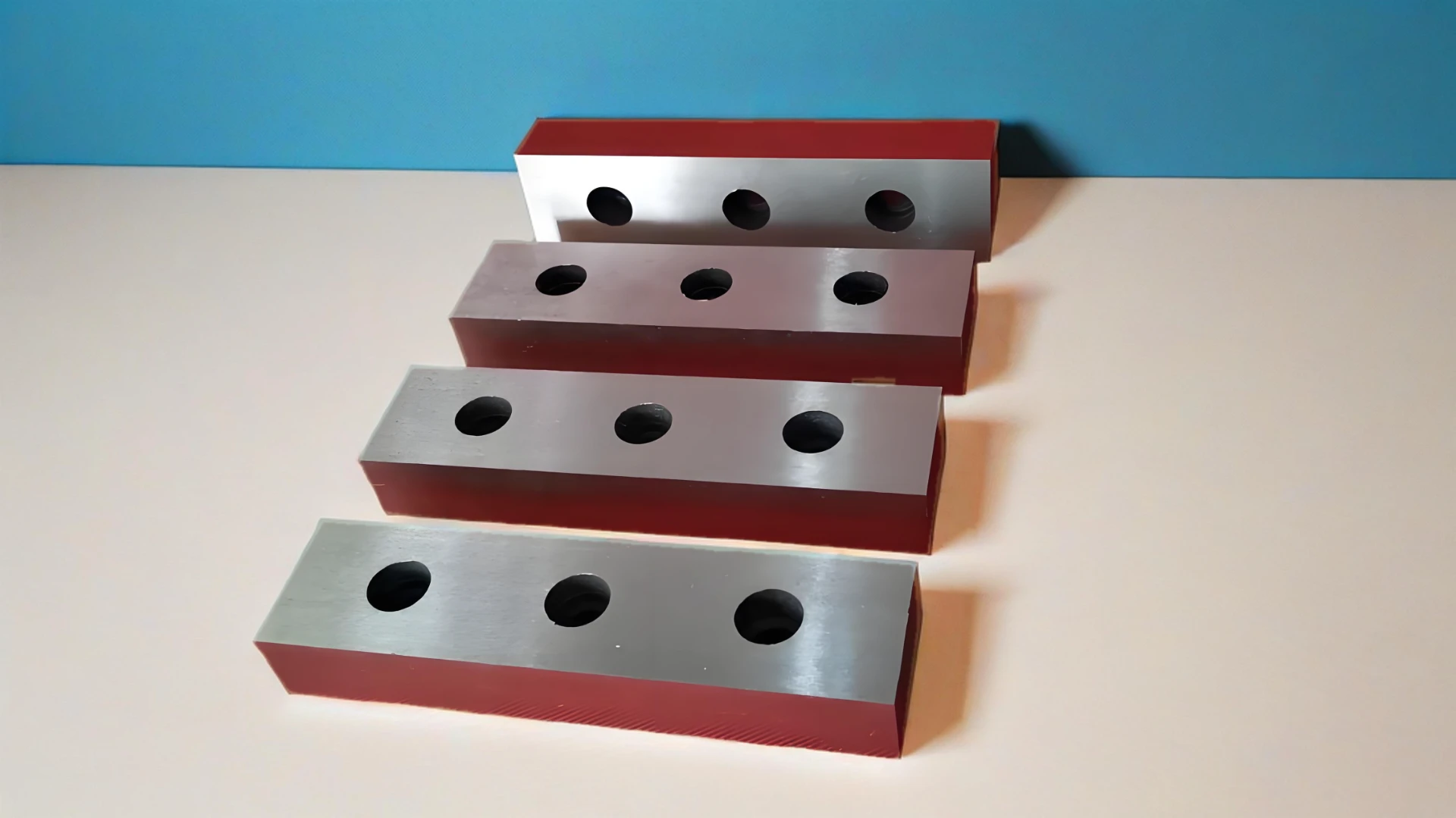
So what exactly are these blades? At their core, solid carbide saw blades consist predominantly of tungsten carbide—an extremely hard composite material—fabricated into a single, solid piece rather than tipped with carbide inserts. This construction gives them enhanced cutting precision and longer life spans compared to conventional steel blades.
They’re vital across industries where tough metals, composites, or dense woods need slicing. You’ll find them in metal fabrication plants, aerospace workshops, and even construction sites where precision and durability count sharply.
Core Components and Key Factors
Several critical factors shape the design and performance of solid carbide saw blades:
1. Durability
Tungsten carbide is known for its exceptional hardness and wear resistance. It stays sharper longer than standard steel, meaning the blade can keep cutting cleanly even under rigorous use.
2. Cutting Precision
Solid carbide blades deliver smooth cuts with minimal burrs thanks to their rigid body and fine edge geometry. This is crucial for industries requiring tight tolerances, like aerospace or industrial tooling.
3. Heat Resistance
The blades tolerate high temperatures generated during high-speed cutting, reducing the risk of warping or blade failure.
4. Cost Efficiency
While carbide blades have a higher upfront price, their longevity and reduced downtime usually translate to better cost efficiency over time.
5. Customizability
Manufacturers often tailor these blades by tooth count, coating, and blade thickness to match particular materials or cutting speeds.
| Specification | Typical Value |
|---|---|
| Diameter | 200-600 mm |
| Tooth Count | 40-120 teeth |
| Kerf Width | 1.2-3.2 mm |
| Material | Solid Tungsten Carbide |
| Coating | TiN, TiAlN, or uncoated |
| Max RPM | 7000 RPM |
Mini takeaway: Solid carbide saw blades combine toughness, precision, and heat resistance, making them indispensable for efficient industrial cutting.
Global Applications & Use Cases
From North American aerospace hubs to Asian heavy manufacturing centers, these blades are everywhere. Oddly enough, they’re also critical in niche operations such as in remote mining camps, where replacing tools isn’t trivial. Post-disaster reconstruction also sometimes calls for rapid deployment of modular cut materials where precision blades ensure speed and safety.
- Automotive industry: Used extensively to cut metal chassis components with tight tolerances.
- Aerospace: Precision cutting of advanced composites and alloys for wings and fuselages.
- Construction: Cutting concrete-embedded rebar and dense woods on-site.
- Electronics manufacturing: Trimming circuit boards and metal casings with minimal contamination.
The ability to reliably cut challenging materials keeps supply chains resilient globally, especially in industrialized and rapidly developing regions alike.
Vendor Comparisons: Popular Manufacturers of Solid Carbide Saw Blades
| Brand | Blade Hardness (HRC) | Coating Options | Typical Price Range | Lead Time |
|---|---|---|---|---|
| MechBlades | 90 HRC | TiN, TiAlN, DLC | $120–$250 | 2 weeks |
| CutPro | 88 HRC | TiN, Uncoated | $90–$180 | 1-3 weeks |
| BladeTech | 92 HRC | TiAlN, DLC | $150–$300 | 3-4 weeks |
Advantages and Long-Term Value of Solid Carbide Saw Blades
Their longevity reduces frequent blade changes, which translates into fewer interruptions during high-stakes production runs. This reliability not only saves money but fosters confidence on factory floors — safety and precision are often emotionally important to operators who depend on these tools.
Sustainability factors in too. Less frequent replacements mean less waste and ultimately a smaller carbon footprint. The cost differential against standard blades quickly shrinks when you factor in reduced downtime and maintenance.
Future Trends & Innovations in Solid Carbide Saw Blades
The cutting edge (pun intended) of solid carbide saw blades includes new coating materials designed to reduce friction even further, such as diamond-like carbon (DLC) coatings. Smart manufacturing also brings digital monitoring of blade wear to preempt failures — a blend of Industry 4.0 and solid tooling.
Green manufacturing trends push for blades optimized to cut with minimal energy use. There’s also ongoing research into recycling tungsten carbide from worn blades to close the sustainability loop.
Challenges & Expert Solutions
One challenge with solid carbide blades is brittleness; while hard, they can chip under sudden impact. Careful handling, proper machine calibration, and sometimes hybrid blade designs help mitigate this. Moreover, application-specific customization — like tooth geometry adjustments — can reduce stress concentration.
Also, getting the right blade for the specific material is not always straightforward. Consulting with experienced vendors or manufacturers like MechBlades makes a real difference.
FAQ: Practical Questions About Solid Carbide Saw Blades
- Q: How long do solid carbide saw blades typically last in industrial use?
- A: Lifespan depends on the material cut and operating conditions, but generally, these blades last 3-5 times longer than high-speed steel equivalents, sometimes up to several months under continuous use.
- Q: Are solid carbide saw blades suitable for cutting non-metal materials?
- A: Yes, they perform well on dense woods, composites, and plastics, offering clean cuts, though blade design may vary for optimal results.
- Q: How do coating variations affect blade performance?
- A: Coatings like TiN or TiAlN reduce wear and heat buildup, extending blade life and maintaining sharpness longer, especially at high cutting speeds.
- Q: Can these blades be resharpened or recycled?
- A: Yes, many vendors offer professional resharpening services, and tungsten carbide recycling programs exist to reclaim materials responsibly.
- Q: Is there a significant cost difference between solid carbide and carbide-tipped blades?
- A: Solid carbide blades typically have a higher upfront cost but offer greater precision and lifespan, making them cost-effective in high-precision or high-wear applications.
Conclusion: Solid Carbide Saw Blades — The Unsung Heroes of Precision Cutting
The long-term benefits of solid carbide saw blades are clear: outstanding durability, greater precision, and reduced downtime drive profitability and sustainability. Whether you’re in aerospace, automotive, or construction, investing in quality blades can transform operations. Curious to see how these blades can elevate your manufacturing? Visit our website at MechBlades to learn more and explore available options.
Oddly enough, a simple tool like a saw blade encapsulates so many facets of industry — technology, economics, and even environmental stewardship. It feels like the cutting edge is not just on the blade but in the thinking behind it.