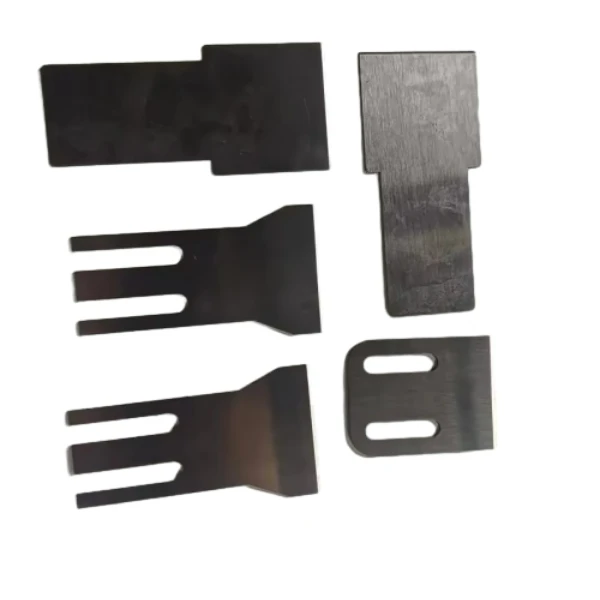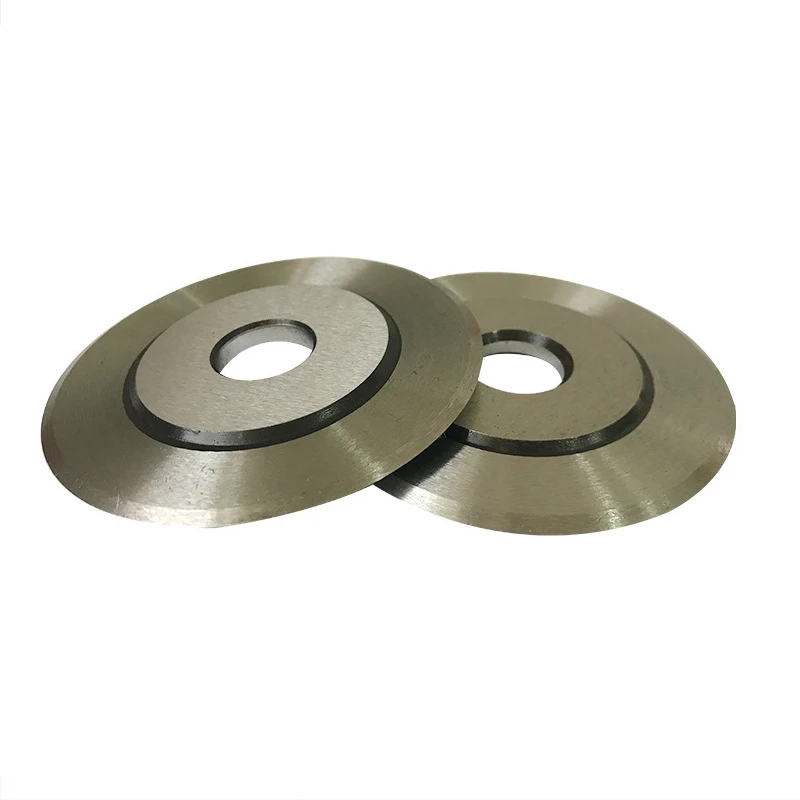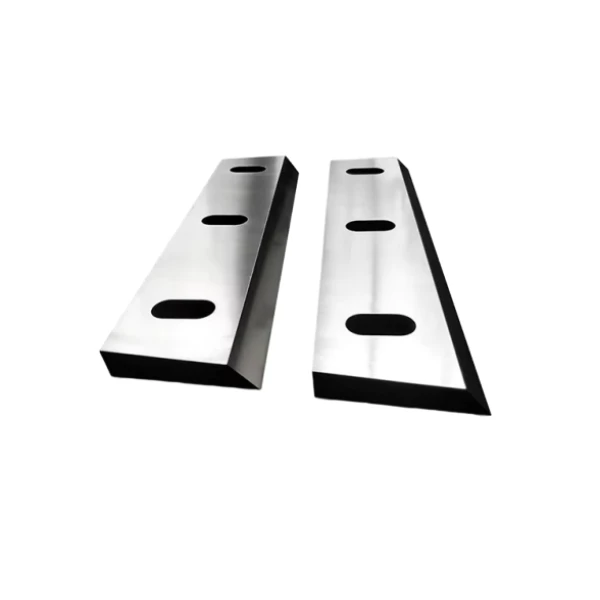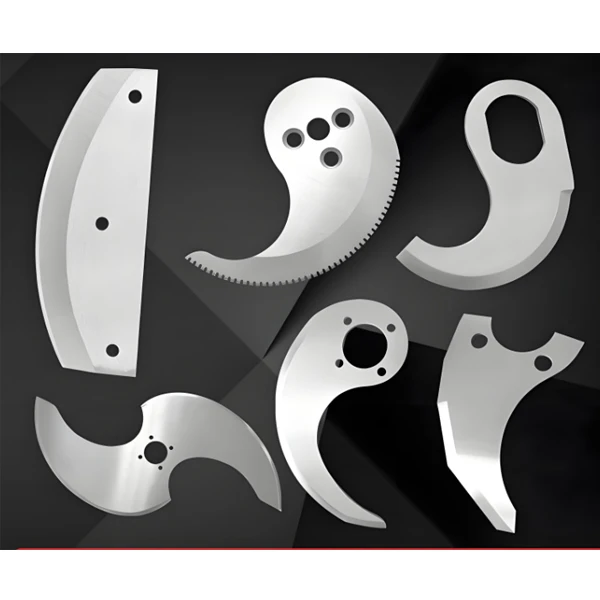
What Is a Meat Grinder Blade Assembly and Why It Matters
If you’ve ever wondered what exactly makes your favorite burger patty or sausage so delightfully consistent, the answer often lies in a little engineering marvel called the meat grinder blade assembly. Now, you may not think about this piece much until the blades go dull or break, but it’s actually a small yet crucial cog in the global food industry. From industrial meat processing plants to NGO kitchens in disaster zones, understanding the role of these assemblies unlocks insights into food quality, safety, and even economic sustainability worldwide.
Meat consumption keeps growing — the UN’s Food and Agriculture Organization notes global meat demand is rising steadily, pressuring producers to optimize processing. This means tools like meat grinder blade assemblies aren’t just parts; they’re pivotal for efficiency, hygiene, and meeting the standards of a worldwide food chain.
Global Context: Why Meat Grinder Blade Assemblies Are More Relevant Than Ever
Industries around the world are feeling the push toward faster, more hygienic, and reliable meat processing. According to the ISO’s standards for meat safety, cutting tools such as grinder blades must balance sharpness and durability to reduce contamination risk. But here’s the rub — traditional blades can wear down quickly, causing downtime or uneven cuts.
In industrial meatpacking hubs in North America and Europe, the stakes include both consumer safety and huge financial implications from production halts. Meanwhile, in developing regions where fresh meat supply chains are fragile, a robust blade assembly can literally mean the difference between nutritious meals and food waste.
Addressing blade performance challenges—like corrosion resistance and ease of cleaning—directly impacts global food security and sustainability efforts. As the world leans into mass meat production combined with strict hygiene regulations, the efficiency of meat grinder blade assemblies is a little piece of a very big puzzle.
Defining the Meat Grinder Blade Assembly
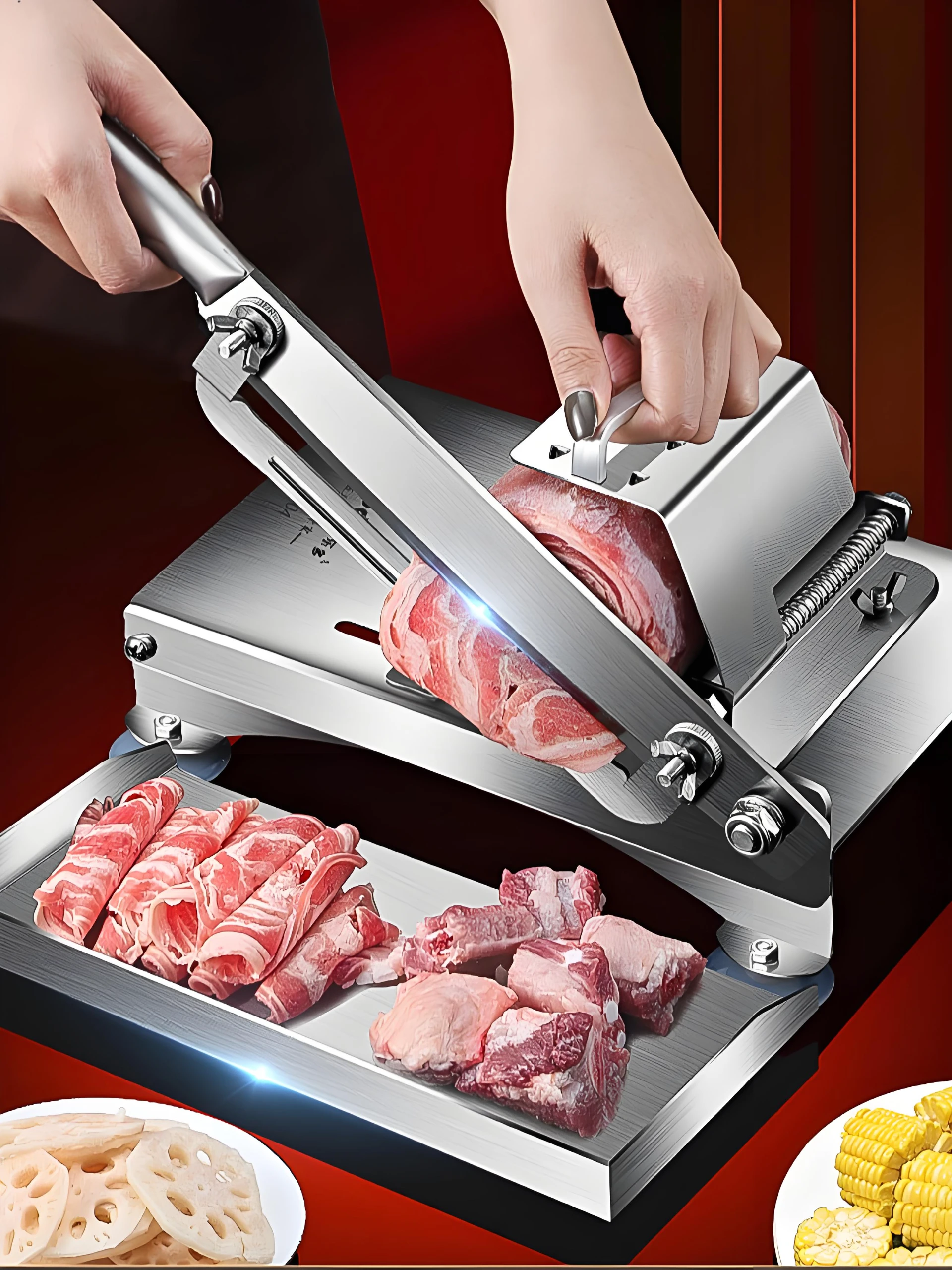
Simply put, a meat grinder blade assembly consists of the main cutting blade and the supporting components—such as the shaft and housing—responsible for mincing or grinding raw meat into a specific consistency. The blade itself is typically a star-shaped steel piece that rotates at high speed inside the grinder’s barrel.
Its connection to modern food industry practices is straightforward but profound: it transforms tough animal tissues into manageable, evenly minced products while maintaining freshness and lowering contamination risk. From family kitchens all the way to multinational meat processing plants, the blade assembly is the heart of that transformation.
Mini takeaway:
- Meat grinder blade assemblies are critical for creating uniform, safe, and high-quality ground meat products globally.
Core Components that Make a Difference
1. Durability & Material Composition
A blade’s metal alloy—often stainless steel or carbon steel—dictates how resistant it is to wear, corrosion, and deformation. In wet meat environments, corrosion can be a nightmare not only for longevity but also hygiene.
2. Sharpness & Cutting Edge Design
Blade geometry influences the grinding quality. A sharp, well-designed blade reduces shear force, resulting in cleaner cuts and less heat buildup that can damage meat proteins.
3. Ease of Maintenance & Cleaning
Considering microbial contamination risks, many manufacturers design blade assemblies for quick disassembly and dishwasher-safe materials. Smooth surfaces and fewer crevices are preferred.
4. Compatibility & Scalability
Blades must fit varied grinder models and scale from small butcher shops to massive automated production lines. Modular designs improve this adaptability.
5. Cost-efficiency
While high-grade steel blades may cost more upfront, the reduction in downtime and replacement frequency often means greater overall savings.
Mini takeaway:
- Balancing durability, sharpness, and hygiene-focused design is key to an effective meat grinder blade assembly.
Where Are Meat Grinder Blade Assemblies Used Worldwide?
Let’s paint the global picture:
- Industrial Meatpacking Plants: Massive producers in the U.S., Brazil, and Europe rely heavily on custom blade assemblies optimized for high-speed output.
- Small Butcher Shops & Artisan Producers: Regions like Italy or Japan, where craft butchery remains essential, use specialized smaller blades for precision.
- Disaster Relief & Humanitarian Kitchens: NGOs in conflict or disaster zones deploy portable shredders equipped with robust blade assemblies, enabling efficient protein processing on-site.
- Remote Agricultural Communities: Where meat grinding equipment must be rugged, easy to maintain, and multifunctional.
For an insightful example, during disaster relief operations in Southeast Asia, portable meat grinders with quick-change blade assemblies allowed volunteers to prepare fresh, safe meals for thousands efficiently, mitigating malnutrition risks.
Table: Typical Meat Grinder Blade Assembly Specs
| Specification | Typical Value | Remarks |
|---|---|---|
| Material | Stainless Steel 420 | Corrosion resistant & food-grade |
| Blade Thickness | 3.5 mm | Optimized for sharpness vs strength |
| Blade Diameter | 60–100 mm | Varies by grinder size |
| Surface Finish | Polished Mirror | Reduces sticking & bacterial growth |
| Replace Cycle | Every 6–12 months (industrial use) | Depends on usage intensity |
Comparing Popular Meat Grinder Blade Assembly Vendors
| Vendor | Material Quality | Price Range | Warranty | Availability |
|---|---|---|---|---|
| MechBlades | High-grade Stainless Steel | $$$ | 2 years | Global distributor |
| BladeTech Inc. | Carbon Steel with coating | $$ | 1 year | North America only |
| GrindMaster | Stainless Steel 304 | $$$ | 3 years | Europe & Asia |
Why Investing in a Quality Meat Grinder Blade Assembly Pays Off
Frankly, it’s more than just a blade; it’s the trust you place in your food processing system every day. The advantages stretch from the obvious—like sharper cuts for consistent texture—to deeper benefits such as increased food safety and reduced waste.
Long-term, high-quality blades mean fewer replacements, less downtime, and by extension, safer working conditions. The emotional side of this? Workers feel pride in reliably producing high-grade products, and consumers get peace of mind knowing what they eat was handled with care and precision.
Future Trends to Watch Out For
We’re starting to see some cool innovations around meat grinder blades. For instance, knife coatings embedded with antimicrobial agents are trending to reduce microbial contamination even further. Then, there’s talk of graphene-infused metals and additive manufacturing (3D printing) that could change blade customization forever.
Digital transformation is also coming to the grinder line: smart sensors to detect blade wear and signal maintenance before failures can save thousands. And let's not forget the increased push towards sustainability, encouraging materials that stay recyclable or biodegradable whenever possible.
Common Challenges & Smart Solutions
One big hurdle is balancing razor-sharp edges with long-lasting durability. Sharper blades dull faster and cost more in replacements. But with modern metallurgy and heat treatments, that balance is improving—sometimes yielding blades that last twice as long as before.
Another issue is hygiene compliance, especially in smaller or less centralized supply chains. The solution? Designing blade assemblies that disassemble easily and work with cleaning standards approved by organizations like the USDA or European Food Safety Authority.
FAQ: Your Meat Grinder Blade Assembly Questions Answered
-
Q: How often should I replace my meat grinder blade assembly?
A: For industrial use, expect to replace blades every 6 to 12 months depending on grinding volume and maintenance. Home use blades last longer but should be checked for dullness every few months. -
Q: Can I sharpen meat grinder blades myself?
A: Yes, but it requires proper stones and care for safety and even edges. Many professionals prefer sending blades to specialized sharpening services to maintain optimal shape and balance. -
Q: What materials make the best grinder blades for hygiene?
A: Food-grade stainless steels like 304 or 420 are most common due to corrosion resistance and ease of cleaning. Avoid coated carbon steels if you want longevity and hygiene. -
Q: Are there different blade sizes for different grinders?
A: Absolutely. Blades come in various diameters and thicknesses tailored to grinder capacity—from small home grinders (40-60mm) to large industrial units (100mm+). Always check compatibility. -
Q: Where can I buy reliable meat grinder blade assemblies?
A: Vendors like MechBlades offer high-quality, globally distributed assemblies suited for many applications.
Wrapping Up: The Essential Role of Meat Grinder Blade Assemblies
It might sound a little nerdy, but when you’re dealing with meat processing, the blade assembly is king. It affects everything from the flavor and texture of your product, safety, cost, and ultimately the success of entire supply chains. Whether you’re a processor, NGO worker, or just someone fascinated by the unseen details behind our food, investing time to understand these components can absolutely pay dividends.
Interested in premium, reliable assemblies that get the job done? Visit us at MechBlades and discover what sharp service really means.