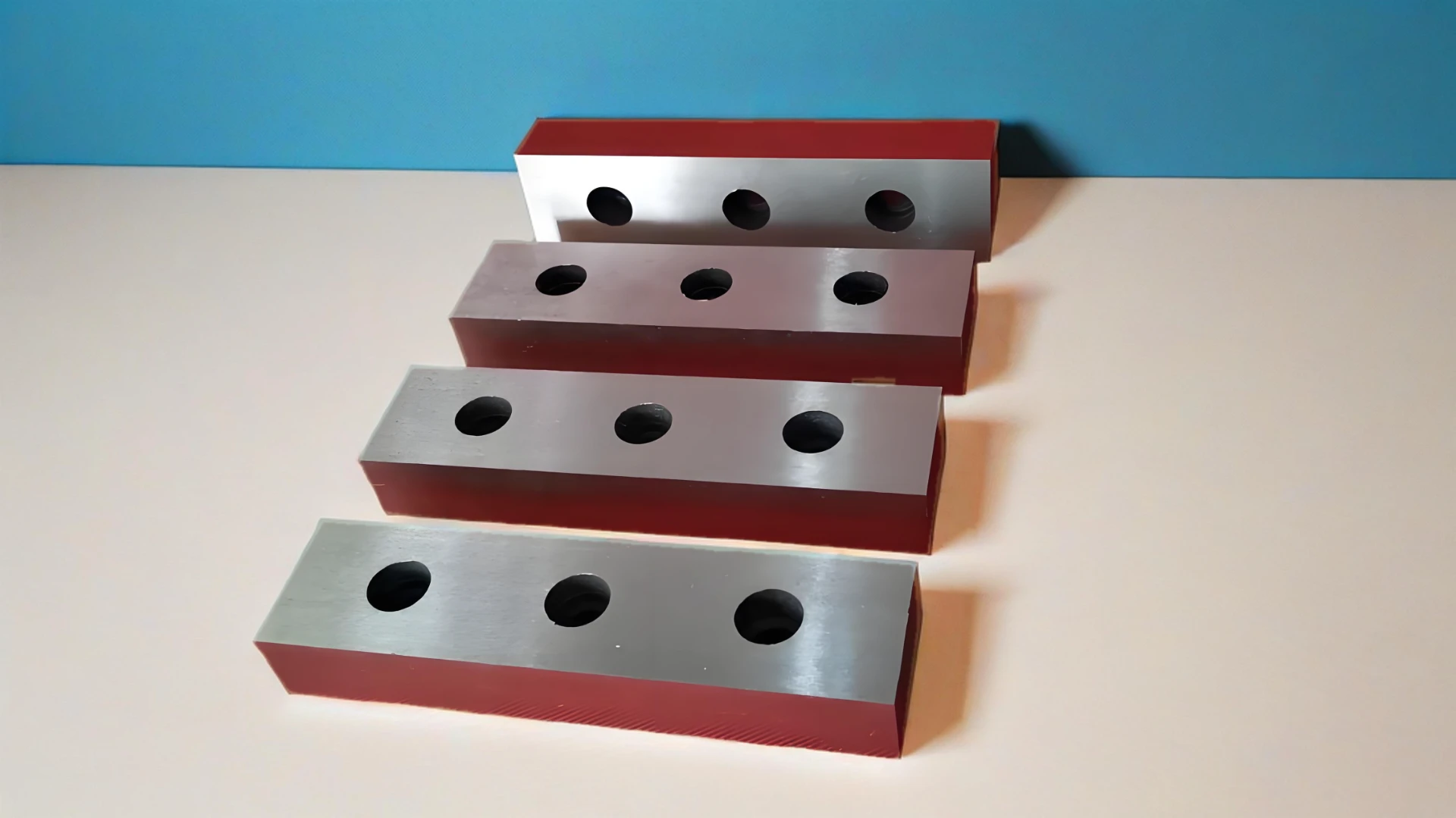
Understanding the Role of the 8 Meat Grinder Blade in Modern Processing
Whether you’re a professional chef, a small business owner, or simply curious about what keeps your favorite sausages juicy and consistent, the 8 meat grinder blade is something worth knowing about. This component—often overlooked and underestimated—acts as the beating heart of efficiency in meat processing worldwide. Given the growing global appetite for processed meat, understanding this tiny but mighty part has benefits that ripple through industries, kitchens, and even humanitarian efforts.
Why the 8 Meat Grinder Blade Matters on a Global Scale
Globally, meat consumption has been rising steadily. According to the UN’s Food and Agriculture Organization, the global per capita meat intake rose by over 20% in the last two decades. With this demand comes an urgency for tools that can produce processed meat swiftly, safely, and with minimal waste. The 8 meat grinder blade, a popular blade size and style for fine and medium grinding, is part of that equation. It helps streamline workflows in both industrial settings and smaller-scale setups, improving texture, safety, and yield.
However, challenges remain—especially in remote areas or developing countries where maintaining equipment can be tough, or when food safety practices don't always align with rapid processing. The blade, thus, ties into both modern manufacturing needs and the broader push for food security and efficiency.
Mini takeaway: Being familiar with the 8 meat grinder blade isn’t just kitchen jargon; it’s a glimpse into global food production’s backbone.
What Exactly Is an 8 Meat Grinder Blade?
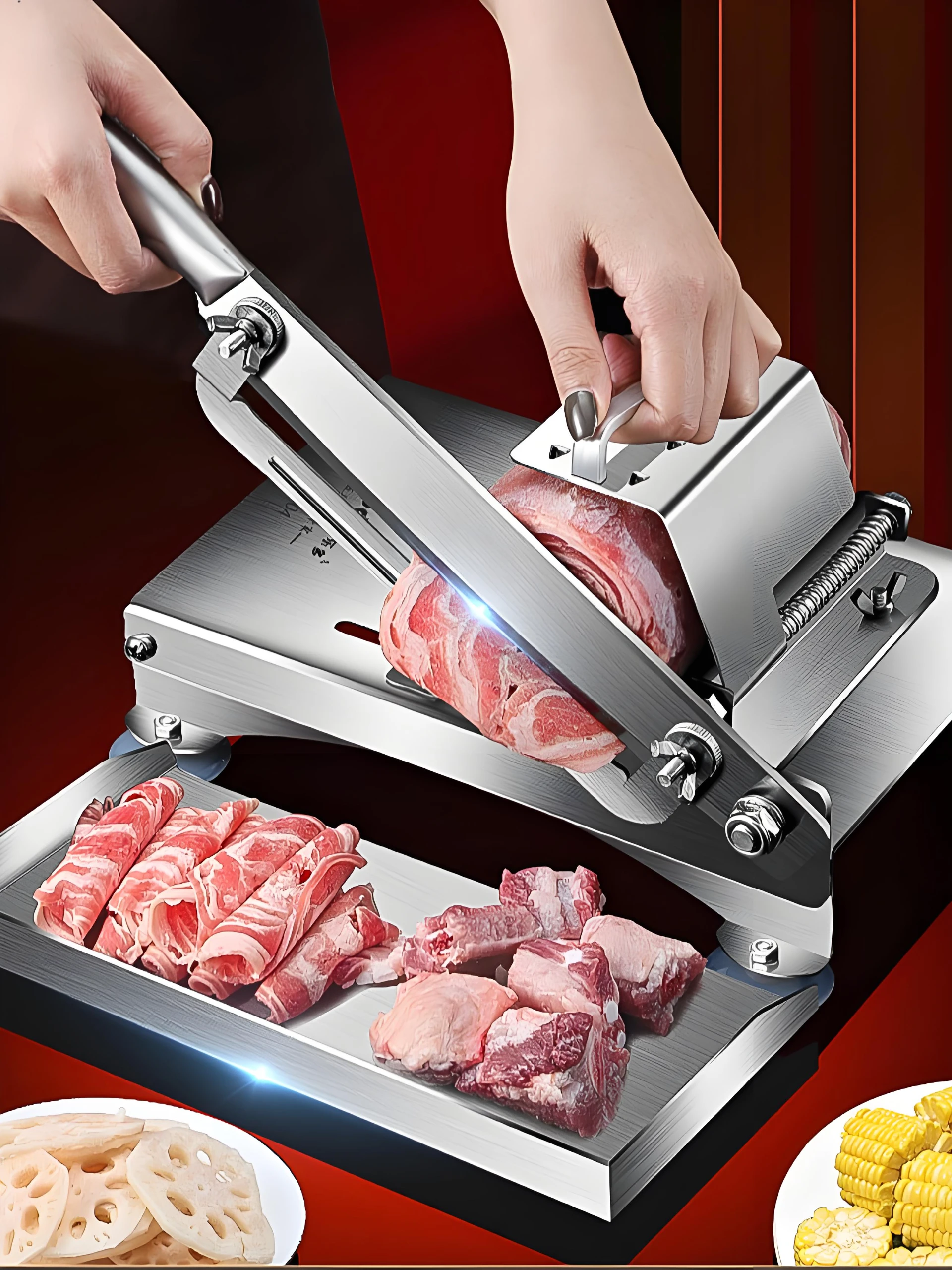
Simply put, an 8 meat grinder blade is a cutting tool designed to fit meat grinders sized with an “8” designation—these sizes relate to the grinder's feed tube diameter and capacity. The blade rotates rapidly inside the grinder, chopping meat into small pieces before pushing it through a perforated plate, producing ground meat of consistent quality.
In humanitarian efforts—like refugee camp kitchens or emergency food preparation—the blade’s efficiency allows for the rapid, safe processing of meat into understandable portions, ensuring nutritional needs are met faster. It’s not just about cutting meat; it’s about reliable, scalable food production.
Core Attributes of the 8 Meat Grinder Blade
Durability
Made generally from stainless steel or hardened carbon steel, these blades must withstand constant abrasion and moisture without corroding. Engineers often emphasize “edge retention” since frequent sharpening or replacements slow down production.
Sharpness & Precision
Sharp blades make cleaner cuts, preserving the meat’s texture. The 8-size blades tend to be medium in thickness to strike a balance between speed and particle size, which affects the final product quality.
Compatibility
The “8” size is pretty standardized across many grinder brands, allowing interchangeability. Still, subtle design variations matter, especially when upgrading or replacing parts on older machines.
Cost Efficiency
Compared to other blade sizes, the 8 meat grinder blade hits a sweet spot on cost versus performance. Buying in bulk and choosing OEM blades often further reduce costs.
Maintenance
Simple design means easier cleaning and sharpening. What many engineers stress is that regular maintenance can extend blade life by up to 50%, saving money in the long run.
Mini takeaway: The right blade is an investment—not just a tool. Its features directly impact production quality and durability.
Global Applications and Where the 8 Meat Grinder Blade Shines
You might think of meat grinders as a kitchen appliance, but they’re critical worldwide in:
- Industrial food processing plants: where thousands of pounds are ground daily for packaged products.
- Small butcher shops and artisanal producers: seeking consistent texture without large-scale machinery.
- Humanitarian kitchens: where fast, reliable production of safe protein is vital during crises.
- Food trucks and catering businesses: requiring compact, robust grinding solutions.
Oddly enough, the adaptability of the 8 meat grinder blade means it shows up even in regions with varying infrastructure—from bustling US cities to rural parts of Africa or Southeast Asia, as NGOs strive to empower local food production.
Mini takeaway: The blade’s versatility makes it a silent star behind many meals, in all corners of the world.
Advantages & Long-Term Value of the 8 Meat Grinder Blade
Aside from the obvious benefit of cutting meat, the 8 meat grinder blade brings several compelling advantages:
- Cost savings: Faster grinding reduces labor hours.
- Sustainability: Efficient cuts mean less wasted meat.
- Reliability: Less frequent replacements keep production steady.
- Food safety: Clean, sharp blades reduce bacterial risk thanks to easier cleaning.
- Emotional impact: Knowing your meat grinder blade is trusted worldwide feels... reassuring.
For businesses, these benefits translate into customer trust, product consistency, and brand reputation—those intangibles that really define success.
Future Trends Shaping the Evolution of Meat Grinder Blades
Technology never rests. In the realm of meat processing blades, we’re seeing several promising innovations:
- Advanced alloys and coatings: Nano-ceramics and titanium composites that resist wear and corrosion far longer.
- Automation integration: Blades paired with sensors that detect dullness or improper grinding in real time.
- Eco-friendly manufacturing: Using sustainable metal sources and recyclable materials.
- Modular designs: Allowing for quick blade swaps without complex tools.
These trends could redefine what we expect from a simple piece of metal—and frankly, I’m excited to see where these lead.
Challenges and Practical Solutions
Of course, no blade is perfect. Common issues include:
- Blade dulling: Meaning frequent downtime to sharpen.
- Corrosion risks: Especially in humid or salty environments.
- Compatibility concerns: When mixing parts from different vendors.
Experts recommend preventative maintenance schedules, using corrosion-resistant materials, and choosing vendors that guarantee compatibility to tackle these. In many field setups, training local operators on blade care makes a huge difference.
Product Specification Table – Typical 8 Meat Grinder Blade
| Specification | Details |
|---|---|
| Material | Stainless steel 420 / Carbon steel |
| Diameter | Approx. 2.5 inches (63.5 mm) |
| Blade thickness | ~3 mm |
| Edge type | Symmetric four-point cutting edges |
| Compatibility | Fits most 8-size meat grinders |
| Maintenance | Sharpen using whetstone every 6–8 weeks under heavy use |
Vendor Comparison Table for 8 Meat Grinder Blades
| Vendor | Material Quality | Price Range | Warranty | Customer Support |
|---|---|---|---|---|
| BladeMaster Pro | High-grade stainless steel | $$$ | 2 years | 24/7 phone & chat support |
| GrindEase | Carbon steel alloy | $ | 1 year | Email support only |
| MechBlades | Premium stainless + corrosion resistant coating | $$ | 18 months | Phone, chat, and onsite help |
Frequently Asked Questions About the 8 Meat Grinder Blade
Q1: What makes an 8 meat grinder blade better than smaller sizes?
The “8” size hits the balance between capacity and precision—it’s large enough for significant volumes yet fine enough to produce consistent, smooth grinding. Smaller blades often handle less meat and might struggle with efficiency.
Q2: How often should I sharpen my 8 meat grinder blade?
For heavy, daily use, sharpening every 6–8 weeks is typical. Lighter or occasional users can stretch this to every 3 months. Always monitor grinding quality—if the meat isn’t cutting cleanly or texture changes, it’s sharpening time.
Q3: Can I use a generic blade from any supplier on my grinder?
Compatibility depends. While many 8 meat grinder blades fit standard machines, differences in mounting design or blade thickness mean you should verify specifications before purchasing to avoid damage or inefficiency.
Q4: Is corrosion a major issue with these blades?
If moisture isn’t managed correctly, yes. Using stainless steel with proper cleaning after each use minimizes rust. In high-humidity environments, blades with corrosion-resistant coatings are recommended.
Q5: Are there eco-friendly options for meat grinder blades?
Innovations in recyclable materials and sustainable manufacturing processes are emerging, though stainless steel remains the standard—mostly because of its durability and recyclability at end-of-life.
Wrapping Up: Why the 8 Meat Grinder Blade Is More Than Just a Tool
The humble 8 meat grinder blade encapsulates a fascinating intersection of engineering, culinary arts, and global food systems. It offers a dependable balance of durability, cost, and performance that supports everything from boutique butcher shops to vast humanitarian kitchens. If you want to make the best choices—whether upgrading your equipment or setting up in a resource-challenged environment—knowing the ins and outs of this blade matters a lot.
For those ready to explore or upgrade your blades, check out 8 meat grinder blade options and see what the finest manufacturers offer in terms of quality and support.