Why Tomato Slicer Blades Replacement Matters Globally
If you’ve ever handled a commercial kitchen or even a tomato slicing machine at an industrial scale, you know the frustration when blades get dull. Tomato slicer blades replacement isn’t just a niche maintenance task—it’s a vital part of keeping food production efficient, safe, and sustainable worldwide. Whether you’re a food manufacturer in California, a packhouse operator in Spain, or a humanitarian food aid processor in Africa, replacing worn-out blades can mean the difference between smooth operations and costly downtime.
To put it bluntly, a sharp blade slices cleanly, reduces waste, and speeds throughput. Dull blades? They slow you down, damage tomatoes, and rack up losses. On a global scale, the efficiency of tomato processing directly influences food supply chains, export quality, and ultimately, consumer satisfaction. With global tomato production hitting roughly 190 million tonnes annually (FAO, 2022), blade maintenance is an unsung hero behind the scenes.
Mini takeaway: Regular tomato slicer blades replacement keeps the wheels of global food processing turning smoothly, saving money & reducing waste.
Tomato Slicer Blades Replacement in a Global Context
Around the world, fresh and processed tomatoes are a staple in countless diets and recipes. According to the Food and Agriculture Organization (FAO), tomatoes rank as one of the top ten most produced vegetables globally. In Europe and the Americas, massive processing plants slice and dice hundreds of tonnes daily. But what happens when slicer blades wear down? The entire efficiency chain falters.
Modern tomato slicers must meet ISO safety and hygiene standards, especially with the rise in plant automation. However, despite automation advancements, the wear-and-tear on blades caused by acidity, high throughput, and daily operation can’t be overlooked. The World Bank, in its agricultural supply chain reports, flags machinery maintenance—especially blade replacement—as a key factor influencing production quality in emerging markets.
Here’s a common challenge: Many factories delay blade replacement to save costs, but this short-term thinking leads to degraded product quality and increased waste, harming margins in the long run. This is where understanding the nuances of tomato slicer blades replacement becomes essential.
Defining Tomato Slicer Blades Replacement
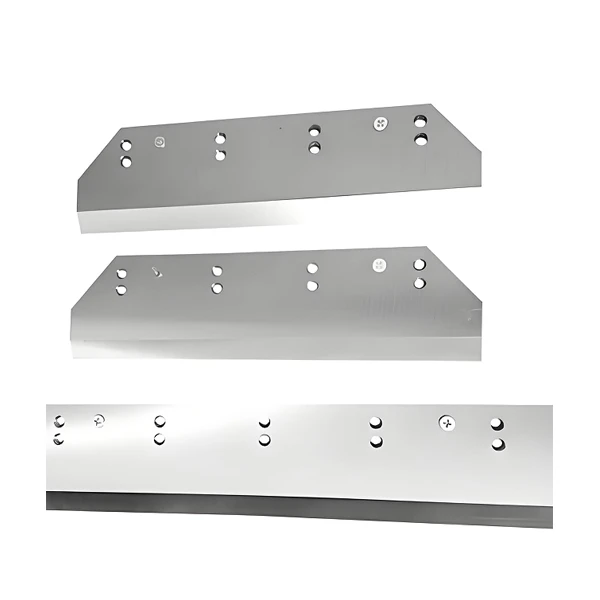
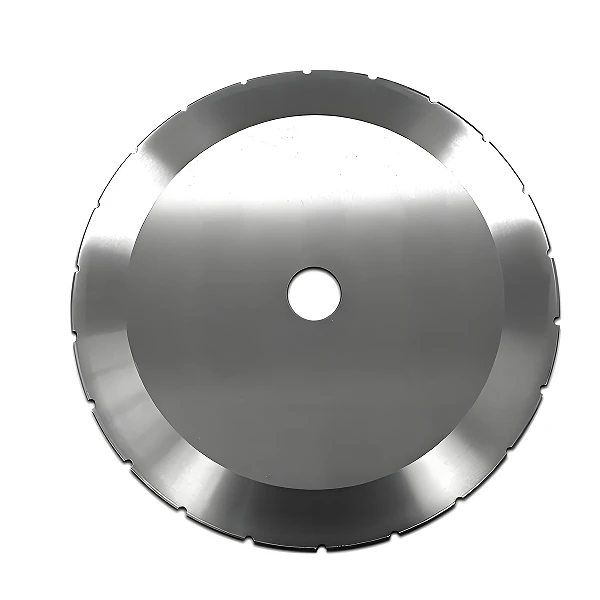
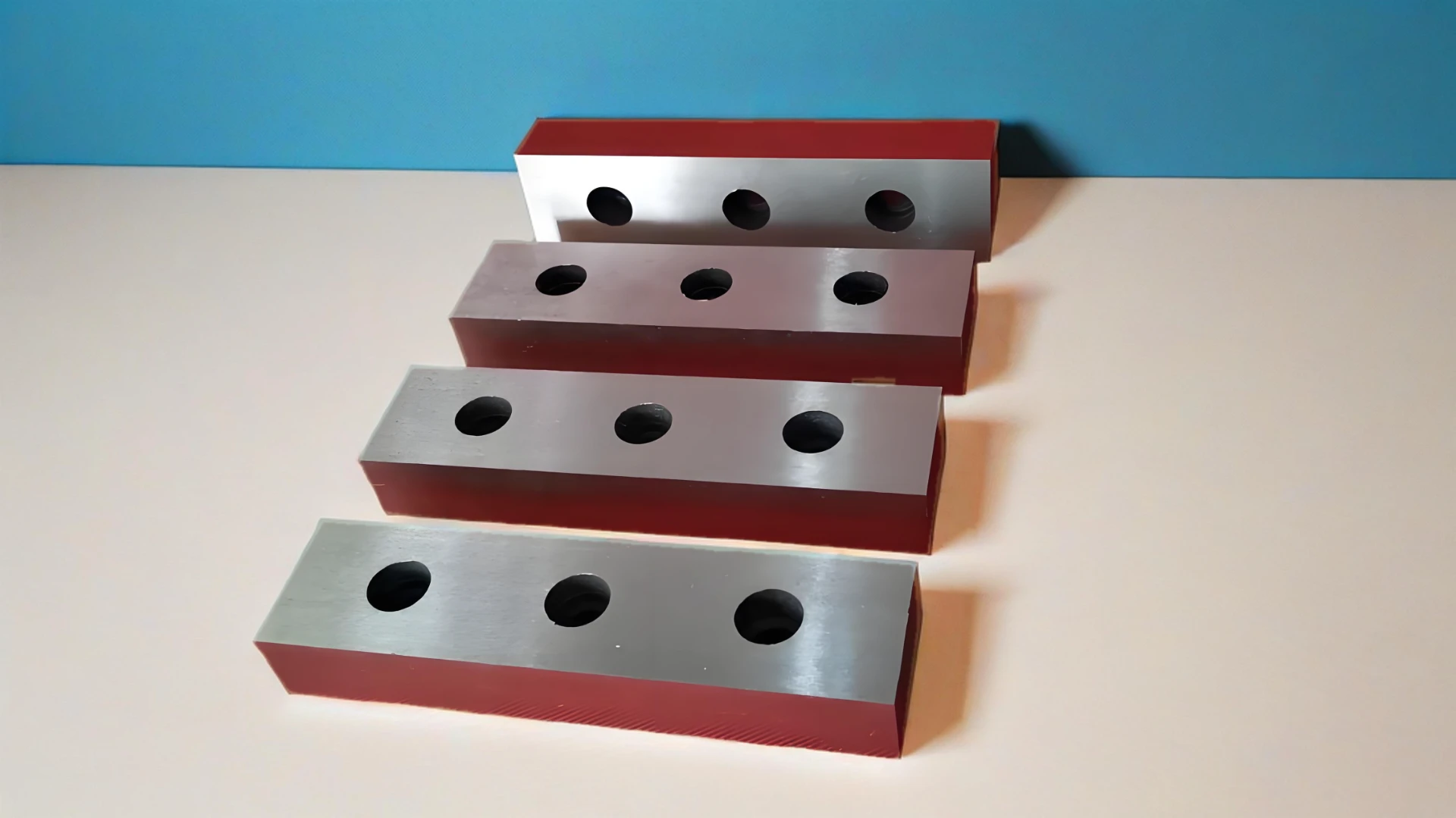
Simply put, tomato slicer blades replacement means swapping out the worn or damaged blades on a tomato slicing machine with fresh, sharp ones. Tomato slicer blades are typically made of stainless steel or advanced alloys designed to withstand the acidity and moisture content of tomatoes. The replacement process ensures optimal cutting performance, avoiding crushing the fruit or producing uneven slices.
Beyond the kitchen, these blades play a role in humanitarian aid kitchens, commercial food production lines, and even automated retail food processors. The link between sharp blades and food safety, minimal waste, and operational efficiency makes their replacement a critical maintenance task.
Mini takeaway: Tomato slicer blades replacement isn’t just swapping metal parts — it’s about preserving quality, safety, and productivity in food processing.
Core Components and Factors That Affect Replacement
Durability & Material Quality
Many blades are precision-crafted from corrosion-resistant stainless steel or coated alloys that fend off acids and moisture. Durable blades resist chipping and rust, extending the period between replacements. But no blade lasts forever — even the best will dull after thousands of cuts.
Cutting Precision & Design
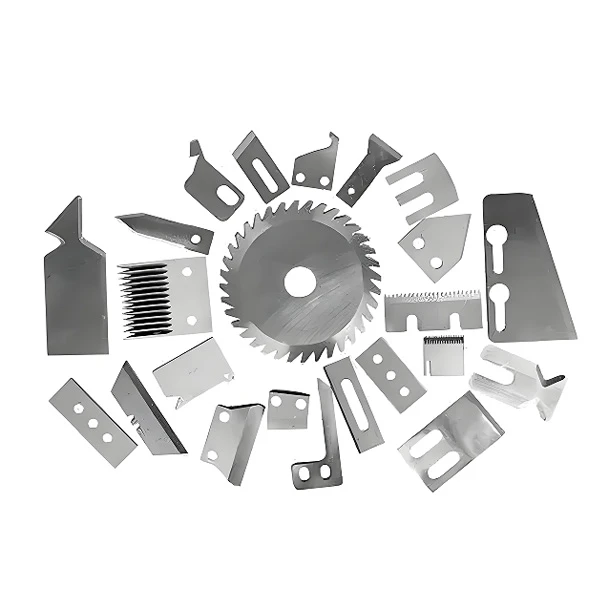
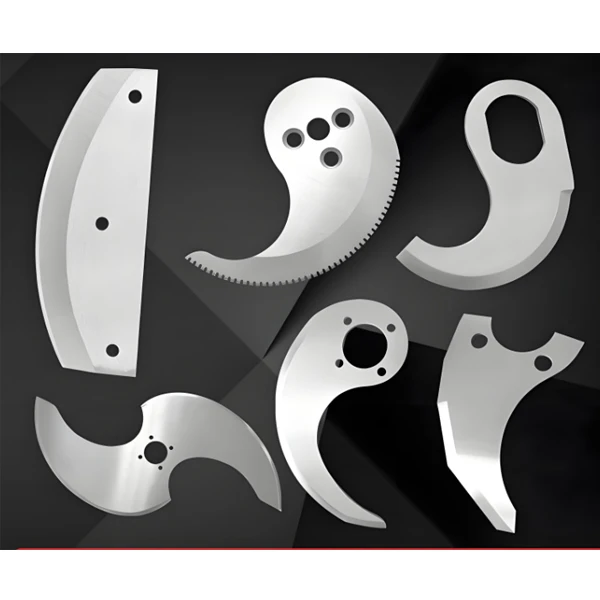
Blade geometry affects slicing efficiency. Serrated edges, scallops, or straight edges each serve different slicing needs. The replacement blade must match the original’s cutting profile to maintain consistent slice quality.
Cost Efficiency & Replacement Frequency
Operators balance the cost of new blades against productivity loss from dull blades. Frequent replacement means higher parts cost but less downtime and waste. The wrong balance can bite your bottom line.
Scalability & Compatibility
Blade replacements must fit the specific machine brand and model. Many factories use multiple slicer types, so a dependable vendor with comprehensive product ranges matters.
Ease of Installation & Safety
Quick-change mechanisms and clear safety protocols reduce machine downtime and protect workers during replacements.
Global Applications & Use Cases
In southern Italy’s tomato canning hubs, tomato slicer blades replacement happens daily to keep the massive lines moving during harvest seasons. These plants process hundreds of tonnes per day, so downtime equals real money lost.
In Sub-Saharan Africa, NGOs supplying school feeding programs count on NGOs or local suppliers to provide reliable blade replacements — sometimes in remote regions where supply chains are patchy. Poor blade quality means higher food waste, undermining programs that aim to tackle malnutrition.
In emerging industrial vegetable processing areas of Southeast Asia, factory automation has created a surge in demand for high-quality replacement blades compatible with newer machines, signaling a regional growth story.
Mini takeaway: From industrial giants in Europe to humanitarian aid kitchens in Africa, tomato slicer blades replacement plays a silent but pivotal role.
Advantages & Long-Term Benefits
- Reduced Food Waste: Sharp blades ensure clean cuts, minimizing bruising and spoilage.
- Enhanced Safety: Replacing blades prevents machine jams, reducing injury risks.
- Cost Savings: Avoids downtime and lowers defective product rates.
- Sustainability: Longer-lasting blades mean less frequent waste of metal parts.
- Trust & Consistency: Customers get the quality they expect, building brand loyalty.
Emotionally, food producers often speak about the “peace of mind” that comes with knowing maintenance won’t cause unexpected breakdowns mid-shift. That kind of reliability sometimes feels priceless...
Product Specification Table
| Specification |
Typical Value |
Comments |
| Material |
Stainless Steel 420 / Coated Alloy |
Resists corrosion and acidity |
| Blade Thickness |
0.8–1.2 mm |
Optimized for minimal slicing friction |
| Diameter / Length |
100–200 mm |
Varies by machine model |
| Edge Type |
Serrated or straight |
Depends on slicing style |
| Replacement Interval |
Every 2000–4000 kg sliced |
Highly dependent on usage and blade care |
Vendor Comparison Table
| Vendor |
Blade Types |
Material Quality |
Price Range |
Customer Support |
| MechBlades |
Serrated, straight, custom shapes |
Premium alloy steel |
Mid to high |
24/7 support & quick delivery |
| SliceTech Co. |
Standard serrated blades only |
Stainless steel 304 |
Budget-friendly |
Business hours only |
| BladeMasters |
Wide variety, including coated blades |
Advanced ceramics & alloys |
Premium |
Dedicated account managers |
Looking Ahead: Innovations on the Horizon
The future of tomato slicer blades replacement looks pretty interesting. Material science is pushing boundaries—ceramic-coated blades have longer life spans, and some vendors are experimenting with self-sharpening edges that cut down replacement frequency. Automation also plays in, with sensors detecting blade sharpness in real-time, alerting operators before quality drops.
Green manufacturing processes, like recycling old blades or using eco-friendly coatings, are gaining traction too, which aligns with global sustainability goals promoted by the UN. Oddly enough, as machinery gets smarter, something as “old school” as blade replacement is becoming high-tech — a nice juxtaposition.
Mini takeaway: Smart sensors, innovative materials, and sustainability trends are revolutionizing blade replacement cycles.
Common Challenges & How to Overcome Them
- Supply Chain Delays: In remote locations, ordering blades can be slow. Partner with suppliers offering regional warehouses or fast shipping options.
- Incorrect Blade Fittings: Using a wrong blade can damage machines or produce subpar slices. Always reference machine specs and vendor catalogs carefully.
- Lack of Employee Training: Poor blade installation causes injuries or machine damage. Invest in training and clear safety protocols.
- Cost Pressures: Some companies skimp on replacements to save money, but this often backfires. Emphasize total cost of ownership over sticker price.
Expert technicians often recommend scheduled maintenance plans combined with usage tracking apps to get replacement timing just right.
FAQ: Your Tomato Slicer Blades Replacement Questions Answered
- How often should I replace tomato slicer blades?
- Replacement frequency depends on throughput and tomato type but generally ranges from every 2000 to 4000 kg processed. Regular inspections for dullness are key.
- Can I use generic blades for different slicers?
- It’s risky. Blades must match machine specifications precisely to avoid performance issues or damage. Always refer to manufacturer compatibility charts.
- What makes high-quality blades worth the investment?
- Higher-grade materials and precision manufacturing ensure longer life, better cuts, and less downtime, which often offsets the upfront cost.
- Are there eco-friendly options for blades?
- Yes, some vendors offer recyclable blades or utilize sustainable coating processes, helping reduce environmental footprints.
- Can I get blade replacements shipped internationally?
- Most major suppliers, including MechBlades, provide international shipping with customs support to facilitate global operations.
Conclusion & Next Steps
To sum it up, tomato slicer blades replacement might seem like a small cog in the vast food industry machine, but its impact is anything but small. It drives food quality, reduces waste, and protects investments in machinery. Staying ahead with timely replacements, choosing quality blades, and embracing innovative technologies will keep your operation cutting-edge — literally.
If you need trustworthy blade replacement options backed by expert advice and fast delivery,
MechBlades stands ready to help.
Stay sharp, keep slicing clean!
References
- FAO Statistical Yearbook 2022
- ISO 22000: Food Safety Management
- World Bank Agricultural Supply Chains