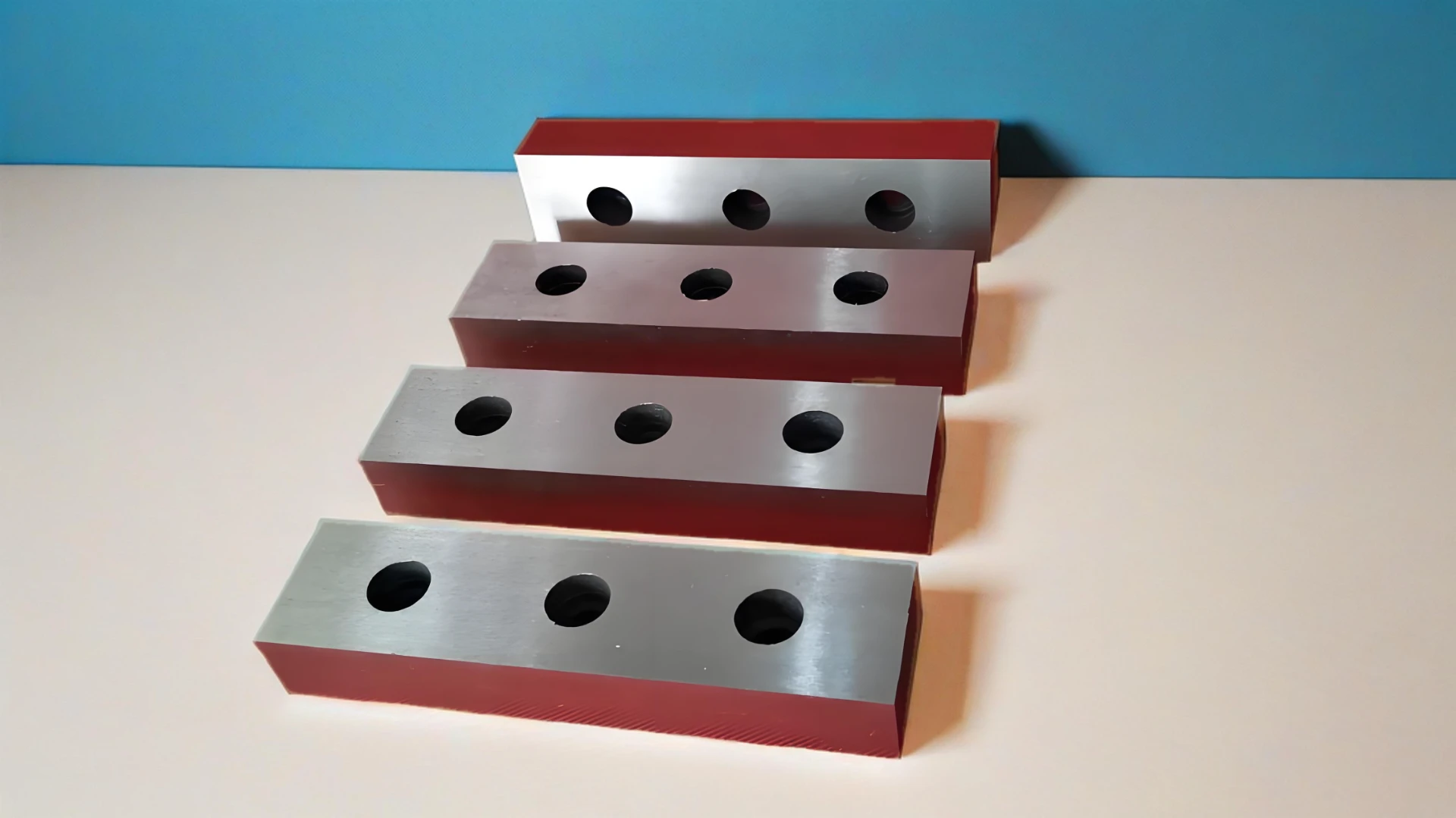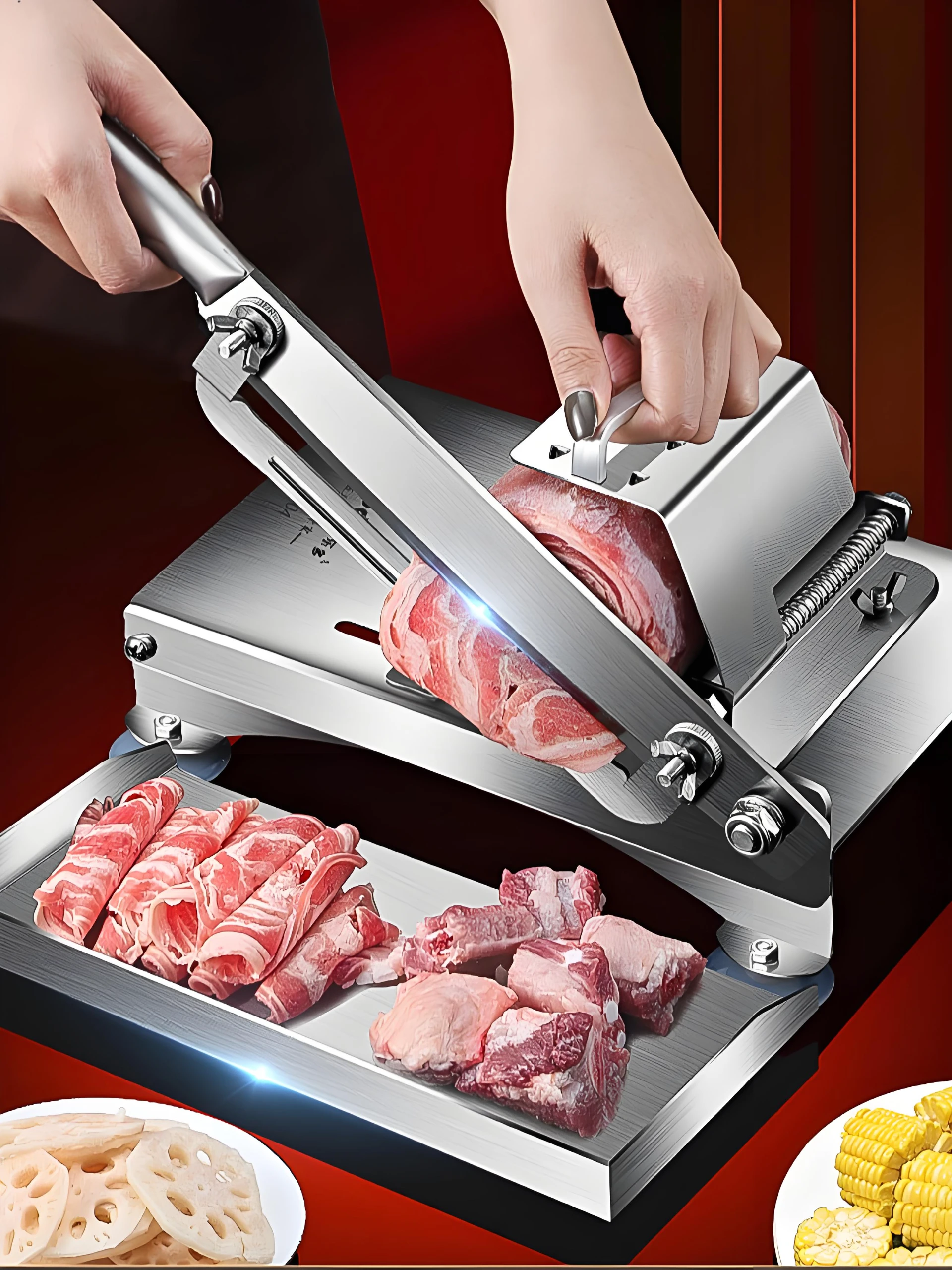
Understanding the Importance of 10 Meat Grinder Blade: Cutting Through Complexity
When it comes to food processing, the 10 meat grinder blade plays an unsung but utterly critical role. Globally, meat processing isn't just about efficiency; it touches food safety, sustainability, and even economic livelihoods. Whether you’re running a small butcher shop or managing an industrial meat processing facility, the right blade matters far beyond sharpness. In fact, it shapes how well you can process different cuts of meat, minimize waste, and meet hygiene standards. Grasping what a 10 meat grinder blade entails, and its practical benefits, is key to ensuring quality output—and ultimately survival in a fiercely competitive market.
Global Context: Why 10 Meat Grinder Blades Are Essential Today
According to the Food and Agriculture Organization (FAO), the worldwide meat industry produces over 320 million tons of meat annually. Behind that staggering figure lies a complex network of equipment, with blades like the 10 meat grinder blade right at the core. The demand for faster, cleaner, and more consistent meat grinding is rising, especially in countries with booming food production like the US, Brazil, and China.
Yet, processors face challenges from variable meat texture, contamination risks, and regulatory pressures—issues that blunt, poorly designed grinder blades simply cannot address. As ISO standards tighten and consumer expectations evolve, the 10 meat grinder blade emerges as a critical technology to improve both output and safety.
Defining the 10 Meat Grinder Blade: More Than Just a Cutting Tool
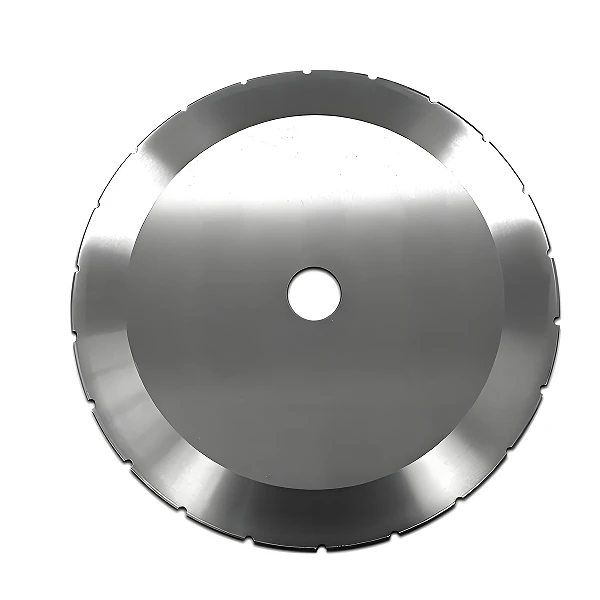
Simply put, a “10 meat grinder blade” refers to a specific size and style of blade used in electric or manual meat grinders. The “10” usually denotes the grinder size or model it’s compatible with, often corresponding to the auger diameter or plate size.
What sets this blade apart is its balance between meat cutting precision and versatility. Designed with sharp, durable edges, it slices through chunks of meat to prepare mince or sausage with ease. Beyond butchery, these blades play roles in humanitarian food programs needing reliable meat processing in remote areas, where equipment downtime is costly.
Key Attributes of a 10 Meat Grinder Blade
Durability & Material Quality
Most 10 meat grinder blades are forged from stainless steel, offering corrosion resistance and lasting sharpness. Industry veterans say blades made from hardened steel or carbon steel variants are favored because they maintain edge integrity after continuous use.
Blade Design & Cutting Efficiency
The geometry—the angles and thickness—of the blade edges affect how finely and quickly meat is ground. A well-designed 10 meat grinder blade ensures minimal meat fiber damage and reduces overheating, which helps preserve texture and flavor.
Ease of Cleaning & Hygienic Standards
With growing concern over foodborne illnesses, blades that are easy to dismantle and dishwasher-safe are increasingly demanded. Smooth finishes and simple blade-holder mechanics reduce contamination risks.
Compatibility & Customization
Though designed for “10” size grinders, blades sometimes come in proprietary variants for different brands. Many processors require custom blade edges—for example, serrated or loured blades—to suit specific meat types or grinding speeds.
Product Specification Table: Typical 10 Meat Grinder Blade (Model X10)
| Specification | Details |
|---|---|
| Blade Diameter | 10 cm (approx 4 inches) |
| Material | Stainless Steel 420 / Hardened Carbon Steel option |
| Edge Type | Sharp double bevel (some models serrated) |
| Compatibility | Fits standard 10” grinder plates and augers |
| Weight | Approx. 120 g |
| Cleaning | Dishwasher safe (recommended hand wash) |
Comparing Top Vendors of 10 Meat Grinder Blades
| Vendor | Material Variety | Customization | Price Range (USD) | Delivery Speed |
|---|---|---|---|---|
| MechBlades Co. | SS420, Carbon Steel | High (custom edges) | $15 - $30 | 1-3 days |
| GrindTech Ltd. | Stainless Steel only | Medium | $12 - $28 | 3-5 days |
| BladeWorks. | Varied alloys | High | $18 - $35 | 2-4 days |
Global Applications & Use Cases for 10 Meat Grinder Blades
The applications of the 10 meat grinder blade stretch from local butcher shops in Europe to large-scale meat processing plants in South America. Oddly enough, you’ll find these blades playing a critical role in humanitarian food programs too. Take post-disaster relief operations in Southeast Asia, for example — where ground meat serves as a vital protein source in field kitchens. Here, rugged blades that can withstand frequent sterilization are lifesavers.
In industrial zones like Texas and Germany, the blades help automate high-volume sausage production lines, maintaining consistency for international markets. Meanwhile, smaller enterprises in Africa, where infrastructure limits access to processed meats, rely on robust grinder blades to enhance local food security initiatives.
Mini takeaway:
The 10 meat grinder blade is not merely a machine part; it’s a globally relevant component enabling food safety, access, and economic opportunity.
Advantages & Long-Term Value of Using a Quality 10 Meat Grinder Blade
Investing in a reliable 10 meat grinder blade offers practical benefits: less downtime from blunt edges, fewer product rejections due to inconsistent mince, and improved hygiene compliance. From an emotional standpoint, processors often report greater confidence and pride in their output.
Logically, the blade helps reduce waste—by cutting meat more cleanly—thus supporting sustainability goals. Plus, in regions where food safety is tightly regulated, consistent blade performance builds trust with consumers and inspectors alike.
Future Trends & Innovations on the Horizon
What’s next for the humble 10 meat grinder blade? Engineers are experimenting with advanced coatings like titanium or ceramic to prolong blade life against corrosion and wear. Digital integration is also a hot topic—smart grinders with blade condition sensors could alert operators before performance drops.
Meanwhile, with growing interest in plant-based “meats,” grinders capable of handling diverse textures are gaining attention. Sustainability trends push toward recyclable, food-safe materials and energy-efficient grinding designs.
Challenges & Practical Solutions
Despite these advantages, challenges remain. Meat grinding can generate heat that dulls blades faster. Also, irregular or frozen meat chunks risk damaging delicate blades. Many manufacturers and processors combat these issues through better blade metallurgy and operator training—plus regular blade sharpening schedules.
FAQ: Your Top Concerns About 10 Meat Grinder Blade
- Q: How can I tell when my 10 meat grinder blade needs replacing?
A: Signs include slower grinding, inconsistent mince size, or visible nicks on the blade edges. Regular inspection every few weeks in heavy use helps avoid downtime. - Q: Are all 10 meat grinder blades compatible with standard grinders?
A: Mostly yes, but always check the manufacturer’s specs. Some brands use proprietary fittings requiring specific blades. - Q: What cleaning method prolongs blade life?
A: Hand washing with warm, soapy water helps prevent corrosion. Though some blades are dishwasher-safe, harsh detergents and heat may degrade materials faster. - Q: Can I sharpen 10 meat grinder blades myself?
A: Small touch-ups are possible with sharpening stones, but professional sharpening ensures proper angles and safety.
Wrapping Up: Why the 10 Meat Grinder Blade Matters for Your Business
Whether you’re a restaurateur, food manufacturer, or aid organization, the 10 meat grinder blade deserves a place in your equipment checklist. It’s all about reliability, efficiency, and quality — factors that echo loudly in food safety and customer satisfaction. For quality blades, trusted customization, and fast delivery, 10 meat grinder blade specialists like MechBlades Co. have you covered.
Mini takeaway:
Choosing the right blade now means fewer headaches and more consistent products tomorrow—definitely worth the sharp focus.