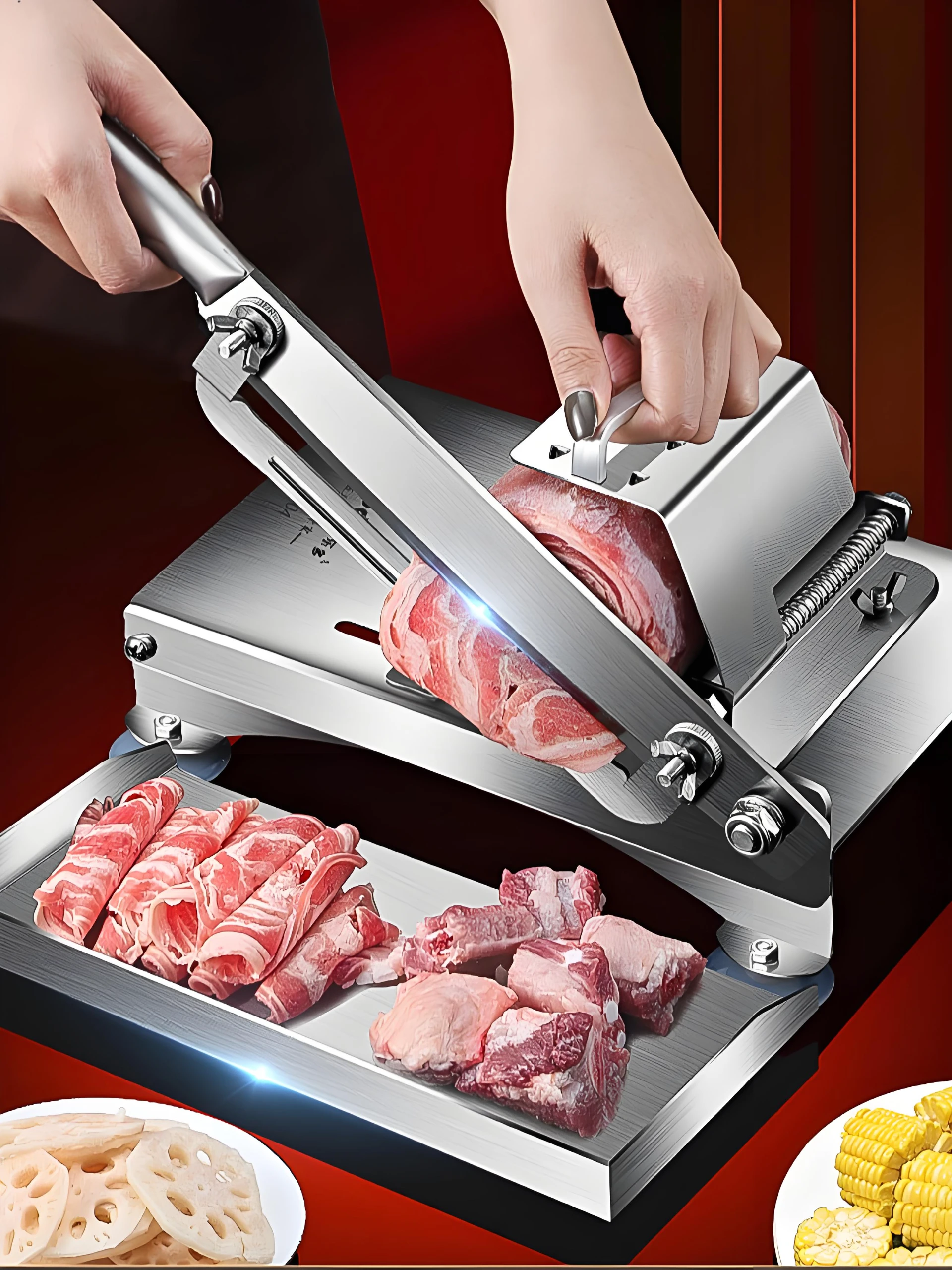
The Essential Role of Electric Meat Grinder Blades in Today's Industry
At first glance, electric meat grinder blades might seem like a simple component — just a sharp edge twisting and turning inside a machine, right? Yet these blades drive an entire segment of the global food industry, quietly performing the vital task of transforming raw meat into usable products at scale. Understanding their design, durability, and versatility isn't just a niche engineer’s obsession. It’s critical for both food manufacturers and humanitarian groups who rely on fast, reliable processing especially in places where preservation and safe food handling are urgent.
Globally, meat consumption has soared; according to the Food and Agricultural Organization (FAO), meat production doubled in the last 40 years. With demand rising, efficient processing tools like electric meat grinder blades become linchpins of not just industry but food security. This article digs into why these blades matter, their applications, and what the future holds for them. Let’s slice through the layers.
Why Electric Meat Grinder Blades Matter Globally
The global meat industry is a powerhouse. Per World Bank data, food processing accounts for over 30% of the total manufacturing sector in many developed economies, and meat grinding is a pivotal step in this chain. But here’s the kicker — the quality and design of grinder blades greatly impact processing speed, energy consumption, and product consistency.
In remote regions or disaster zones where refrigeration is limited, having efficient electric meat grinder blades can mean the difference between usable protein and waste. It's also a pivotal technology for scaling up operations in halal, kosher, or allergen-controlled food production where precision and safety are paramount.
What Are Electric Meat Grinder Blades?
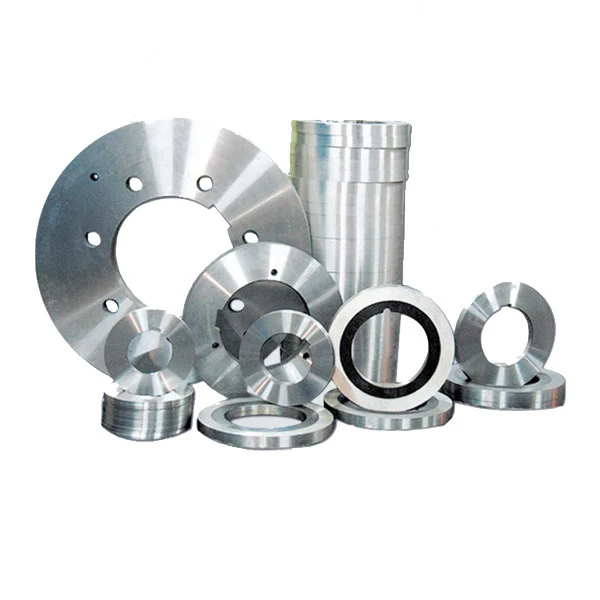
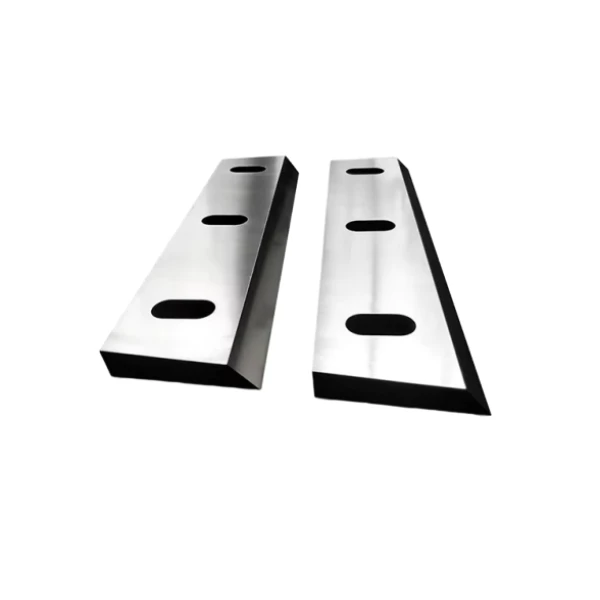
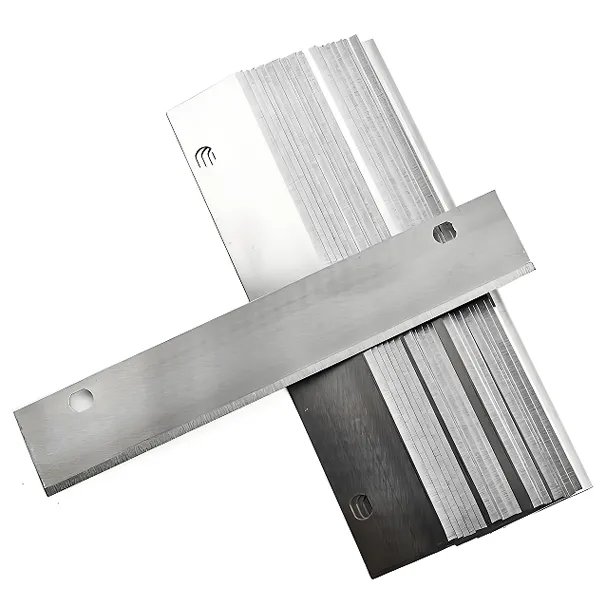
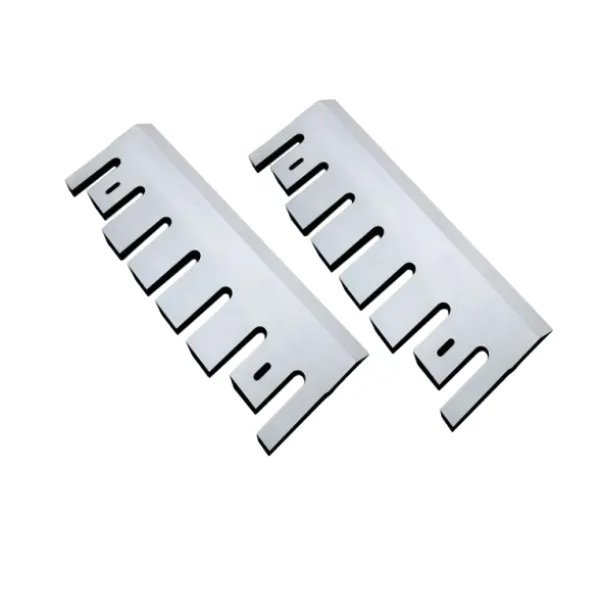
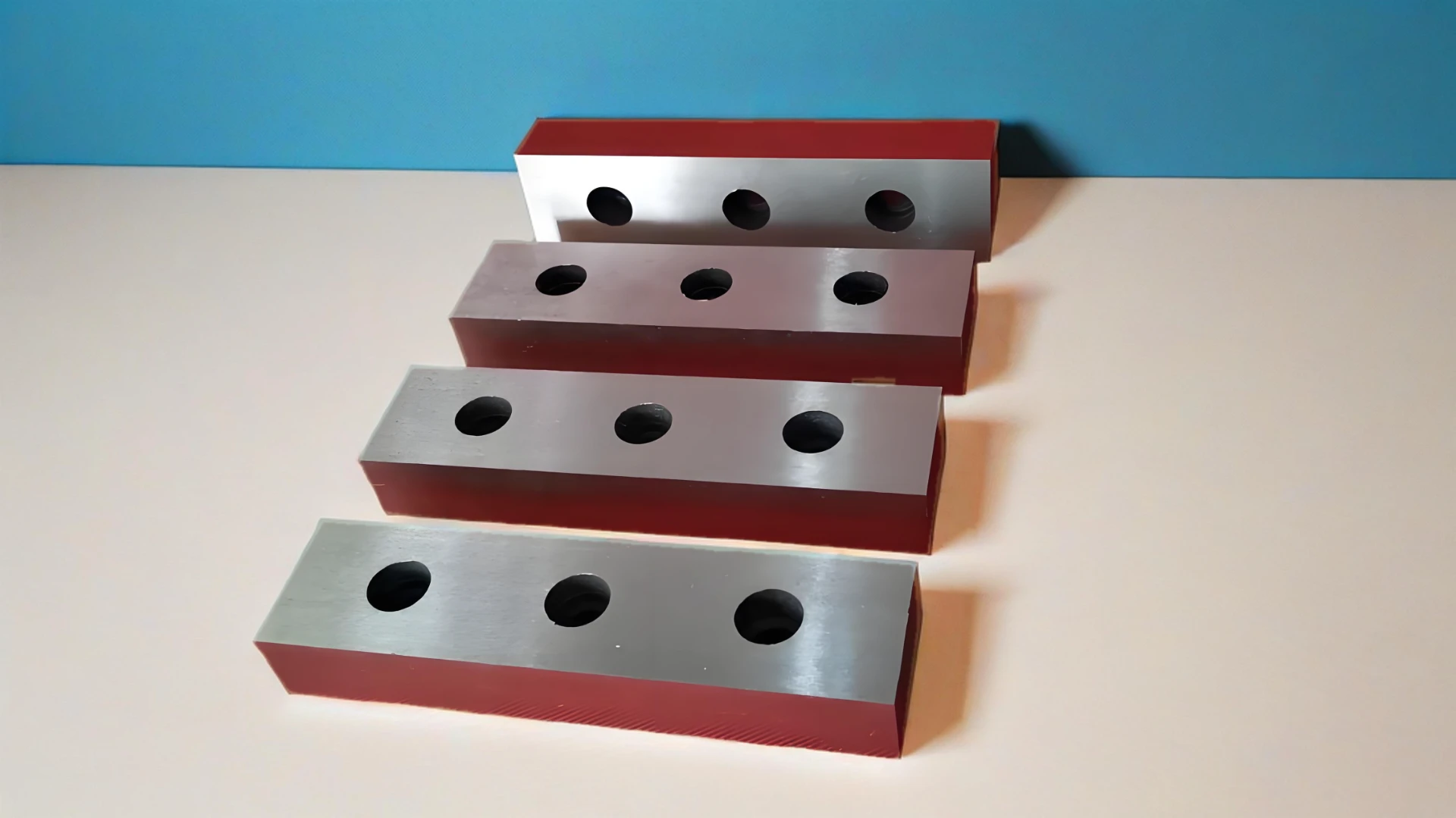
Put simply, electric meat grinder blades are rotating cutting tools housed inside an electric meat grinder. Their job is to shear, slice, and mince meat into finely ground products. Unlike manual blades, these are designed for steady, high-speed rotation powered by electric motors, enabling large-scale and consistent output.
Think about it — from the charming neighborhood butcher to expansive meat-packing plants, these blades shape how ground meat is produced and delivered. In humanitarian contexts, their reliability ensures safe food processing during critical times. So, while the term sounds technical, its impact is surprisingly broad.
Key Factors Behind Great Electric Meat Grinder Blades
Durability and Material Composition
Their ability to withstand constant friction and exposure to moisture is non-negotiable. Many high-grade blades are forged from stainless steel alloys to resist rust and maintain edge sharpness longer. Some manufacturers add special coatings to increase hardness, improving performance with sticky or fibrous meats.
Cutting Precision and Geometry
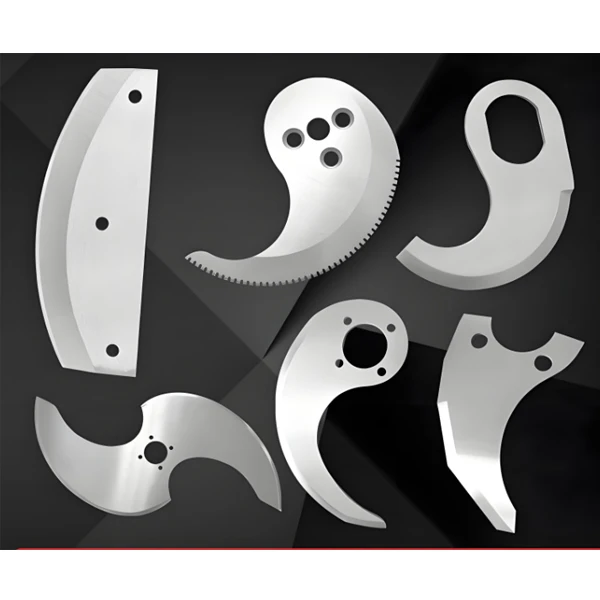
The unique blade shape, often a four-wing design, controls how meat flows through the grinder. Sharpness combined with correct angles improves yield and texture — crucial for final product quality. Oddly enough, certain industries demand blades customized for specific textures or fat-to-lean ratios.
Ease of Maintenance and Cleaning
Food safety standards — like ISO 22000 — stress hygienic design. Electric meat grinder blades with smooth finishes, detachable parts, and corrosion-resistant materials help reduce contamination risks and speed up cleaning routines.
Compatibility & Scalability
Because grinder motors range in power, blades must be tailored to work efficiently with certain machines, from compact home units to industrial grinders. This scalability is vital for expanding production without repeatedly investing in new blades.
Cost Efficiency
Sharp blades save energy — dull blades make motors work harder — while also minimizing product waste. Buying cost-effective but durable blades affects operational budgets long-term, not to mention downtime losses when blades fail unexpectedly.
Global Applications & Use Cases
Electric meat grinder blades reach beyond factory floors in industrialized nations. Here’s where they pop up:
- Commercial Meat Processing Plants: In the US, Europe, and Brazil, blades work nonstop to produce ground beef, sausages, and pet food.
- Disaster Relief Operations: NGOs operating in post-hurricane Caribbean islands rely on portable electric grinders with specialized blades to safely prepare protein for large populations.
- Remote & Rural Food Production: In parts of Africa and Southeast Asia, small-scale electric grinders bring affordable, hygienic meat processing to local communities.
- Specialty Food Industries: Those producing halal or vegetarian meat analogues use blades to finely grind ingredients while maintaining strict quality guidelines.
So, whether it’s feeding millions in urban mega-facilities or a handful of families in food-insecure zones, these blades play a diversified, vital role.
A Quick Look at Product Specifications
| Specification | Typical Range | Notes |
|---|---|---|
| Material | Stainless Steel 420, 440C | High corrosion resistance and durability |
| Blade Diameter | 45-100 mm | Depends on grinder model |
| Speed (RPM) | 1200-1800 rpm | Optimal for clean cuts and efficiency |
| Coating | Titanium Nitride (optional) | Enhanced blade life and reduced friction |
| Blade Type | Four-wing, Two-wing | Varies with product texture needs |
Advantages & Long-Term Value of Quality Grinder Blades
Good electric meat grinder blades bring so much more than just sharp edges. You get:
- Reduced operational costs: sharp blades lower energy usage and downstream waste.
- Improved food safety: hygienic materials reduce contamination risk.
- Greater consistency: uniform grinding enhances product quality and customer trust.
- Environmental impact: durable blades mean fewer replacements and less metal scrap.
- And frankly, the peace of mind knowing the machines won’t quit mid-shift.
There's a subtle confidence in knowing your blades won't falter just when demand spikes, or you’re running a marathon production run. It’s also about respect — respecting food safety and the people consuming the final products.
How Electric Meat Grinder Blades Are Evolving
The future’s pretty exciting. Materials science is delivering blades with nano-coatings that self-sharpen or resist bacterial buildup. Plus, with digital transformation, some grinders now incorporate sensors that monitor blade wear in real-time, alerting operators before problems arise.
Green energy integration means electric grinders powered by solar or microgrid setups in remote areas, making the blades part of broader sustainability and resilience strategies. Automation and robotics too — think of automated blade changing systems reducing downtime.
Common Challenges and Expert Solutions
Despite their benefits, blades face issues like:
- Corrosion and rust in humid environments, which experts mitigate using advanced stainless alloys and proper maintenance routines.
- Blade dullness due to high-fat content, leading manufacturers to design specialized blades for fatty meats.
- Compatibility issues with older grinder models, prompting modular blade designs and adapters.
Maintenance training is also key — many factory managers simply underestimate how regular sharpening improves not only quality but safety.
Vendor Comparison: Picking the Right Electric Meat Grinder Blade Supplier
| Vendor | Material Quality | Customization Options | Delivery Time | Customer Support |
|---|---|---|---|---|
| MechBlades Inc. | Premium Stainless Steel 420/440C | Full customization incl. coatings & sizes | 2-3 weeks worldwide | 24/7 expert support |
| GrindMaster Corp. | Standard Stainless Steel 304 | Limited to standard sizes | 1-2 weeks (regional) | Email support only |
| BladeTech Solutions | Custom alloys available | Custom orders plus bulk discounts | 4-6 weeks international | Phone & onsite assistance |
Frequently Asked Questions About Electric Meat Grinder Blades
Q: How often should electric meat grinder blades be sharpened?
A: It depends on usage intensity, but for commercial operations, sharpening every 2-4 weeks is common. Regular inspection for dullness or uneven cuts can guide timely maintenance. Sharpening preserves blade life and product quality.
Q: Can I use the same blade for different types of meat?
A: Generally, yes, but fatty or sinewy meats might require specialized blades for optimal performance. Some blades are designed specifically for poultry or game meat textures. It's best to consult blade specifications or vendors like electric meat grinder blades specialists.
Q: Are coated blades worth the extra cost?
A: Definitely. Coatings like titanium nitride reduce friction, improve corrosion resistance, and extend sharpness. The upfront cost is offset by longer intervals between blade changes and lower energy costs.
Q: What hygiene standards apply to electric grinder blades?
A: Food safety standards such as ISO 22000 and USDA guidelines dictate blade material and cleaning protocols. Stainless steel with smooth finishes is preferred to minimize bacteria adherence and ensure safety.
Q: Can electric meat grinder blades be customized for specific machinery?
A: Yes. Many manufacturers offer custom sizing and mounting options to fit older or unique grinder models. It’s crucial for industrial users to ensure compatibility for safety and efficiency.
Wrapping It Up
Electric meat grinder blades might not be front-page news, but their impact is gritty and far-reaching. From powering mega food production lines to enabling safe meals in challenging regions, these blades slice, dice, and define how we process meat. When you invest in quality blades, you’re investing in efficiency, safety, and sustainability — a trifecta that benefits producers and consumers alike.
If you want to learn more or explore top-tier products for your operation, visit https://www.mechblades.com — where innovation meets precision.
1. Food and Agriculture Organization (FAO) – Global Meat Market Data: faostat
2. ISO 22000 – Food Safety Management Systems, iso.org
3. World Bank – Manufacturing Sector Reports, worldbank.org