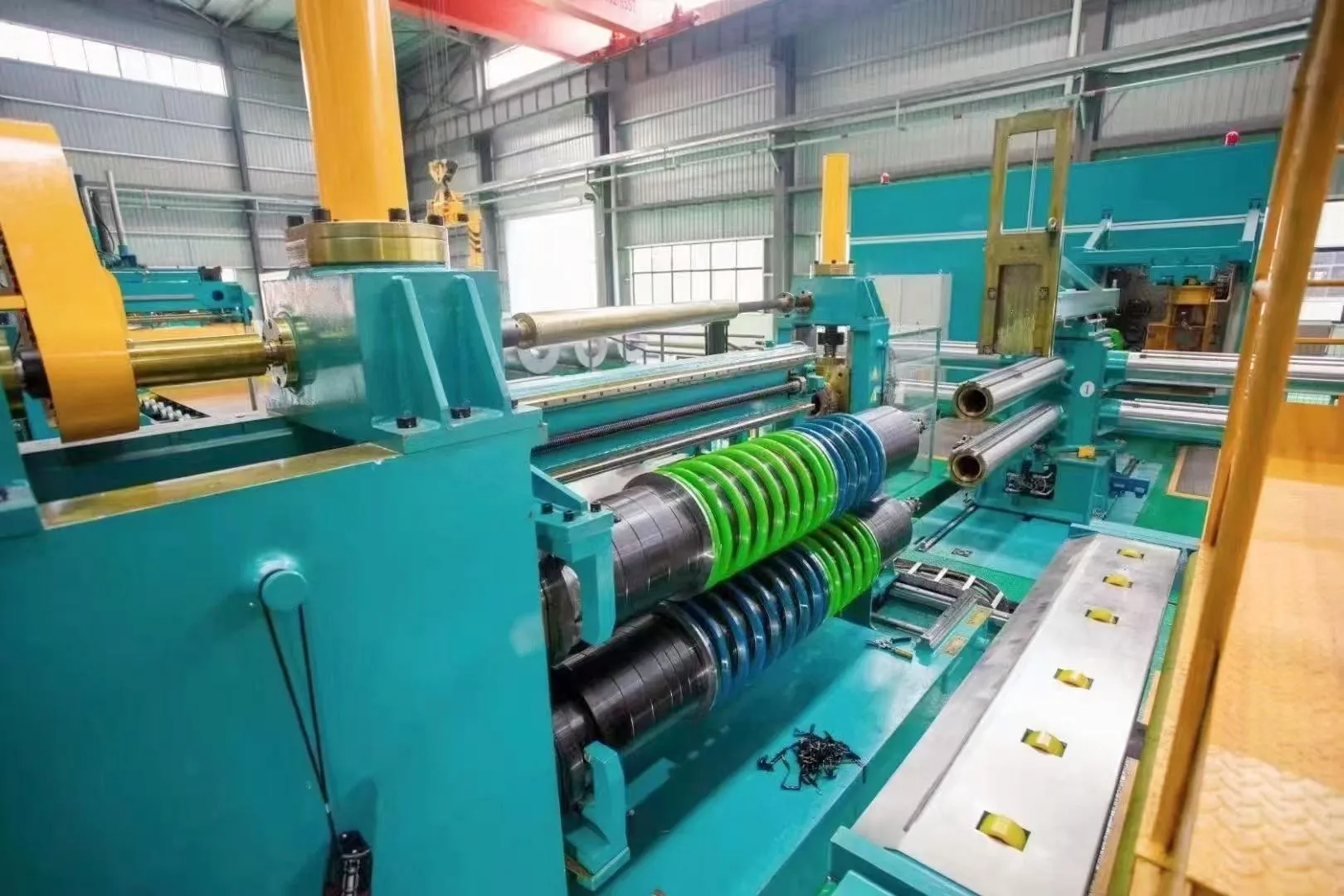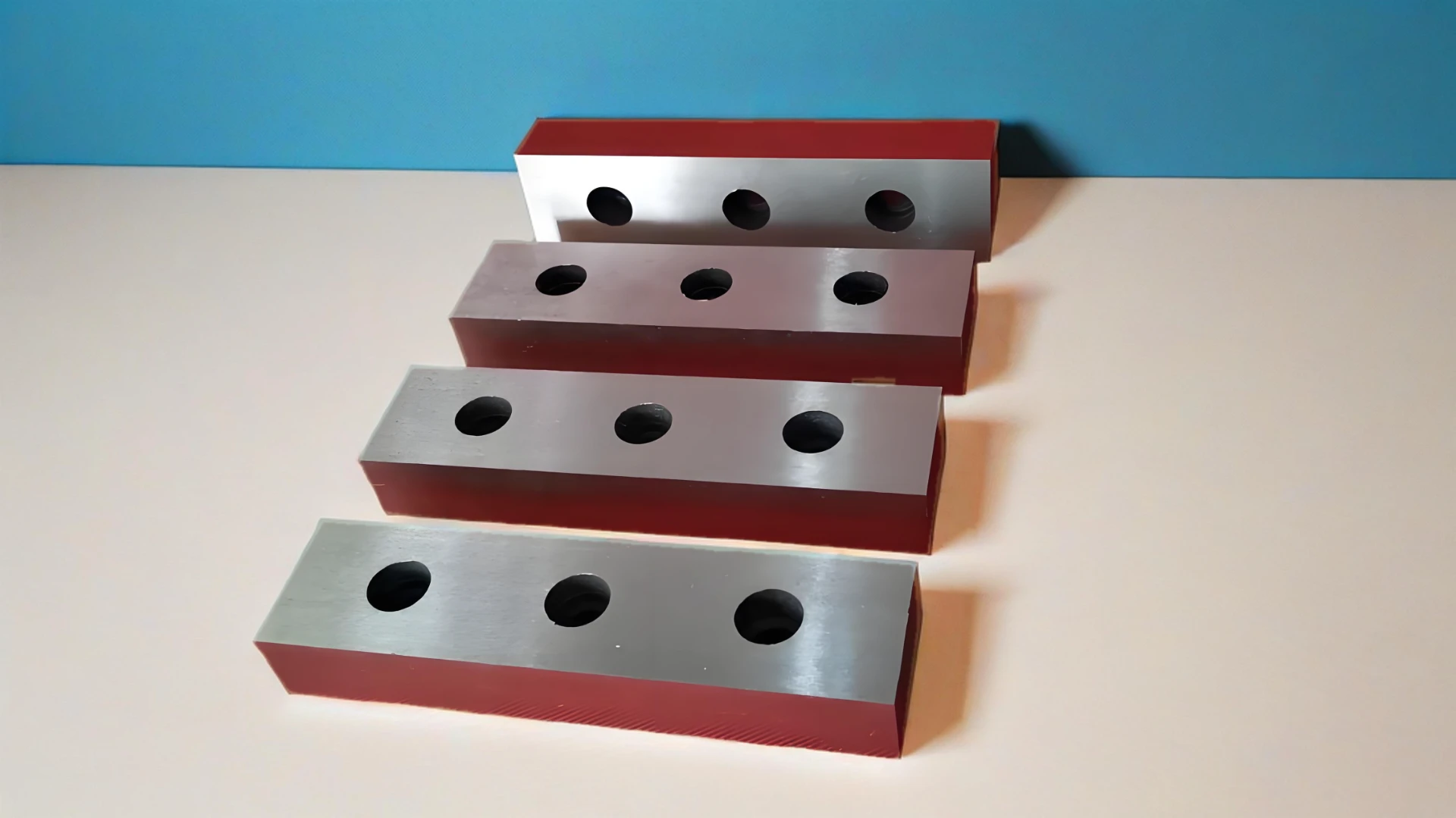
Understanding Paper Cutter Blade Up: Precision Meets Practicality
At first glance, “paper cutter blade up” might sound like an oddly specific or even niche phrase. But frankly, it touches upon a surprisingly vital part of paper handling technology that affects industries globally—from publishing houses to packaging companies, and even art studios. Knowing how the blade orientation and quality influence cutter performance not only boosts workplace safety but also enhances efficiency, reduces waste, and ultimately impacts global supply chains in subtle but meaningful ways.
Introduction: Why Paper Cutter Blade Up Matters Globally
The use of paper cutting equipment spans continents, industries, and scales of operation. According to data from the International Paper Association, nearly 350 million tons of paper products roll out worldwide annually; many require trimming or precision cutting before they reach consumers. paper cutter blade up configurations optimize cutting efficacy, helping reduce downtime and material loss.
Nonetheless, challenges like blade dullness, incorrect blade installation, and suboptimal ergonomics remain persistent issues, leading to workplace injuries and product defects. Understanding the nuances behind “blade up” orientation — a term referring to which side or edge of the blade faces up during operation — can significantly reduce these issues, improving safety and throughput.
Definition & Meaning of Paper Cutter Blade Up
Simply put, “paper cutter blade up” refers to the orientation of the blade in a manual or automated cutter so that the sharp edge is positioned facing upward relative to the cutting platform. This setup often determines the precision of the cut, the safety for the operator, and the manner in which the paper or other material is fed into the machine. It’s a critical detail in industries where even minuscule deviations can mean damaged goods or costly waste.
Its significance extends beyond office supplies: precise cutting blades, oriented correctly, are essential for humanitarian packaging, printing materials for educational resources, and even in environmental stewardship programs where sustainable paper usage is critical.
Key Factors Influencing Paper Cutter Blade Up Performance
Durability
The material and treatments used on the blade affect how long it maintains sharpness with the “blade up” usage. Stainless steel or tungsten carbide coatings improve wear resistance, which translates to fewer replacements and less downtime.
Cutting Precision
A correctly oriented blade delivers cleaner edges and less tearing, which is especially important in high-volume print shops or art installations that demand impeccable finishes.
Safety
When blades are installed with the cutting edge up, ergonomics can be optimized so operators are less likely to sustain injuries. Some newer models have protective guards designed specifically for this configuration.
Cost Efficiency
Better blade performance reduces waste (in scrap paper or returned goods), lowers injury-related costs, and helps maintain machine health, all impacting a business’s bottom line.
Ease of Maintenance
Blade up orientation supports easier removal and replacement, which encourages routine maintenance and extends tool life.
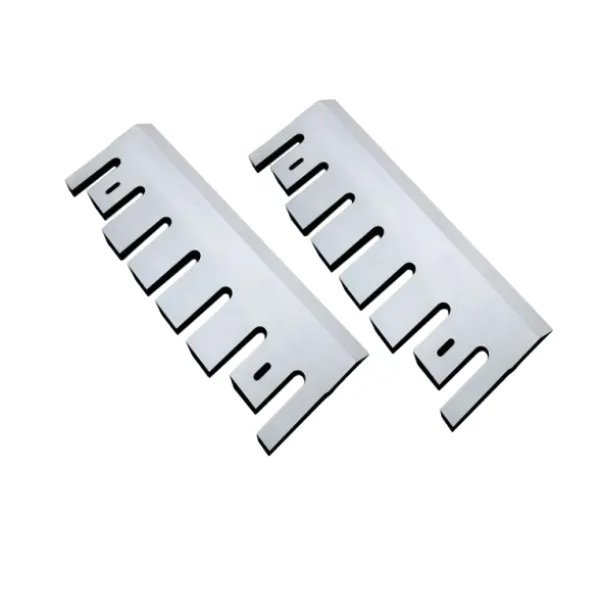
Product Specifications: Example of a Premium Paper Cutter Blade
| Specification | Detail |
|---|---|
| Blade Material | Hardened Stainless Steel, Tungsten Coated |
| Blade Length | 300 mm |
| Cutting Edge Orientation | Upward-facing |
| Warranty | 2 years (manufacturer defect) |
| Suits Machine Types | Manual and semi-automatic cutters |
| Maintenance | Sharpen every 3 months under heavy use |
Global Applications & Use Cases
Oddly enough, this blade orientation is more than a factory-floor detail. In North America and Europe, print shops rely heavily on optimal paper cutter blade up setups to meet tight publishing schedules with minimal waste.
Meanwhile, in Southeast Asia, where packaging for electronics and consumer goods is booming, manufacturers turn to blades with upward-facing edges to ensure rapid, precise cuts that protect expensive products destined for export. In post-disaster relief operations, NGOs use configurable paper cutting tools to prepare critical printed materials like maps and instructions—accuracy here can literally save lives.
Vendor Comparison: Leading Paper Cutter Blade Suppliers
| Brand | Material Quality | Price Range | Warranty |
|---|---|---|---|
| MechBlades | Industrial-grade Tungsten | $50–$80 | 2 years |
| CutPro | Hardened Steel | $40–$70 | 1 year |
| SharpEdge Tools | Stainless Steel with Coating | $45–$75 | 1.5 years |
Advantages & Long-Term Value of Paper Cutter Blade Up Usage
There’s a reason so many professionals swear by the “blade up” standard. For one, the safety factor can’t be overstated. Operators feel more secure, which oddly enough can reduce fatigue and increase productivity. From a financial standpoint, sharper, better-oriented blades mean less paper wastage, fewer accidents, and longer machine life, which translates to direct cost savings.
On a more emotional level, users often report a greater confidence in their work output, which builds pride and quality culture. Innovations making blades recyclable or using sustainable materials align well with today’s environmental priorities, reinforcing trust and corporate social responsibility.
Future Trends & Innovations
Looking ahead, automated blade orientation sensors and smart cutters are starting to appear on the market. Using AI-based maintenance alerts ensures the top edge is always “up” and sharp. New materials like graphene coatings promise even longer-lasting blades with future emphasis on sustainability. Digital transformation also integrates cutter data for supply chain optimization—oddly enough, a seemingly simple blade orientation has big data potential!
Challenges & Solutions in Paper Cutter Blade Up Implementation
Of course, it’s not all smooth sailing. Common issues include improper mounting caused by insufficient training and blade contamination leading to faster dulling. Many engineers recommend video-based training programs and blade cleaning protocols. Some vendors now offer modular blades specifically designed for easier, foolproof orientation to counter human error.
FAQ: Common Questions About Paper Cutter Blade Up
- What exactly does "blade up" mean when installing a paper cutter blade?
- “Blade up” means the sharp cutting edge is installed facing upward relative to the paper surface, optimizing the shearing action, improving cut quality, and enhancing operator safety.
- How often should I replace or sharpen a paper cutter blade used in blade-up mode?
- Typically, heavy-use environments require sharpening every 2–3 months, but lighter usage might allow longer intervals. Routine inspection is key to spotting dullness early.
- Are “blade up” cutters suitable for all types of paper?
- Yes, although very thick or specialty papers may require blades with specific materials or coatings adapted for the job. Always check manufacturer recommendations.
- Can improper blade orientation cause safety risks?
- Yes, wrong orientation can increase the risk of blade slipping or miscutting, which could cause injury. Proper installation training is essential.
Conclusion: Why Invest in Proper Paper Cutter Blade Up Practices?
It’s clear that the orientation and quality of paper cutter blades—specifically the “blade up” method—play a measurable role in safety, efficiency, and sustainability for any business or organization handling paper materials. Frankly, it’s one of those detail areas where small adjustments yield outsized benefits: less waste, fewer injuries, and higher quality output. If your operations involve cutting paper regularly, exploring premium “blade up” blades is a smart move.
For more advanced insights, specifications, and reliable suppliers, visit our website: MechBlades.
Mini takeaway: Paper cutter blade up orientation may seem simple, but mastering it dramatically boosts cutting precision, safety, and operational costs.