The Essential Role of Deli Slicer Blades: More Than Just a Kitchen Tool
At first glance, a deli slicer blade might seem like just a precision-cutting instrument tucked away in sandwich shops and butcher counters. But when you zoom out, these blades are critical components in a global supply chain that ensures food safety, efficiency, and quality. Whether in bustling metropolitan delis or large-scale food processing factories, understanding the technology behind these blades helps businesses save time and costs, reduces waste, and ultimately benefits consumers worldwide.
Think about it—millions rely daily on perfectly sliced meats and cheeses for meals, and the humble deli slicer blade ensures consistency and hygiene. The better the blade’s design, materials, and maintenance, the smoother this process becomes.
Global Context: Why Deli Slicer Blades Matter Today
Food industries worldwide are expanding rapidly. According to FAO data, global meat production passed 350 million tonnes recently, increasing the demand for precision slicing. At the same time, concerns around food safety and operational efficiency are pushing manufacturers to optimize every component—especially blades.
In places like Europe and North America, the regulations from ISO 22000 and rigorous hygiene standards mean slicer blades must resist corrosion and microbial buildup. Meanwhile, emerging food hubs in Asia and Latin America are adopting similar standards fast, pushing the technology toward more sustainable, safe, and efficient designs.
But there’s a catch: poor quality or dull blades can cause productivity losses, uneven slices, and increased waste, affecting profit margins and customer satisfaction. That’s where innovation in deli slicer blades truly makes a difference.
What Exactly Is a Deli Slicer Blade?
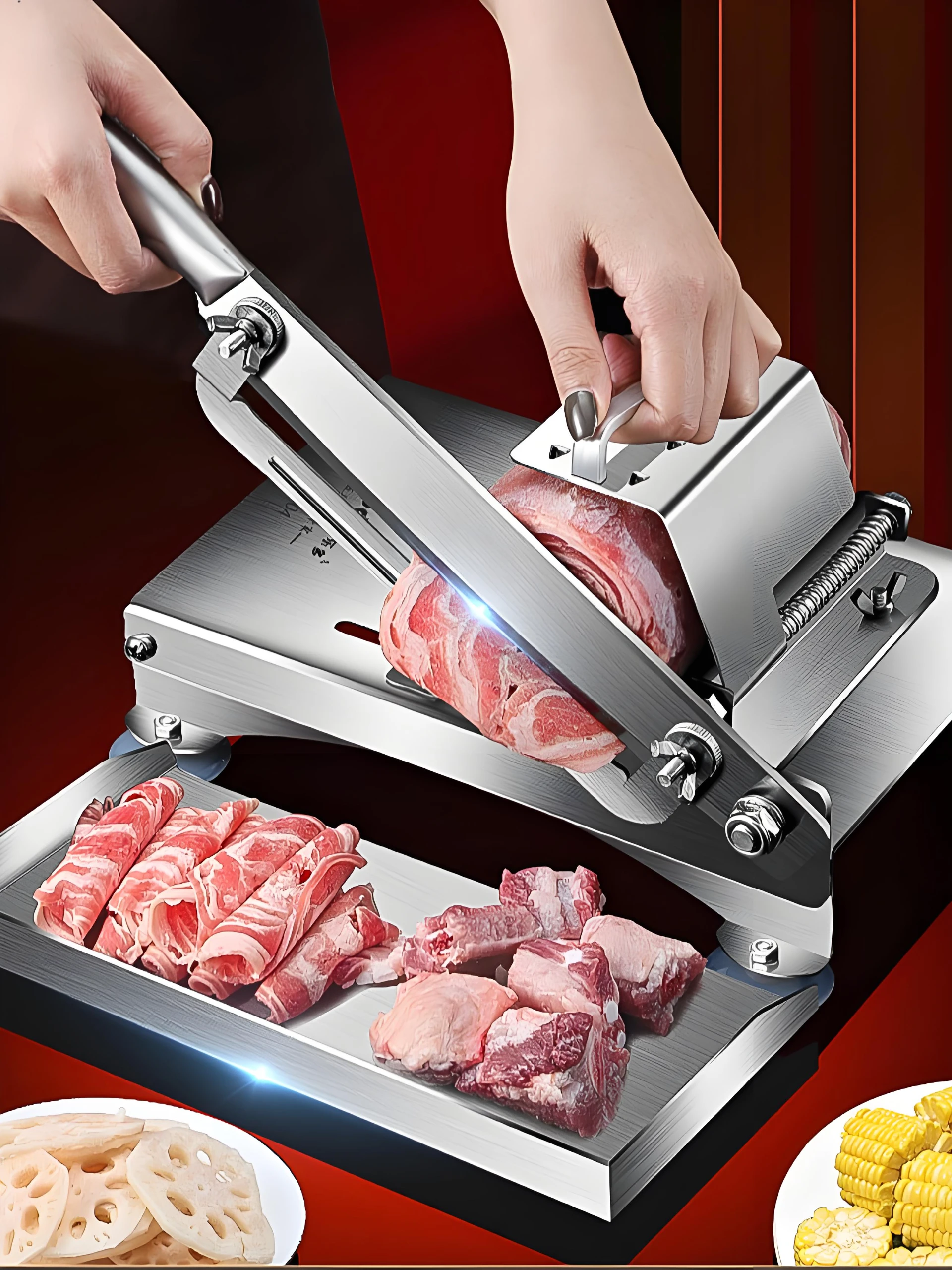
Simply put, a deli slicer blade is a circular, sharp-edged metal disc designed to slice meats, cheeses, and other food items with precision and minimal effort. These blades rotate at varying speeds depending on the slicer model, enabling users to create uniform slices at thicknesses ranging from paper-thin to chunkier cuts.
Beyond the basic kitchen accessory, these blades play a role in modern food processing by reducing physical strain on workers, limiting food waste through precise cuts, and maintaining product integrity during packaging and retail display.
Mini takeaway:
- Deli slicer blades may look simple but they form an indispensable part of modern food service and processing.
- Quality blades contribute to safety, efficiency, and business profitability globally.
Core Components and Key Factors of Deli Slicer Blades
1. Durability and Material Composition
The most common blade materials include stainless steel variants, often specifically hardened to reduce wear and maintain sharpness. Some blades have coatings like titanium or ceramic to improve corrosion resistance — quite important in high-moisture environments. Durability extends the life cycle, which means fewer replacements and less downtime.
2. Sharpness and Edge Design
Edge geometry influences slicing quality. Many engineers say a beveled edge with micro-serrations cuts through meats more cleanly, reducing deformation or tearing. Some premium blades have self-sharpening mechanisms integrated into the slicer, which make maintenance less of a chore.
3. Size and Compatibility
Blade diameters typically range from 7 to 14 inches, adjusted to the slicer's model and intended use — small deli counters rely on smaller diameters for precision, while industrial operations might opt for larger diameters for volume slicing.
4. Hygiene and Easy Maintenance
Removable blades that allow thorough cleaning reduce bacterial buildup, a critical factor governed by strict food safety regulations globally. Anti-rust materials and designs facilitating quick disassembly are highly prized in commercial kitchens.
5. Cost Efficiency
While initial costs vary, investing in higher-quality blades often lowers overall expenses. Consider less frequent replacements, fewer food losses, and reduced staff fatigue.
Mini takeaway:
- Deli slicer blades’ material and design impact hygiene, safety, and slice quality.
- Smart buying considers durability and maintenance to save money long-term.
Real-World Applications: How and Where Deli Slicer Blades Are Used
Deli slicer blades aren’t just for your local sandwich shop. In industrial food plants — especially poultry and meat processing — they help produce consistent slices that meet packaging specifications, improving shelf appeal.
In post-disaster relief efforts or remote field kitchens, robust blades on portable slicers make meal prep faster and less labor-intensive for volunteers and aid workers.
Regions like Japan and Germany excel in precision slicing, blending technology with culinary artistry, while countries with growing food service sectors (think Brazil or South Korea) rely heavily on efficient slicing to keep up with demand.
In fact, deli slicer blades featured in automated slicing systems are key components in reducing human error and maintaining hygiene in large-scale operations.
Mini takeaway:
- Deli slicer blades bridge gourmet, industrial, and humanitarian food needs.
- Global variation in usage highlights the importance of customization and standards.
Product Specification Table
| Specification | Typical Range | Notes |
|---|---|---|
| Diameter | 7 - 14 inches (178 - 356 mm) | Depends on slicer size and application |
| Material | Stainless steel (304/316), Titanium coated | Corrosion-resistant grades preferred |
| Edge Type | Smooth or Serrated | Serrated edges for tougher cuts |
| Thickness | 1.5 - 3 mm | Affects blade rigidity and slicing safety |
| Weight | 0.8 - 3 kg | Balances ease of handling and strength |
Comparing Top Vendors of Deli Slicer Blades
| Brand | Material Quality | Customization | Price Range | Best For |
|---|---|---|---|---|
| SharpCo | Premium stainless steel | Full sizing & coating options | $$$ | High-end deli shops & processors |
| SliceMaster | Mid-grade stainless steel | Standard diameters only | $ - $$ | General commercial use |
| EcoBlade | Recycled steel with coatings | Limited customization | $ | Eco-conscious businesses |
Advantages and Long-Term Value of Quality Deli Slicer Blades
Opting for a high-quality deli slicer blade isn’t just an operational choice—it’s a long-term investment. Consider:
- Cost savings: Sharper, longer-lasting blades reduce replacement frequency.
- Waste reduction: Uniform slices prevent discard due to inconsistent cuts.
- Food safety: Corrosion-resistant materials minimize contamination risk.
- Worker efficiency: Easier slicing cuts down labor fatigue and injury chances.
- Brand trust: Consistency enhances customer satisfaction and loyalty.
Plus, it feels good to know your equipment supports sustainability and top-notch quality—even if only a blade, it’s kind of the backstage hero.
Future Trends in Deli Slicer Blade Technology
The deli slicer blade is slowly catching up with broader industrial trends:
- Smart materials: Researchers are experimenting with self-healing coatings and enhanced anti-microbial surfaces.
- Automation integration: Blades designed to work perfectly within robotic slicers, enhancing precision and hygiene.
- Sustainability: Eco-friendly alloys and recyclability efforts respond to increasing demand from green-minded sectors.
- Customization via 3D printing: Tailor-made blade edges for specialty slicing tasks might soon be mainstream.
All this suggests the deli slicer blade won’t just stay a basic tool but become a smarter part of a fully digitized kitchen or factory.
Common Challenges and How to Solve Them
Despite advances, many still struggle with blade dullness, corrosion, and compatibility with slicer models. Here are some expert tips:
- Regular maintenance: Sharpen blades routinely and replace worn-out parts to avoid costly downtime.
- Choose corrosion-resistant materials: Particularly if working in humid or high-fat environments.
- Consult vendors on compatibility: Not all blades fit every slicer—match diameter, thickness, and mounting style carefully.
- Training: Ensure workers understand optimal slicing techniques and blade care.
FAQ: Answers to Your Key Questions About Deli Slicer Blades
- What factors should I consider when choosing a deli slicer blade?
- Look at blade diameter, material type, edge design (smooth or serrated), durability, and compatibility with your slicer model. Also consider hygiene and maintenance ease.
- How often should deli slicer blades be sharpened or replaced?
- Sharpen blades regularly, roughly every 1-2 weeks in high-volume settings, or when cutting quality declines. Replacement might be needed every 6-12 months depending on use and material.
- Are serrated blades better than smooth blades?
- Serrated blades are ideal for harder or crusty foods as they grip better, while smooth blades work great for clean, even slices of soft meats and cheese.
- Can low-cost slicer blades meet food safety standards?
- Lower cost often means compromises in material quality, which may affect corrosion resistance. For strict hygiene compliance, investing in certified stainless steel blades is safer.
- Where can I find replacement deli slicer blades?
- You can browse authorized suppliers online, including deli slicer blade specialists who offer a wide range of sizes, coatings, and custom options.
Wrapping It Up: Why Investing in the Right Deli Slicer Blade Pays Off
It’s easy to overlook the importance of something as specific as a deli slicer blade. Yet, as we’ve seen, these blades play an outsized role in food safety, quality, and operational efficiency across the globe. Choosing the right blade isn’t just about slicing lunchmeat—it’s about reliability, cost-efficiency, and staying compliant in a complex food industry.
Next time you see a perfectly sliced sandwich, give a nod to the shining hero behind the scenes: the deli slicer blade. Interested in finding the ideal blade that suits your needs? Visit our website and explore our full range of high-quality, durable deli slicer blades.