What Is a Meat Grinder Used For? Understanding Its Role and Relevance
If you’ve ever found yourself wondering, what is a meat grinder used for, you’re in the right place. At first glance, it might sound pretty straightforward — a tool to mince or grind meat — but it actually plays a surprisingly vital role in kitchens, food industries, and even humanitarian efforts worldwide. Understanding these devices not only helps home cooks produce tastier, safer food but also supports a global network of food production and distribution that touches millions.
Global Context of Meat Grinding Equipment
Meat consumption around the world continues to grow steadily. According to the Food and Agriculture Organization (FAO), global meat production reached approximately 340 million tonnes in 2022, with demand expected to rise. This growth highlights the need for efficient meat processing solutions, such as meat grinders, that allow for consistent quality and safe handling.
But here's the thing — large meat processing plants use industrial grinders to maximize efficiency, while many smaller producers and home cooks rely on manual or electric grinders. The challenge lies in balancing food safety standards, cost efficiency, and accessibility. The meat grinder addresses this delicate equation by breaking down meat into finer pieces, making it easier to mix, cook, and preserve.
Mini takeaway: Meat grinders underpin the global meat supply chain, from home kitchens to commercial production, ensuring better food usability and safety.
Defining What a Meat Grinder Is and Its Use
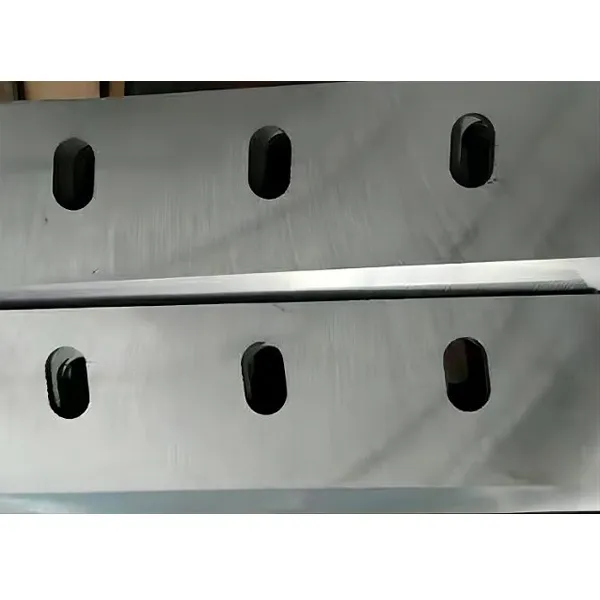
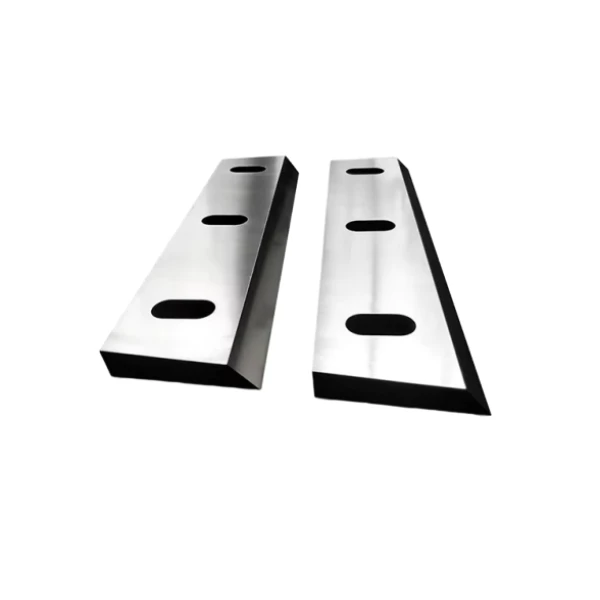
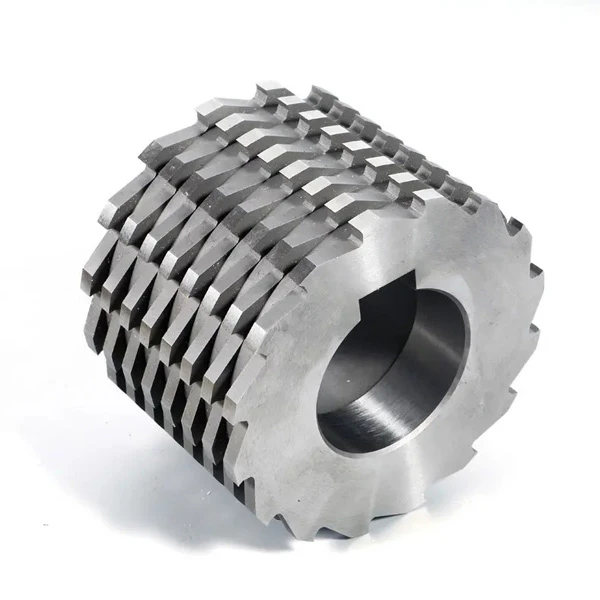
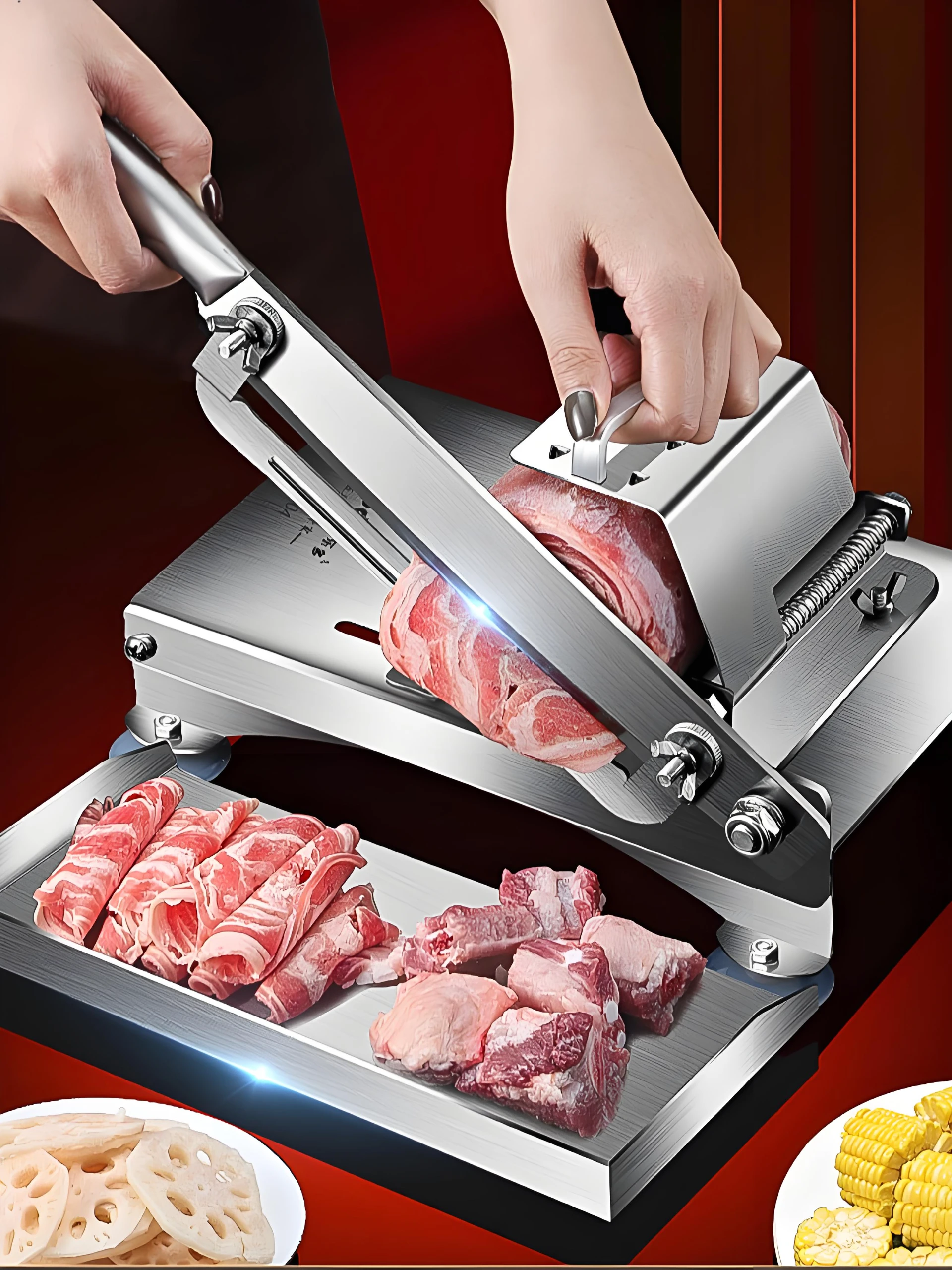
Simply put, a meat grinder is a kitchen appliance (manual or electric) that minces meat by pushing it through a series of blades or plates with holes, producing finely or coarsely ground meat. This mechanical process changes the texture and consistency of meat, making it easier to incorporate into recipes like burgers, sausages, and meatballs.
Beyond just culinary purposes, meat grinders have found relevance in humanitarian contexts, where food must be processed safely to feed large populations efficiently, such as in disaster relief camps or refugee settlements.
what is a meat grinder used for — it might seem simple, but its application spreads wide.
Core Components and Key Factors in Meat Grinder Performance
1. Durability
Meat grinders, especially those used in industrial setups, need to be built from materials like stainless steel, designed to resist corrosion and wear. This durability ensures sustained performance under heavy usage.
2. Grinding Capacity
From small home units to large-scale machines, capacity varies widely. A home grinder might handle 1-2 pounds per minute, while industrial grinders process hundreds. This affects turnaround time and scalability.
3. Versatility
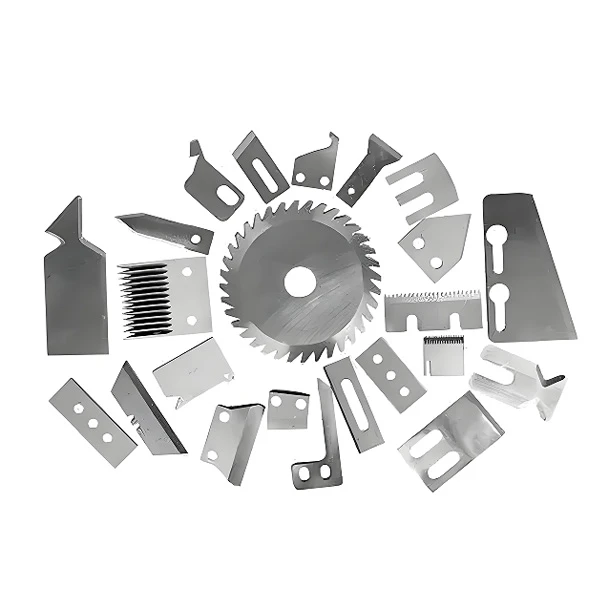
Many modern units come with interchangeable plates to select grinding textures or attachments for sausage making. This flexibility enhances usability across recipes and applications.
4. Safety Features
Given the risk of injury and contamination, safe designs include secure hopper lids, overload protection, and easy cleaning capabilities to meet food safety regulations.
5. Cost Efficiency
Balancing upfront investment with maintenance costs is crucial. Higher-end grinders might cost more but save money in durability and ease of cleaning.
Mini takeaway: Understanding these factors helps buyers and users select the right machine for their needs — from durability to safety.
Product Specification Table: Typical Meat Grinder Models
| Model | Type | Capacity (lbs/min) | Material | Price Range (USD) |
|---|---|---|---|---|
| MechGrind 200 | Electric Home | 2 | Stainless Steel | $150-$200 |
| ProTech XL | Commercial Electric | 50 | Stainless Steel | $2,200-$2,800 |
| Manual Grinder A1 | Manual | 1 | Cast Iron | $60-$80 |
Global Applications and Use Cases
In North America and Europe, meat grinders are household staples, helping families prepare custom ground meat blends for diverse recipes. In contrast, developing regions use grinders to maximize protein utilization and create affordable meat products.
Oddly enough, humanitarian organizations rely on portable grinders during crisis response, ensuring safe and quick processing of meat supplies. For example, in post-disaster relief operations in Southeast Asia, grinders allow efficient food prep in temporary kitchens where sanitation and speed are priorities.
Industrial meat production uses large-scale grinders continuously to process vast quantities of raw materials, optimizing logistics and product uniformity.
Mini takeaway: From backyard cooking to global relief, meat grinders adapt to diverse scenarios with fundamental importance.
Advantages and Long-Term Value of Using Meat Grinders
- Cost Savings: Grinding at home or local sites reduces the need for pre-packaged ground meat, cutting costs.
- Sustainability: By allowing reuse of various meat cuts, grinders help reduce waste.
- Food Safety: Proper grinding reduces harmful bacteria presence when done with hygiene in mind.
- Customization: You control the fat content and grind consistency, important for taste and health.
- Social Impact: Supporting local meat processing and empowering small businesses.
Frankly, the emotional side of grinding your own meat adds a layer of trust and connection to your food source. It feels like reclaiming control over what you consume.
Future Trends and Innovations in Meat Grinding
The future is leaning on automation and smart technology. Automated grinders now feature IoT integration for monitoring efficiency and maintenance. Sustainability isn’t left behind: manufacturers are exploring renewable energy-powered grinders and biodegradable materials for parts.
Plus, alternative protein products like plant-based “meats” benefit from grinders designed for new textures and ingredients — showing how versatile the concept truly is.
Challenges and Solutions
There are some persistent concerns, like cleaning complexity — leftover meat can cause contamination if not handled properly. Manufacturers tackle this by designing grinders with tool-less disassembly and dishwasher-safe parts.
Another challenge is accessibility in lower-income regions. Here, NGOs and socially minded companies are introducing durable, low-cost manual grinders that can be locally repaired — an approach that really resonates in fieldwork.
Vendor Comparison Table: Leading Meat Grinder Manufacturers
| Brand | Product Range | Warranty | Price Level | Global Reach |
|---|---|---|---|---|
| MechBlades | Home to Industrial | 5 years | Mid-High | Worldwide |
| GrindPro | Commercial | 3 years | High | Europe, Asia |
| HomeMincer | Home Models | 1 year | Low-Mid | North America |
Frequently Asked Questions About What Is a Meat Grinder Used For
Q1: Can I grind frozen meat in my home meat grinder?
A: It depends on the grinder. Most home models can handle slightly frozen meat, but very hard or fully frozen chunks can damage blades. Always thaw meat partially and cut into smaller pieces for best results.
Q2: How often should I clean my meat grinder to maintain hygiene?
A: Clean your meat grinder immediately after each use. Disassemble parts and wash with hot soapy water. Many parts are dishwasher safe. This minimizes bacteria build-up and odor retention.
Q3: Are electric meat grinders better than manual ones?
A: Electric grinders offer efficiency and power good for larger volumes but cost more. Manual grinders are low-cost, portable, and great for occasional use but require more effort.
Q4: Can I use my meat grinder to prepare non-meat foods?
A: Absolutely. Many people use grinders for vegetables, nuts, or even making pasta. Just ensure the grinder is cleaned thoroughly between uses to prevent flavor transfer.
Q5: Where can I buy a reliable meat grinder?
A: Trusted manufacturers like MechBlades (visit here) offer a variety of models with solid warranties and customer support. Local kitchen equipment suppliers are also good options.
Conclusion: Why Understanding What Is a Meat Grinder Used For Matters
In the grand scheme of things, knowing what a meat grinder is used for opens up appreciation for food preparation, safety, and sustainability practices. Whether you’re a home cook, part of an industrial food production team, or involved in humanitarian food services, meat grinders form an unsung backbone of efficient meat processing.
So the next time you see or use one, there’s a little more meaning to that grinding hum. If you want to dive deeper into choosing the right meat grinder or explore the latest innovations, do check out our website. It’s a great resource for experts and novices alike.
In real terms, it's not just a machine—it’s where technology meets tradition, feeding millions and shaping culinary culture.