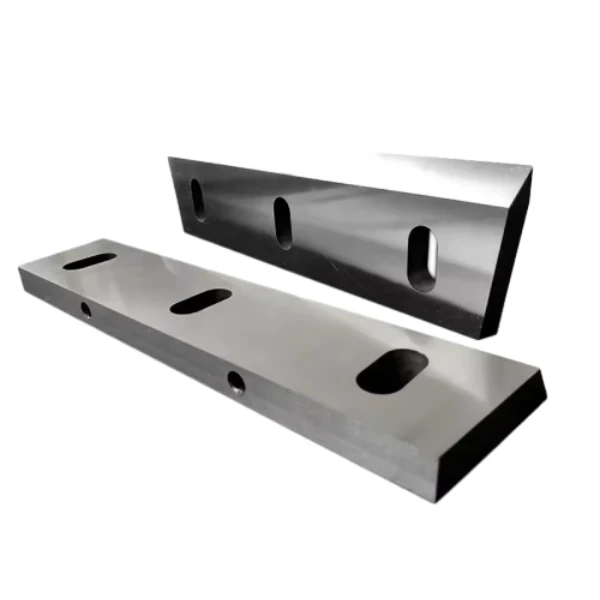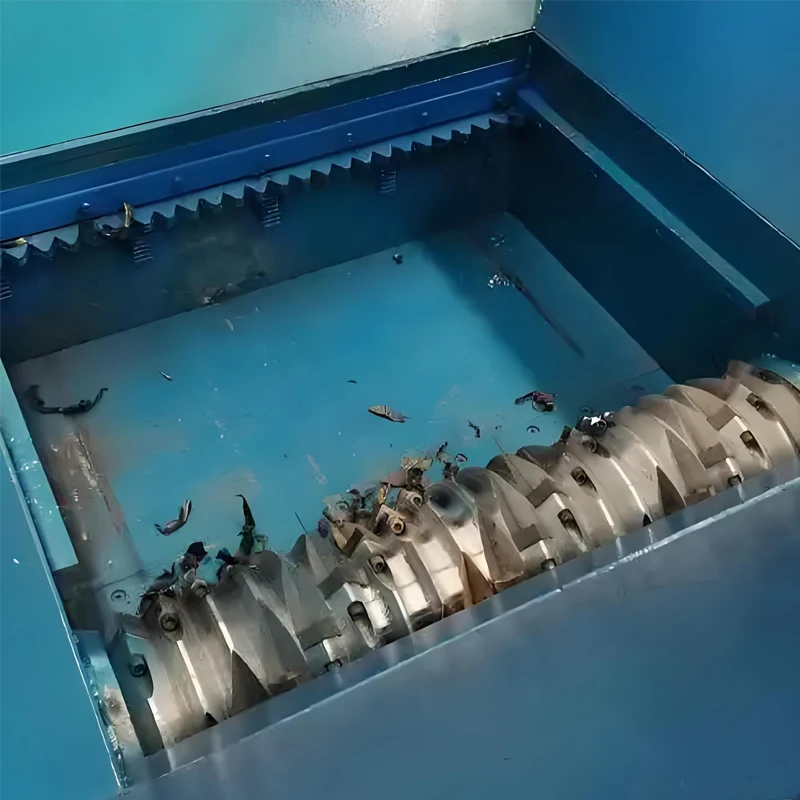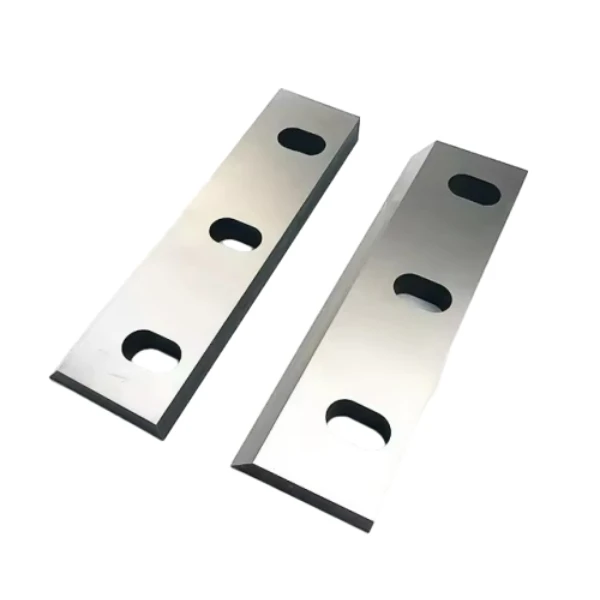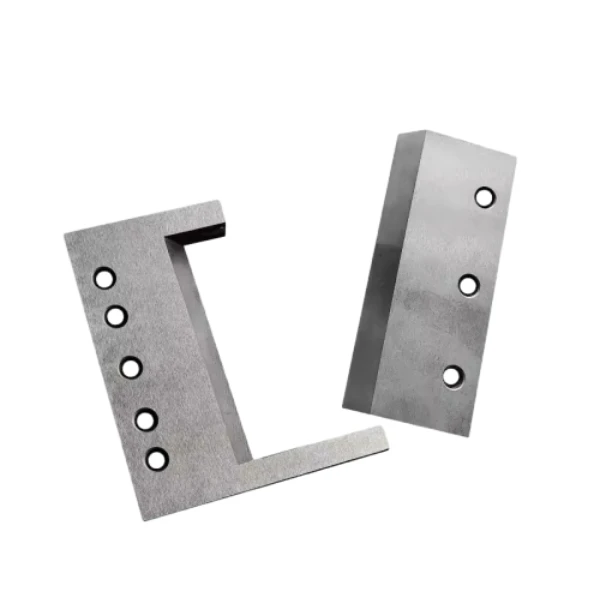
Why Ceramic Blades for Utility Knife Matter in Today’s World
Ceramic blades for utility knife might not sound like the stuff of global headlines, but they quietly influence many sectors worldwide — from manufacturing lines in Asia to disaster relief efforts in Africa. Globally, the demand for safer, longer-lasting, and sharper cutting tools has spiked due to increased automation, stricter safety standards, and environmental concerns. Ceramic blades offer a compelling alternative to metal blades because of their unique properties, promising greater durability and less frequent replacements.
Understanding why ceramic blades have surged in popularity isn't just a niche engineering debate; it ties directly to efficiency, sustainability, and even worker safety across continents. For example, the global industrial cutting tool market is expected to grow steadily (per ISO and World Bank data), driven by sectors that prize precision and reliability. Ceramic utility blades, in this context, help reduce downtime and waste while boosting cutting performance.
What Exactly Are Ceramic Blades for Utility Knife?
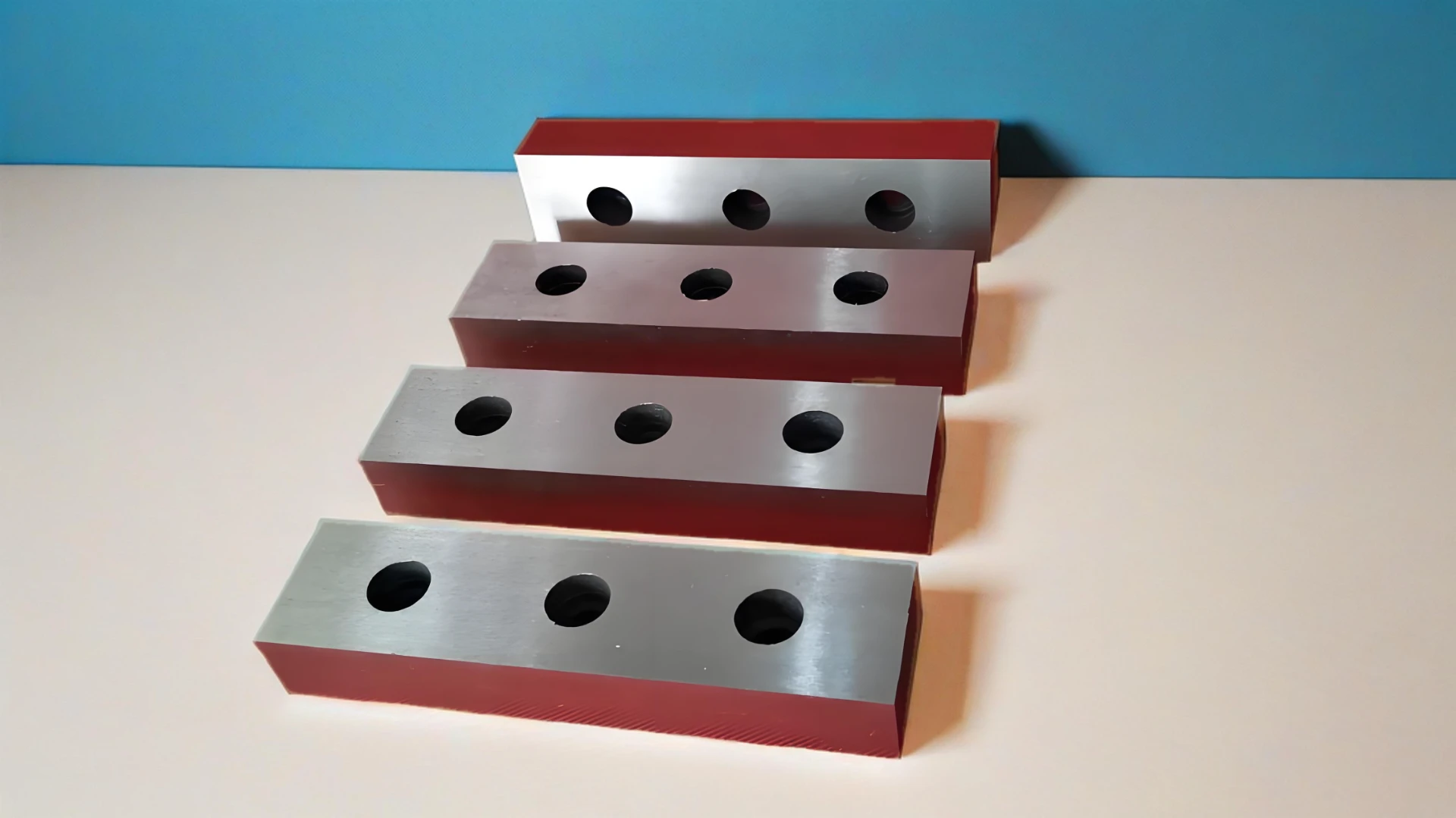
In simple terms, ceramic blades for utility knives are cutting edges made predominantly from advanced ceramic materials like zirconia or alumina instead of traditional steel. Unlike metal blades, ceramic ones resist rust, stay sharp longer, and are lighter. This makes them very practical in industries where contamination and wear are critical concerns — think electronics manufacturing or medical device assembly.
Beyond industry, they're also an insight into broader trends toward innovation with materials. Ceramic blades reflect experimentation with non-metal alternatives that meet tight tolerances and reduce the carbon footprint of consumables. Oddly enough, this tech synergy between raw materials science and the tools we use daily is quietly revolutionizing how many companies operate.
Key Features That Make Ceramic Blades Stand Out
Durability
Want a blade that lasts three to four times longer than steel without sharpening? That’s ceramic for you. The hardness of ceramic materials resists wear and keeps edges sharp, meaning less downtime swapping blades.
Corrosion Resistance
Since ceramics don’t rust, they’re great for moist or acidic environments — common in food prep or pharmaceuticals. Traditional steel blades might pucker and pit, whereas ceramic blades stay pristine.
Weight and Handling
Lightweight blades reduce fatigue during repetitive cutting. Engineers I’ve talked to appreciate how ceramic blades make fine, precise cuts easier because they’re less tiring to manipulate.
Cost Efficiency
Sure, upfront costs for ceramic blades are higher, but the lower replacement frequency and reduced downtime often offset that. Plus, less waste means a smaller environmental impact marking a win for sustainable workplaces.
Safety
Ceramic blades don’t spark, which is a boon for certain industrial settings where flammable gases or powders are present. It’s a small detail, but sometimes safety is all about the subtle bonuses.
Where Are Ceramic Utility Blades Actually Used?
Across the globe, ceramic blades gained footing in sectors and regions that need reliability combined with hygiene and precision.
- Electronics Manufacturing: Sensitive circuits benefit from non-metal contamination-free blades — Asia and North America lead usage.
- Food Processing: Especially in Europe and Japan where food safety laws are stringent, ceramic blades decrease bacterial risks.
- Medical Device Assembly: Ceramic blades allow surgeons and technicians to rely on ultra-sharp, sterile edges.
- Disaster Relief & Humanitarian: In temporary shelters or relief packaging, long-lasting utility blades reduce logistic complexities — NGOs operating in Africa and South America have increasingly shifted to ceramic blades.
In remote industrial zones where maintenance is tricky, ceramic blades’ longevity also means fewer supply runs, less waste, and uninterrupted workflows — a huge operational win.
Product Specifications: Example of a Leading Ceramic Utility Blade Model
| Feature | Specification |
|---|---|
| Material | Zirconium Oxide Ceramic |
| Edge Hardness | ≥ 1400 HV (Vickers Hardness) |
| Blade Thickness | 0.5 mm |
| Cutting Edge Length | 18 mm |
| Weight | 4 grams |
| Estimated Lifespan | Up to 4x Steel Blades |
Comparing Top Providers of Ceramic Utility Blades
| Vendor | Price per Blade | Material Quality | Global Availability | Special Features |
|---|---|---|---|---|
| CeramiCut | $7.50 | Zirconia Grade A | Worldwide | Anti-spark, ultra-sharp |
| Z-Knife | $8.20 | Zirconia Plus | Europe, Asia | Enhanced durability coating |
| AlumiSharp | $6.80 | Alumina Composite | North America | Lightweight design |
Advantages & Long-Term Impact of Ceramic Utility Blades
In practical terms, many managers and operators rave about the lower total cost of ownership. Fewer blade changes, less wasted material, and improved safety translate directly to the bottom line. The emotional side is subtle but worth noting: workers using ceramic blades often report less fatigue and a heightened sense of safety, which boosts morale — especially in high-volume cutting environments.
Environmentally, ceramic materials reduce steel use, which is energy-intensive to mine and process. With organizations worldwide pushing circular economy goals (see ISO sustainability standards), ceramic blades tick a relevant box. They aren’t perfect recyclables yet… but greener than disposable steel blades.
Looking Ahead: What Does the Future Hold?
Innovation keeps churning in the ceramic blade space. Suppliers are researching hybrid blades combining ceramics with composites or metallic nano-layers to improve toughness without losing that trademark sharpness. Also, with Industry 4.0 tools and AI-driven predictive maintenance, companies are tracking blade lifespan more accurately, minimizing waste further.
On the policy side, tougher workplace safety laws and sustainability targets mean ceramic blades will only accelerate in adoption — especially as costs normalize with scale. I’ve seen initial prototypes of biodegradable ceramic blade holders too, which might soon close the loop on packaging waste.
Challenges in Using Ceramic Blades and How to Overcome Them
Ceramic blades, despite all their appeal, can be brittle compared to steel — so drop them on a hard floor and you might be in trouble. For executing heavier or impact-prone cuts, some companies combine ceramic blades with steel or steel-reinforced backs for resilience.
Another hurdle is cost: upfront pricing. But as manufacturing tech evolves and ceramics become easier to produce at scale, prices tend to fall. Meanwhile, training workers on proper handling and blade disposal closes out safety concerns nicely.
FAQ: Your Top Questions About Ceramic Blades for Utility Knife
- Are ceramic blades sharper than steel blades?
- Yes, ceramic blades generally maintain a sharper edge for longer due to their superior hardness, leading to more precise and cleaner cuts over time.
- Can ceramic blades be resharpened?
- They can, but it requires special diamond-grit tools and expertise, unlike steel blades which are easier to sharpen with common equipment.
- Are ceramic blades safe to use in food processing?
- Absolutely. Their anti-corrosive and non-reactive nature makes ceramic blades ideal for food prep environments where hygiene is critical.
- What happens if a ceramic blade chips or breaks?
- Unlike metal blades, ceramic can chip or crack under impact. If that happens, replacement is recommended as chips can contaminate products or pose safety risks.
- Where can I buy high-quality ceramic utility blades?
- Reputable vendors like CeramiCut or Z-Knife offer globally available options. Always check specifications to match your industrial needs. For more options, visit ceramic blades for utility knife.
Wrapping It Up: Why Ceramic Blades Are a Worthwhile Investment
So, all in all, ceramic blades for utility knife combine material science with practical benefits: longer life, safer usage, and less waste. It’s a nuanced upgrade that delivers more than just a sharper cut — it cuts costs, risks, and environmental impact too. Whether you’re in a high-tech factory or managing supplies for humanitarian projects, these blades underscore the small changes that have outsized effects.
If you want to explore the latest in ceramic blade technology and how to apply it in your operations, visit our website for detailed product info and expert advice.