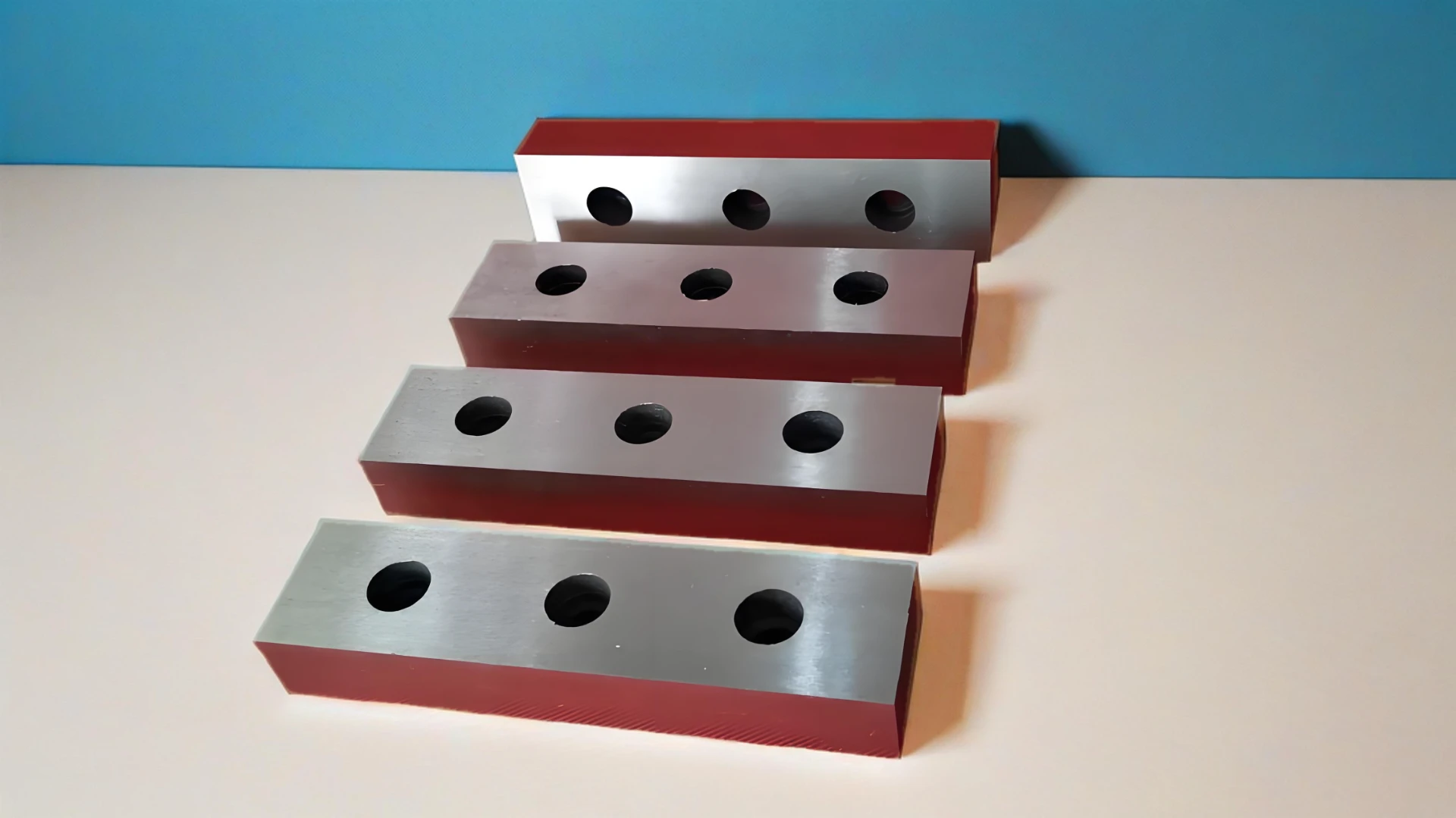
Understanding the Versatility of a Rotary Cutter Blade
A rotary cutter blade is an essential tool in a variety of industries, renowned for its precision, efficiency, and durability. From fabric cutting in quilting and sewing to material processing in manufacturing, the right blade can dramatically improve workflow and product quality. This comprehensive guide explores the different types of rotary cutter blades, their applications, choosing the right blade for your needs, maintenance tips, and safety considerations. Investing in a high-quality rotary cutter blade is crucial for achieving optimal results and maximizing the lifespan of your cutting tools.
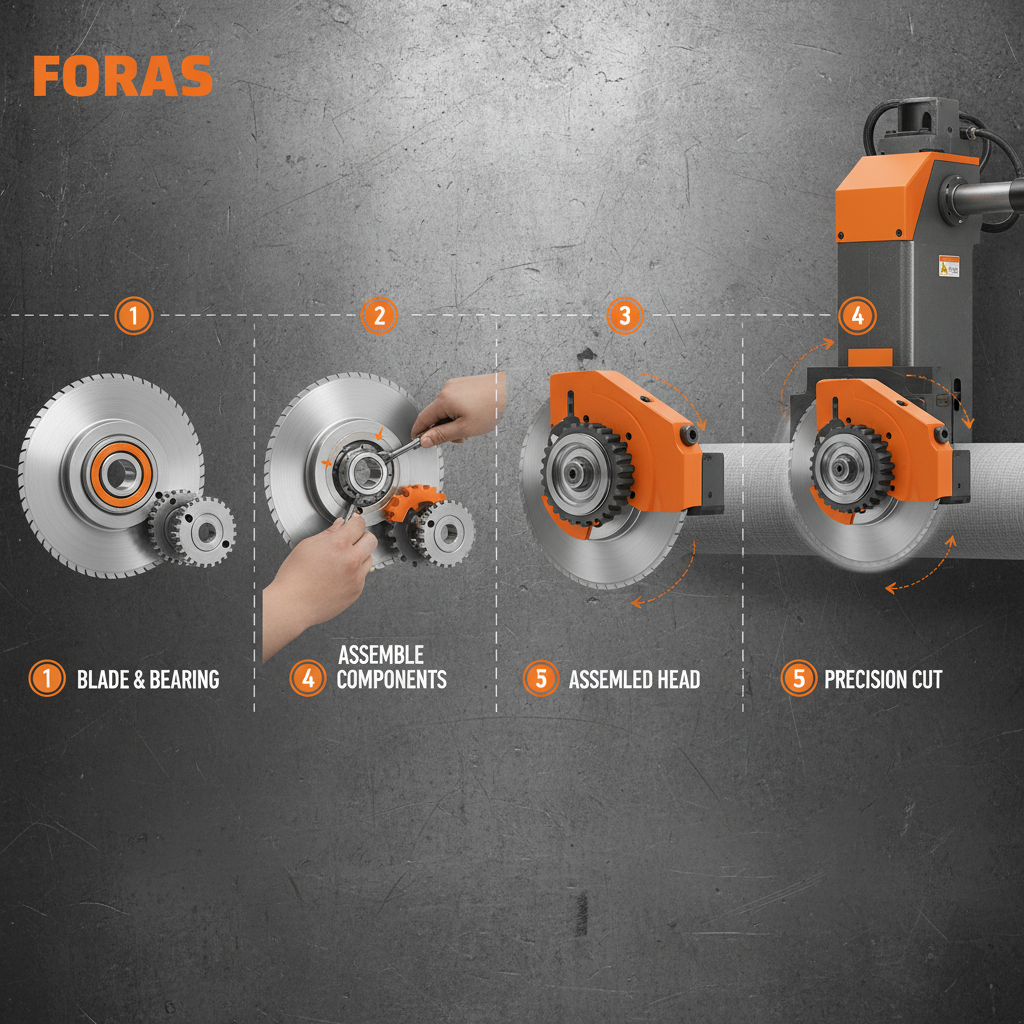
Types of Rotary Cutter Blades
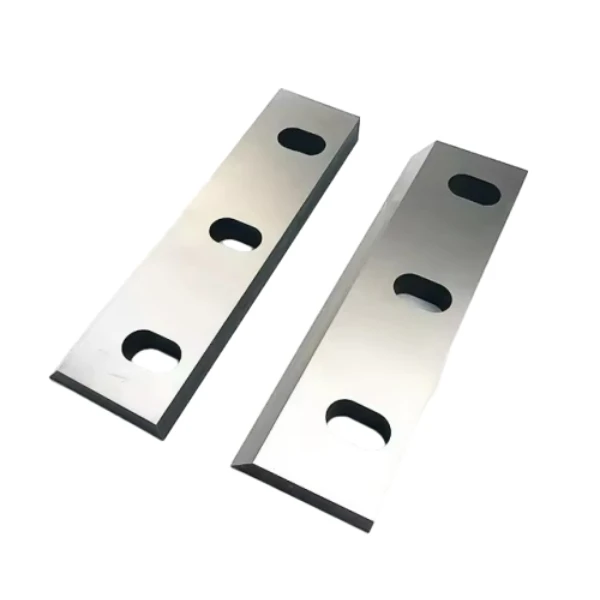
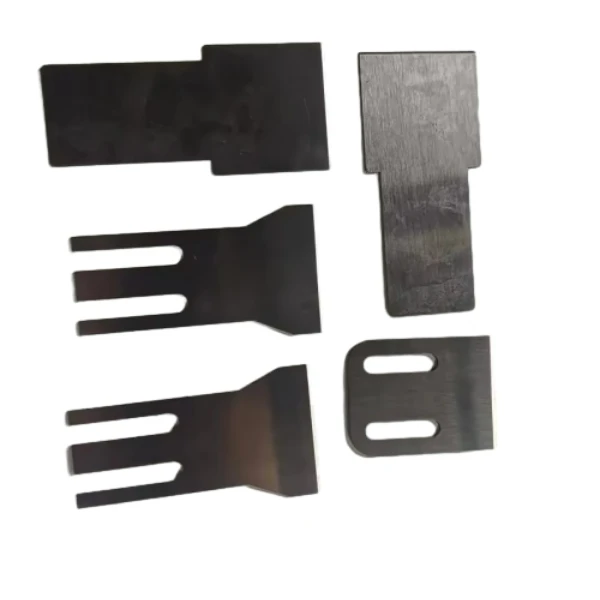
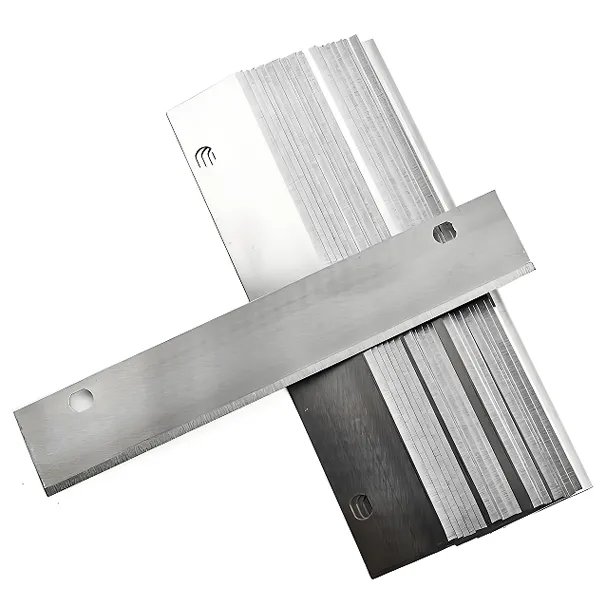
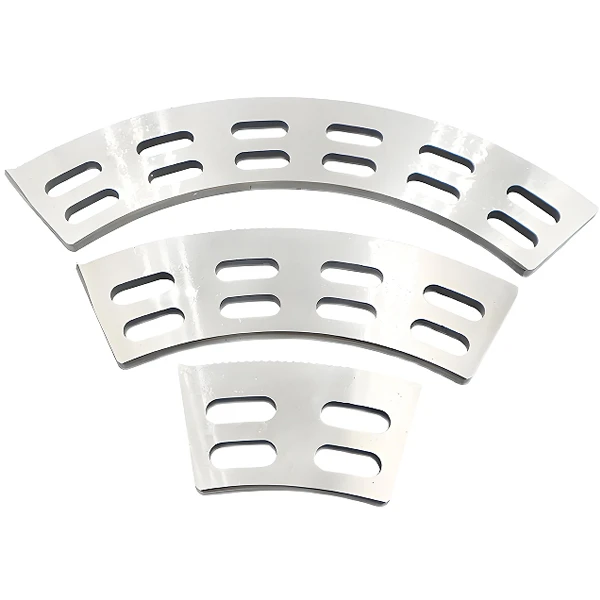
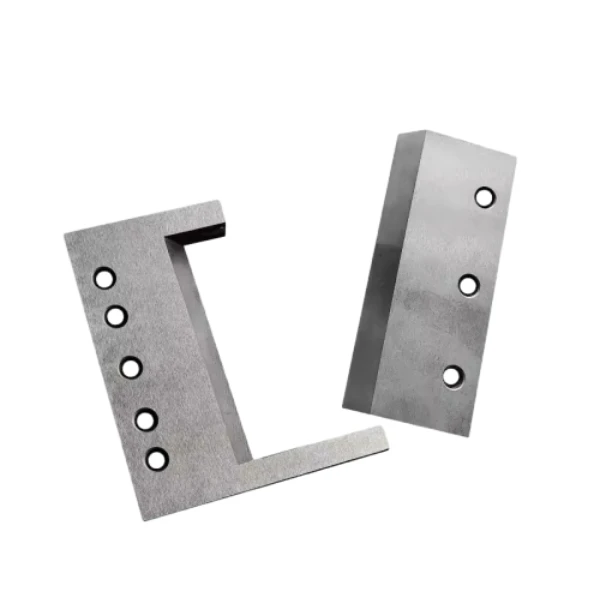
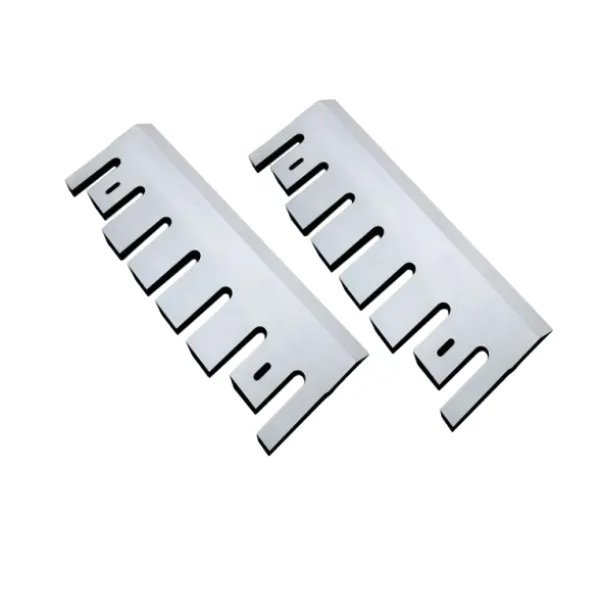
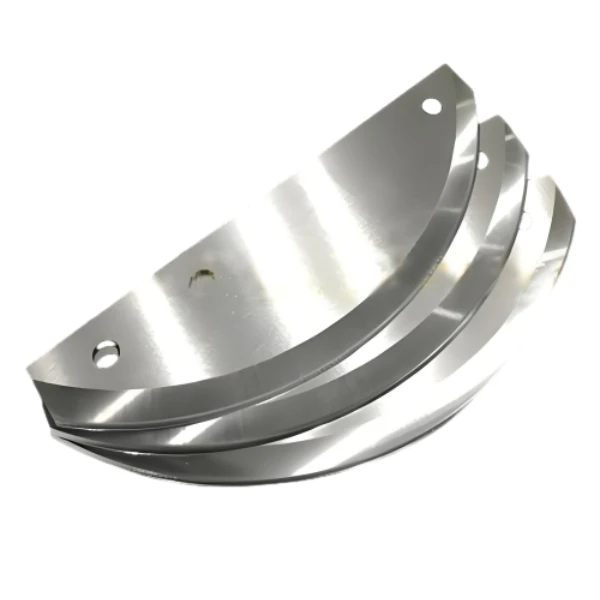
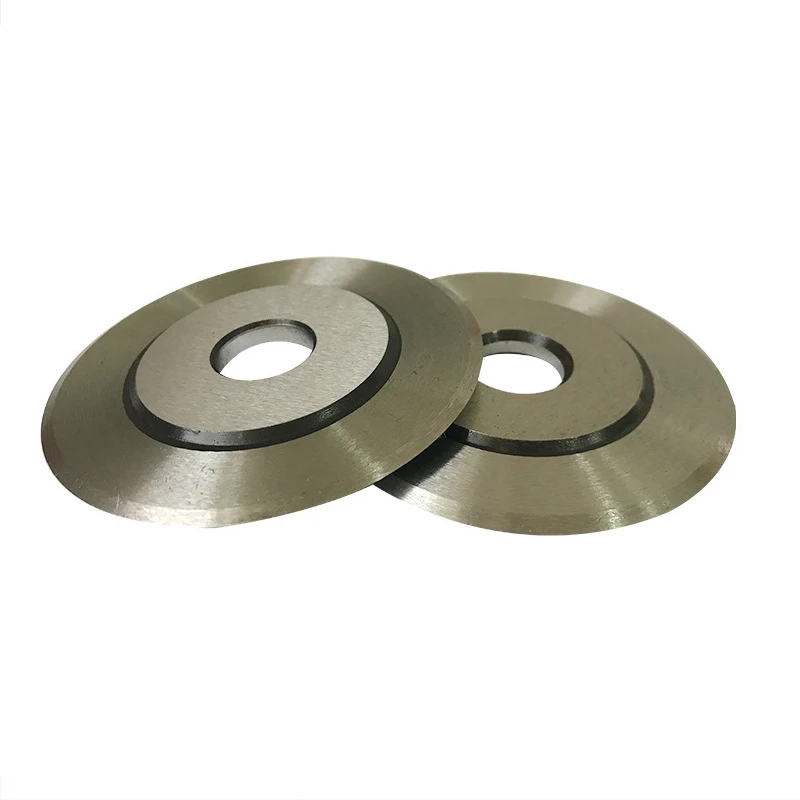
Rotary cutter blades come in a variety of shapes and materials, each designed for specific cutting tasks. Common types include straight blades for general-purpose cutting, scalloped blades for intricate designs and curves, pinking blades for finishing edges to prevent fraying, and specialty blades for specific materials like leather or vinyl. The material of the blade also impacts its performance; high-carbon steel blades offer excellent sharpness and durability, while titanium-coated blades provide enhanced corrosion resistance and longevity. Selecting the right type of rotary cutter blade is essential for achieving clean, precise cuts.
Key Highlights: Choosing the correct blade type significantly impacts the quality, efficiency, and safety of your cutting projects. Consider the material being cut and the desired finish when selecting a blade.
Applications of Rotary Cutter Blades
The versatility of rotary cutter blades extends to numerous applications. In the quilting and sewing industries, they are indispensable for cutting fabric shapes with precision. Manufacturing processes utilize them for cutting leather, foam, rubber, and other materials efficiently. The automotive and aerospace industries employ specialized blades for cutting composites and upholstery. Even craft projects such as paper crafting and scrapbooking benefit from the clean cuts achieved with a sharp rotary blade. The broad range of applications highlights the importance of selecting a blade optimized for the specific material and task.
Key Application Areas:
• Quilting and Sewing
• Fabric Cutting
• Leather Processing
• Foam and Rubber Cutting
Choosing the Right Rotary Cutter Blade
Selecting the correct rotary cutter blade depends on several factors, including the material being cut, the desired cut quality, and the type of rotary cutter you are using. For example, thicker materials require blades with a larger diameter and a more aggressive cutting angle. Delicate fabrics necessitate a sharper blade to prevent snagging or distortion. Consider the blade's coating as well – titanium coatings enhance durability and corrosion resistance. Always ensure compatibility with your rotary cutter to guarantee safe and effective operation.
Maintaining Your Rotary Cutter Blade
Proper maintenance is crucial for extending the life and performance of your rotary cutter blade. Regularly clean the blade to remove debris and residue that can dull its edge. Consider using a blade sharpening tool to restore sharpness when necessary. Always store the blade safely when not in use, using a blade cover or holder to prevent accidental cuts. Replace the blade when it becomes significantly dull or damaged to ensure continued precision and safety.
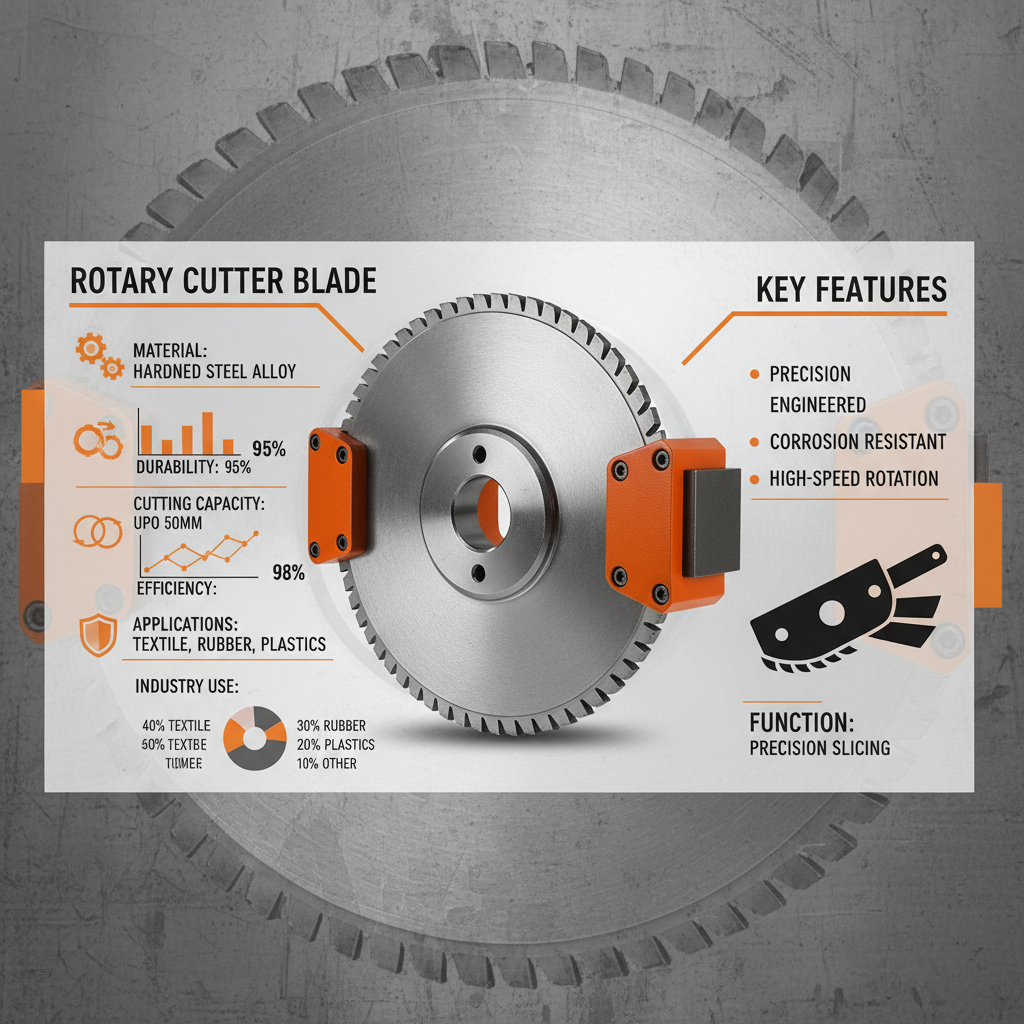
Safety Considerations When Using Rotary Cutter Blades
Safety should always be a top priority when working with rotary cutter blades. Always use a cutting mat to protect your work surface and prevent the blade from damaging it. Keep your fingers and body parts away from the blade's path. Never attempt to force the blade through a material; let the blade do the work. Store blades securely when not in use and dispose of dull or damaged blades responsibly. Following these safety guidelines will minimize the risk of accidents and ensure a safe working environment.
Conclusion: Precision and Reliability with MechBlades
Investing in high-quality rotary cutter blades from MechBlades ensures precision, durability, and safety in all your cutting projects. By understanding the different types of blades, their applications, and proper maintenance techniques, you can maximize their lifespan and achieve professional-quality results. Choose MechBlades for reliable performance and a commitment to excellence.
Frequently Asked Questions (FAQs)
How often should I replace my rotary cutter blade?
The frequency of blade replacement depends on usage and the materials being cut. As a general guideline, replace your blade after approximately 20-30 hours of use, or sooner if you notice any signs of dullness, such as frayed edges or difficulty cutting through materials. A dull blade requires more force, increasing the risk of slippage and injury. Regular inspection is key to ensuring safe and efficient operation. MechBlades offers a wide variety of replacement blades to suit all your needs.
What is the best way to store my rotary cutter blades?
Proper storage is crucial for safety and blade longevity. Always store rotary cutter blades in a designated blade holder or protective case when not in use. This prevents accidental cuts and protects the blade's edge from damage. Keep the storage container in a secure location, away from children and pets. Avoid storing blades loose in a drawer or toolbox, as this increases the risk of injury.
Can I use a rotary cutter blade on materials other than fabric?
Yes, rotary cutter blades can be used on a variety of materials beyond fabric, including leather, foam, paper, and vinyl. However, it's important to select the appropriate blade type for the material being cut. For example, a heavy-duty blade is recommended for leather, while a precision blade is ideal for paper crafting. Always test the blade on a scrap piece of material before cutting your final project to ensure a clean and accurate cut.
How do I sharpen a rotary cutter blade?
While some blades can be sharpened, it's generally recommended to replace them when they become dull, especially for high-precision cutting. Dedicated rotary cutter blade sharpening tools are available, but they may not fully restore the blade's original sharpness. Attempting to sharpen a blade improperly can also damage it. MechBlades offers a convenient and cost-effective solution by providing a wide selection of high-quality replacement blades.