Understanding the disc steel separator: A seasoned perspective
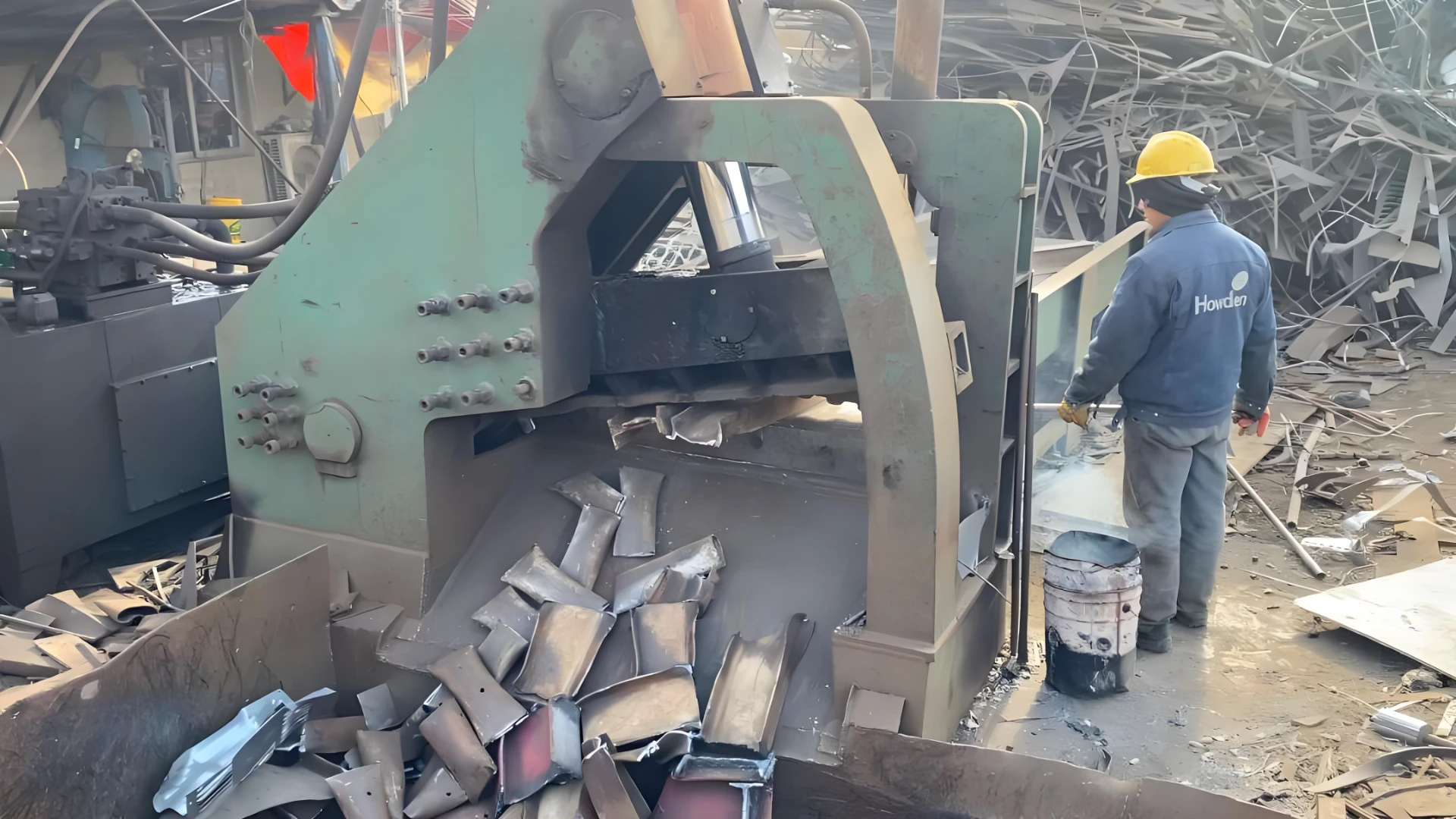
Having spent over a decade working around industrial machinery, I’ve come to appreciate the often-overlooked heroes of metal processing: steel separators, especially the disc steel separator. These machines quietly do the heavy lifting in scrap yards, manufacturing lines, and recycling plants — separating ferrous materials with surprising efficiency and finesse.
Oddly enough, it’s not just about brute force. The design details, materials, and calibration all matter a great deal. You might think, “Hey, it’s a magnet on a disc, how complicated can it get?” But frankly, the devil’s in the details.
Why a disc steel separator? Materials and design insights
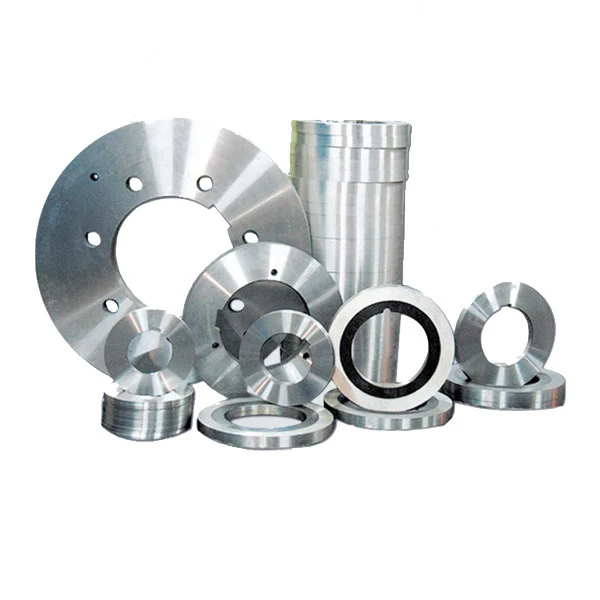
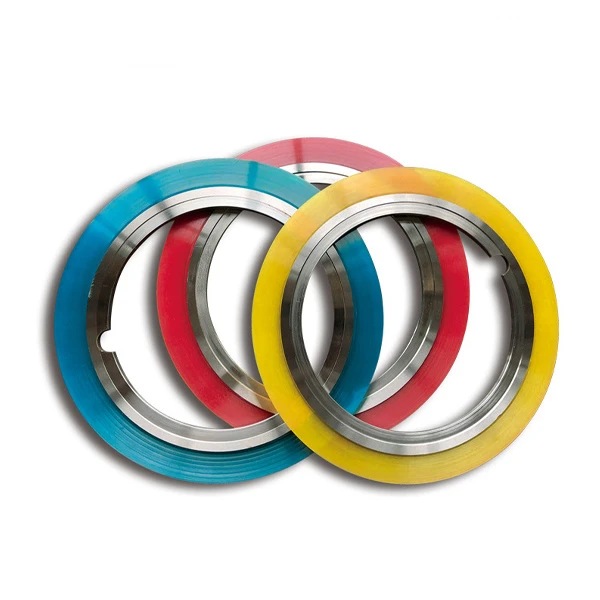
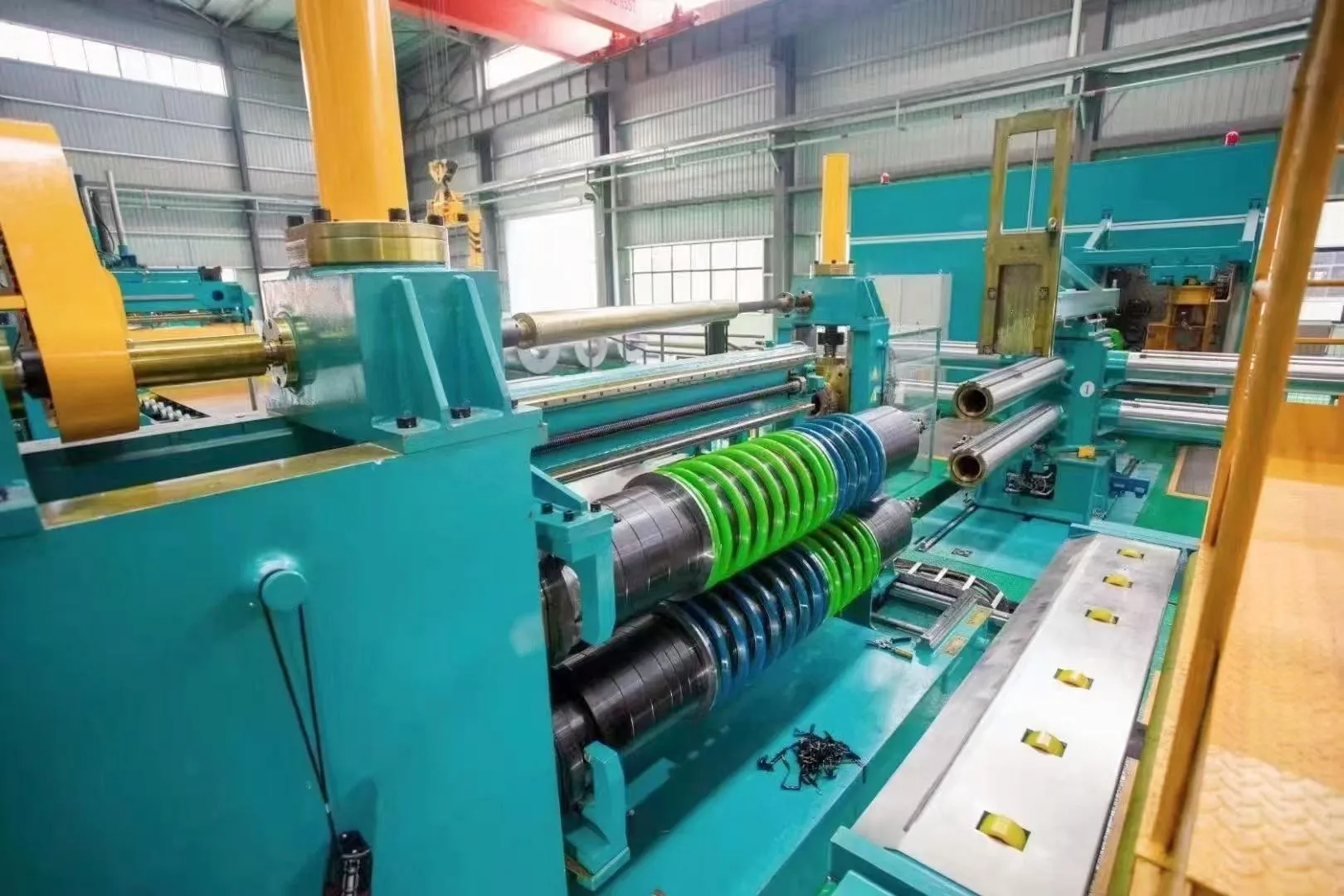
Disc steel separators rely on rotating magnetic discs to pull ferrous metals out of mixed waste streams. The major advantage is that the discs can be tailored in size, speed, and magnetic strength to suit specific materials or throughput volumes. For example, in a plant I worked with a few years back, we custom-tuned the separator's disc speed to handle shredded automotive scrap — which varied wildly in size and density.
Generally, these separators are constructed from durable steel frames housing neodymium or ferrite magnets beneath the discs. Neodymium magnets are noticeably stronger and more compact, though they typically come with a heftier price tag. I noticed that many engineers favor neodymium for consistent performance, especially where space is tight.
| Feature | Specification |
|---|---|
| Disc Diameter | 450 - 800 mm |
| Magnet Type | Neodymium or Ferrite |
| Operating Speed | 200 - 400 RPM |
| Separation Capacity | Up to 5 tons/hour, depending on feedstock |
| Frame Material | Mild Steel with Protective Coating |
Comparing leading vendors in the disc steel separator market
Having installed and maintained separators from different manufacturers, I find that the differences often come down to service, customization options, and magnet quality. The table below summarizes my take based on years of hands-on experience and conversations with fellow operators.
| Vendor | Magnet Quality | Customization | After-Sales Support | Price Range |
|---|---|---|---|---|
| MechBlades | Premium Neodymium | High - Custom disc sizes & speeds | Responsive global support | $$$ |
| SteelMag Industries | Standard Ferrite | Limited options | Local support only | $ |
| MagnaTech Solutions | Mixed magnet types | Moderate customization | Good online resources | $$ |
Real-world use: A quick story
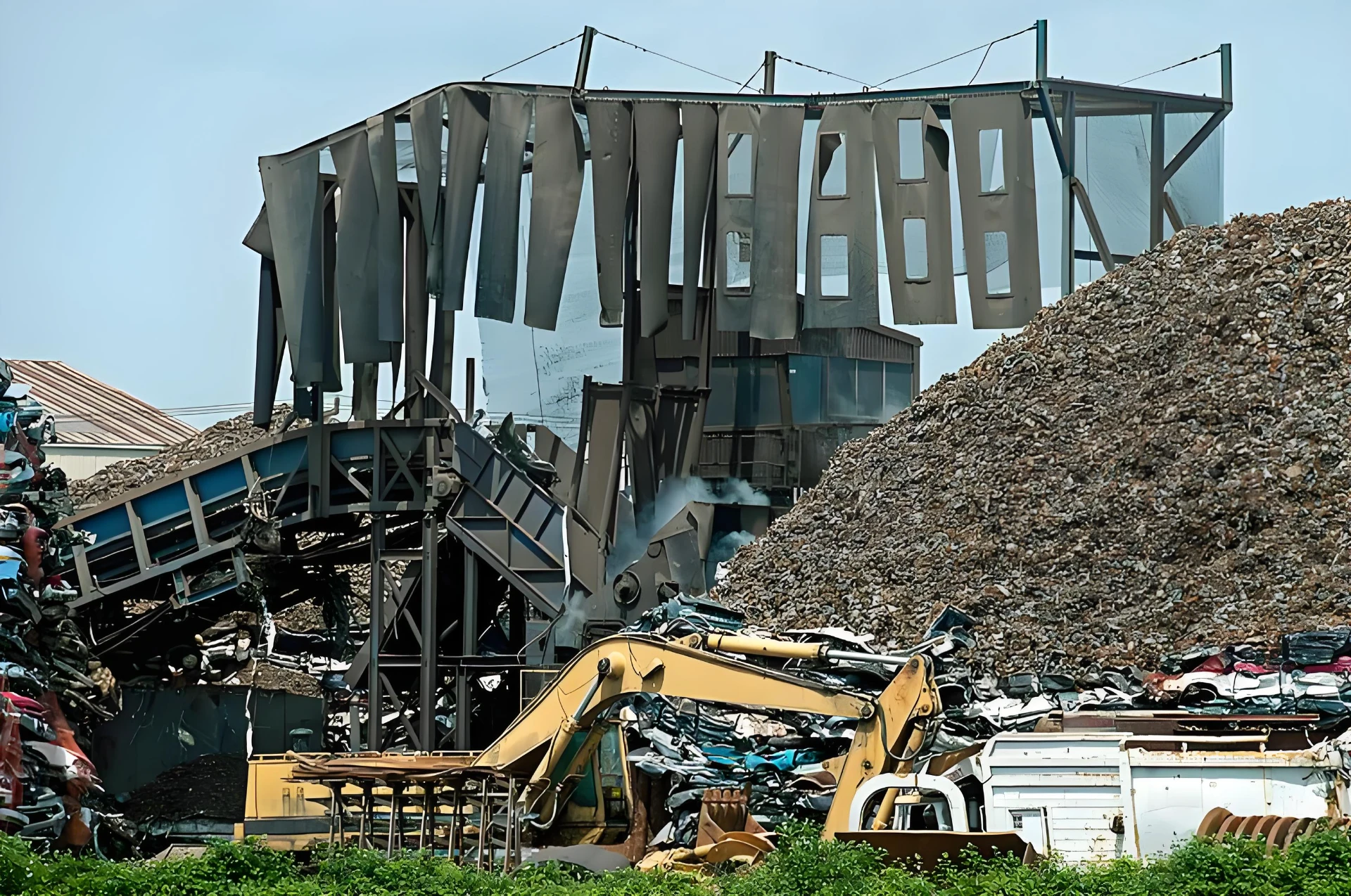
I recall visiting a scrap yard in the Midwest where the operators had recently switched to a disc steel separator with adjustable disc spacing. They told me that it significantly improved their throughput and greatly reduced iron contamination in their aluminum bales. That sort of improvement, frankly, pays for itself pretty quickly.
Ultimately, choosing the right separator often boils down to understanding your material mix, production demands, and how much customization you’re willing to invest in. In real terms, the right disc steel separator can be a workhorse that quietly keeps your operation running smoothly.
So, if you’re considering upgrading or implementing a separator, it’s worth checking out vendors like MechBlades. Their products tend to blend durability, power, and customization in a solid package.
For those of us who have been around the block, it’s refreshing to see that quality and support still matter — especially in this industrial sector that often feels like it moves at the speed of steel itself.
Takeaway: It’s not just about magnets; it’s about the right magnet, the right disc speed, and a vendor who understands your operational realities.
References:
1. Industry Equipment Digest, 2022 Edition
2. 'Magnetic Separators: Design & Applications' by R. Schmidt, 2019
3. Personal interviews and site visits, various industrial facilities, 2015-2023