Understanding disc knives in Industrial Equipment
I’ve been around industrial equipment for, well, more years than I care to admit. And if there’s one component that quietly but crucially shapes the efficiency of chopping, slicing, or cutting in the agricultural and processing industries, it’s the disc knife. Oddly enough, these circular blades don’t always get the spotlight they deserve, yet they are the unsung heroes behind the cleanest cuts and lowest downtime.
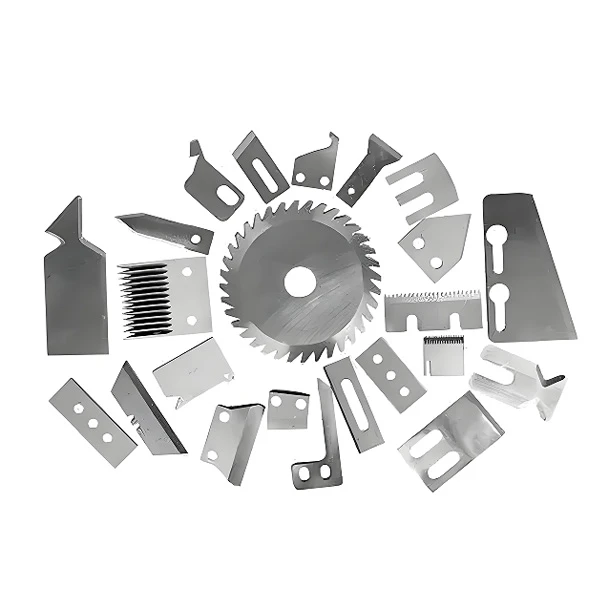
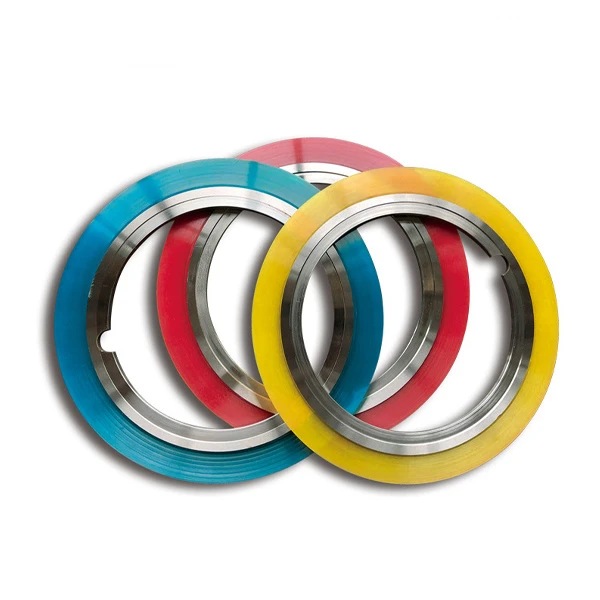
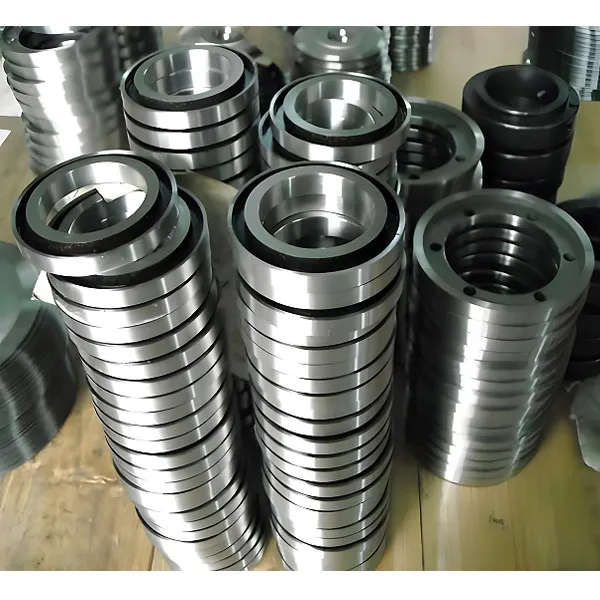
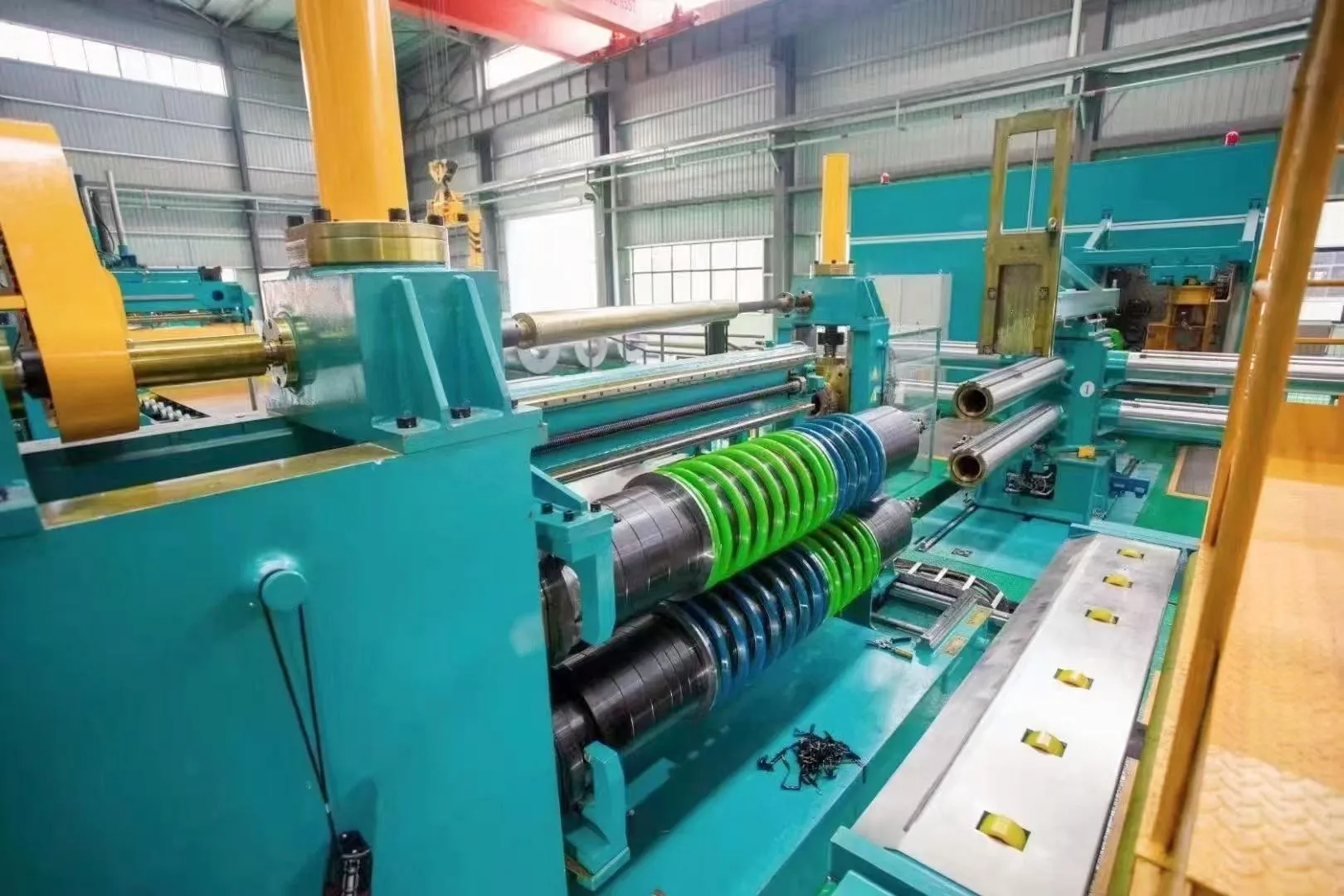
So, what exactly are disc knives? At their core, they’re circular metal blades designed to slice through various materials — think crops, plastics, textiles, or paper, depending on the industry. You find them spinning at high speeds on machines such as mowers, harvesters, or industrial cutting equipment. Frankly, their design must balance durability, sharpness, and resistance to wear and tear – and that’s often a tricky engineering feat.
The craft of manufacturing these knives blends metallurgy with precision shaping. Most industrial disc knives are forged from high carbon steel or sometimes specialty alloys, which are then heat-treated to enhance hardness without becoming brittle. This process ensures they stand up to the abrasive conditions common in fields or factories. I recall a project where the choice of steel grade literally cut downtime in half — the disc knives lasted twice as long before needing replacement.
You might wonder about the different shapes and sizes. Well, disc knives come in diameters ranging typically from 100 mm up to 450 mm, depending on the machine’s specs. Thickness and edge sharpness can vary too, to suit particular cutting tasks. For instance, thinner edges excel in clean slicing but might wear faster, whereas thicker knives can be tougher but less precise.
Here’s a quick rundown of typical product specifications I’ve seen in reputable disc knives:
| Specification | Typical Range |
|---|---|
| Diameter | 100 mm – 450 mm |
| Thickness | 2.5 mm – 5 mm |
| Material | High Carbon Steel, Alloy Steel |
| Hardness (HRC) | 45 – 55 |
| Edge Type | Beveled, Straight, Serrated |
Now, not all disc knives are created equal, and your choice of vendor can make or break the operational lifetime and efficiency. Several brands have carved out reputations, but I’ve found it’s worth considering factors beyond just price — like material sourcing, heat treatment controls, and even customer support responsiveness.
| Vendor | Material Quality | Customization Options | Lead Time | Pricing |
|---|---|---|---|---|
| MechBlades | Premium steel, traceable sourcing | Full range: sizes, edges, coatings | 2-3 weeks | Competitive |
| BladeCorp | Good quality but batch variability | Limited customization | 4-5 weeks | Mid-range |
| CuttingEdge Inc. | Standard steel, often imported | Few options | 1-2 weeks | Lower priced |
One particular story sticks with me: a local farmer was battling frequent cutter breakdowns in his harvesters. Switching to a high-grade disc knife brand made all the difference — not just in uptime but in the quality of the cut, which directly impacts crop processing yield. That’s the kind of impact a seemingly small part can have.
Maintenance and replacement schedules? I’ve noticed the best knives combine sharp longevity with easy resharpening or replacement. It’s a balance that’s surprisingly rare but pays off dividends in real-world industrial environments.
To sum up, when you’re looking at upgrading or repairing your cutting mechanisms, give disc knives the attention they deserve. They might be just a circle of steel, but they’re the difference between smooth operations and costly downtime.
“Investing in quality disc knives is not just buying a blade — it’s choosing reliability and efficiency for your equipment.”
References
- Industrial Cutting Tools Handbook, 3rd Edition, 2022
- Smith, J. “Metallurgy for Durable Agricultural Tools,” Journal of Equipment Science, 2023
- MechBlades – Product and Technical Guide, 2024