Choosing the Right Blades for Steel Processing: A Practical Guide
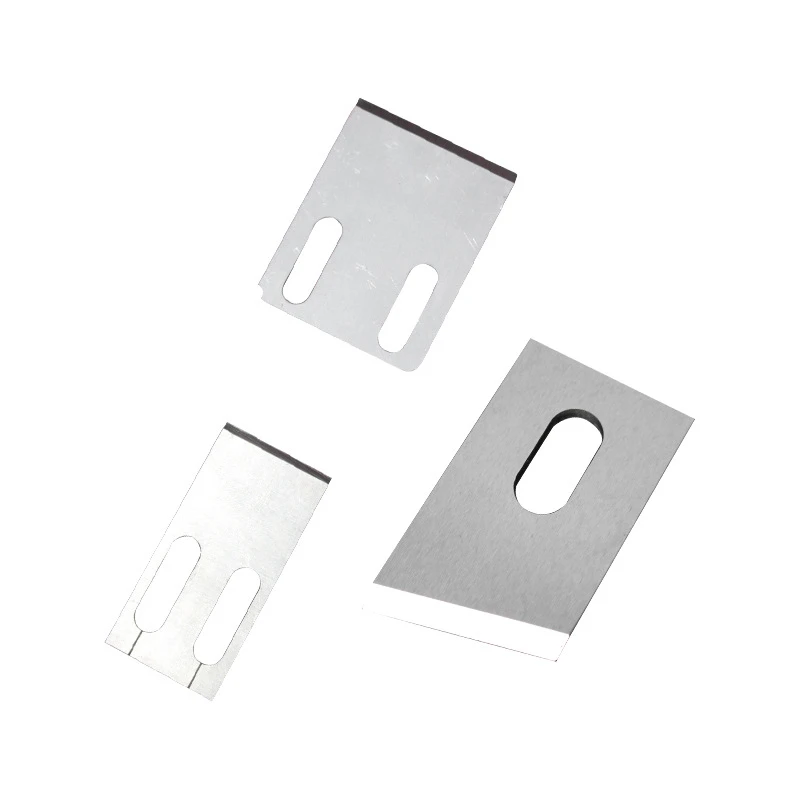
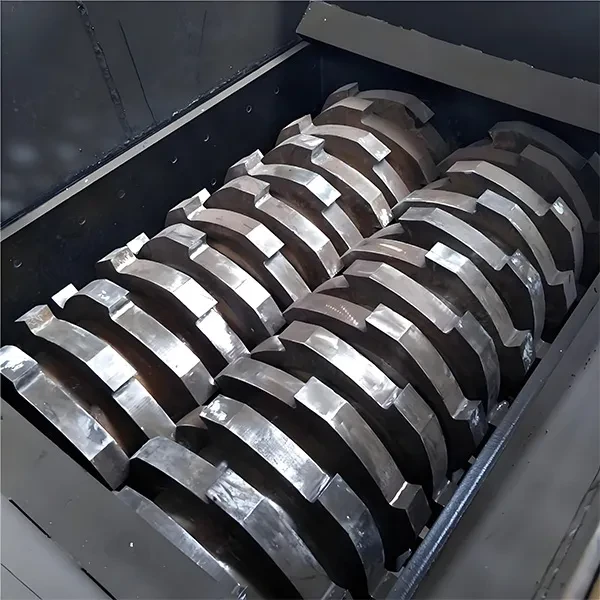
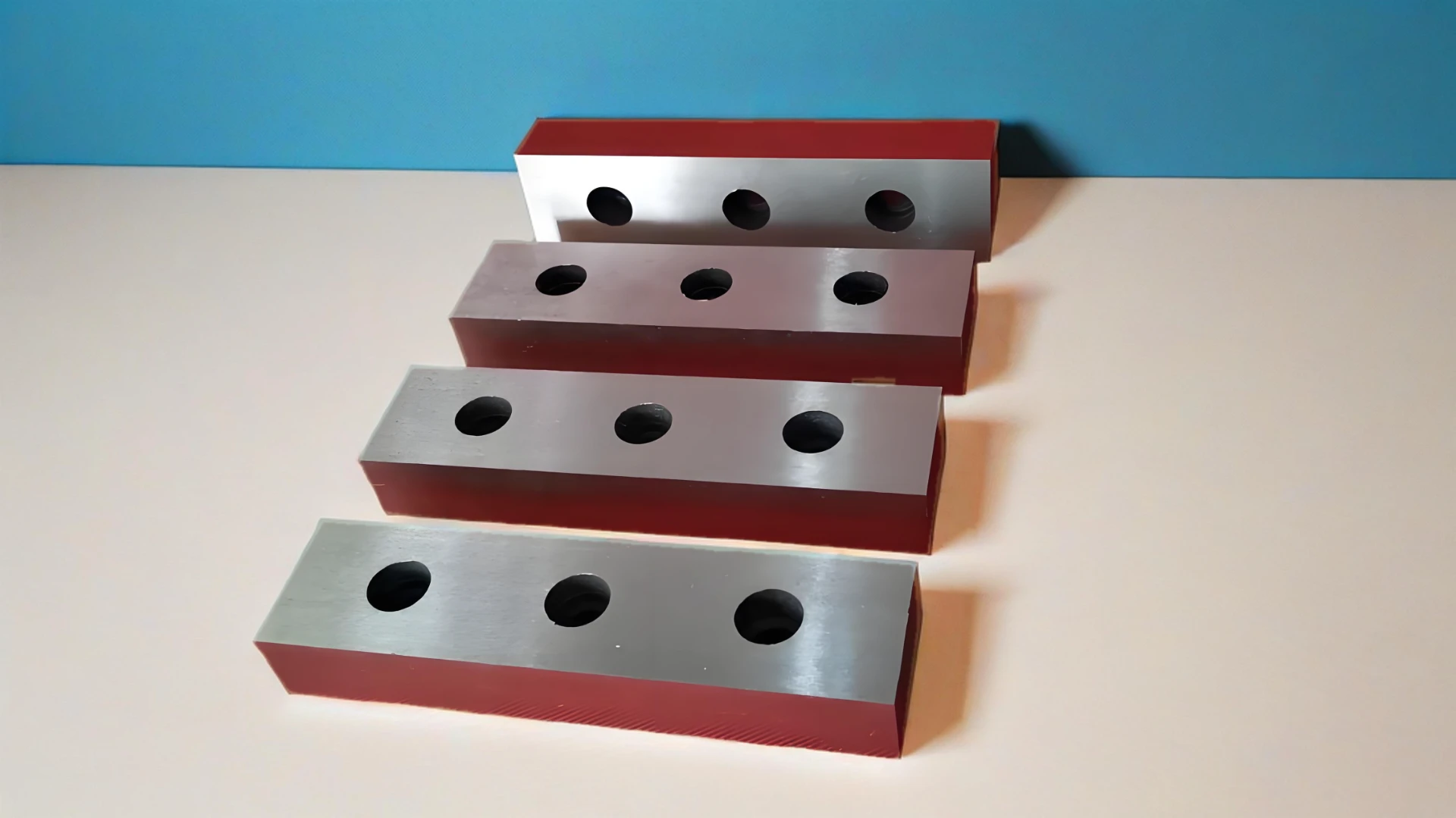
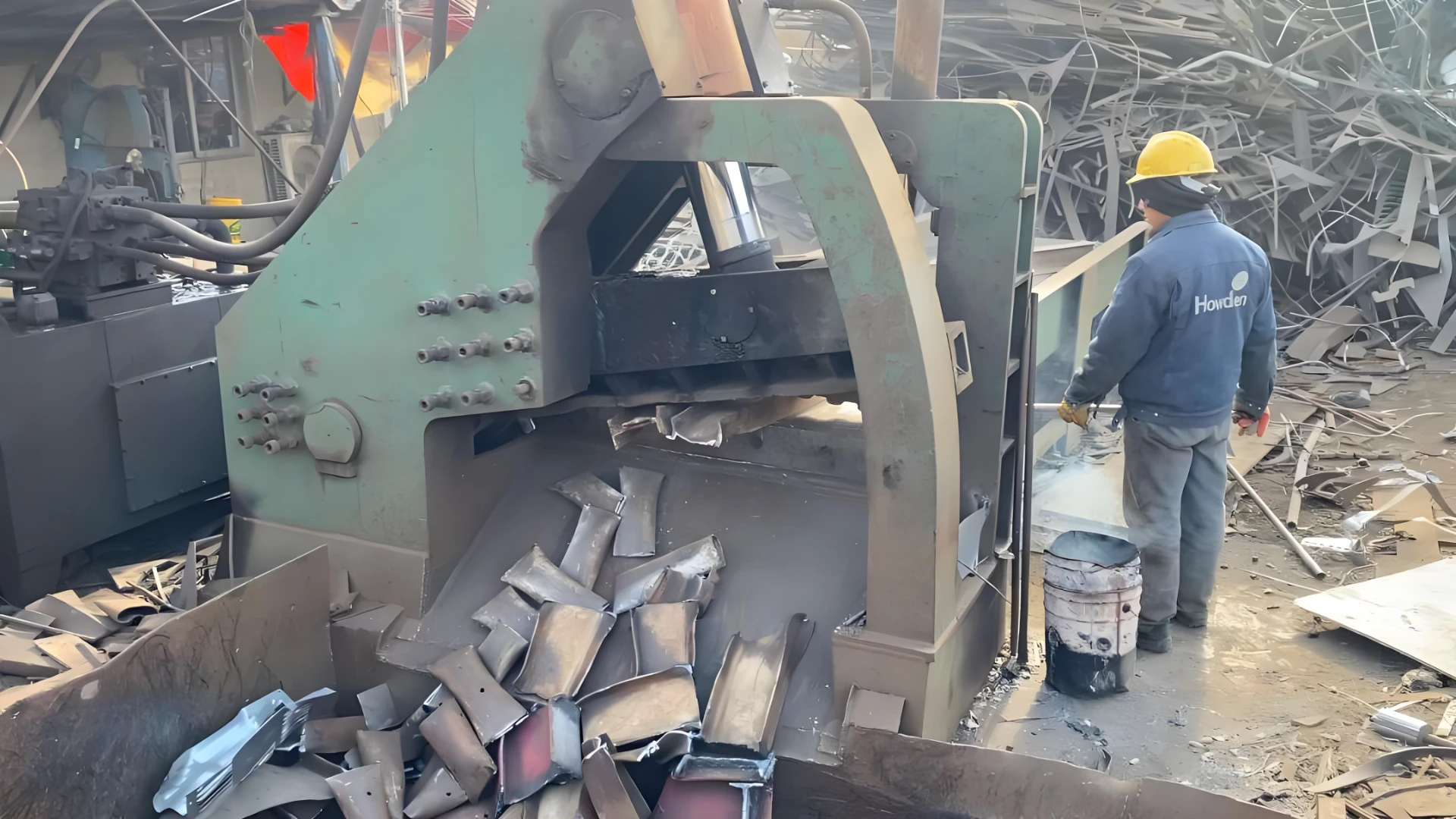
Having spent a fair bit of time in the industrial equipment trenches, I can tell you that not all blades for steel processing are created equal. From my experience, the right blade can make or break your production line’s efficiency. Frankly, I’ve seen plants grind to a halt simply because a blade didn’t hold up—costly downtime you really want to avoid.
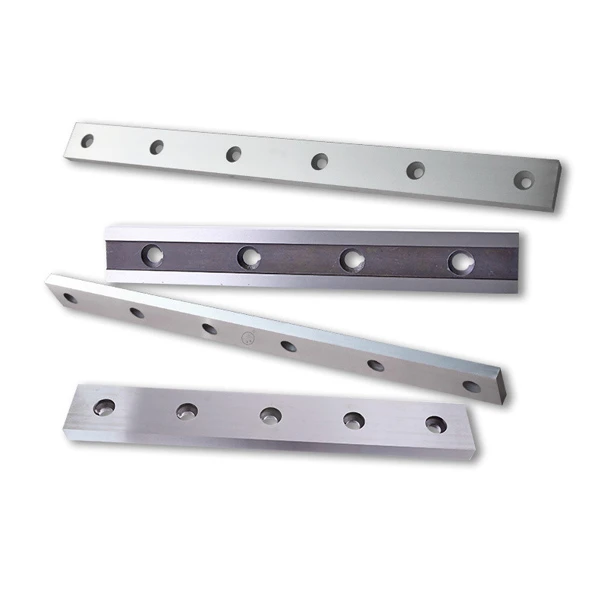
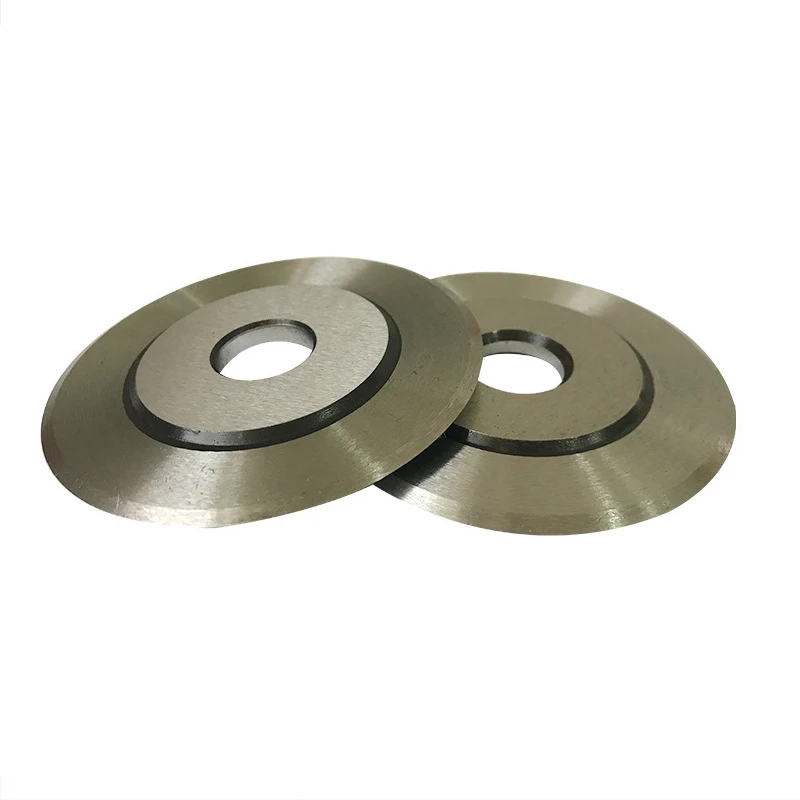
Steel is tough stuff, and slicing through it requires blades designed for high durability, precise tolerances, and the ability to withstand heat generated during cutting. Most plants these days lean towards advanced alloys and coatings that extend blade life. The difference? A few more hours—or sometimes days—between changeouts, saving both time and money.
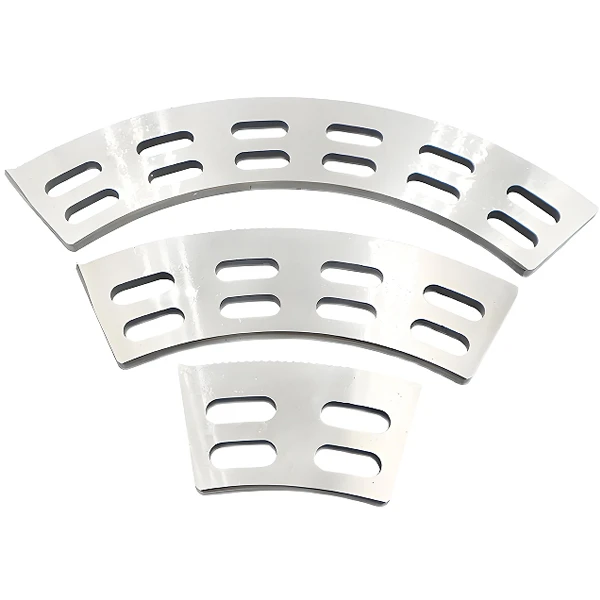
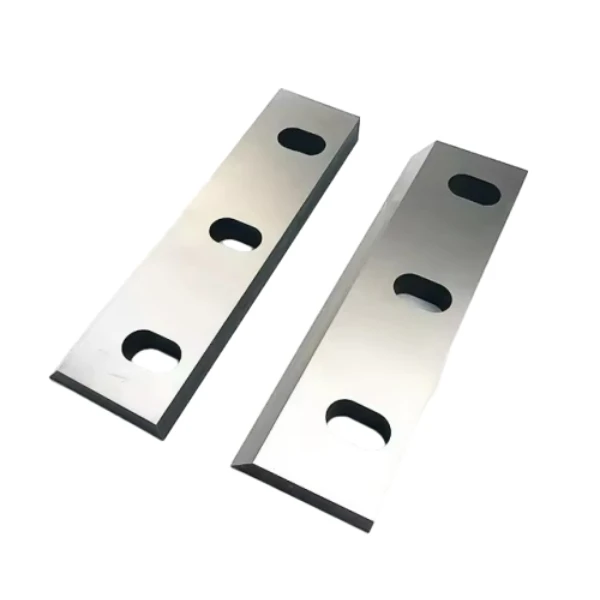
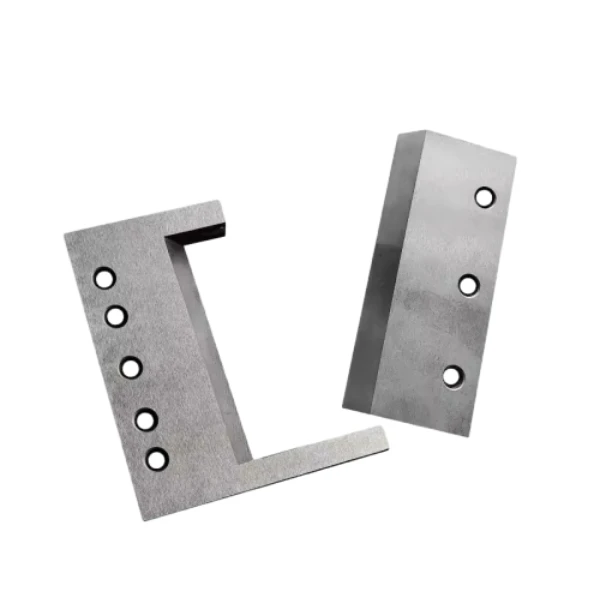
Oddly enough, it’s often the little details—like blade geometry or heat treatment—that dictate performance. You might have a blade with a fancily engineered alloy, but if it doesn’t have the right edge profile for your steel’s hardness and thickness, you’re going to struggle. I noticed early on that working with vendors who understand your exact steel grades and deliver tailored blades pays off big.
| Specification | Details |
|---|---|
| Blade Material | High-speed steel (M2, M42), carbide tipped |
| Coating | TiN, TiAlN, DLC for wear resistance |
| Blade Thickness | 1.2 - 3.0 mm depending on application |
| Cutting Speed | Up to 100 m/s for optimized blades |
| Edge Geometry | Variable bevels for different steel types |
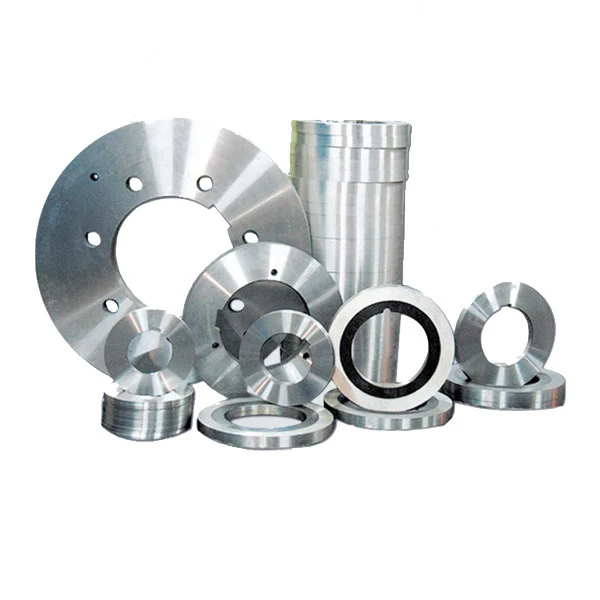
In real terms, sourcing blades from reputable suppliers goes beyond just the specs. Many manufacturers offer customization now—different tooth patterns or special coatings that adapt blades to certain steel grades or processing speeds. For example, a customer I worked with recently was cutting ultra-high-strength steel sheets. Switching to a carbide tipped blade with a TiAlN coating extended their blade life by nearly 50%. It felt like a small tweak but saved them a lot of headaches.
Naturally, blades for steel processing have evolved quite a bit. Today’s options balance hardness and toughness thanks to advanced metallurgy and heat treatments. But keep in mind: if your production specs change or you shift steel types, it’s worth revisiting your blade choice.
| Vendor | Material Options | Customization | Price Range | Lead Time |
|---|---|---|---|---|
| MechBlades | HSS, Carbide, Coatings | High—custom tooth geometry | $$$ | 2-3 weeks |
| BladeWorks Inc. | HSS, Carbide | Moderate—standard profiles | $$ | 1-2 weeks |
| CutPro Tools | Carbide only | Low—catalog only | $ | 1 week |
To wrap things up—literally and figuratively—investing time into understanding blade specs and vendors can pay off enormously in steel processing. It’s not just about cutting metal but doing so reliably and cost-effectively. Sure, it may feel like a small piece in a massive operation. But in my years on the shop floor, I’ve learned: the blade is quietly responsible for a lot more than just slicing steel.
References:
1. Steel Processing Handbook, 2020 Edition
2. Interview with MechBlades Technical Support, 2023
3. Industrial Cutting Tools Journal, Vol. 15, Issue 4