Why Stainless Steel Blades Still Rule Industrial Cutting
Having spent a fair share of my career around heavy machinery and industrial setups, I’ve seen blades come and go. Yet, stainless steel blades keep holding their ground like a trusted old colleague. It’s not just nostalgia; it’s about performance, durability, and yes, a certain understated versatility that you don’t always get with other materials.
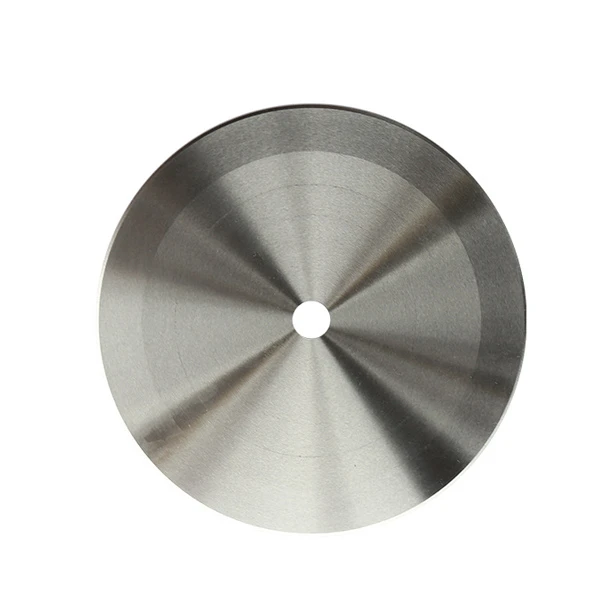
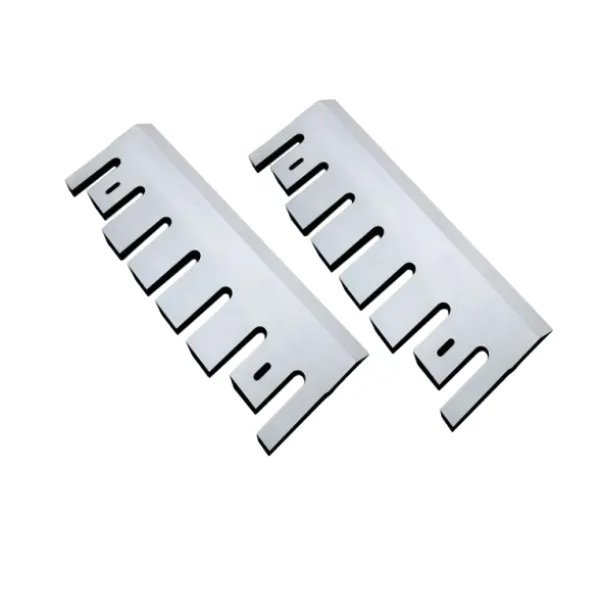
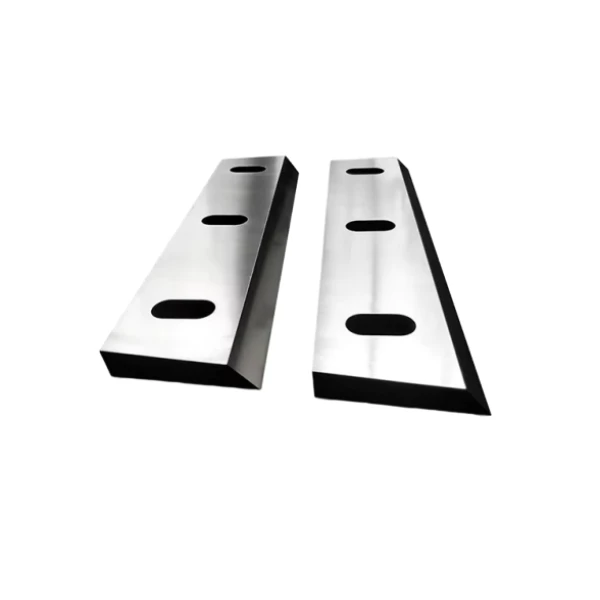
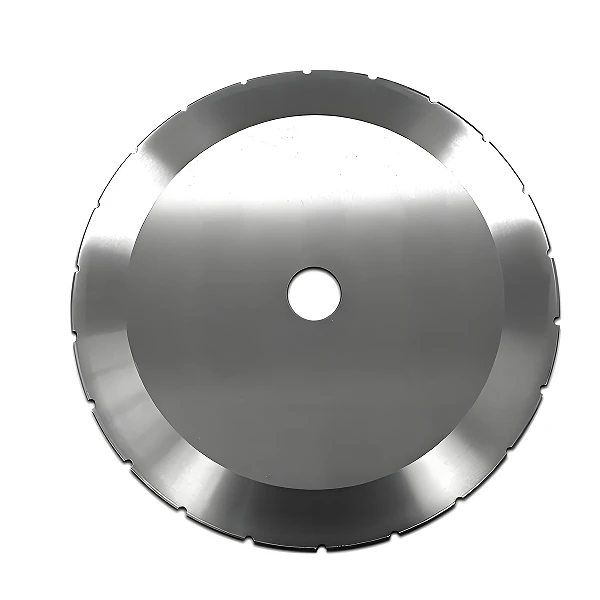
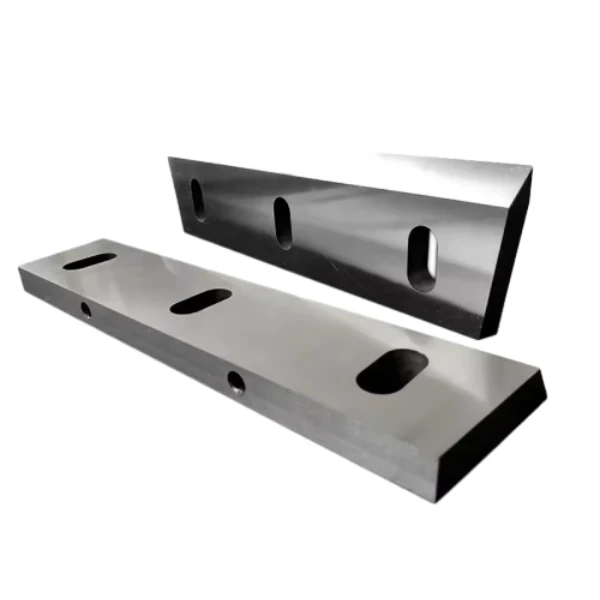
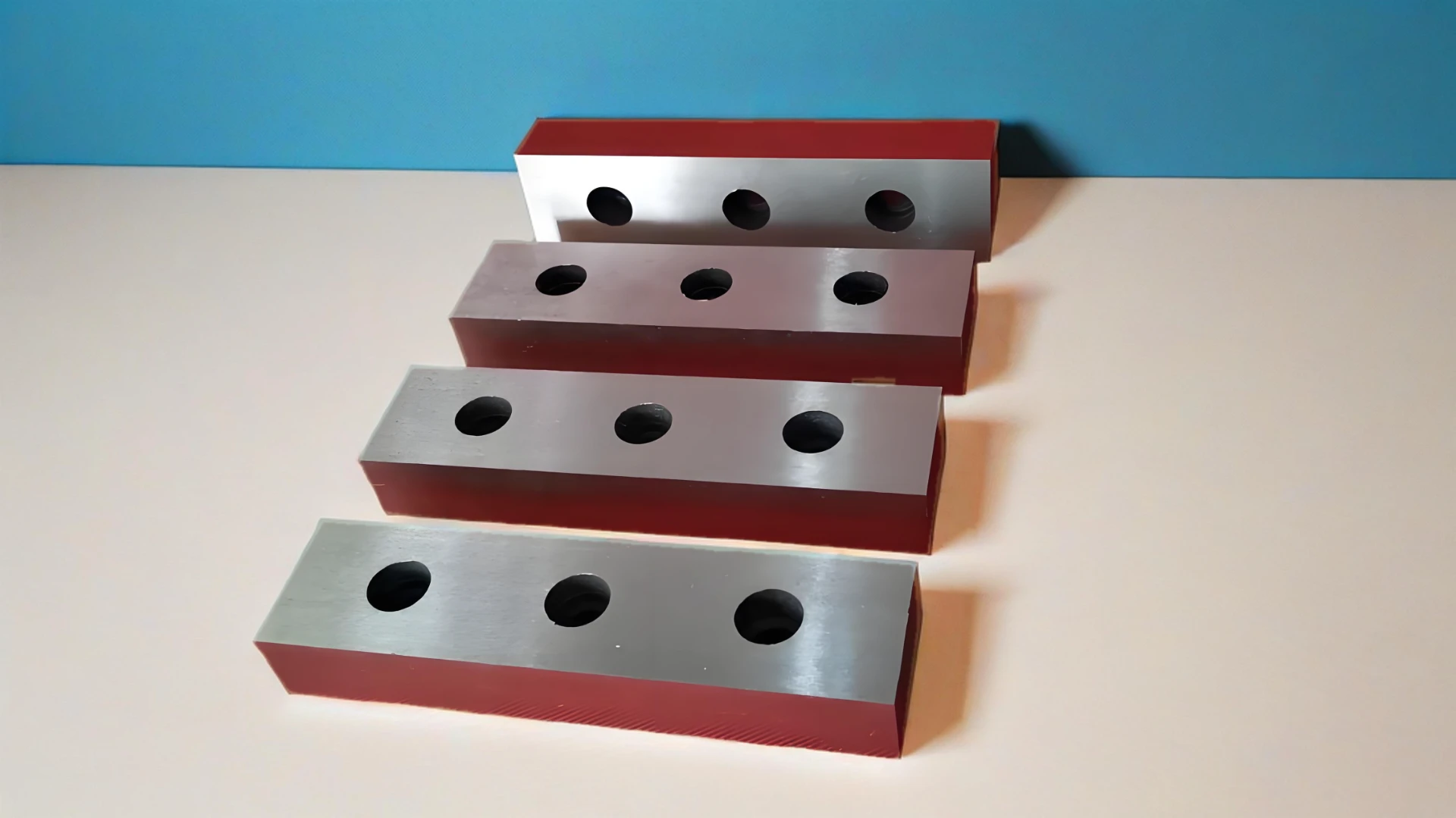
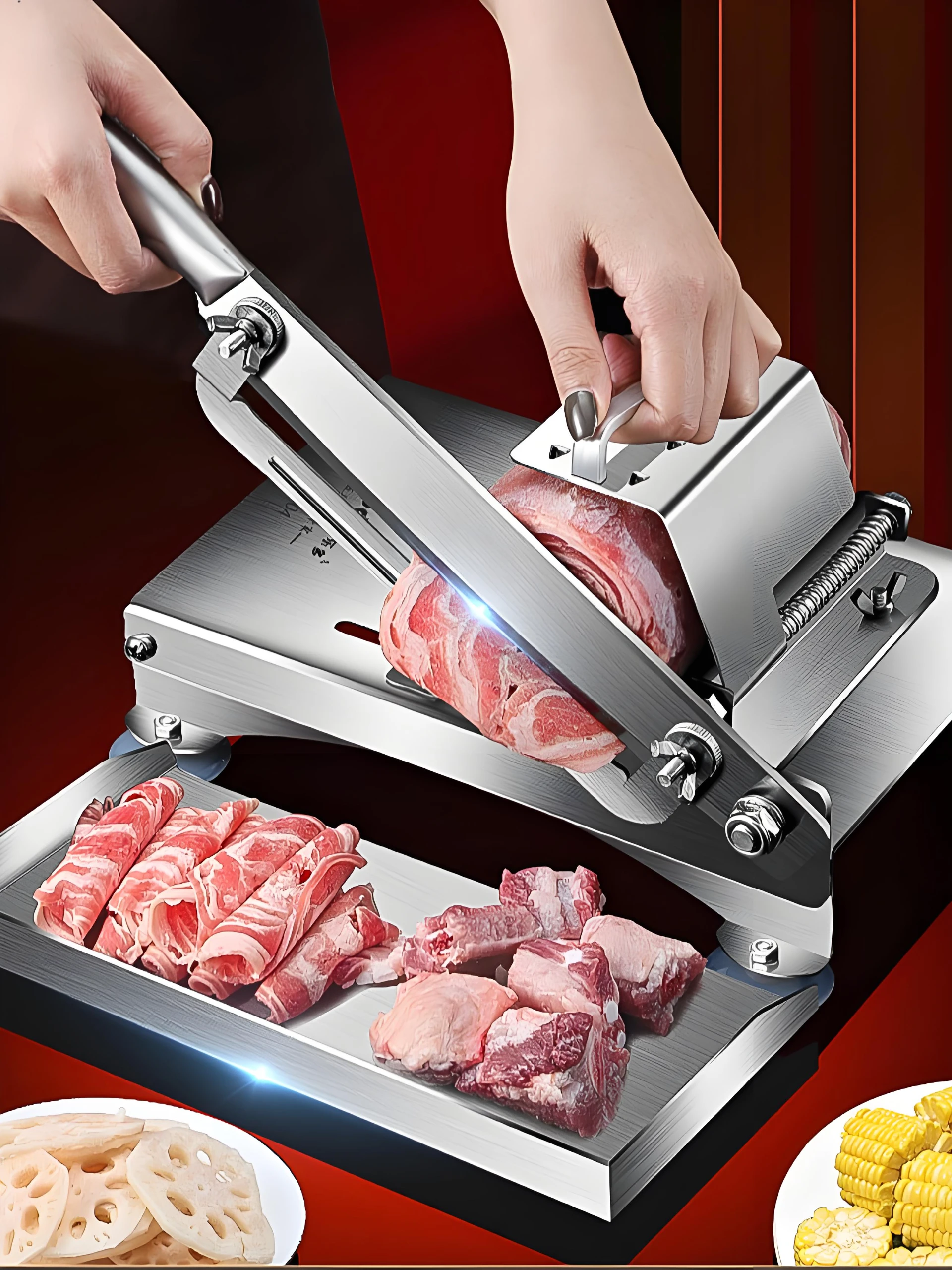
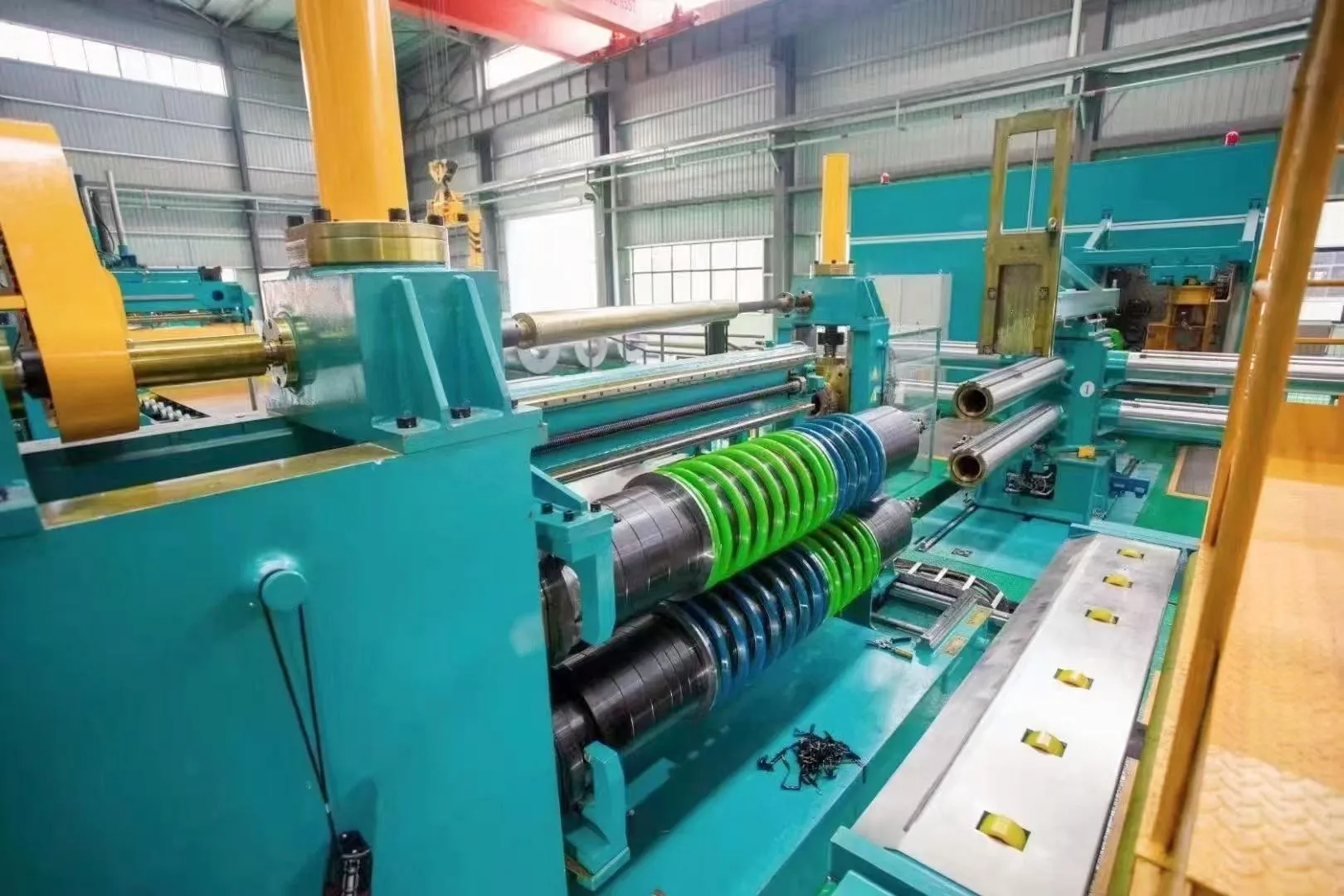
stainless steel blades are something you’ll find across various sectors—from food processing plants to paper mills—where blade reliability is mission-critical. They combine corrosion resistance with shock absorption better than most alternatives. Oddly enough, that balance is what makes them irreplaceable for many engineers I've worked with.
When we talk specs, stainless steel blades aren’t just stainless; the grade matters seriously. Commonly, you’ll hear about 304 and 316 grades—304 offers excellent corrosion resistance for general use, while 316 can tackle harsher environments like chemical plants or outdoor cutters exposed to saltwater air. I’ve noticed clients in coastal operations swear by 316 blades; they tend to last noticeably longer.
| Specification | Details |
|---|---|
| Material Grades | 304, 316, 420, 440C |
| Hardness | HRC 48-62 depending on heat treatment |
| Thickness Range | 0.5 mm to 6 mm |
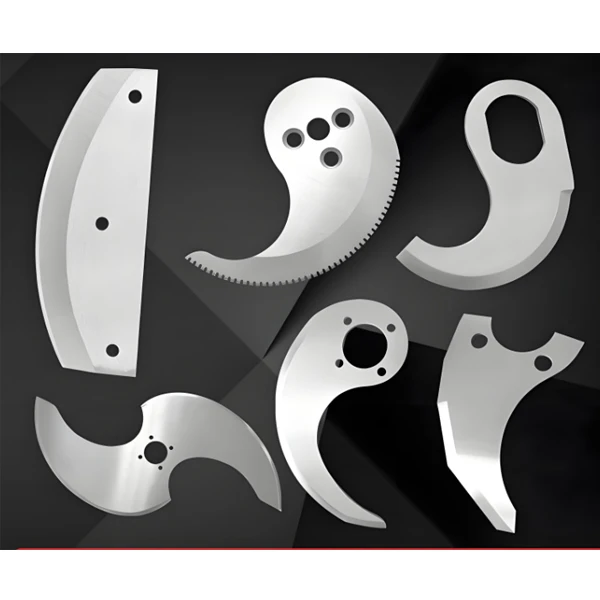
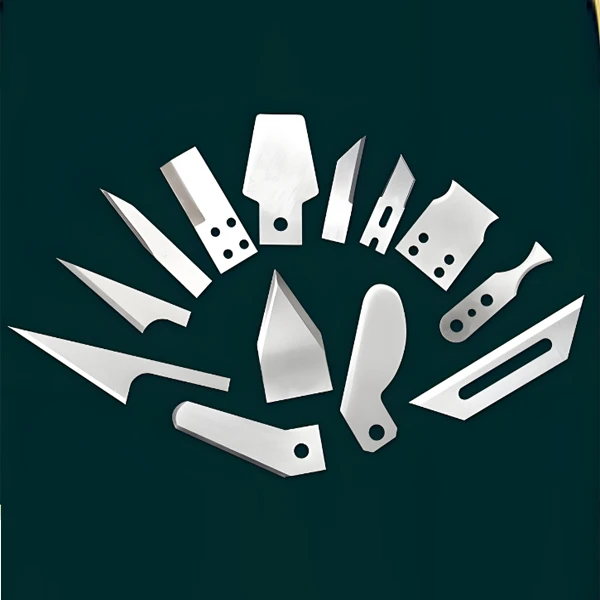
| Edge Types | Straight, serrated, scalloped |
| Surface Finish | Polished, brushed, coated |
| Typical Applications | Food processing, packaging, paper cutting, industrial trimming |
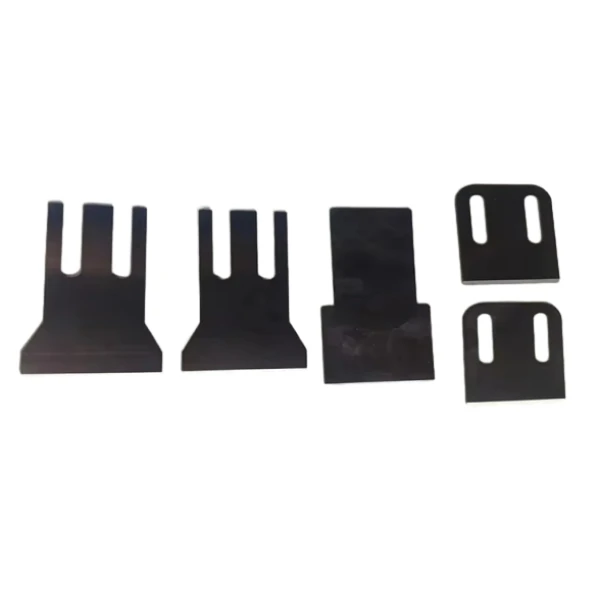
Now, what I find pretty interesting—and I suspect many engineers quietly agree—is that stainless steel blades can be customized to a degree that almost makes them sculptural pieces of engineering. Changing the edge geometry or applying specialized coatings can prolong life or optimize the blade for unusual materials like fiberglass or dense cardboard. Mechblades, for example, offers cutting-edge customization that really impresses the discerning eye.
Testing is another factor that often gets overlooked, frankly. In storied workshops or high-tech R&D labs alike, blades undergo rigorous cycle tests simulating months of cutting within a matter of hours. A blade that passes these trials will not just slice efficiently but maintain edge integrity through thousands of cuts, avoiding downtime and costly replacements.
| Vendor | Customization Options | Lead Time | Typical Applications | Price Range |
|---|---|---|---|---|
| Mechblades | Extensive (edges, grades, coatings) | 2-4 weeks | Industrial, medical, food machinery | Mid to high |
| BladeCo | Moderate (limited edge styles) | 1-3 weeks | Packaging, woodworking | Mid |
| SteelSharp | Basic (standard blades only) | 1 week | General industry | Low to mid |
Speaking of real stories, I remember a mid-sized packaging company in Michigan that switched exclusively to stainless steel blades after repeated issues with rust and premature wear on their old carbon steel blades. Not only did downtime drop sharply, but the cleaner edges actually improved the quality of their product presentation. It’s those tangible differences that sometimes get lost if you just stare at specs all day.
So yes, stainless steel blades might sound like a dull topic to the uninitiated, but for those of us in the trenches, they’re quietly indispensable. From material grades to the sometimes-overlooked art of edge finishing, these blades are a subtle reminder that good engineering still beats flashy gimmicks.
In the end, whether you’re replacing a worn blade, investing in custom tooling, or just curious about what makes blades tick, it’s worth remembering that stainless steel blades offer a well-rounded “get the job done” ethos that’s tough to match.
— Learned a lot sharing this, and if you’re working with blades, I genuinely hope it sparks some ideas.
References:
1. “Material Science of Stainless Steel,” Steel Institute Journal, 2020
2. “Blade Wear Mechanisms in Industrial Settings,” Industrial Machinery Review, 2019
3. Case Study: Mechblades Custom Solutions, 2023