Why Greenfield chipper blades Still Lead the Industry
Having spent over a decade in the industrial equipment scene, I’ve seen my fair share of tool innovations. Yet, oddly enough, when it comes to chipper blades, the Greenfield chipper blades consistently stand out. It's not just hype; there’s a real story behind their design and application that keeps them in heavy rotation across sawmills, forestry operations, and even biomass plants.
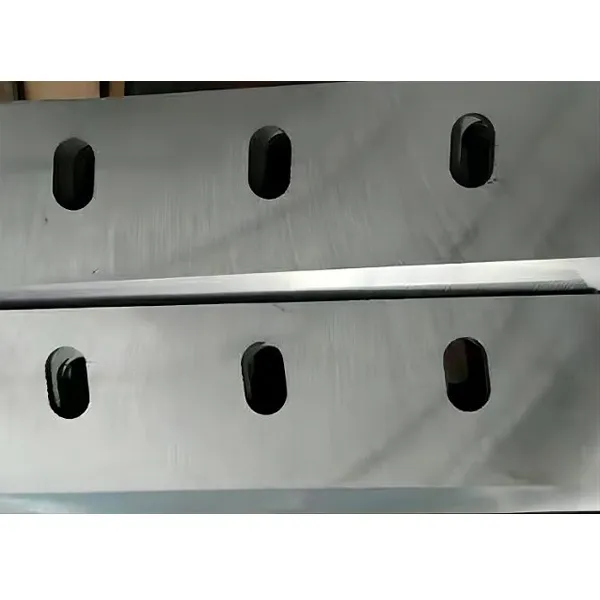
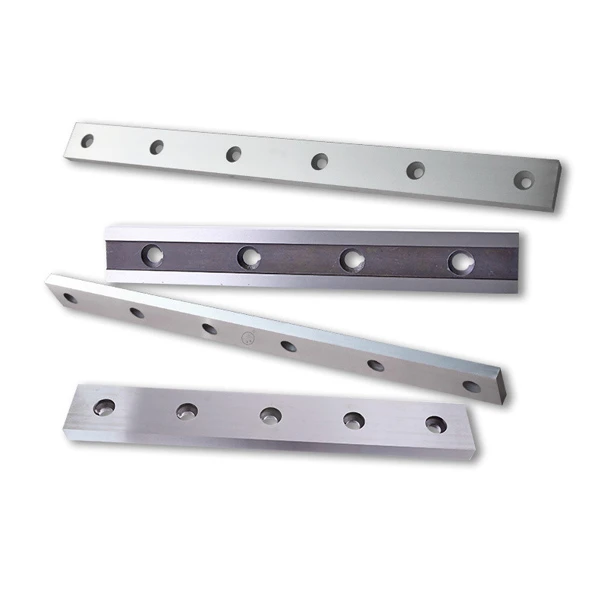
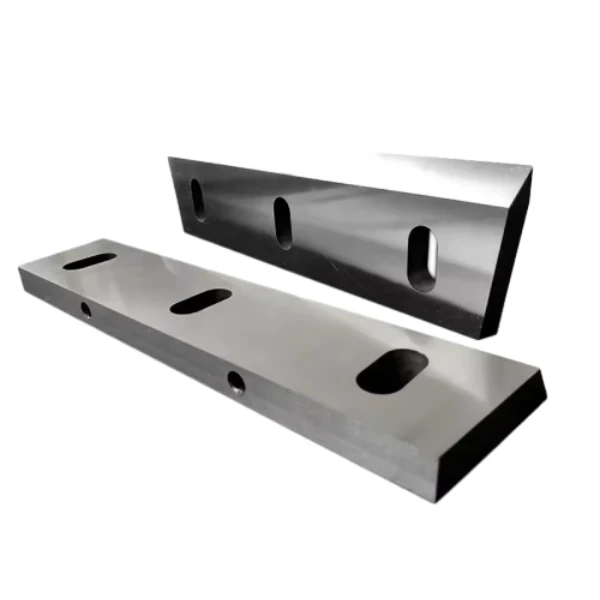
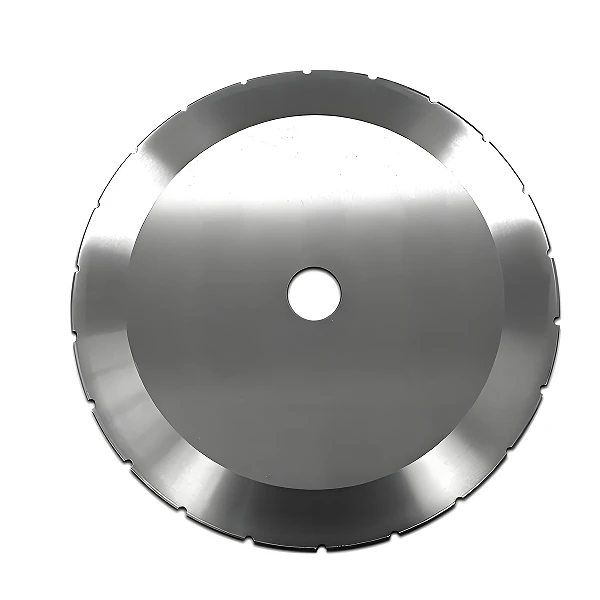
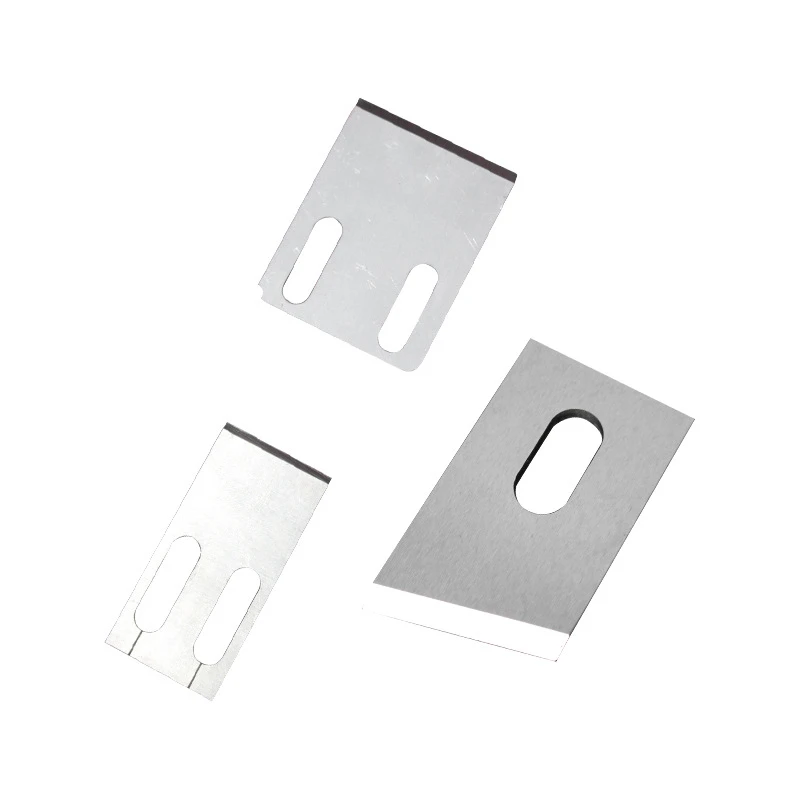
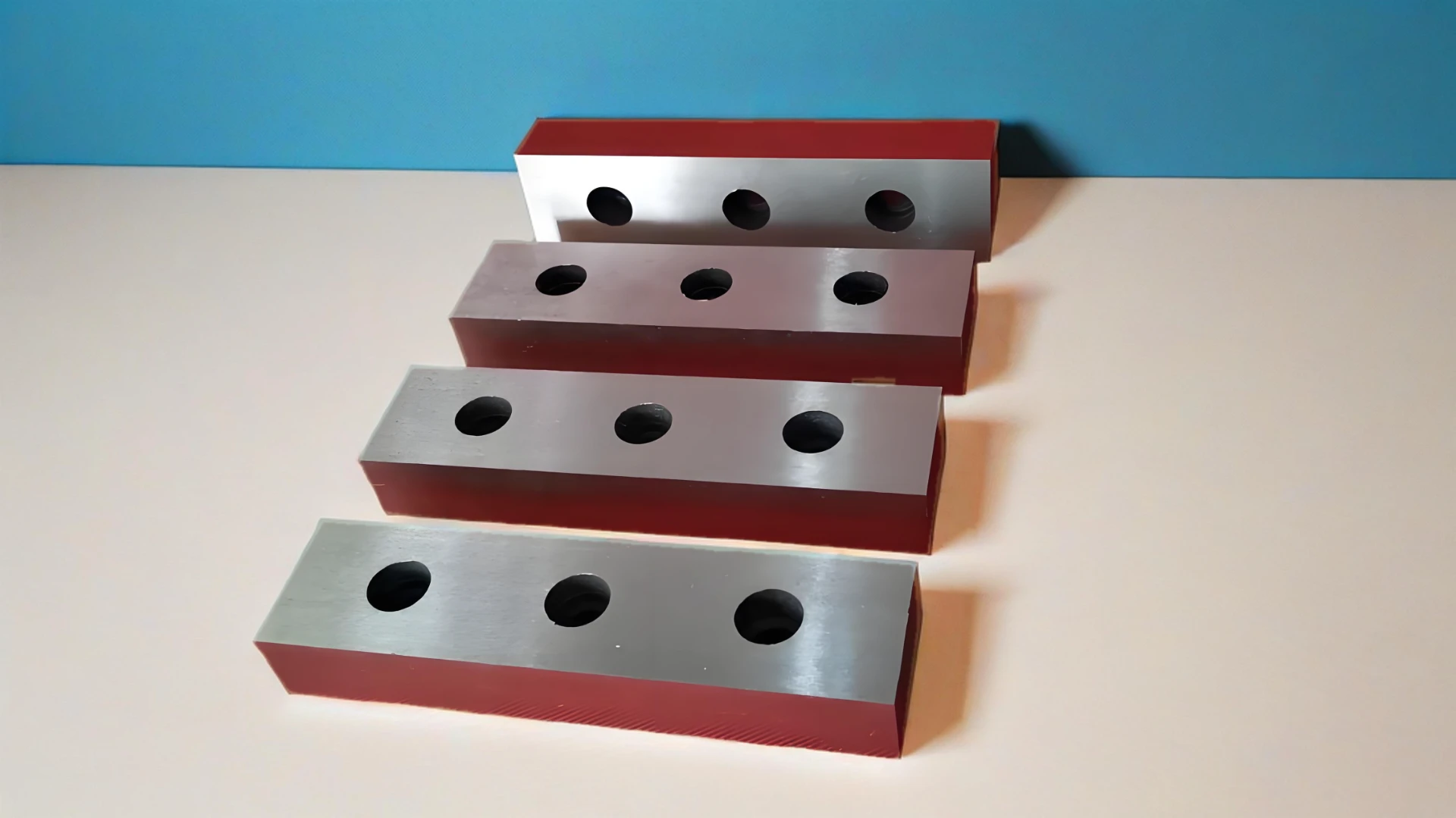
In real terms, these blades are the unsung heroes of clean, efficient wood processing. What strikes me most is the attention to metallurgy and geometry — which, frankly, many smaller manufacturers often miss. Greenfield uses high-grade tool steel blended for edge retention and toughness, then hones it with a precision grind that feels borderline artisanal. The result? Blades that stay sharp longer, cut cleaner chips, and reduce downtime significantly.
Something many engineers I’ve talked to appreciate is how the balance of hardness and toughness plays out in the field. Too hard, and the blade chips or cracks under unpredictable stress. Too soft, and the edge dulls in no time. Greenfield’s approach appears well-tested, which makes sense; they actually run extensive field trials before a new blade design hits the market.
| Parameter | Details |
|---|---|
| Material | High Carbon Tool Steel (AISI D2) |
| Hardness | 58-62 HRC |
| Blade Thickness | 6mm - 12mm (varies by model) |
| Cutting Edge Type | Beveled or Straight options |
| Recommended Use | Wood chipping in forestry and recycling |
| Coating | Optional wear-resistant coatings available |
From my experience, what’s genuinely helpful about Greenfield blades is their adaptability. You can order customized sizes, even get recommendations for edge profiles based on your material feedstock or chipper model. That kind of service, I suppose, makes a big difference when you’re trying to optimize uptime and throughput.
Now, it’s worth pointing out that the market is competitive. Not all blades are created equal, and vendors come with their own quirks. Below is a comparison table I put together to help clarify where Greenfield fits among other top players.
| Feature | Greenfield | Competitor A | Competitor B |
|---|---|---|---|
| Material Quality | High Carbon Tool Steel AISI D2 | Standard Carbon Steel | High-Speed Steel (HSS) |
| Hardness Range | 58-62 HRC | 50-55 HRC | 60-64 HRC |
| Customization Options | Full size & edge profile | Limited sizes | Custom sizes on request |
| Lead Time | 1-2 weeks typical | 3-4 weeks | 2-3 weeks |
| Coating Options | Wear-resistant & anti-corrosion | Minimal | Standard only |
One personal story worth sharing: I once visited a client’s timber processing plant struggling with blade wear because of mixed-material feedstock that included some embedded nails and dirt. They switched to Greenfield blades mainly because of the toughness and coating options. The difference was noticeable within days — Blade changes dropped sharply, and their chip quality improved, reducing machine jams. It’s things like this that remind me how important blade choice is, beyond just the specs.
To sum it up, if you ask me, there's a kind of reliability and thoughtful engineering behind Greenfield chipper blades that really pays off over time. They’re not the cheapest upfront option, sure, but in the long haul, they tend to save money and headaches — and honestly, that’s what counts in this line of work.
References:
- Industrial Blade Manufacturers Association - Annual Trends Report 2023
- Tool Steel Handbook, ASM International, 2021
- Customer Case Study - TimberPro Plant, Oregon, 2022