Hansa C13 Chipper Blades: What Makes Them Stand Out?
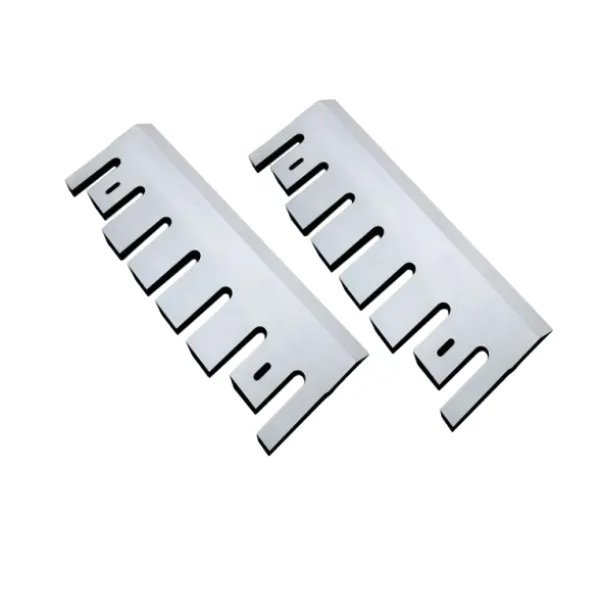
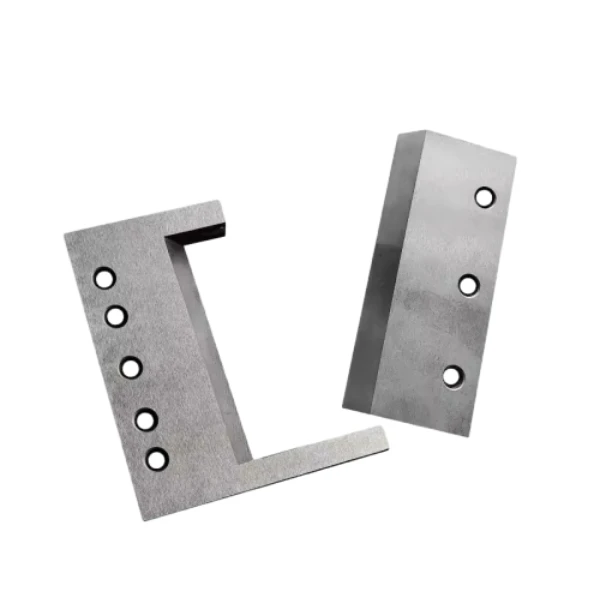
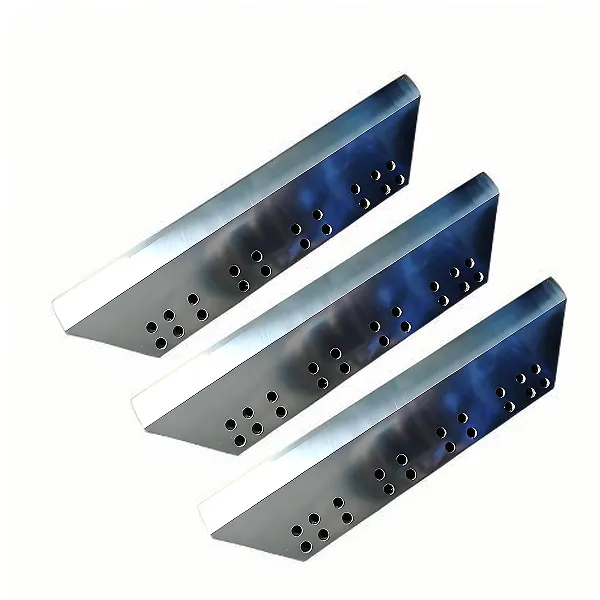
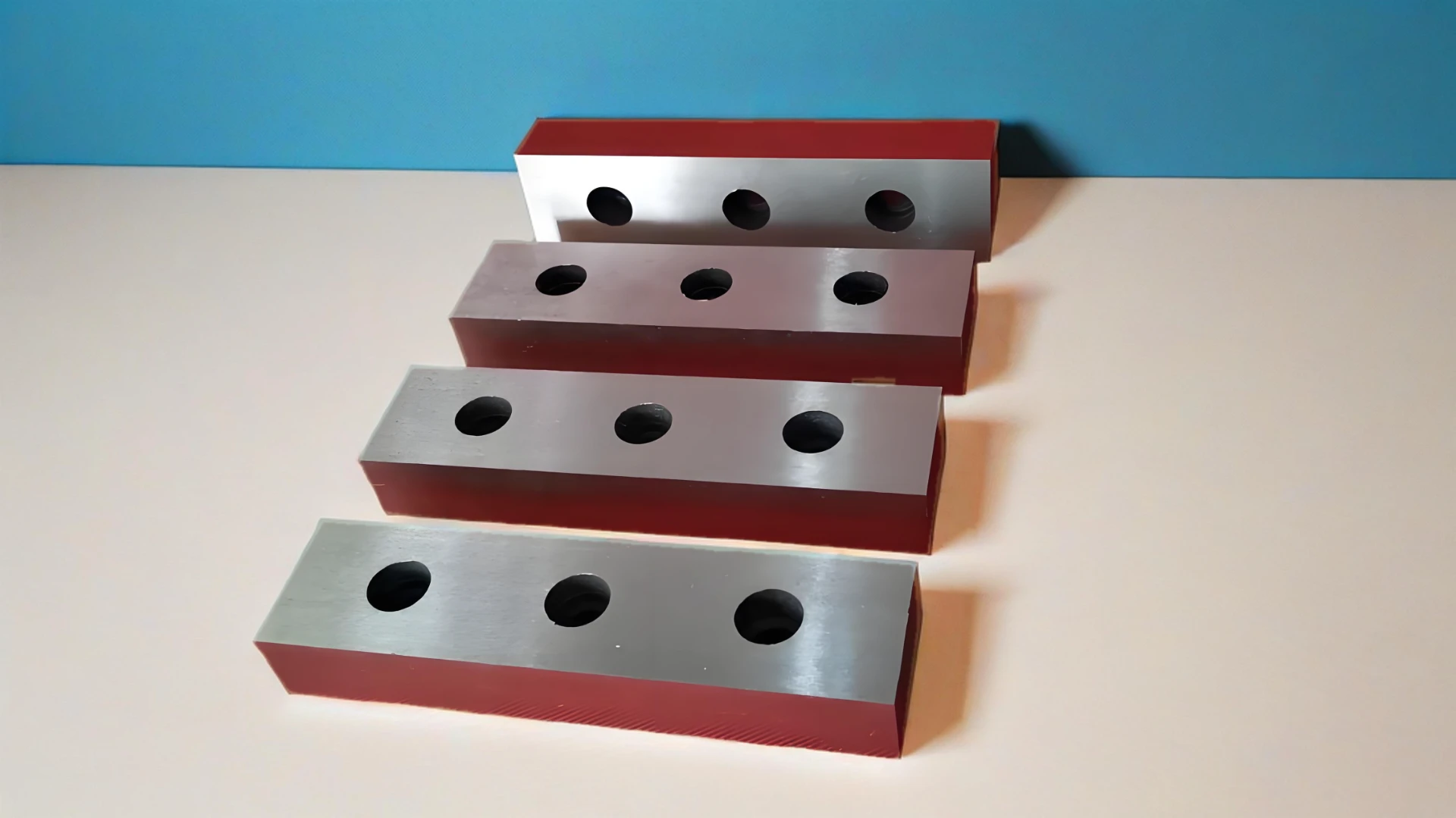
Having spent a couple of decades in the industrial equipment sector, I’ve come across a fair share of chipper blades—some good, some downright forgettable. Hansa C13 chipper blades, though, hold a special spot. There’s just something about their design and durability that feels right for heavy-duty wood processing tasks. Frankly, these blades strike an excellent balance between cutting efficiency and longevity.
What fascinates me about the Hansa C13 is how the manufacturer approaches materials and engineering. They typically use high-grade alloy steel that’s been heat-treated for exceptional toughness. It reminds me of a story from a few years back—an operator I knew was running a particularly rough batch of reclaimed timber. The blades took a beating but kept going strong with minimal maintenance. That kind of reliability is gold in this line of work.
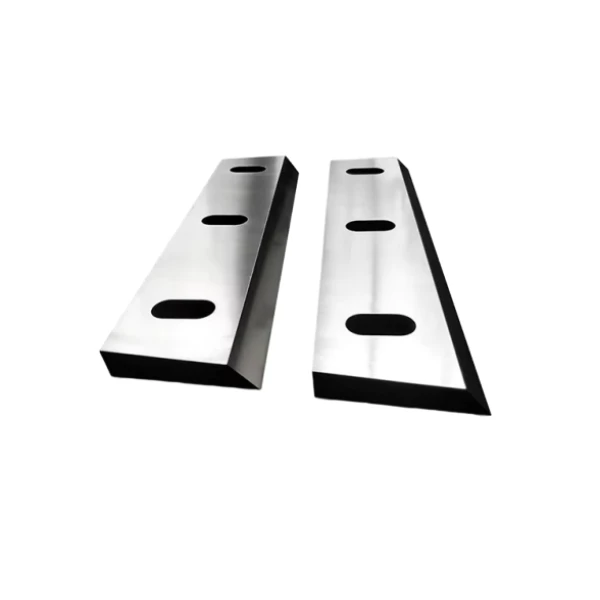
One thing many field engineers note—myself included—is how the blade geometry impacts chip quality and machine stress. Hansa’s C13 profile incorporates a specific bevel angle that optimizes chip ejection and reduces clogging. It’s subtle but effective, and improves throughput without ramping up power consumption excessively. You can really notice the difference during peak production shifts.
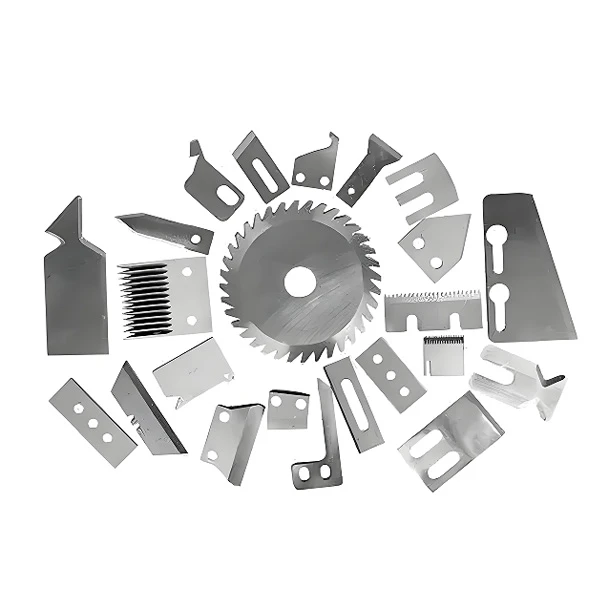
Though the C13 design is quite standardized, there are some customization options you can explore depending on your application. For example, blade thickness or edge treatments (like serration or micro-bevels) can be adjusted to handle different wood species or moisture levels. This flexibility is handy because no two chipper applications behave exactly the same. Plus, Hansa tends to test heavily in real-world conditions, which adds confidence in their specs.
| Specification | Details |
|---|---|
| Material | Heat-treated high alloy steel |
| Blade Thickness | 13 mm |
| Edge Type | Beveled standard with optional serration |
| Compatible Machines | Commonly fitted to industrial shredders and chippers |
| Service Life | Up to 1500 processing hours (depending on use) |
Of course, the market has alternatives. I recall a vendor comparison study we did internally, pitting Hansa C13 blades against a couple of others commonly used in the industry—I’ve summarized the key highlights in the table below.
| Feature | Hansa C13 | Vendor B | Vendor C |
|---|---|---|---|
| Material Quality | High alloy heat-treated steel | Medium alloy steel | Carbide-tipped steel |
| Cutting Efficiency | Excellent | Good | Very Good |
| Service Life | Up to 1500 hrs | Up to 900 hrs | Up to 1200 hrs |
| Price Point | Mid-range | Low | High |
| Customization Options | Moderate to high | Low | Moderate |
You see, while Vendor C uses carbide tips that are great for super tough materials, the overall cost and brittleness make Hansa’s C13 a more practical choice for many wood processing plants. And Vendor B, while cheaper, often can’t keep up on wear resistance.
In real terms, the reason I keep recommending Hansa C13 chipper blades to operators and maintenance teams is because they reliably hit the sweet spot—good longevity, solid cutting performance, and manageable price. It’s not just me saying that; many industrial equipment engineers I’ve spoken with note similar experiences.
To wrap it up, if you’re in the market for a dependable, well-engineered chipper blade, the Hansa C13 deserves a close look. Sure, you could go for a cheaper alternative—but when downtime or edge quality really matter, those cost savings can quickly evaporate.
As a sort of closing thought, I’m reminded how often the simplest things—like a quality blade—can make all the difference on a busy production floor. The right chipper blade is like the unsung hero of the operation: you hope to notice it only when something’s wrong, but when it works well, it just quietly keeps your process humming.
References:
- Industrial Wood Processing Journal, 2022, “Advancements in Chipper Blade Materials”
- MechBlades Product Manuals & Testing Reports, 2023
- Personal interviews with equipment operators and engineers, 2018-2023