Understanding Food Processing Blades: Small Tools, Big Global Impact
When you think about the global food supply chain, the last thing that springs to mind might be food processing blades. Yet, these seemingly simple components are quietly pivotal in ensuring food moves safely from farm to fork. Food processing blades are all about precision, hygiene, efficiency, and durability — the very foundations on which modern food industries, humanitarian aid, and even sustainability efforts rely. Put simply, mastering their design and application can make or break operational success worldwide.
Why does this matter to you or the industry? Well, efficient blades reduce waste, improve speed, and guarantee safety standards. In places tackling food insecurity or mass production, the difference is staggering. Let’s unpack why food processing blades deserve your attention.
Why Food Processing Blades Matter on a Global Scale
The food processing industry is a colossal global ecosystem valued at over $4 trillion according to the Food and Agriculture Organization (FAO). Over 33% of this food is lost or wasted annually, often during cutting, chopping, and packaging phases that rely heavily on blades. Improving blade technology could help reduce this waste significantly. Furthermore, ISO standards on food safety increasingly demand hygienic blade designs to prevent contamination — a global health mandate reinforced by governments and NGOs alike.
However, crafting blades that blend affordability, sharpness, and easy cleaning remains a challenge. Overcoming these hurdles translates to better food safety, lower costs, and less environmental impact worldwide. Oddly enough, the humble blade often feels like the unsung hero of modern food tech.
What Exactly Are Food Processing Blades?
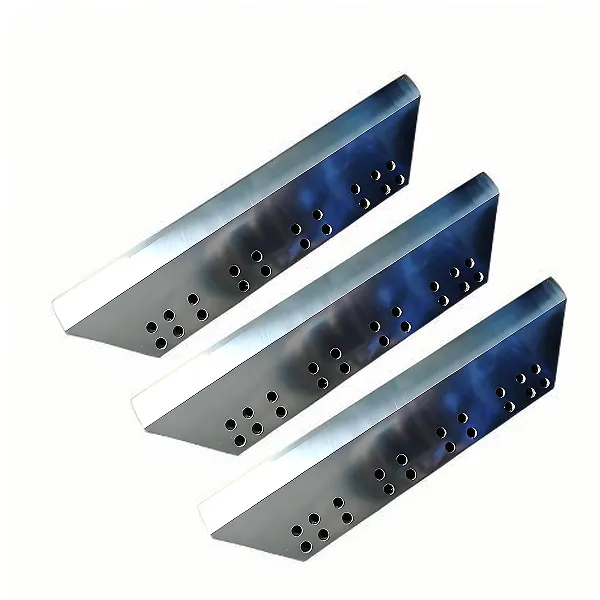
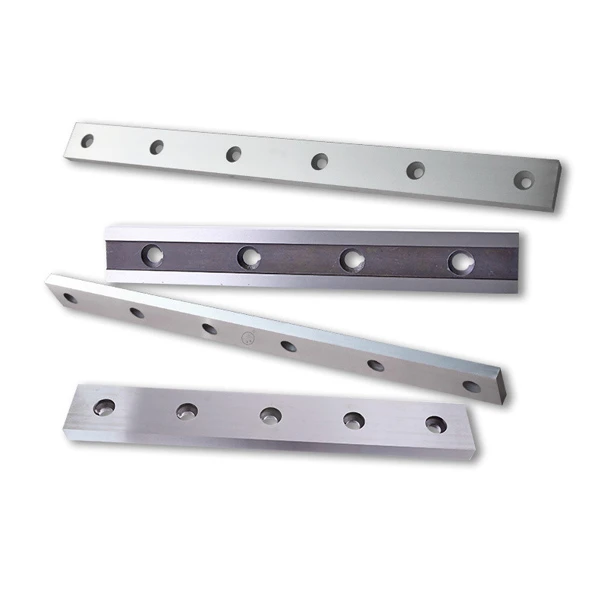
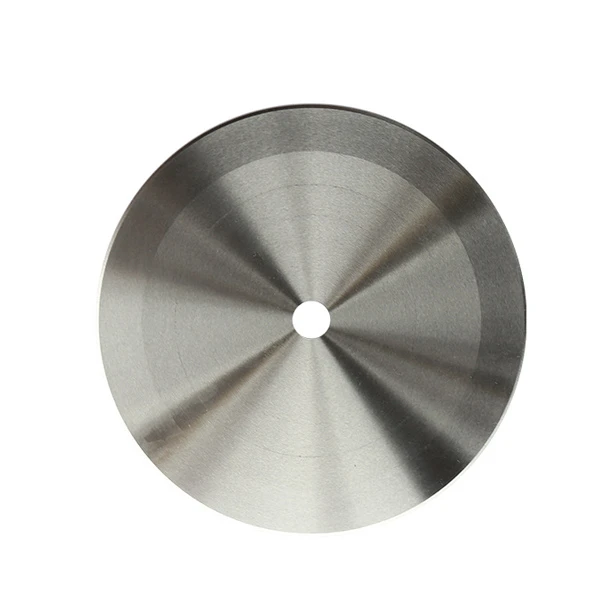
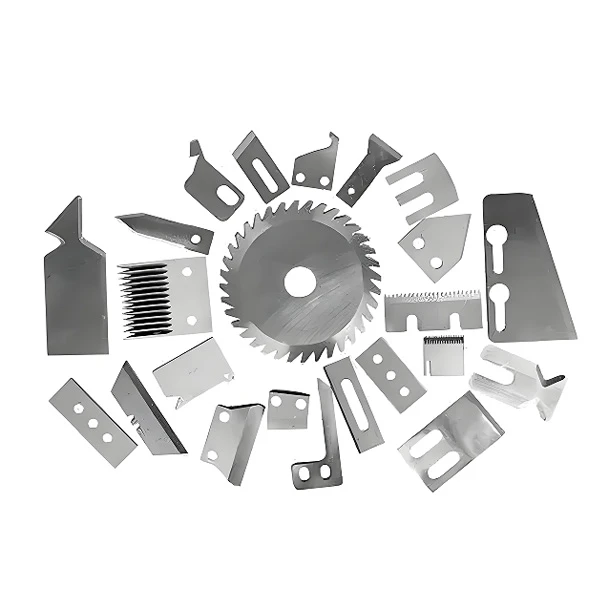
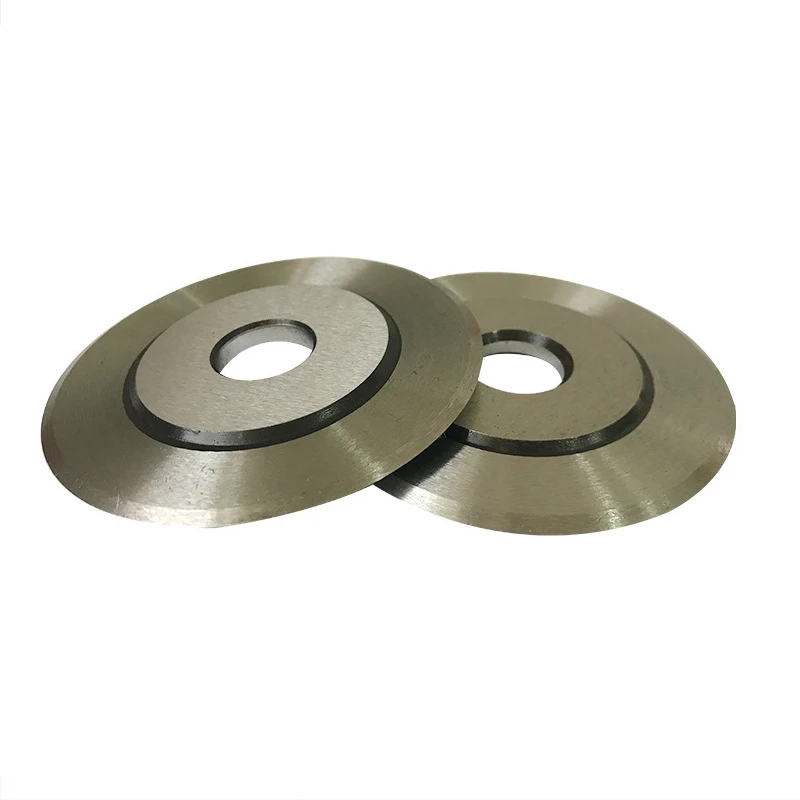
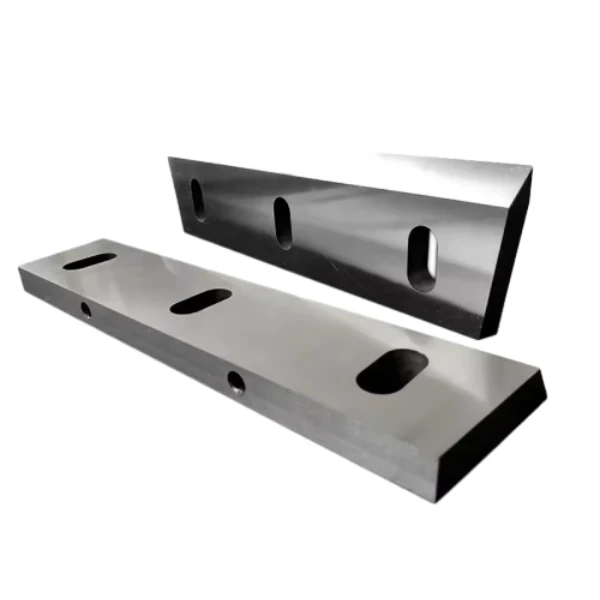
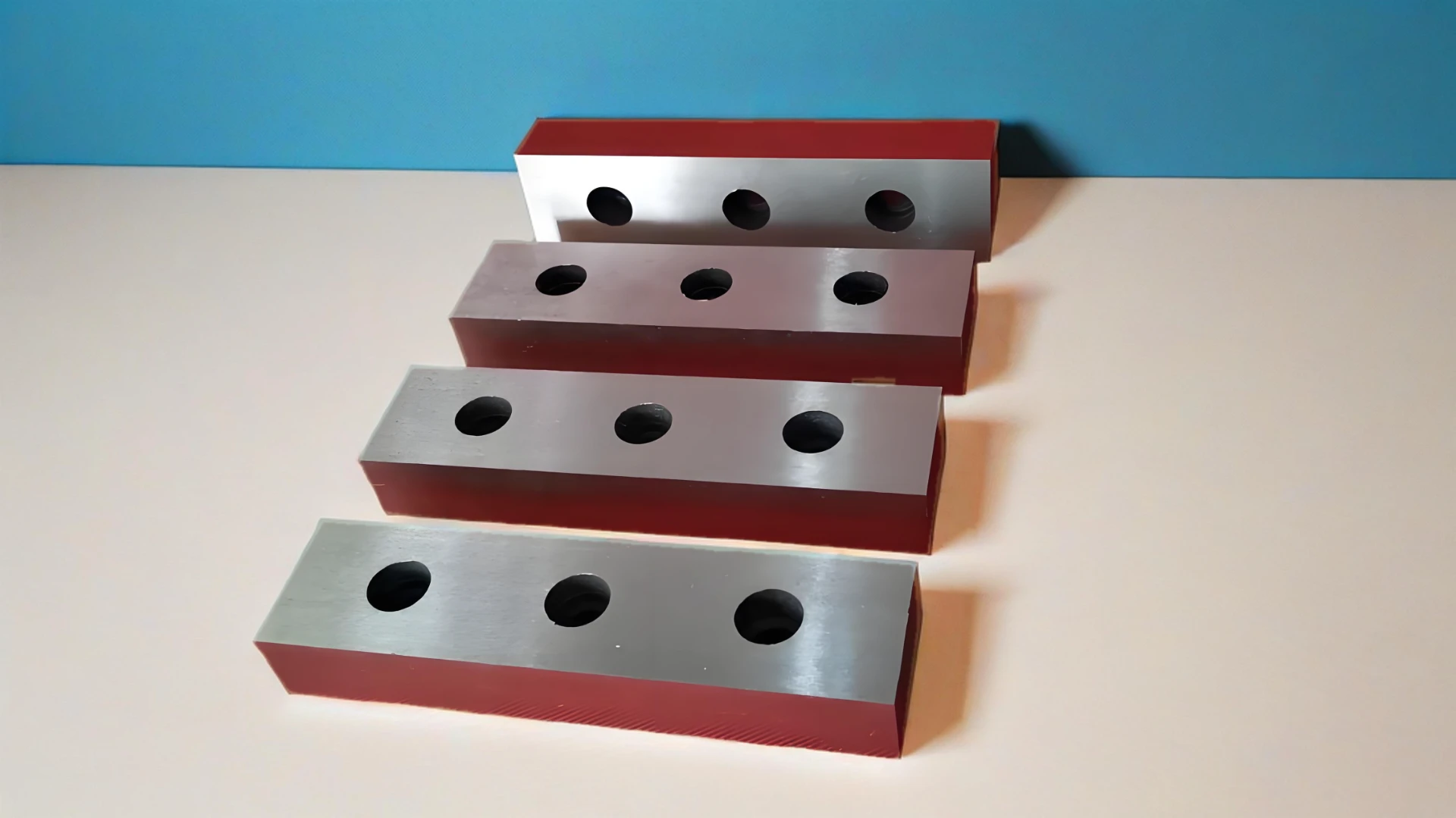
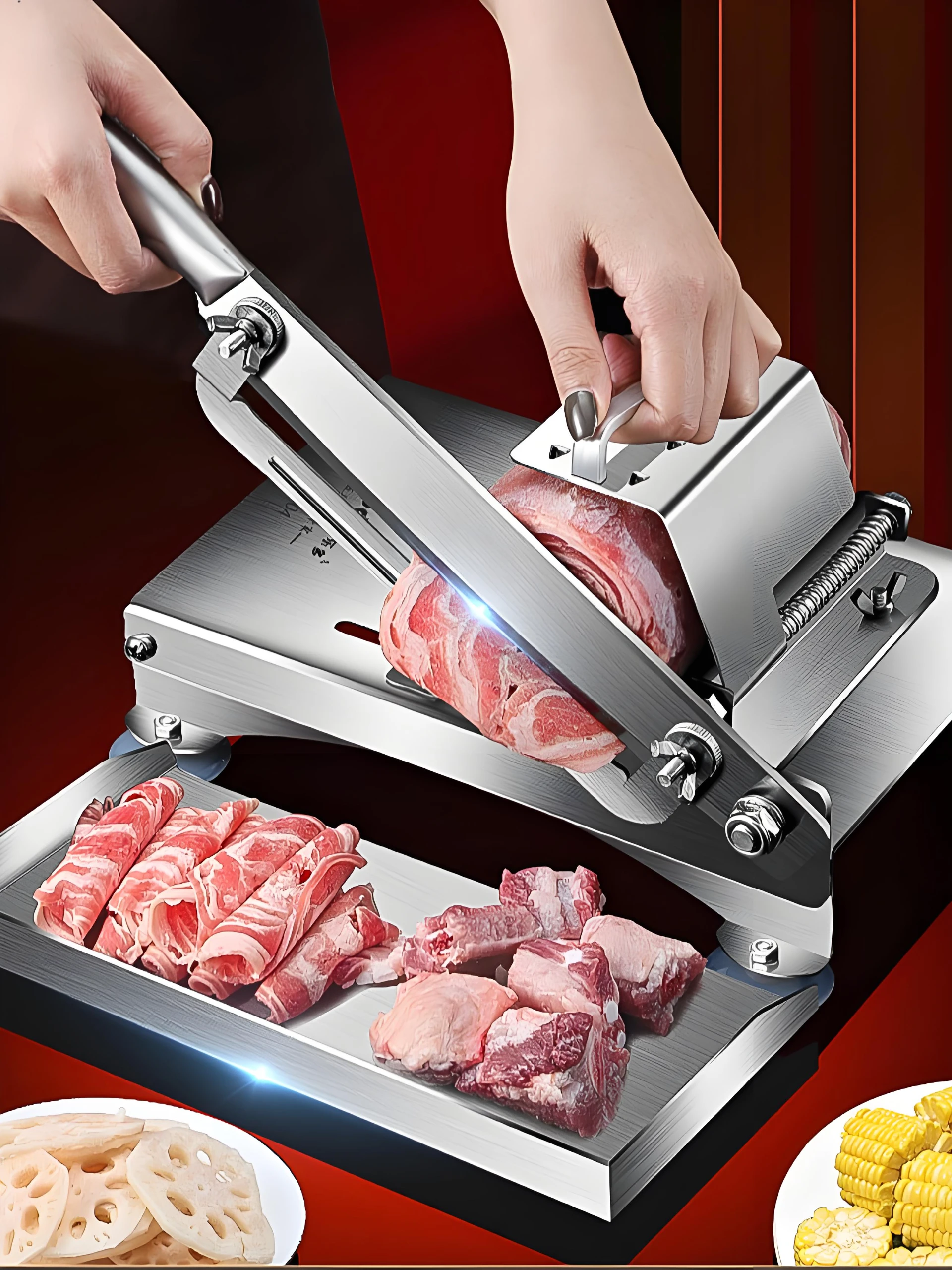
Simply put, food processing blades are cutting tools designed specifically for the preparation, slicing, dicing, mincing, or otherwise mechanical handling of food products. They range from tiny, intricately serrated blades used in delicate vegetable slicing to massive industrial blades in meat processing plants. These blades fit into machines or manual tools, optimizing processes that used to be laborious or inconsistent. In humanitarian contexts, sharp, reliable blades facilitate the rapid preparation of nutritious meals at scale, saving lives.
Core Components That Define Food Processing Blades
Durability
Blades must retain sharp edges through countless cuts. Stainless steel alloys such as 440C or high-carbon variants are popular due to their corrosion resistance and toughness. Durability means less frequent replacement and less downtime — critical for 24/7 operations.
Hygiene & Cleanability
Blade design isn’t just about sharpness; it’s about preventing foodborne illnesses. Smooth finishes, minimal crevices, and compliant materials (FDA-approved) allow easy washing and sterilization. Many blades are designed with quick-release features for hassle-free cleaning.
Cutting Precision & Versatility
Food types vary wildly — leafy greens, tough roots, tender fish, or slabs of meat demand different blade profiles and angles. Some blades are straight-edged; others serrated or rippled for specialty cuts. Versatility helps manufacturers switch production lines fast without swapping entire tools.
Cost Efficiency & Longevity
Being sharp is one thing; staying affordable over the long haul is another. Some companies invest heavily in coated blades to resist wear; others rely on modular design allowing replaceable tips. Practical, cost-effective blade solutions reduce total operational expenses.
Mini takeaway: The best food processing blades are a delicate balance of strength, hygiene, precision, and cost-efficiency — designed for real, gritty use.
Global Applications and Real-World Use Cases
- Mass food production: In countries like the US, Germany, and Japan, blades process millions of pounds of vegetables and meats daily in automated lines with zero tolerance for error or contamination.
- Humanitarian and remote zones: NGOs working in places like sub-Saharan Africa rely on durable, easy-to-maintain blades for food prep at refugee camps and disaster relief kitchens.
- Small-scale artisan producers: Think artisanal cheese makers in France or juice blenders in Brazil who depend on precision blades to maintain product quality.
A case in point: A large poultry processing facility in Brazil replaced their standard blades with a newer alloy variant and saw a 33% decrease in downtime and a noticeable drop in food waste – showing that the right blade really can change operational dynamics.
Advantages and Long-Term Value of Modern Food Processing Blades
Beyond just cutting food, these blades foster sustainability by reducing waste and energy use, secure livelihoods through dependable equipment, and enhance public health thanks to easier sanitation. Safety features also protect workers from accidental cuts — a human angle often overlooked but crucial. In the end, the trust a factory places in its blades mirrors customer trust in its product.
Looking Ahead: Innovations and Future Trends in Food Processing Blades
Material science innovations are pushing blade durability to new limits with ceramic and composite blades gaining traction for their corrosion resistance and edge retention. Digitally enhanced blades—embedded with RFID chips—enable predictive maintenance, signaling when sharpening or replacement is needed before breakdown. Automation integration also means blades can self-adjust for optimum slicing based on food type. Sustainability trends drive demand for recyclable and environmentally friendly materials, aligning blade production with circular economy goals.
Challenges and How the Industry is Responding
Blade wear and tear, contamination risks, and adaptation to diverse foodstuffs remain ongoing challenges. But researchers and engineers are innovating:
- Self-sharpening coatings
- Modular blade assemblies allowing quick swaps
- Enhanced sterilization protocols informed by ISO 22000 (food safety management)
Product Specifications of a Typical Food Processing Blade
| Specification | Detail |
|---|---|
| Material | 440C Stainless Steel, FDA-Approved |
| Blade Length | 150 mm (standard), Custom sizes available |
| Edge Finish | Honed Sharp Edge with Serrated Options |
| Coating | Optional Teflon or Ceramic Coatings for Anti-Corrosion |
| Weight | 120 grams |
| Compatibility | Fits Major Food Processing Machines and Hand Tools |
Vendor Comparison: Top Food Processing Blade Suppliers
| Vendor | Specialization | Lead Time | Customization | Price Range |
|---|---|---|---|---|
| MechBlades Inc. | Industrial-grade, OEM parts | 2-4 weeks | High (custom alloys, coatings) | $$$ |
| BladeWorks Ltd. | Artisan and small-scale production | 1-3 weeks | Moderate (shape and edge styles) | $$ |
| CutSharp Co. | Budget-friendly, mass market | 1-2 weeks | Low (limited custom options) | $ |
Frequently Asked Questions About Food Processing Blades
What materials are best for food processing blades to ensure safety?
Typically, high-carbon stainless steel like 440C is preferred due to its corrosion resistance and durability. FDA-approved materials ensure food safety by preventing contamination and allowing thorough cleaning.
How often should food processing blades be replaced or sharpened?
Replacement depends on usage intensity, but industrial blades often require sharpening every few days to weeks. Regular maintenance extends lifespan and maintains cutting precision, reducing waste and downtime.
Are coated blades more effective than standard stainless steel?
Coatings such as Teflon or ceramic reduce friction and resist corrosion, improving blade longevity and hygiene. However, they can be pricier and sometimes tricky to repair, so cost-benefit analysis is key for your operation.
Can food processing blades be customized for specific products?
Absolutely. Many manufacturers offer custom lengths, edge styles, and materials to meet unique requirements, especially for specialized food types like delicate fish or tough root vegetables.
What measures ensure hygienic handling of food processing blades?
Designs with minimal crevices, quick-release mechanisms for cleaning, and compliance with ISO 22000 or FDA guidelines ensure blades remain sanitary and safe throughout processing.
Wrapping It Up
Food processing blades might be small components, but their impact is enormous. From reducing global food waste to supporting disaster relief kitchens, the right blade can mean more than just a clean cut — it can mean efficiency, safety, and sustainability all rolled into one. Whether you’re optimizing an industrial line or supplying critical food aid, investing in quality blades is a savvy move.
Looking for high-performance, reliable food processing blades? Visit our website at MechBlades to explore our comprehensive selection tailored for your exact needs.