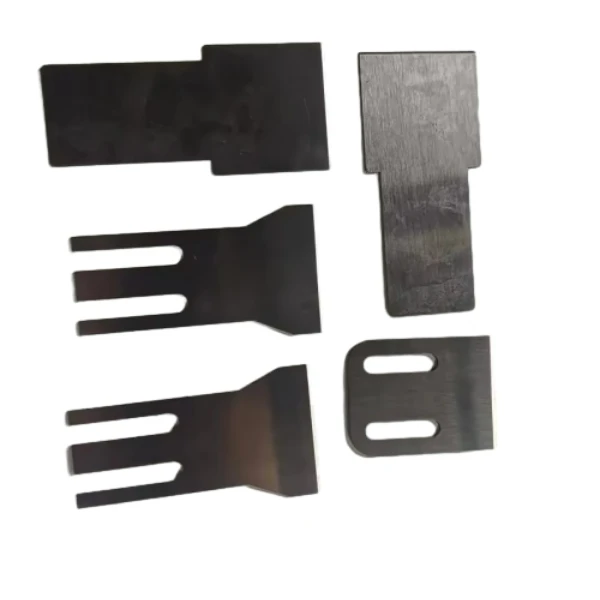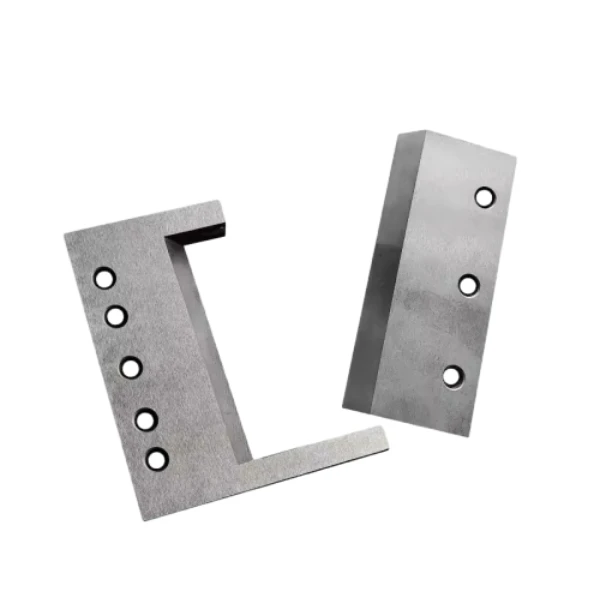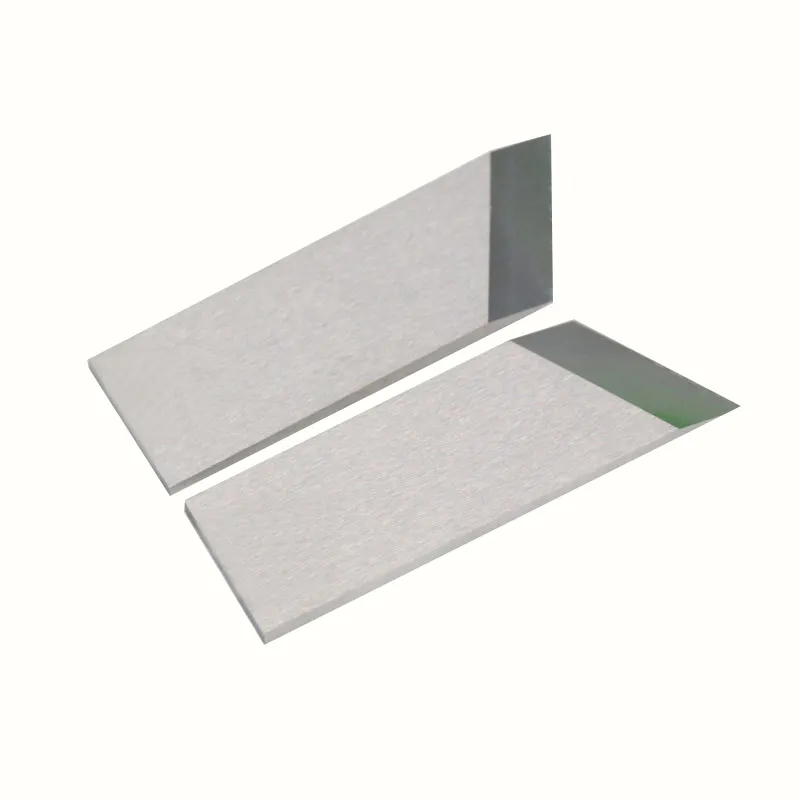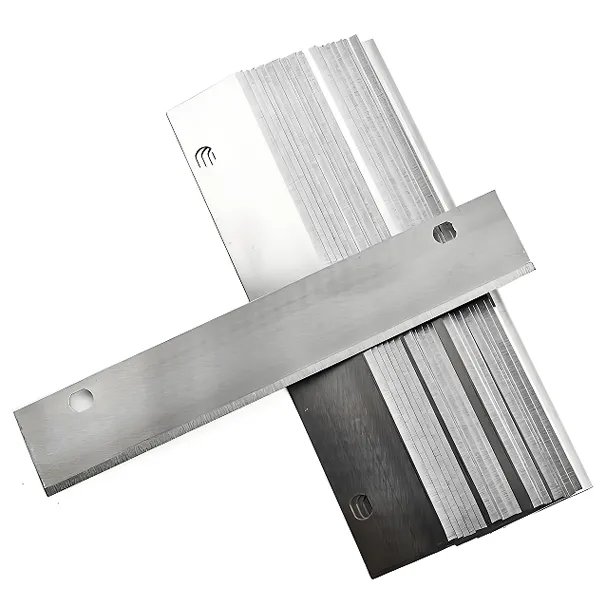
Understanding Guillotine Blade Material: What It Means for Industry and Beyond
When we talk about guillotine blade material, we’re really diving into a surprisingly complex slice of industrial technology that impacts everything from manufacturing precision to safety. These materials aren’t just steel chunks; they are carefully engineered components crucial for cutting efficiency, durability, and reliability — all things that, frankly, matter on a global scale given the vast use of guillotine blades in metal fabrication, paper cutting, and even humanitarian contexts.
In a nutshell, understanding guillotine blade material helps industries optimize costs, boost performance, and reduce waste — benefits that ripple well beyond factory floors.
Introduction: Why Guillotine Blade Material Matters Globally
Globally, the metal cutting industry is enormous, with estimates by the International Organization for Standardization (ISO) indicating steady growth of precision manufacturing sectors. Guillotine blades are essential tools in these sectors, shaping products from car parts to packaging. However, there’s a nuanced challenge: finding materials that balance hardness and toughness to prevent blade damage or unsafe operation.
This challenge is particularly relevant in developing countries where equipment downtime means lost income and in high-output factories where cutting precision directly impacts yield. For instance, a steel mill in Southeast Asia using suboptimal blade materials might face frequent replacements that eat into profits and cause delays. So there's a reason why the study and innovation in guillotine blade material remains a hot topic across borders.
Defining Guillotine Blade Material
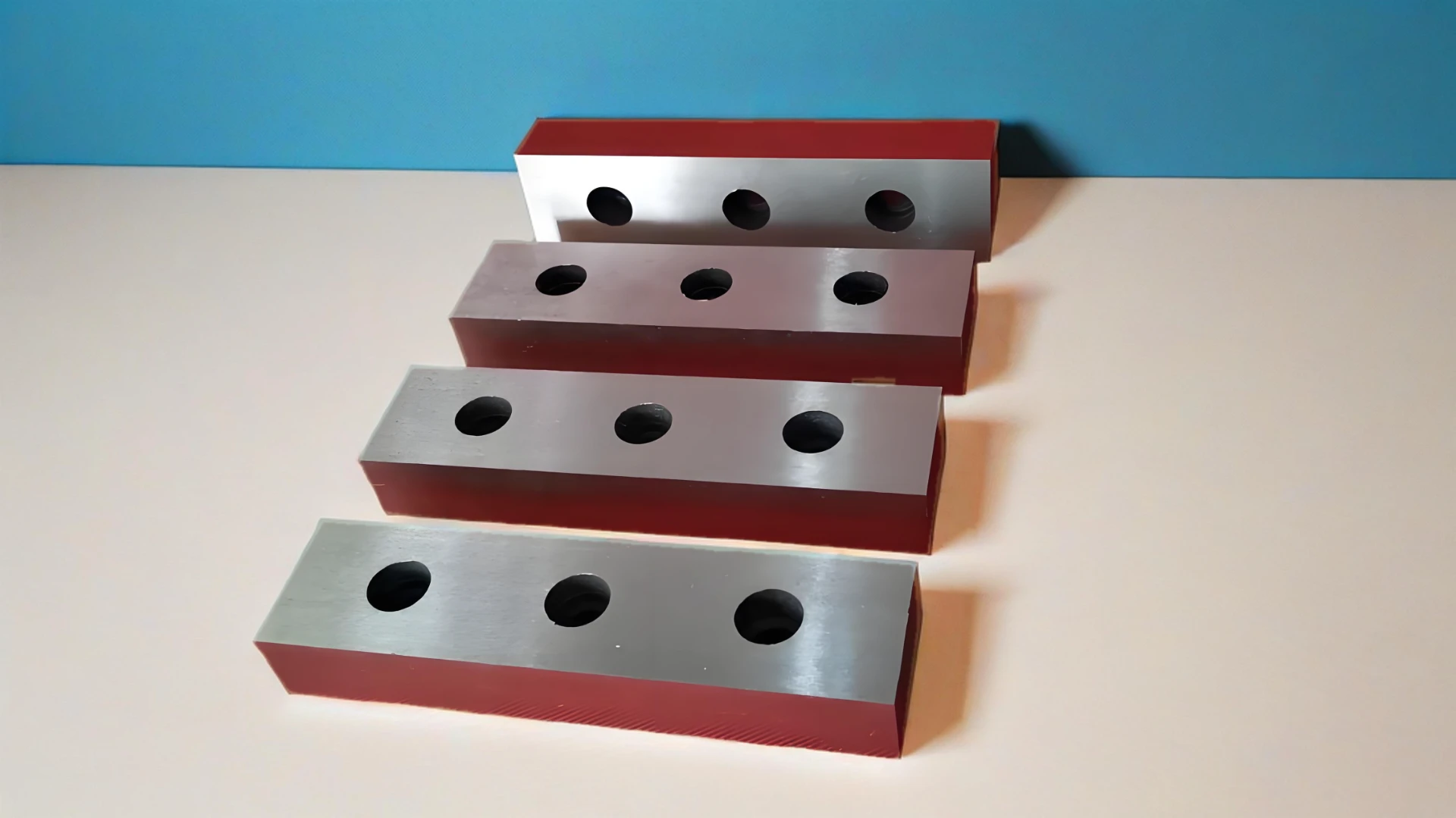
Simply put, guillotine blade material refers to the specific metals or alloys used to manufacture the blade part of a guillotine cutting machine. These materials must possess qualities like high hardness to maintain sharp edges and sufficient toughness to avoid brittleness and chipping. Often, these blades are made from various grades of tool steels, sometimes coated or treated to enhance lifespan.
Beyond industrial use, guillotine blade material innovations are increasingly valuable in humanitarian and relief efforts, where durable, reliable cutting tools are needed under harsh conditions. Think of emergency shelters or mobile hospitals — precise cuts can literally mean the difference between speed and safety.
Key Factors Affecting Guillotine Blade Material
Durability
The blade’s material must resist wear and tear during repetitive cuts. A dull blade not only reduces efficiency but also risks poor-quality cuts or accidents. Tool steels like high carbon or chromium alloys often top the list here.
Toughness
It’s a bit of a balancing act. The blade must be hard enough to hold an edge but tough enough to withstand shocks without cracking. Manufacturers often temper or heat treat blades to achieve this mix.
Corrosion Resistance
Since blades may be exposed to moisture or chemicals, corrosion resistance is critical. Stainless or coated steels help reduce rusting, particularly in humid or outdoor environments.
Cost Efficiency
Material choice also impacts price. Sometimes manufacturers select materials that offer an optimal lifecycle cost, not just the cheapest upfront option, balancing replacement frequency and downtime.
Ease of Sharpening and Maintenance
The material should allow users to re-sharpen blades easily without excessive loss of mass. Otherwise, replacement costs balloon over time.
Global Applications and Use Cases
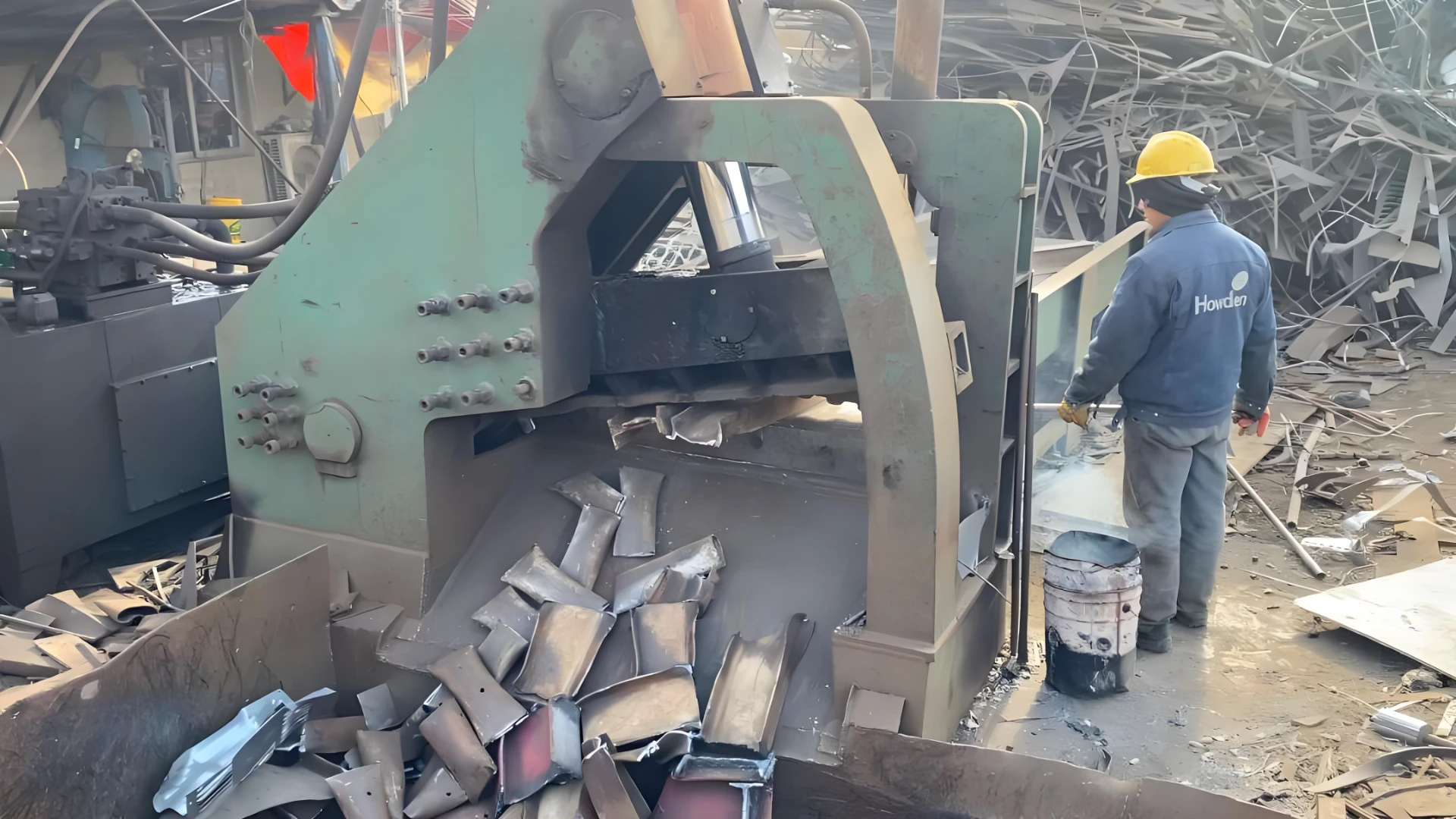
- Heavy Industry: In metal fabrication plants across Europe and Asia, guillotine blades made with wear-resistant tool steels enable cutting thick plates used in automotive or construction sectors.
- Paper Packaging: Paper mills in North America rely on sharp guillotine blades to maintain strict size tolerances while reducing waste.
- Disaster Relief: Oddly enough, humanitarian organizations in disaster zones use portable cutting machines with blades specialized to last in challenging conditions, ensuring quick assembly of shelters.
- Remote Industrial Operations: Mining or oilfields often employ guillotine blade materials optimized for field maintenance with corrosion protection and ease of sharpening, minimizing downtime.
It feels like the breadth of application really underscores the vital nature of these materials, plugging right into the larger machinery of global development and industry.
Advantages and Long-Term Value of Optimized Guillotine Blade Materials
Choosing high-quality guillotine blade materials pays off in numerous ways:
- Cost Savings: Longer-lasting blades mean fewer replacements and less downtime, directly affecting operational budgets.
- Sustainability: Durable materials reduce scrap and waste, fitting into growing sustainable manufacturing goals.
- Safety and Reliability: Fewer blade failures translate into safer workplaces.
- Emotional and Social Impact: In humanitarian contexts, using reliable blades supports dignity and speed in responses — comfort that counts under crisis.
Future Trends and Innovations in Guillotine Blade Materials
Looking ahead, the ongoing research into advanced alloys, like powder metallurgy steels or coatings utilizing nanotechnology, promises blades that dramatically surpass current durability and sharpness benchmarks. Moreover, as industries embrace digital transformation, “smart blades” embedded with sensors could soon track wear in real-time, allowing predictive maintenance to cut costs further.
Environmental concerns also drive innovation toward green production methods of blade materials and recycling, integrating with the global push for sustainable industry standards (ISO 14001, for example).
Challenges and Solutions
Despite progress, challenges remain:
- Material Trade-offs: Balancing hardness and toughness without driving costs too high remains tricky.
- Corrosion in Extreme Environments: Even the best coatings can degrade in saltwater or highly acidic settings.
- Access and Quality Control: Regions with less industrial infrastructure sometimes get blades of inconsistent quality.
Experts suggest combining advanced material science breakthroughs with better supply chain transparency and local training programs to tackle these issues effectively.
Product Specification Table: Popular Guillotine Blade Materials
| Material | Hardness (HRC) | Toughness | Corrosion Resistance | Typical Usage |
|---|---|---|---|---|
| AISI D2 Tool Steel | 60-62 | Moderate | Low | Sheet metal cutting |
| High Carbon Chromium Steel | 58-60 | Good | Moderate | Industrial guillotines |
| Stainless Tool Steel (e.g., ATS-34) | 59-61 | High | High | Corrosion resistant environments |
Vendor Comparison Table: Guillotine Blade Suppliers
| Supplier | Material Range | Custom Coatings | Lead Time | Global Service |
|---|---|---|---|---|
| MechBlades Inc. | Wide (D2, ATS-34, PM) | Yes | 2-3 weeks | Yes |
| SteelCutter Co. | Medium (Carbon steel range) | Limited | 3-4 weeks | Regional (North America) |
| Global Blades Ltd. | Wide | Yes (specialty) | 1-2 weeks | Worldwide |
FAQs About Guillotine Blade Material
- What is the best material for a guillotine blade to cut thick metal sheets?
- For thick metals, high carbon chromium steels like AISI D2 are preferred due to their hardness and wear resistance, allowing sharp, precise cuts with longer blade life.
- How often should guillotine blades be sharpened to maintain performance?
- Sharpening frequency depends on usage intensity and material hardness but typically every 100 to 200 cutting cycles. Regular maintenance prevents blade damage and improves safety.
- Can guillotine blades be customized with special coatings?
- Yes, many suppliers offer coatings like titanium nitride or carbide overlays which greatly enhance corrosion resistance and reduce friction, extending blade lifespan.
- Are stainless steel guillotine blade materials suitable for humid climates?
- Stainless steels or coated blades are highly recommended in humid or corrosive environments since they resist rust and degrade less, ensuring consistent cutting quality.
- How do you balance cost and performance when selecting guillotine blade materials?
- It’s best to consider the total lifecycle cost—not just initial price—by evaluating how long a blade lasts, how often sharpening/replacements are needed, and downtime costs.
Conclusion: The Lasting Value of Choosing the Right Guillotine Blade Material
In the grand scheme, the modest guillotine blade material packs a disproportionate punch in industry and humanitarian applications alike. Investing time to understand how these materials work, their strengths, and their limitations leads to smarter purchasing decisions, safer operations, and a more sustainable footprint. For those curious to dig deeper or seeking specific blade solutions, visit https://www.mechblades.com — their expertise in this niche is kind of unparalleled.
To wrap up oddly enough, it’s these material choices beneath the surface that keep the world’s cutting industries humming — literally slicing through complexity one edge at a time.
Mini Takeaways:
- Guillotine blade material is a blend of hardness, toughness, and corrosion resistance designed for precise cutting needs.
- Material innovation directly impacts industry efficiency, safety, and sustainability worldwide.
- Future trends hint at smarter, greener blades with longer lifespans.
- Selecting the right blade material balances cost, performance, and application demands.