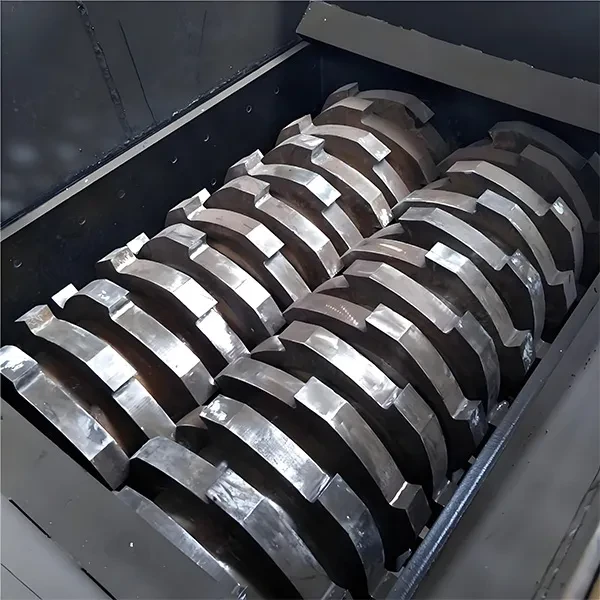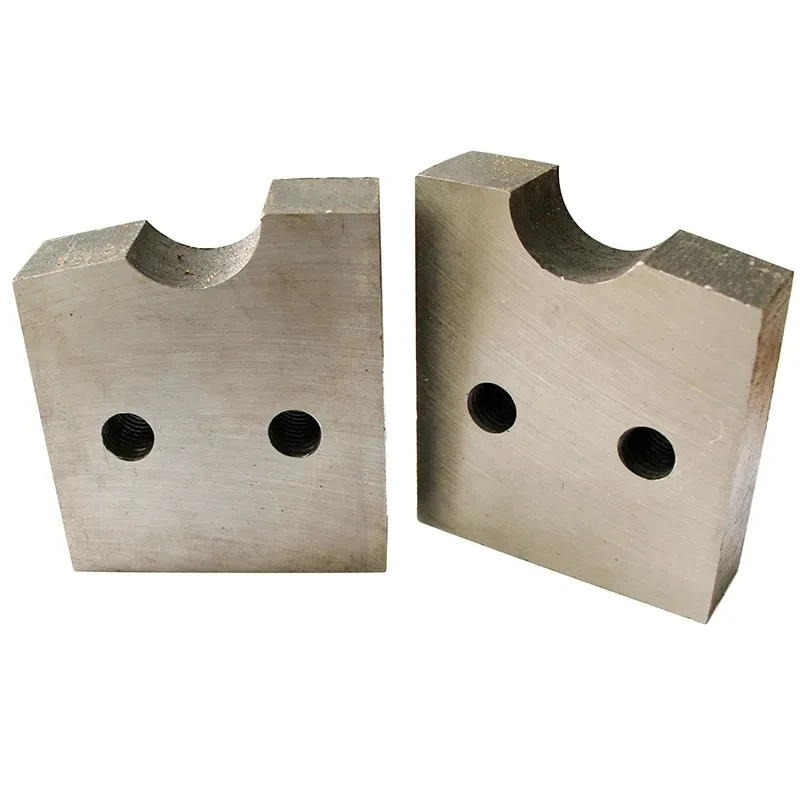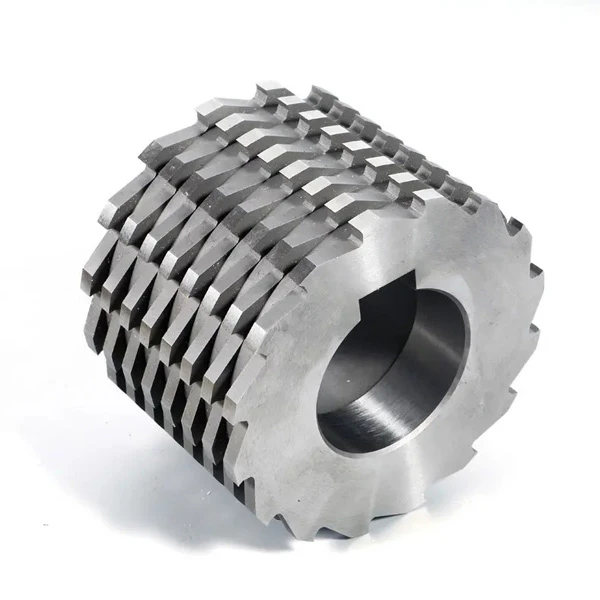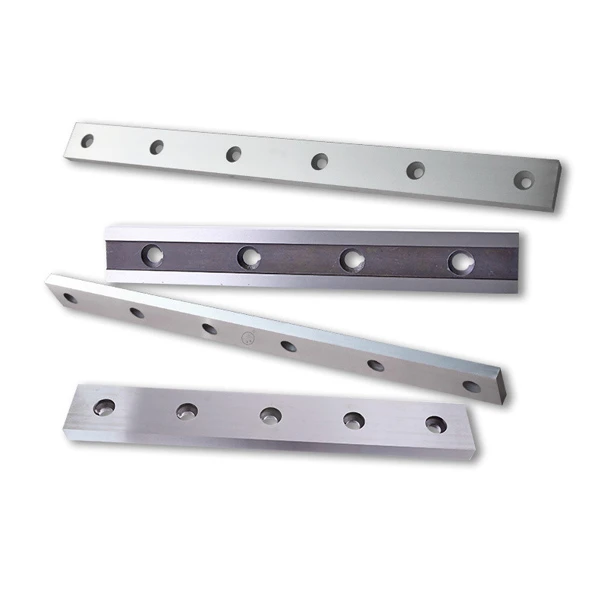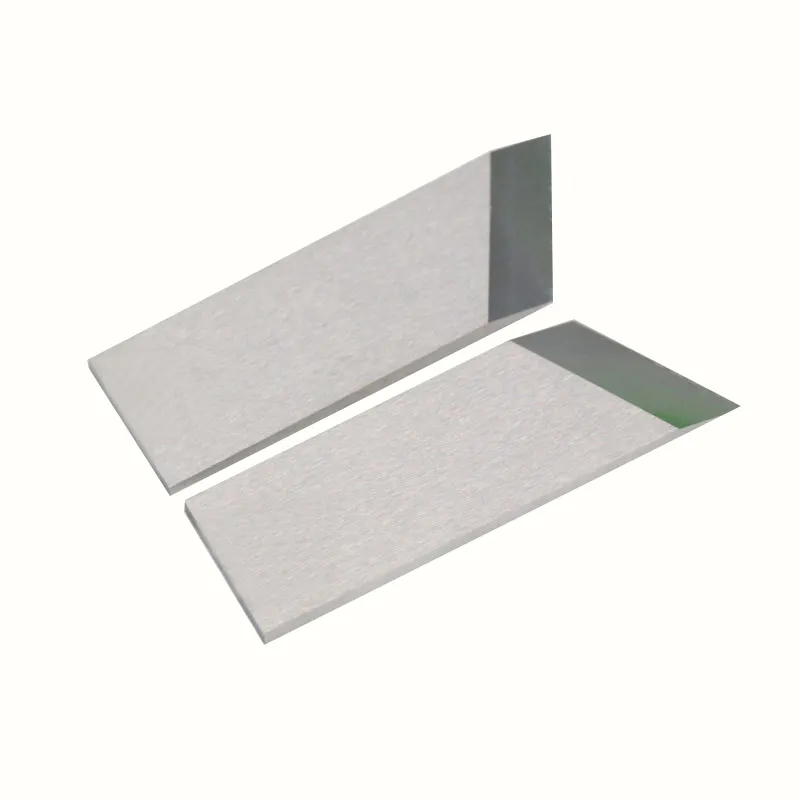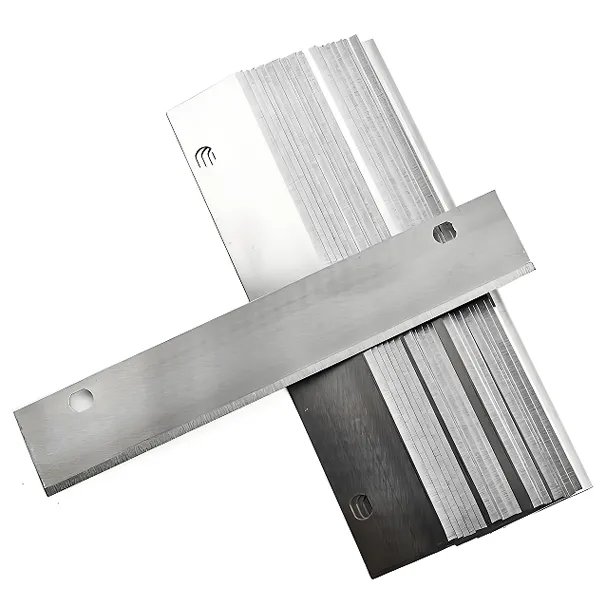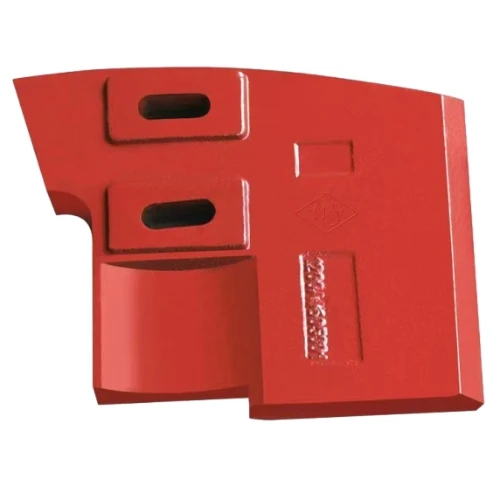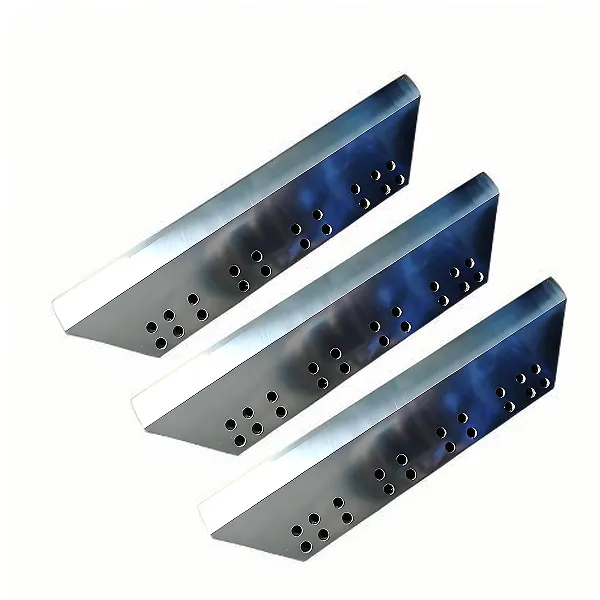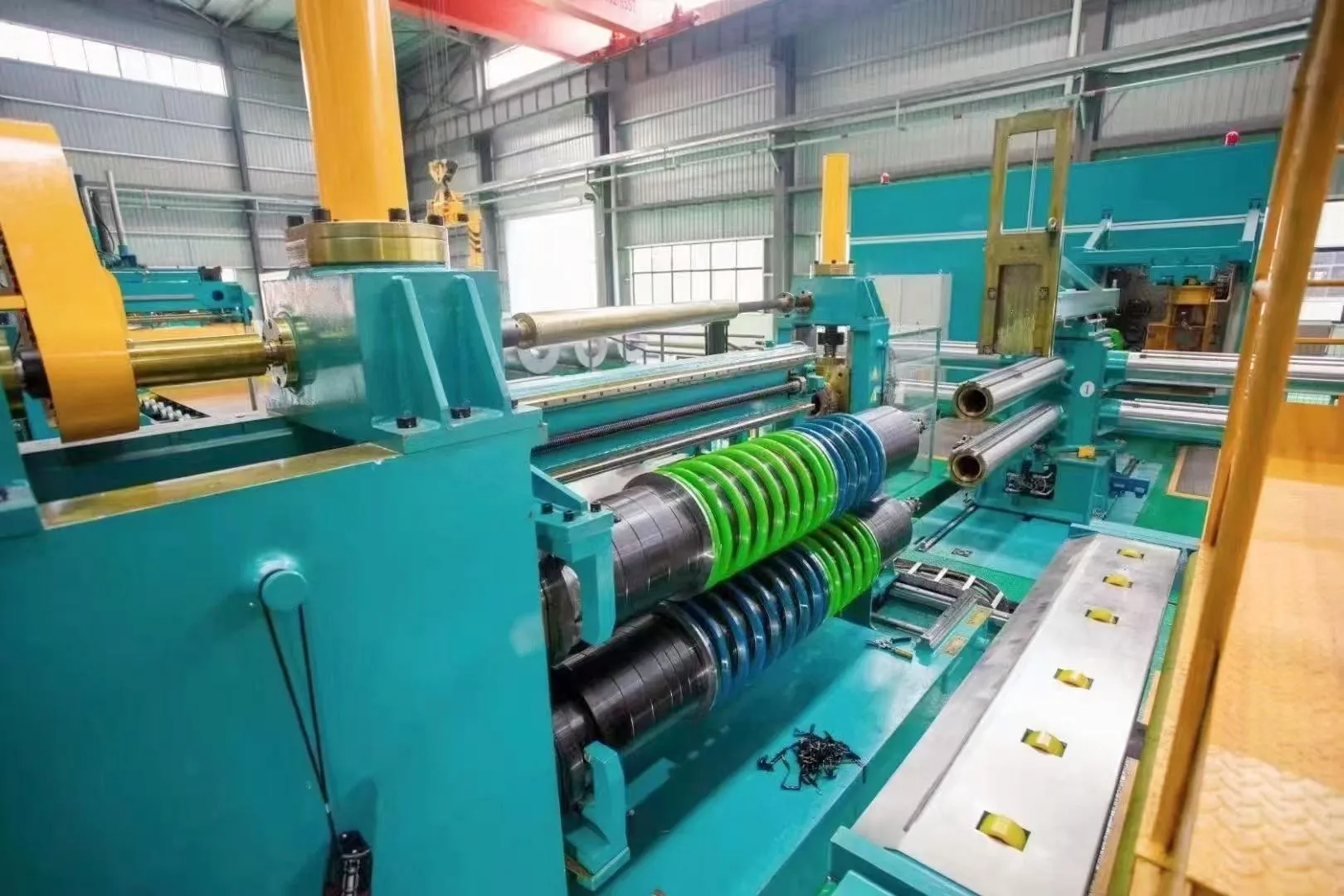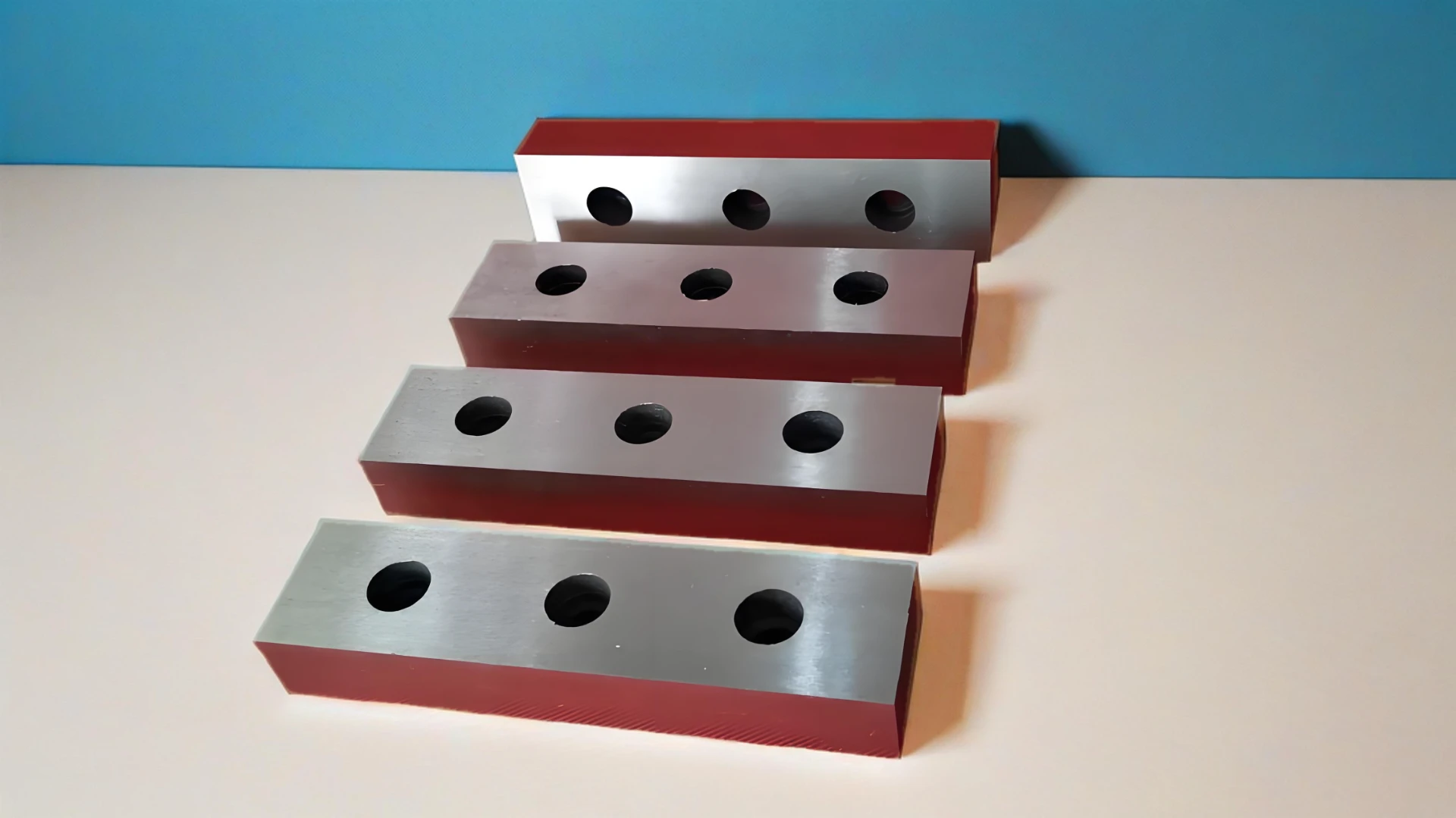
Why Choosing the Right guillotine blade manufacturers Matters
After spending well over a decade working alongside fabricators and machine operators in the industrial equipment sector, I can tell you: not all guillotine blades are created equal. It sounds obvious, but the difference between a blade that lasts a few weeks and one that runs for months — without compromising cut accuracy — can boil down to subtle details in material, heat treatment, and finish.
Guillotine blades are deceptively simple in design. We’re talking about straight-edge cutting tools used to slice sheet metal — but from my experience, their manufacturing process is anything but simple. Frankly, you'll find that the best manufacturers strike a delicate balance between material hardness and toughness to avoid chipping, while maintaining a razor-sharp edge.
Oddly enough, many engineers I've met emphasize the importance of the blade’s steel grade more than the cutting angle or blade thickness, even though those parameters certainly influence performance. Typically, high-carbon, high-chromium tool steels are the go-to options because they combine wear resistance with edge retention.
Material and Specs: What to Look For
Here’s a snapshot based on some leading guillotine blades I’ve tested or specified:
| Specification | Typical Range | Notes |
|---|---|---|
| Material | High-carbon chrome steel (e.g. AISI D2, SKD11) | Balances hardness (55-62 HRC) and wear resistance |
| Heat Treatment | Tempering and cryogenic treatment | Reduces micro-cracks, improves toughness |
| Blade Thickness | 6 - 20 mm | Depends on cutting force and material thickness |
| Blade Length | Up to 3000 mm+ | Custom sizes widely available |
| Edge Finish | Honed, polished, or coated | Improves wear life and reduces corrosion |
A small anecdote: once, a client switched to a supplier offering blades with a cryogenic treatment process. The difference was night and day — the blades stayed sharper for longer, especially when cutting stainless steel. You get that extra bite without sacrificing durability.
Comparing Top Guillotine Blade Manufacturers
Choosing the right supplier isn’t just about specs, though. Service, custom engineering options, availability, and price all play roles. Here’s how a few notable manufacturers stack up, based on my experience and industry chatter:
| Manufacturer | Material Quality | Customization | Lead Time | Price Range | Notes |
|---|---|---|---|---|---|
| Mech Blades | Excellent (High-grade D2 steel) | Extensive sizes and coatings | 2-4 weeks | Mid to High | Trusted for durable blade life; great customer support |
| BladeTech Co. | Good (Chrome-moly alloy) | Standard sizes only | 1-3 weeks | Budget | Popular for basic blades; less durable in tough conditions |
| Precision Edge | Very High (Special heat treatment) | Custom blade angles & coatings | 4-6 weeks | Premium | Best for specialized, high-precision work |
From talking to machine shop owners, it often comes down to how well the supplier understands their specific cutting context — thickness, metal type, production volume — rather than just the blade specs themselves. And, honestly, that sort of hands-on consultation experience isn’t always advertised but is priceless when you’re trying to minimize downtime.
One last thing I noticed over the years is how the guillotine blade market has shifted towards environmentally friendlier coatings and longer-life products. So, you’re not just paying for the blade, but also for fewer replacements and less waste. Makes sense, right?
In real terms, if you’re shopping for new blades, I recommend starting with a proven supplier like Mech Blades — they’ve got a solid reputation, custom options, and razor-sharp quality (pun intended). It feels reassuring when you can lean on supplier expertise rather than guesswork.
Anyway, that’s my take based on years in the trenches—hope it helps next time you need a blade that just cuts right.
References:
1. Machine Shop Monthly, “Decoding Guillotine Blade Materials” (2022)
2. Industrial Tool Journal, “The Rise of Cryogenic Treatment in Cutting Tools” (2023)
3. Personal interviews with fabricators and supply chain managers (2015-2024)