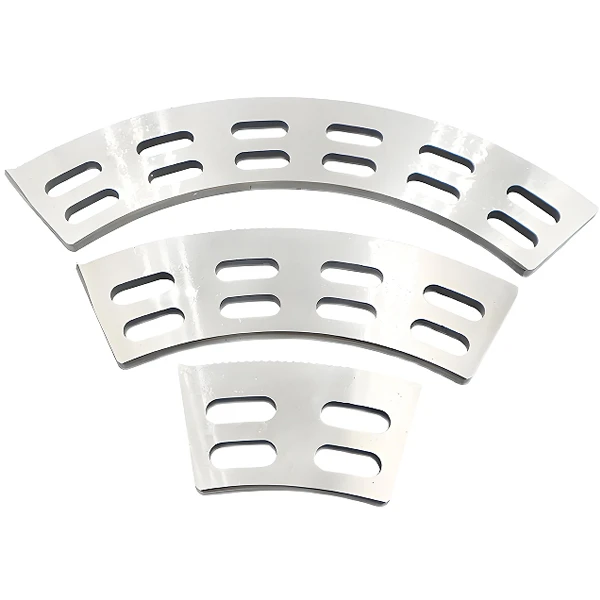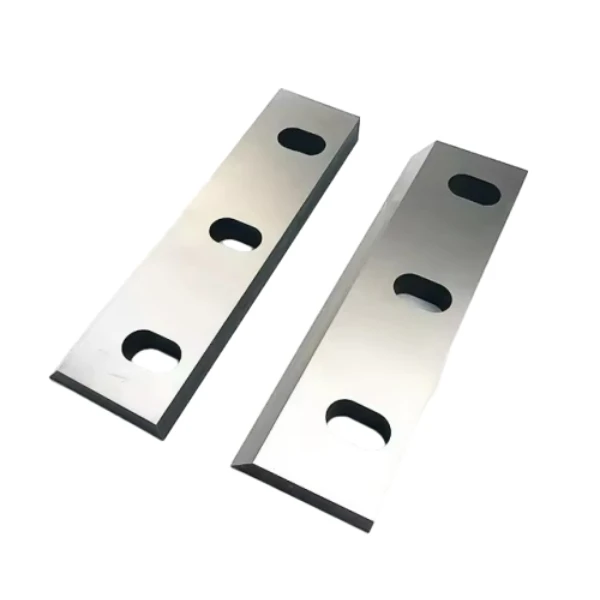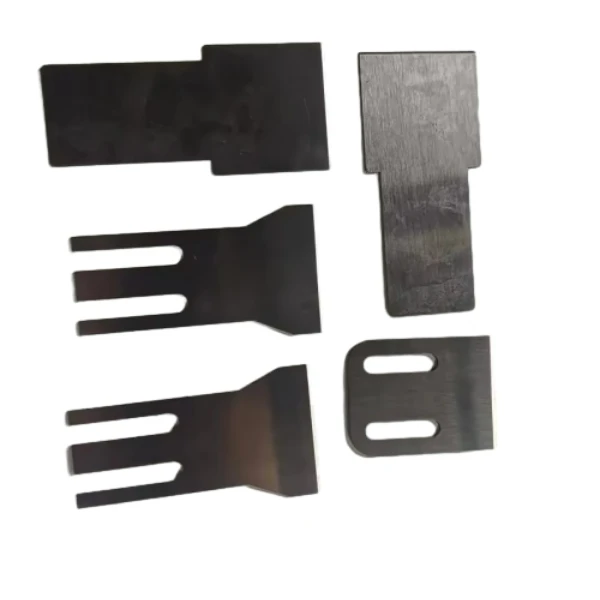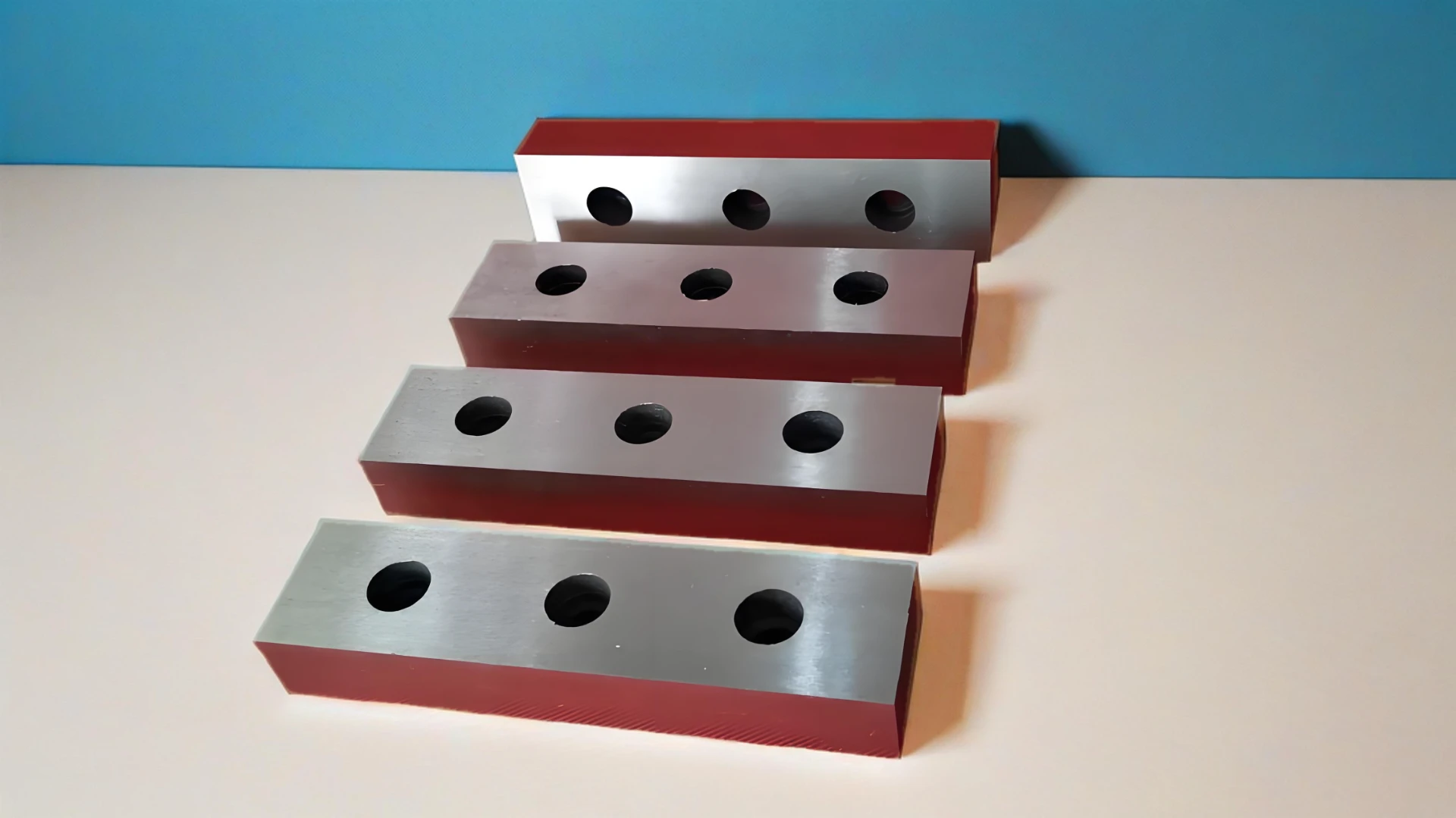
Carbide Edger Blades: The Industrial Workhorse You Didn’t Know You Needed
Having spent over a decade in the industrial equipment sector, I’ve handled my fair share of cutting tools and blades. Among them, carbide edger blades stand out as one of those niche yet absolutely essential components that fly under the radar—until you need one that performs flawlessly.
Oddly enough, these blades might seem straightforward at first glance, but the materials engineering and precision manufacturing behind them can make or break entire production runs. Carbide’s hardness and wear resistance make these edges last way longer than your average steel blade, especially when you’re cutting hard materials like glass, stone, or composites.
In real terms, what differentiates a carbide edger blade from other blades isn’t just the raw toughness but the way it holds its edge through thousands of cycles. Engineers I’ve talked to repeatedly praise carbide blades for consistent performance—less downtime changing out blades means more uptime for machines and happier floor supervisors.
That said, not every carbide blade is created equal. Customization is a big deal here. You’ll see variations in grit sizes, blade thickness, and bevel angles depending on the application—like edging certain types of tempered glass vs. ceramics. I remember a project where the right customization literally cut production time in half because the blade paired perfectly with the machine’s speed settings.
Testing usually involves simulating working conditions—speed, pressure, material hardness—but it’s the cumulative wear tests that tell the real story. Manufacturers typically show specs like blade lifespan in running meters or edges sharpened before replacement, but your mileage will vary depending on your setup.
Typical Specs for Carbide Edger Blades
| Spec | Typical Values | Remarks |
|---|---|---|
| Material | Tungsten Carbide | High hardness, wear-resistant |
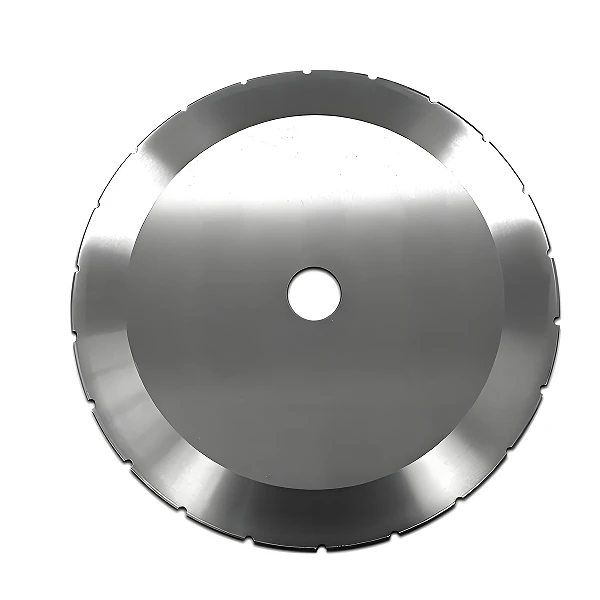
| Blade Diameter | 100 - 300 mm | Varies with machine type |
| Edge Thickness | 1.5 - 3.5 mm | Depends on application |
| Bevel Angle | 30° - 45° | Affects cutting smoothness |
| Wear Life (meters cut) | 10,000 - 30,000 | Highly dependent on material |
It’s worth noting that while carbide’s hardness gives endurance, it also requires careful handling to avoid chipping, which can happen if you hit a too-hard inclusion in your material or shock the blade during installation. In one personal anecdote, a colleague once joked, “Carbide is tough, but you still have to treat it like fine china sometimes.”
How Different Vendors Stack Up
| Vendor | Material Quality | Customization Options | Price Range | Typical Lead Time |
|---|---|---|---|---|
| MechBlades | Premium Tungsten Carbide | High (angle, grit, thickness) | $$$ (mid to upper) | 2-3 weeks |
| EdgeMaster Tools | Standard Carbide Mix | Moderate (limited angles) | $$ (budget-friendly) | 1-2 weeks |
| SharpEdge Supplies | High-Grade Carbide | High (custom bevels) | $$$ (premium) | 3-4 weeks |
When sourcing carbide edger blades, I often recommend looking beyond just the sticker price. After all, a cheaper blade that wears out sooner can cost you way more in downtime and frequent replacements. The vendors listed above all have decent reputations, but I’ve gravitated towards companies like MechBlades for their balance of quality customization and reliable delivery.
You might also find it interesting that many users report improved edge finish quality and less chipping when pairing certain blades with matching coolants or lubricants during the edging process. I suppose that’s just one of those “it pays to know your tools” things.
All in all, for anyone dealing with glass edging or tough composite panel finishing, investing time to understand carbide blade specs and vendor differences is money well spent. Frankly, it feels like one of those behind-the-scenes heroes that keep production humming smoothly.
My takeaway? Never underestimate how much a good carbide edger blade can save you in the long run—by boosting uptime, improving finish quality, and reducing waste.
References
- Industry reports on tungsten carbide tool wear, 2022
- Interviews with manufacturing engineers, GlassWorks Magazine 2023
- Manufacturer technical data sheets — MechBlades and competitors