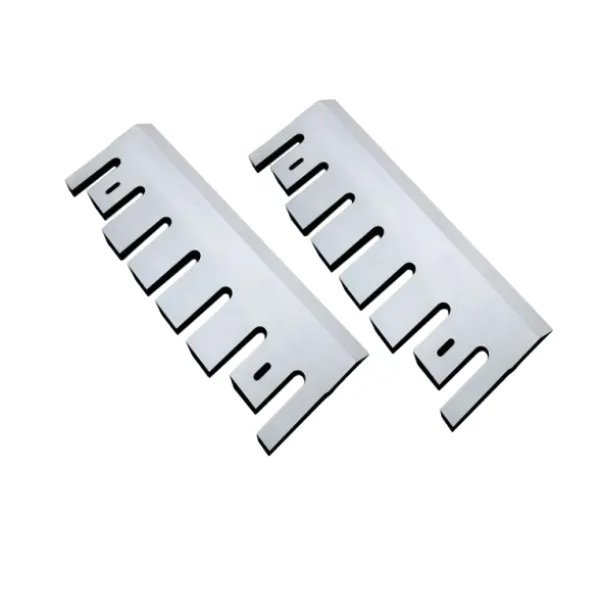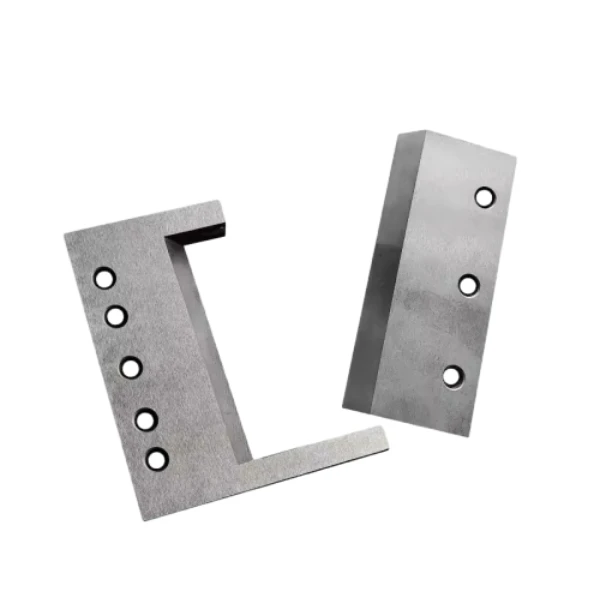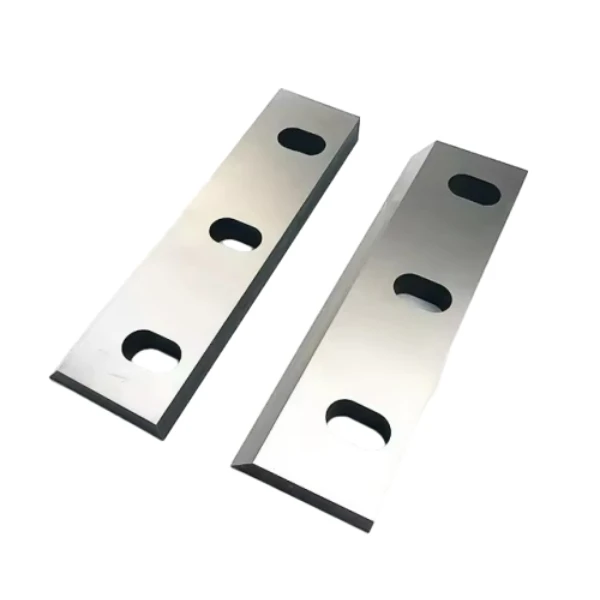
Why carbide box cutter blades Are a Game-Changer in Industrial Cutting
Having spent over a decade in the industrial equipment sector, I’ve chopped through a fair share of boxes and materials. Now, what stands out—besides the obvious safety concerns—is the cutting edge (no pun intended) of the blades themselves. Carbide box cutter blades have quietly transformed how folks in warehouses, manufacturing floors, and shipping docks tackle their daily slicing tasks. You might think a blade is a blade, but frankly, these carbide blades hold up in ways traditional steel just can't match.
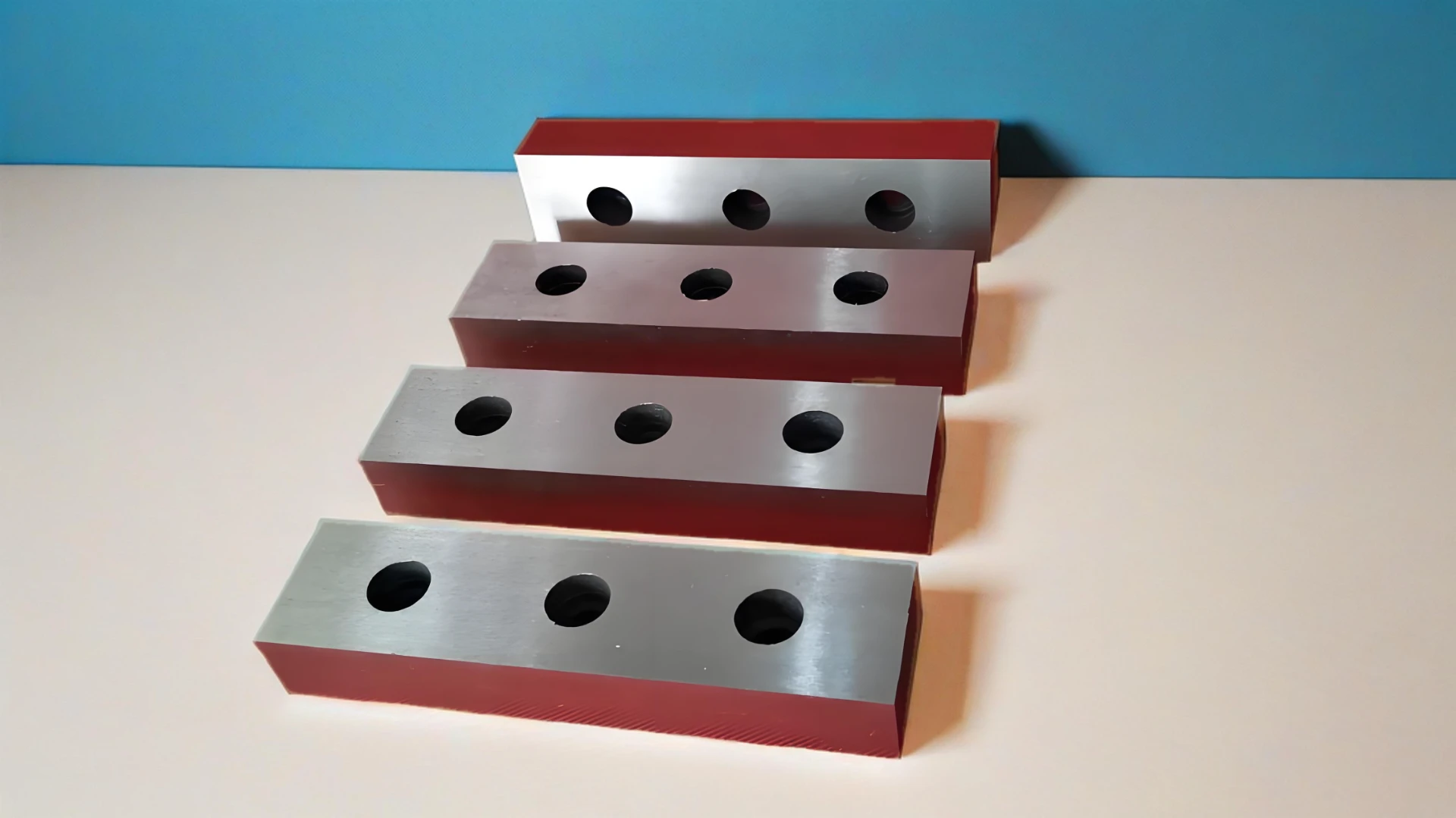
Let’s get into why these blades deserve your attention if you haven’t considered upgrading lately. First off, carbide isn’t just a fancy word—it means the blade’s cutting edge is tipped or entirely made from tungsten carbide, a material renowned for its hardness and resistance to wear. This stuff can slice through the thickest cardboard, tougher plastics, and even some thin metals without losing its edge. I remember one plant where a team used standard steel blades and replaced them weekly. Switching to carbide cut that down to over a month. That kind of durability matters when every minute on the job counts.
Oddly enough, while carbide may sound brittle if you’re new to it, these blades pack a punch and flex surprisingly well under the right design. The trick is in the manufacturing process and grinding precision that many vendors have mastered. Speaking of vendors, not all carbide blades are created equal—quality varies based on the carbide composition, heat treating, and exact geometry. Here’s how they stack up, in my experience:
| Specification | Typical Carbide Box Cutter Blade |
|---|---|
| Material | Tungsten Carbide |
| Blade Thickness | 0.5 mm – 1.0 mm |
| Edge Retention | Up to 5x longer than steel |
| Compatibility | Fits most standard box cutter handles |
| Cost | 3-5x steel blade cost (but lasts longer) |
Now, it’s true the upfront price makes some hesitate. But if you do the math — less frequent blade swaps, fewer accidents due to dull edges, and smoother operation — the total cost of ownership often favors carbide. Plus, many vendors offer customization, like micro-beveling or anti-corrosion coatings, which can make the blades even sharper or tougher under tough environments.
In real terms, those small enhancements can be a lifesaver when you’re on a busy line or handling products sensitive to contamination. One friend who manages a food packaging facility swears by them because they reduce downtime and keep cutting precise without degrading product safety.
| Vendor | Blade Quality | Customization Options | Availability | Price Range |
|---|---|---|---|---|
| Mech Blades | High (Consistent edge retention) | Yes (Coatings, bevels) | Excellent (Worldwide shipping) | Mid-High |
| Generic Brand X | Moderate | Limited | Limited | Low |
| Industrial Edge Co. | High | Yes (Custom shapes) | Good (Regional) | Mid |
You know, many engineers and floor supervisors I’ve chatted with highlight one common theme: reliability. When box cutter blades don’t keep up, it’s not just frustration—it’s lost productivity and sometimes safety issues. So switching to carbide box cutter blades feels like a no-brainer, especially for high-volume users.
One anecdote I like to share came from a small shipping warehouse that made the switch after habits caused several near-misses with dull blades. Since upgrading, they reported fewer blade-related injuries, less downtime, and smoother cuts — even on tougher packaging like shrink wrap and reinforced tape.
To wrap up — if you’re still using standard steel blades for daily heavy-duty cutting, you might want to consider these carbide options. They come across as a quality investment that pays dividends downstream, odd as it might seem to pay more upfront for just a blade. But hey, experience tends to show sharpness and durability do matter. After all, the right tool makes all the difference, right?
Here’s to safer, smoother cuts in your next shift!
References:
- Industry Cutting Tools & Safety Bulletin, 2023
- "The Science Behind Tungsten Carbide," Materials Weekly, 2022
- Interview with John M., Warehouse Manager, 2024