Silicon Carbide Blades: A Comprehensive Guide
When precision and durability are paramount, silicon carbide blades stand out as a superior cutting solution. Known for their exceptional hardness, thermal conductivity, and resistance to wear, these blades are indispensable in a variety of industrial applications. This article will explore the properties, benefits, applications, and considerations when selecting silicon carbide blades. Whether you're in the ceramics industry, glass processing, or stone cutting, understanding these blades will optimize your processes and improve your results.
What are Silicon Carbide Blades?
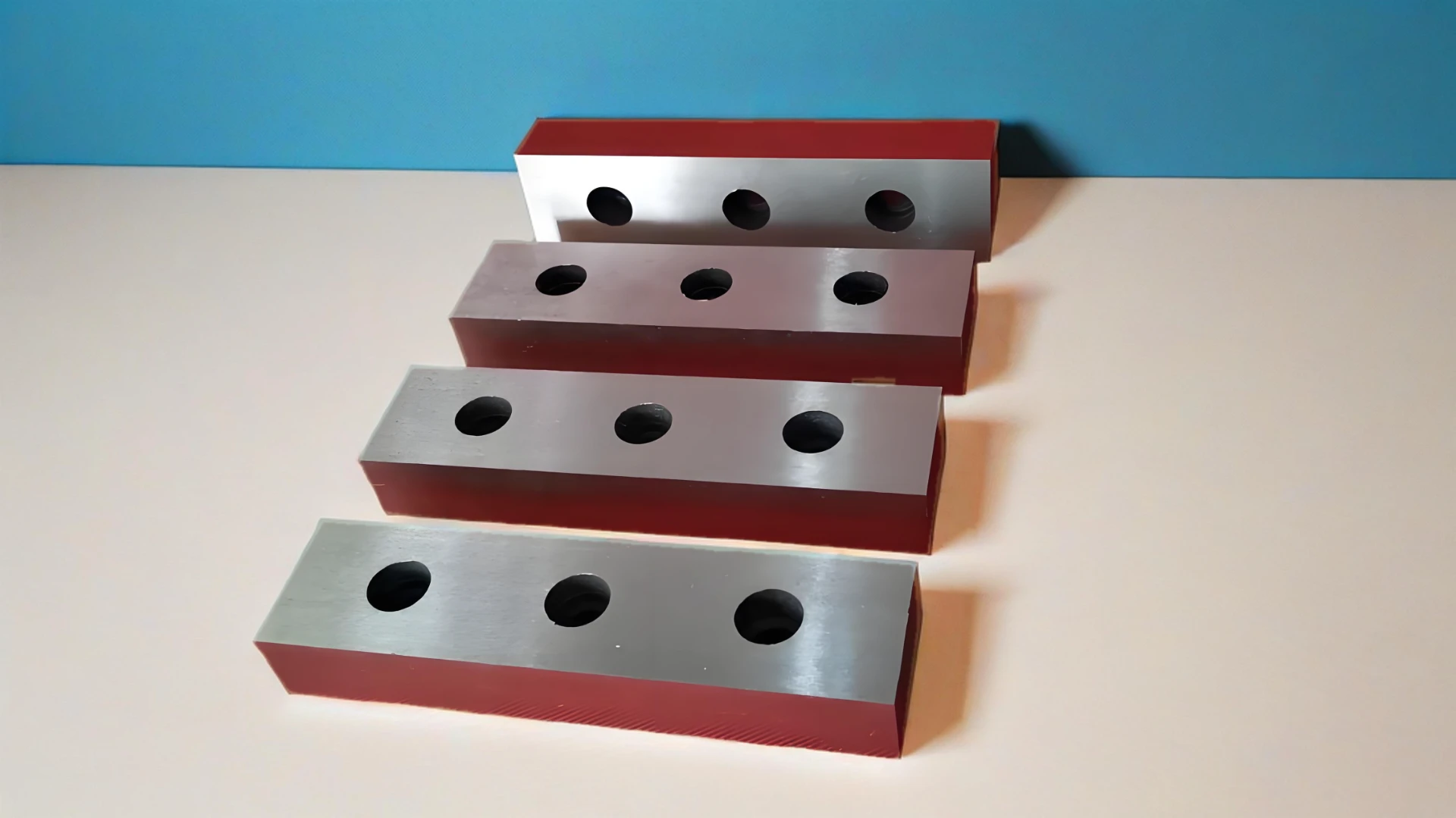
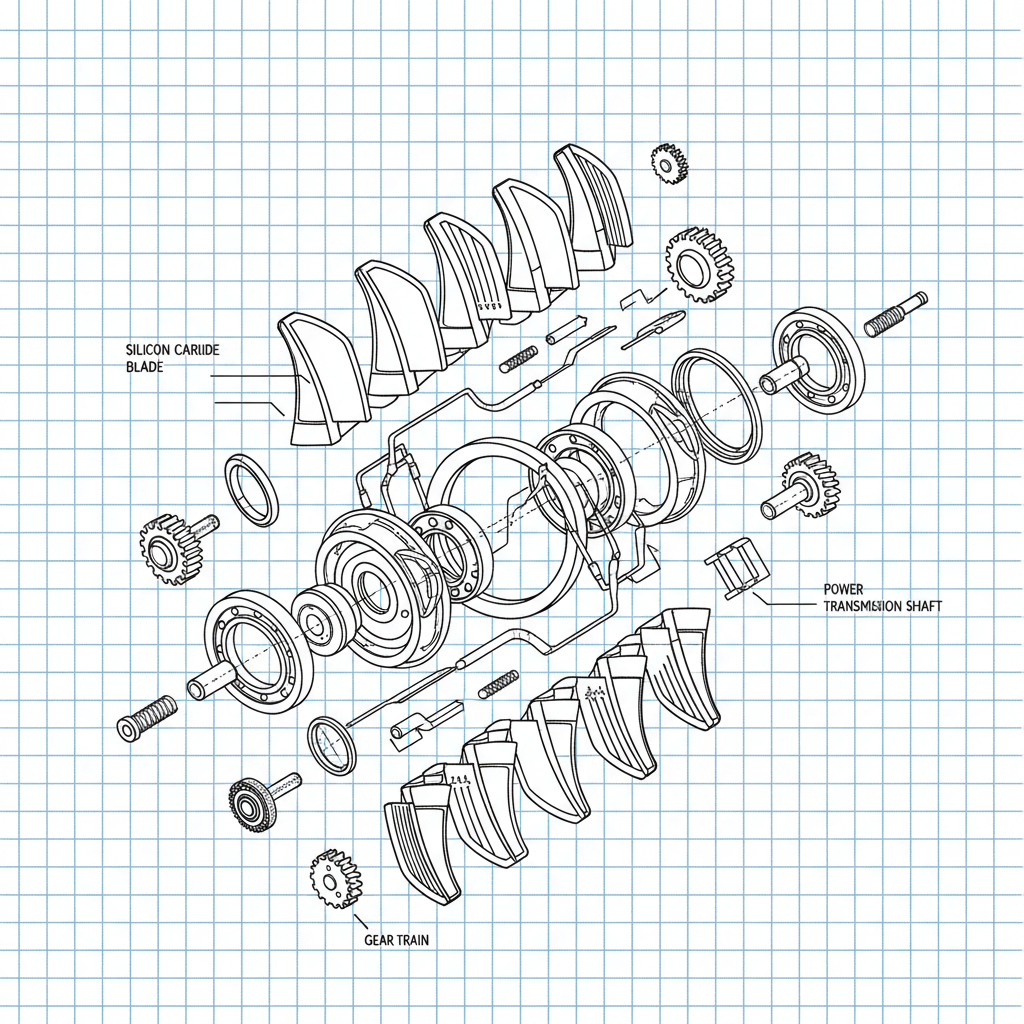
Silicon carbide (SiC) is a compound of silicon and carbon, renowned as one of the hardest materials known to man. Silicon carbide blades are manufactured using this incredibly hard ceramic, offering exceptional performance in demanding cutting applications. They are typically produced through sintering, a process where the material is heated to a high temperature, forming a dense, robust blade structure. These blades excel where conventional steel blades fall short, particularly when working with abrasive or brittle materials. The unique crystalline structure of silicon carbide provides superior resistance to chipping, cracking, and wear, resulting in a longer blade lifespan and reduced downtime. Mechblades offers a diverse range of SiC blades tailored to specific industrial needs.
Key Benefits: Exceptional hardness, superior wear resistance, high thermal conductivity, and suitability for abrasive materials.
Applications of Silicon Carbide Blades
The versatility of silicon carbide blades extends across numerous industries. In the ceramics sector, they’re used for precision cutting of tiles, sanitary ware, and technical ceramics. Glass processing relies on these blades for cutting laminated glass, tempered glass, and specialty glass types. The stone industry utilizes silicon carbide blades for cutting granite, marble, and other hard stone materials. Furthermore, they find applications in the semiconductor industry for wafer slicing, and in the aerospace industry for cutting advanced composite materials. The ability of these blades to maintain sharpness and dimensional accuracy makes them essential for producing high-quality finished products.
Common Application Areas:
• Ceramics Cutting
• Glass Processing
• Stone and Masonry
• Semiconductor Wafer Slicing
Silicon Carbide Blades vs. Diamond Blades: A Detailed Comparison
While both silicon carbide and diamond blades are used for cutting hard materials, they possess distinct characteristics. Diamond blades utilize diamond grit bonded to a core, offering superior cutting speed and longevity. However, diamond blades are typically more expensive. Silicon carbide blades provide an excellent balance of performance and cost-effectiveness, particularly suitable for applications where cutting speed is not the primary concern. They are often preferred for cutting materials that react with diamond, such as certain types of glass or ceramics. Mechblades provides expert guidance in selecting the optimal blade for your specific application.
Selecting the Right Silicon Carbide Blade
Choosing the appropriate silicon carbide blade depends on the material being cut and the application’s specific requirements. Consider the grit size – finer grits deliver smoother finishes, while coarser grits provide faster material removal. Blade thickness is also important; thinner blades are suitable for intricate cuts, while thicker blades offer greater stability. The bond type, which holds the abrasive particles together, influences the blade’s lifespan and performance. Mechblades offers comprehensive product specifications and expert advice to help you make the best choice.
Maintaining and Extending Blade Life
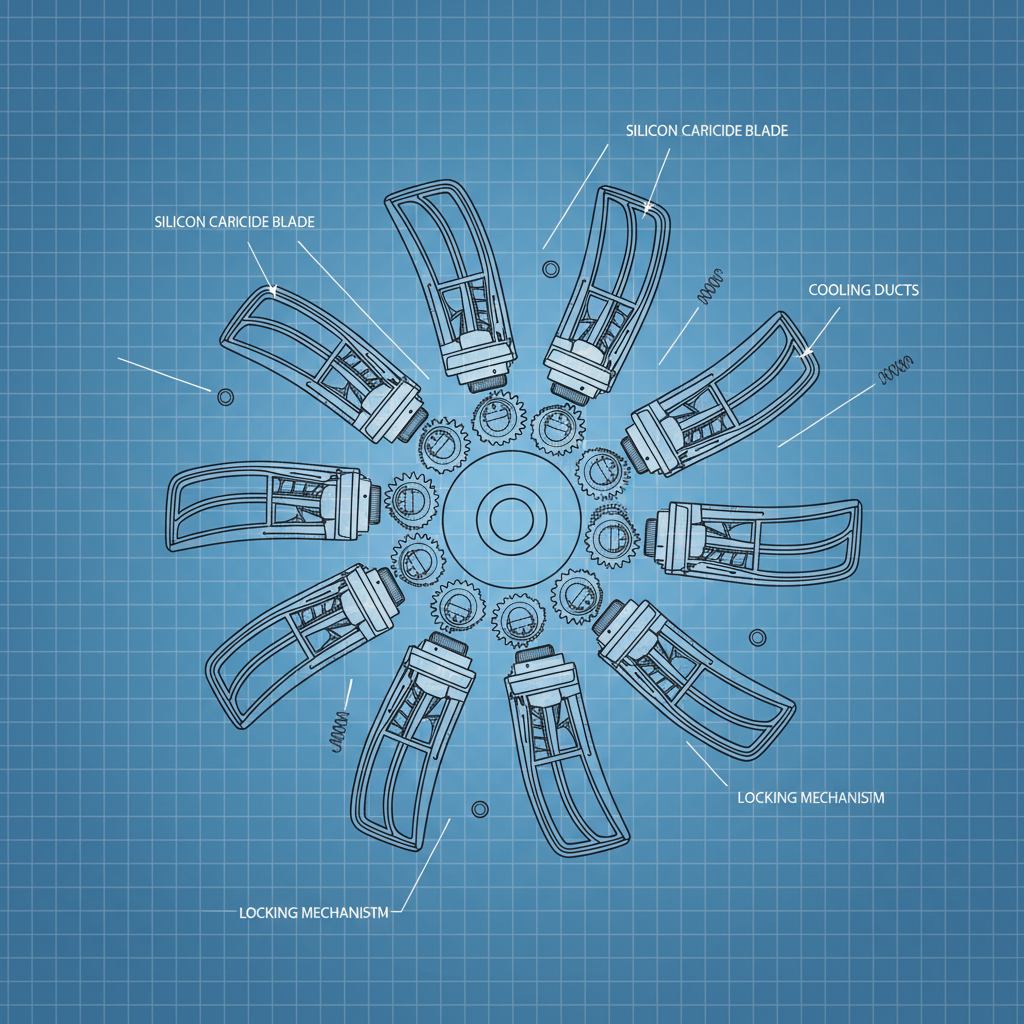
Proper maintenance is crucial for maximizing the lifespan of silicon carbide blades. Avoid excessive pressure during cutting, as this can lead to premature wear and chipping. Use appropriate cooling fluids to dissipate heat and prevent warping. Regularly inspect the blade for damage and replace it when necessary. Storing blades in a dry, protected environment will prevent corrosion and maintain their sharpness. Consistent maintenance practices ensure optimal performance and cost-effectiveness.
Conclusion: Optimizing Your Cutting Operations with Silicon Carbide Blades
Investing in high-quality silicon carbide blades from a reputable supplier like Mechblades is a strategic decision that can significantly enhance your cutting operations. Their superior hardness, durability, and versatility make them an indispensable tool for a wide range of industries. By understanding their properties, selecting the right blade for your application, and implementing proper maintenance practices, you can achieve optimal performance, reduce downtime, and maximize your return on investment.
Frequently Asked Questions (FAQs)
What materials can silicon carbide blades cut?
Silicon carbide blades are incredibly versatile and can effectively cut a wide range of materials. This includes ceramics, glass (especially tempered and laminated), stone (granite, marble, concrete), non-ferrous metals, and various composite materials. Their abrasive nature makes them particularly well-suited for materials that are difficult to cut with traditional steel blades. However, it’s crucial to select the appropriate grit size and blade specifications based on the specific material you are working with to achieve optimal results and prolong blade life.
How do I determine the correct grit size for my application?
Grit size refers to the size of the abrasive particles on the blade. Finer grits (higher numbers) produce smoother finishes and are ideal for delicate cuts or finishing operations. Coarser grits (lower numbers) remove material more quickly and are suitable for rough cutting or aggressive stock removal. As a general rule, harder materials require finer grits, while softer materials can be cut more efficiently with coarser grits. Consider the desired surface finish and the speed of cutting when selecting the appropriate grit size. Refer to Mechblades' product guides for detailed recommendations.
Are silicon carbide blades prone to chipping or cracking?
While silicon carbide is a very hard material, blades can still chip or crack if subjected to excessive stress or improper use. Avoid applying excessive pressure during cutting, and ensure the material is securely clamped. Using the correct blade speed and cooling fluid also helps prevent thermal stress. Inspect blades regularly for any signs of damage and replace them if necessary. Choosing a blade with the appropriate thickness and bond type for your application can further minimize the risk of chipping or cracking.