Serrated Blades: A Cutting Edge Solution
Understanding the Power of the Serrated Blade
You know, after all these years working around industrial cutting tools, you start to appreciate the details. It’s not just about sharpness, though that’s obviously important. It’s about how a blade interacts with the material, how it clears debris, how long it lasts… and frankly, serrated blades are a completely different beast. They aren’t always the first choice, but when you need a clean, consistent cut, especially in tougher materials, they’re hard to beat. I've seen them revolutionize processes in everything from food processing to high-precision manufacturing. It's funny, often the simplest solutions are the most effective, and a well-designed serrated blade is a prime example.Serrated Blade Design and Material Science
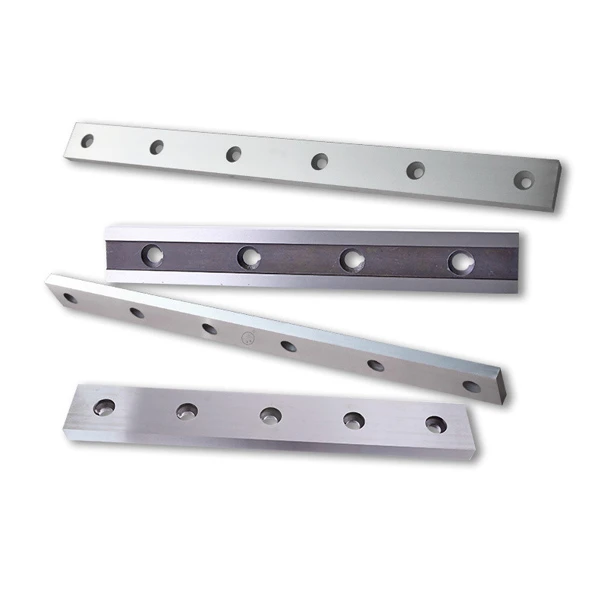
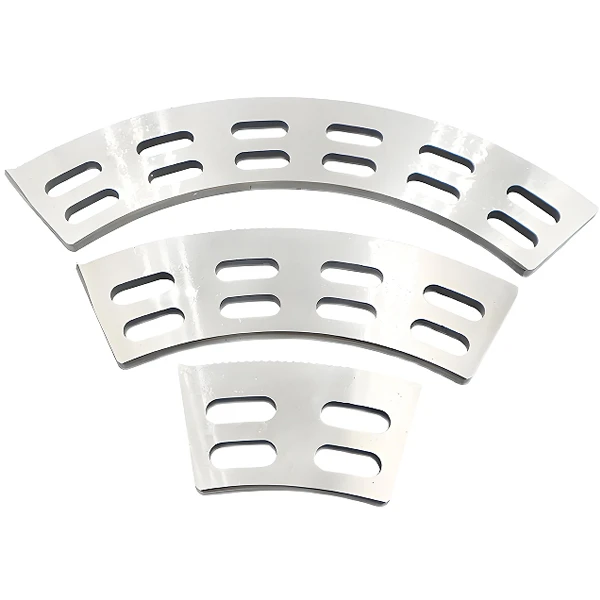
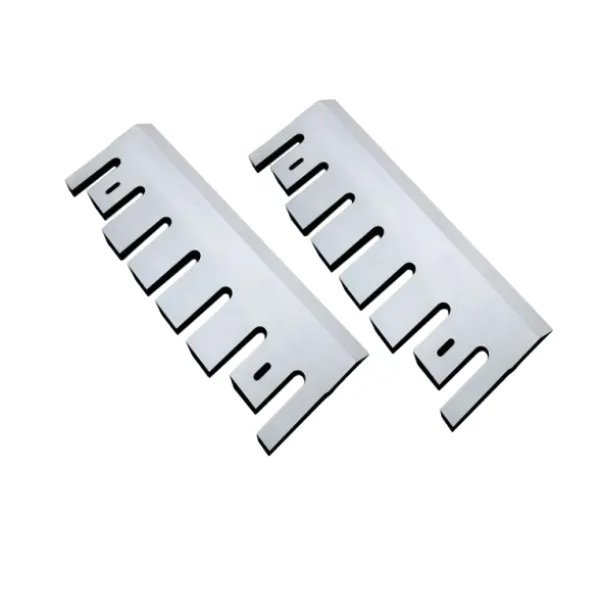
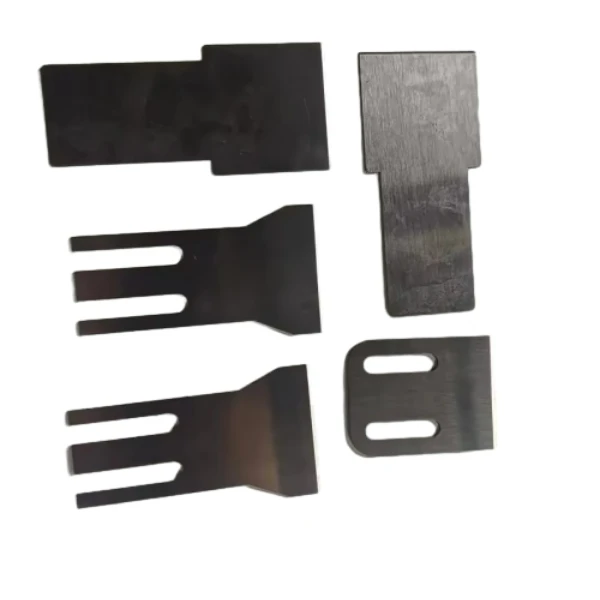
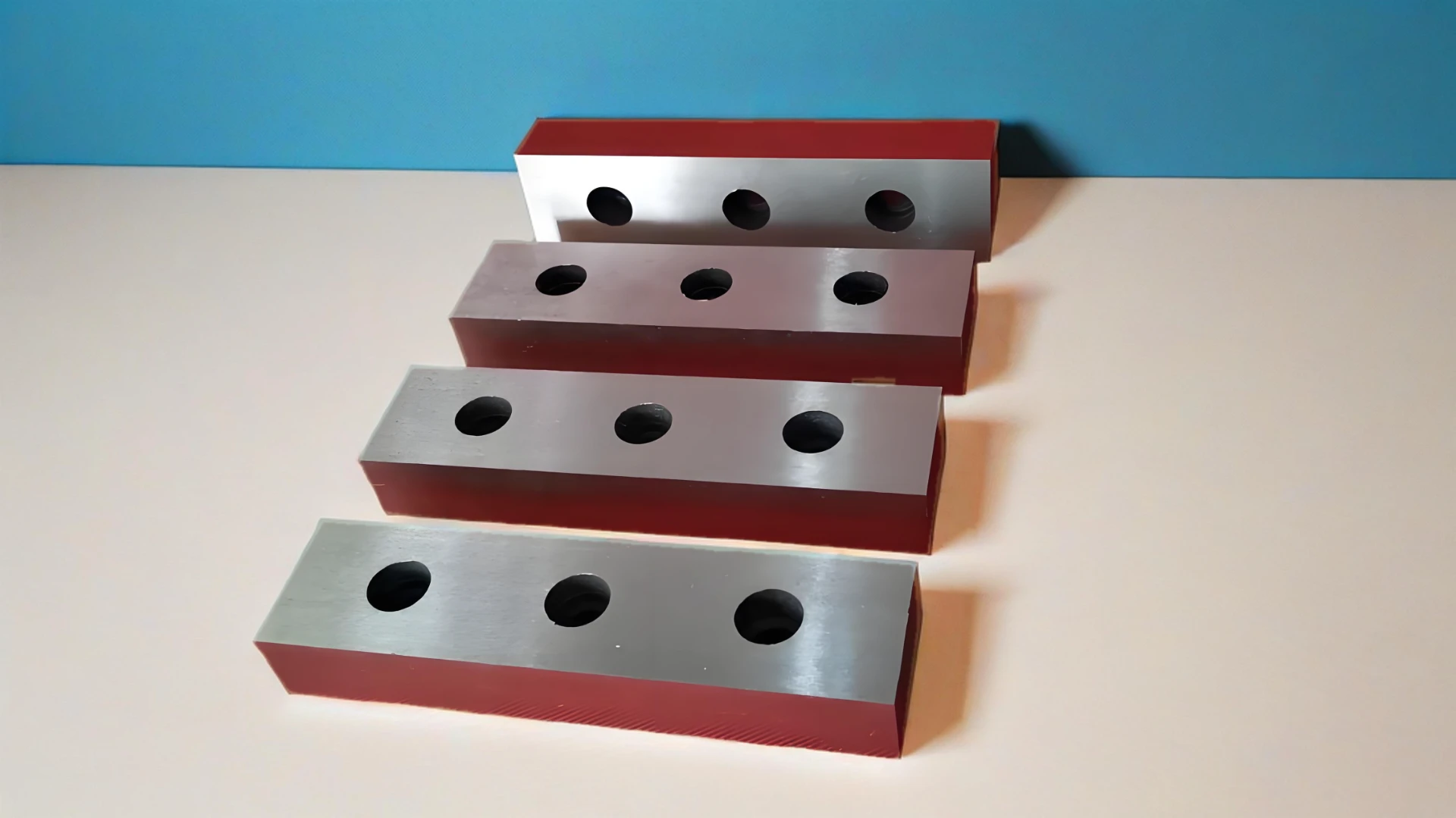
So, what makes a serrated blade serrated? It’s that tooth pattern, of course. Those teeth aren’t just there to look aggressive, they dramatically reduce the force needed for a cut and create a shearing action. Now, the material is critical. You can't just throw any steel into this application. High-carbon steel is common, for its hardness and ability to hold an edge, but often you'll see alloys with vanadium or molybdenum added for increased toughness. I suppose it depends on what they are cutting. A lot of engineers I've spoken with swear by powder metallurgy for creating blades with incredibly consistent grain structure… though it's obviously a more expensive route. Here’s a breakdown of typical specifications:| Parameter | Value | Notes |
|---|---|---|
| Material | High-Carbon Steel (D2, 1095) | Common, cost-effective |
| Tooth Pitch | 8-24 TPI (Teeth Per Inch) | Depends on material thickness |
| Hardness | HRC 58-62 | Rockwell Hardness Scale |
| Coating | Titanium Nitride (TiN) | Improved wear resistance |
Choosing the Right Serrated Blade Vendor
Oddly enough, picking a vendor is almost as important as the blade itself. You need someone who understands your application. There are a lot of players out there, and quality varies wildly. I've worked with a few over the years, and here’s a quick comparison. You’ll find some specialize in custom designs, others focus on high-volume production. Honestly, the best fit depends on your needs. For really specialized applications, a smaller shop that can iterate quickly is often the way to go. MechBlades is one I’ve found to be particularly responsive and capable.| Vendor | Specialty | Price Range | Lead Time |
|---|---|---|---|
| MechBlades | Custom & Standard | Mid-Range | 2-4 Weeks |
| IndustrialCutters Inc. | High-Volume Standard | Low | 1-2 Weeks |
| PrecisionEdge Solutions | Specialty Alloys, Research | High | 6-8 Weeks |
In Conclusion
Serrated blades – they're often overlooked, but they're incredibly versatile and powerful tools when applied correctly. I remember one client, a packaging company, struggling with consistent cuts in their reinforced cardboard. They’d tried everything, different steels, different geometries… nothing worked perfectly. Switched to a custom serrated blade from MechBlades, and the problem vanished. Seems simple, right? But those little victories are what it’s all about.
References:
- Industry durability reports, HKaiseal 2023
- Maintenance strategies for conveyor equipment, Journal of Manufacturing 2022
- Personal project insights & engineer interviews 2018–2023