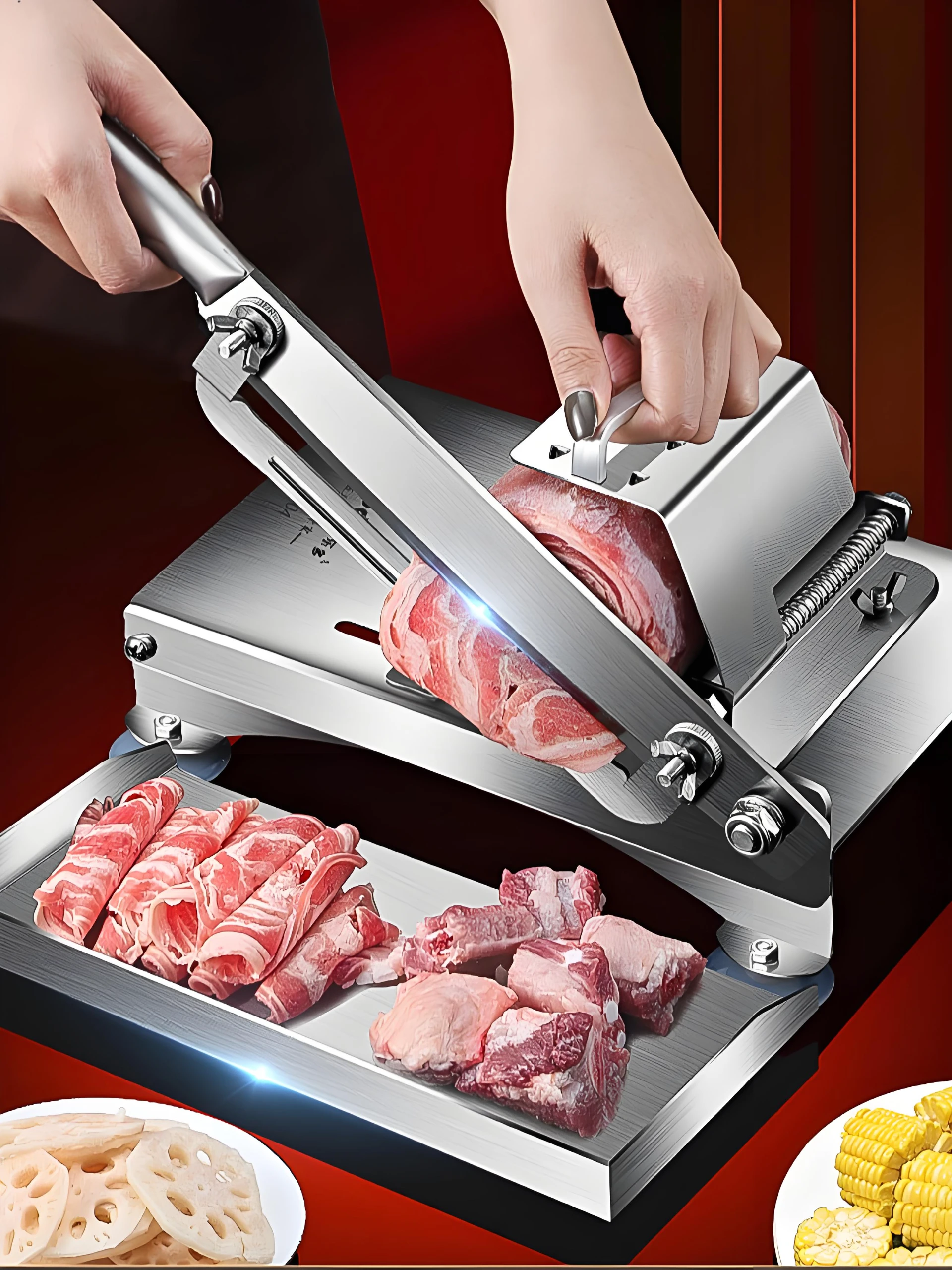
Understanding Toothed Blades: A Comprehensive Guide
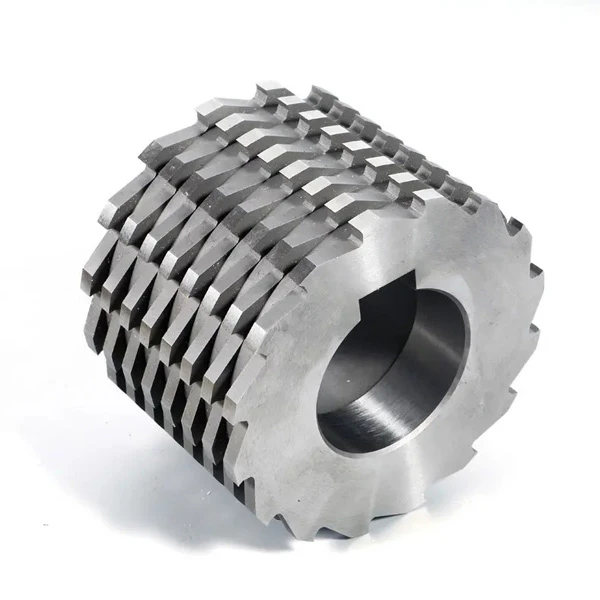
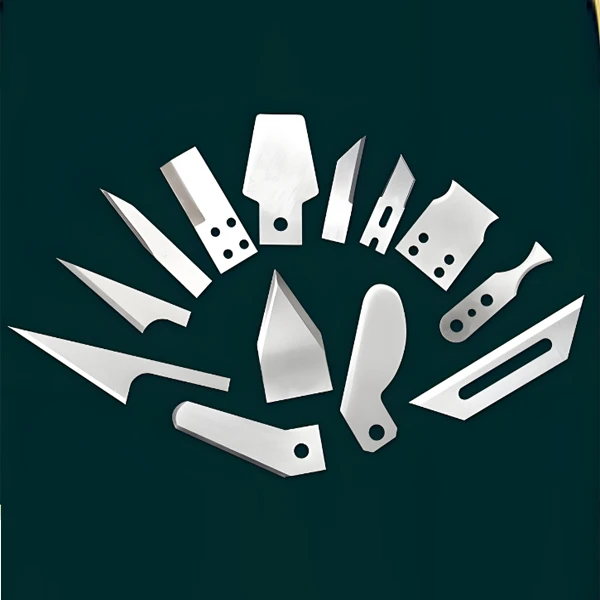
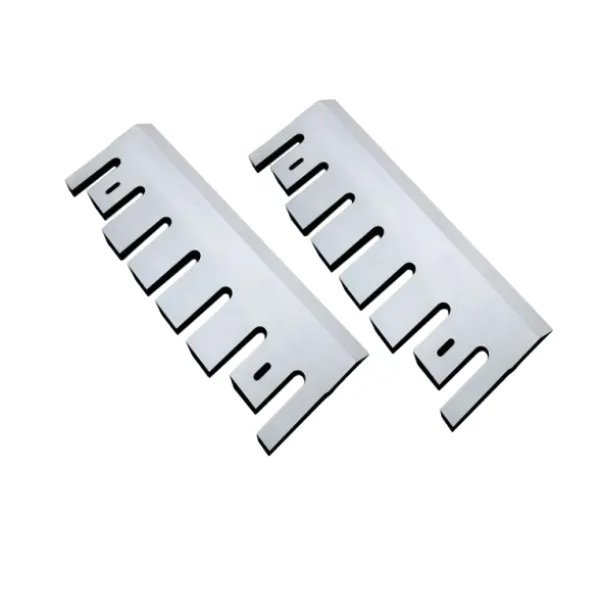
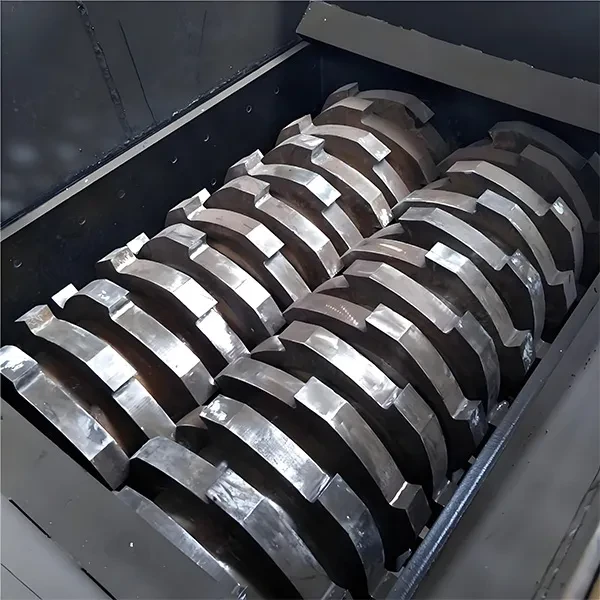
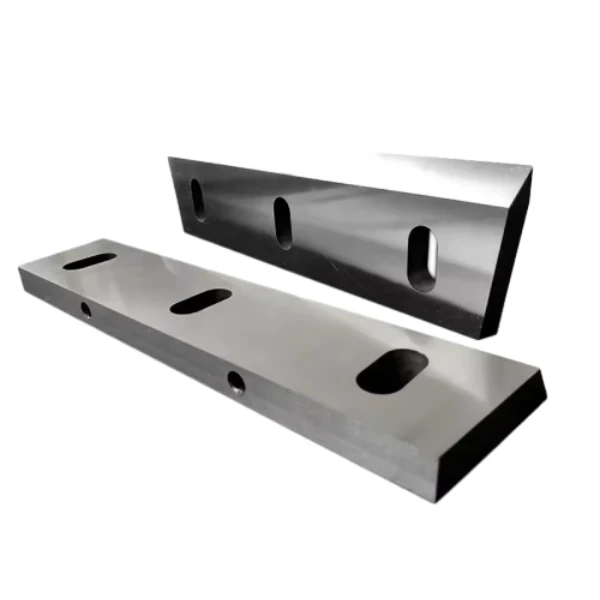
Toothed blades are essential components in a vast array of cutting applications, from woodworking and metalworking to plastics processing. These blades, characterized by their precisely engineered teeth, deliver the cutting action necessary for efficient and accurate material removal. Choosing the right toothed blade for a specific task is critical for achieving optimal results, ensuring safety, and maximizing blade lifespan. This article will delve into the world of toothed blades, covering their types, applications, materials, and essential considerations for selection. We will explore how different blade characteristics influence performance and help you make informed decisions for your cutting needs.
Types of Toothed Blades
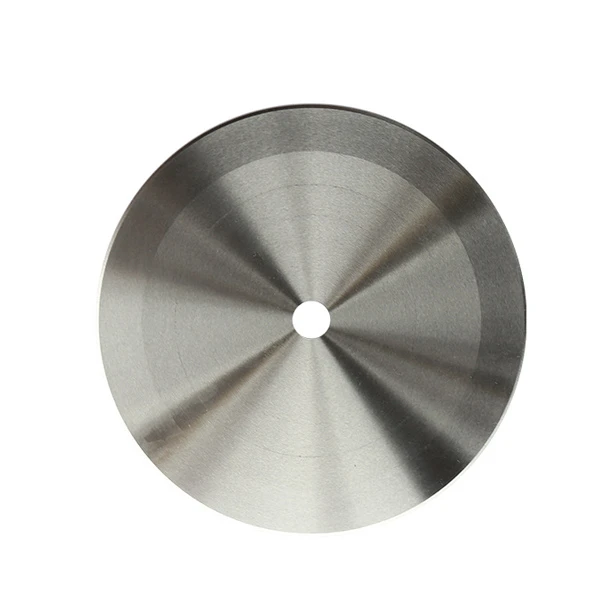
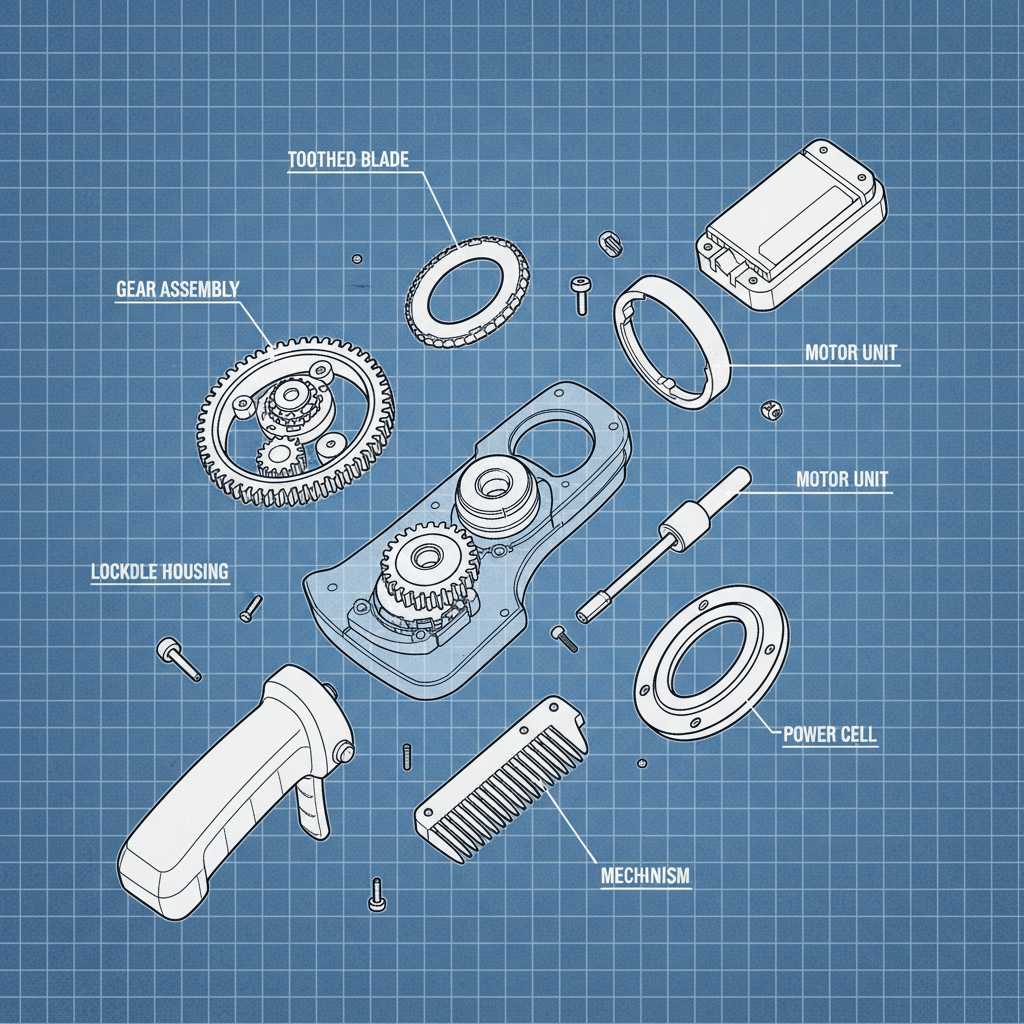
Toothed blades come in a diverse range of configurations designed to suit specific materials and cutting techniques. Some common types include circular saw blades, reciprocating saw blades, band saw blades, and jigsaw blades. Circular saw blades are widely used for straight cuts in wood, metal, and plastics. Reciprocating saw blades excel at demolition and rough cutting tasks. Band saw blades are ideal for curved cuts and resawing lumber. Jigsaw blades are versatile for intricate shapes and fine detail work. Understanding the unique capabilities of each blade type is crucial for selecting the appropriate tool for the job. MechBlades offers a comprehensive selection of these blade types.
Key Highlights: Different types of toothed blades are engineered for specific cutting tasks, ensuring optimal performance and precision.
The Importance of Tooth Geometry in Toothed Blades
The geometry of the teeth plays a pivotal role in a blade's performance. Factors such as tooth angle, tooth pitch (distance between teeth), and tooth set (the degree of side bend) significantly impact cutting speed, finish quality, and resistance to binding. A positive rake angle is generally used for softer materials, while a negative rake angle is preferred for harder materials. Higher tooth pitch blades are suited for faster cutting of softer materials, whereas lower tooth pitch blades offer a smoother finish on harder materials. Proper tooth set prevents the blade from binding during the cut and facilitates chip removal. MechBlades focuses on precision in tooth geometry to deliver superior cutting performance.
Tooth Geometry Considerations:
• Tooth Angle: Influences cutting action and material suitability.
• Tooth Pitch: Affects cutting speed and finish quality.
• Tooth Set: Prevents binding and aids chip removal.
Toothed Blade Materials: A Comparative Analysis
The material composition of a toothed blade significantly impacts its durability, heat resistance, and cutting performance. Common blade materials include high-speed steel (HSS), carbon steel, and carbide-tipped blades. HSS blades are suitable for general-purpose cutting of wood and soft metals. Carbon steel blades offer good edge retention but are prone to dulling. Carbide-tipped blades provide exceptional durability and heat resistance, making them ideal for cutting abrasive materials like hardwoods, aluminum, and cast iron. The choice of material should align with the intended application and the type of material being cut.
Selecting the Right Toothed Blade: Key Considerations
Choosing the right toothed blade requires careful consideration of several factors. First, identify the material you will be cutting – wood, metal, plastic, or composite. Next, determine the type of cut required – straight, curved, or intricate. Consider the thickness of the material and the desired finish quality. Finally, select a blade with the appropriate tooth geometry and material for the specific application. Prioritizing safety is essential, ensuring that the blade is properly installed and used with appropriate safety gear. MechBlades provides expert guidance to help you select the perfect blade for your needs.
Maintaining and Extending Blade Lifespan
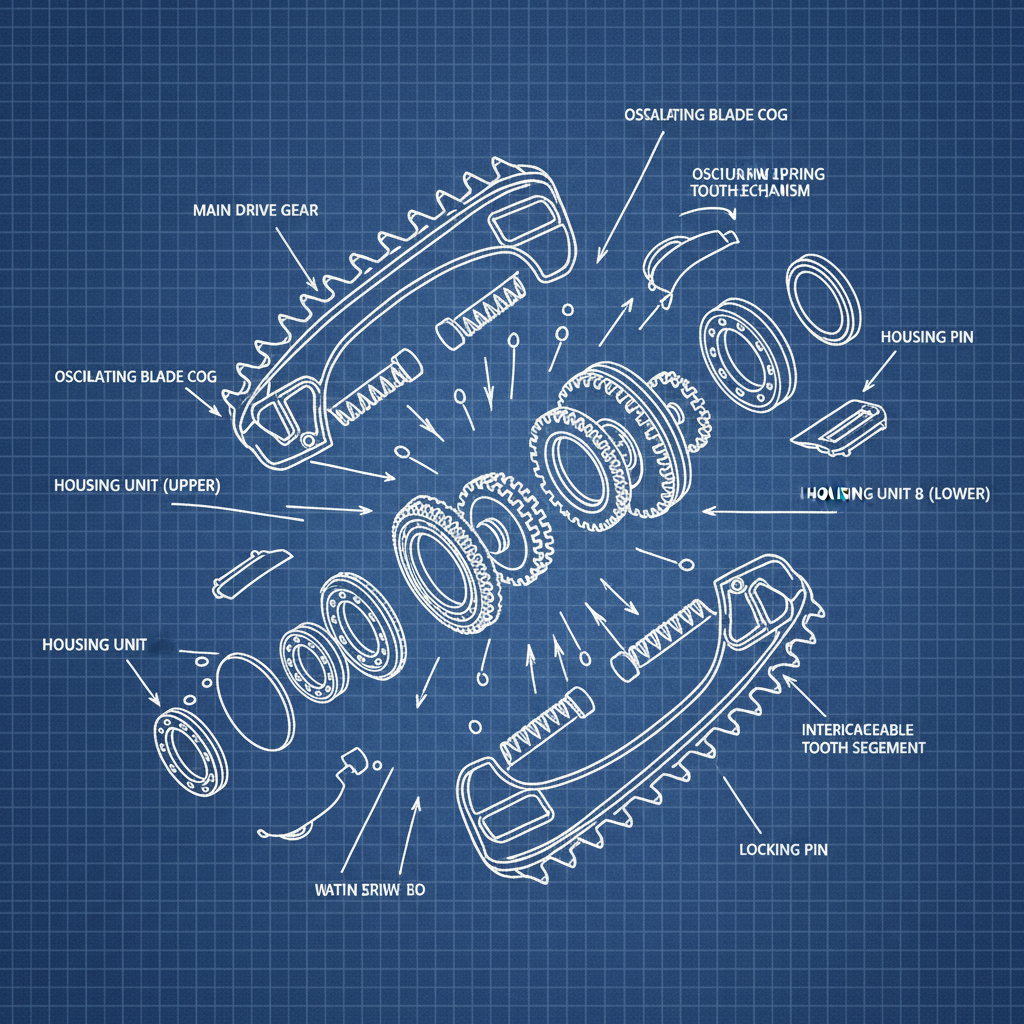
Proper maintenance is crucial for maximizing the lifespan of your toothed blades. Regular cleaning removes debris and prevents corrosion. Sharping or replacing dull blades ensures efficient cutting and reduces the risk of kickback. Store blades in a dry, protected environment to prevent damage. Avoid overloading the blade or forcing the cut, as this can lead to premature wear and breakage. By following these simple maintenance practices, you can significantly extend the life of your blades and save money in the long run.
Conclusion: Optimizing Your Cutting Performance
Understanding the nuances of toothed blades is essential for achieving optimal cutting results. By carefully considering blade type, material, tooth geometry, and proper maintenance, you can enhance efficiency, improve accuracy, and ensure safety in your cutting operations. Invest in quality blades and prioritize regular maintenance to maximize performance and longevity.
Frequently Asked Questions (FAQs)
How often should I replace my toothed blade?
Blade replacement frequency depends heavily on usage and material. However, a good rule of thumb is to replace blades when you notice a decrease in cutting performance, such as increased effort, rougher cuts, or excessive heat buildup. Dull blades are not only inefficient but also pose a safety risk. Regularly inspect blades for broken or missing teeth, and replace them immediately if any damage is detected. For professional use, consider replacing blades after a certain number of cutting hours or projects. We recommend inspecting your blades before each use, and replacing them as needed to ensure optimal performance and safety.
What safety precautions should I take when using toothed blades?
Safety is paramount when working with toothed blades. Always wear appropriate personal protective equipment (PPE), including safety glasses, gloves, and hearing protection. Ensure the workpiece is securely clamped before cutting. Use the correct blade for the material and application. Never force the cut; let the blade do the work. Be aware of the potential for kickback and maintain a firm grip on the tool. Disconnect the power source before changing blades or performing maintenance. Always follow the manufacturer’s safety guidelines for both the tool and the blade.
How do I choose the right tooth pitch for my application?
Tooth pitch refers to the distance between the teeth on a blade. A higher tooth pitch (fewer teeth per inch) is ideal for fast cutting of softer materials like wood. A lower tooth pitch (more teeth per inch) is better for creating smooth finishes on harder materials like metal. For general-purpose cutting, a medium tooth pitch is often suitable. Consider the material thickness: thinner materials require a finer pitch, while thicker materials benefit from a coarser pitch. Refer to blade manufacturer recommendations for specific material and application guidelines.
What are the benefits of carbide-tipped blades?
Carbide-tipped blades offer significant advantages over blades made from other materials. The carbide tips provide exceptional hardness and wear resistance, resulting in a longer blade life. They can cut through a wider range of materials, including abrasive substances like aluminum and cast iron, without dulling quickly. Carbide-tipped blades maintain their sharpness for extended periods, ensuring consistent cutting performance and a cleaner finish. While more expensive upfront, their durability and longevity make them a cost-effective choice in the long run.