Sharpening Carbide Saw Blades by Hand: What I’ve Learned
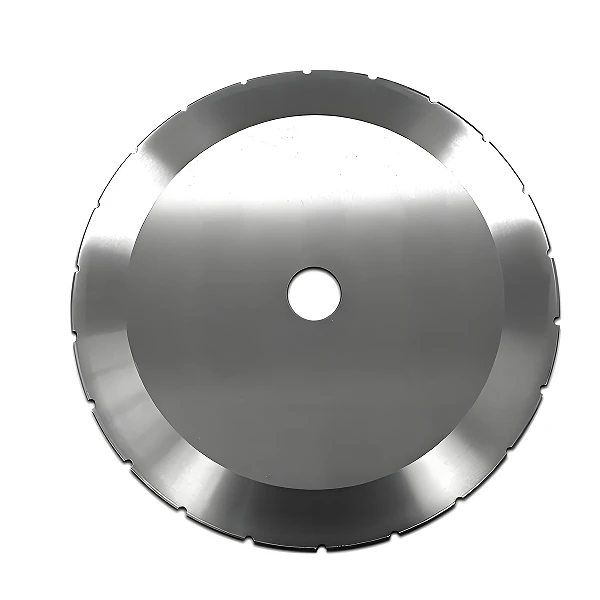
Working in industrial equipment for over a decade, one tweak I often get asked about is the best way to sharpen carbide saw blades by hand. You know, carbide—tough, brittle, and sort of unyielding—requires a bit more finesse than your average steel blade. Frankly, it’s an old-school skill slipping out of use as automated sharpening machines dominate, but there’s something satisfying about the hands-on approach.
Sharpening carbide saw blades by hand isn’t just about restoring a sharp edge; it’s about preserving the blade’s life and maintaining accuracy on the cut. Every time you touch a blade, you’re making decisions – how much material to remove, keeping the tooth geometry consistent, avoiding overheating—and if you mess up, well, your blade's performance takes a nosedive.
In real terms, carbide teeth are made of tungsten carbide particles bonded to the steel body. This means the teeth are incredibly hard—harder than steel by a mile—but that also makes them prone to chipping if the sharpening isn’t done right. Many engineers I worked with say that hand sharpening is especially useful for smaller jobs or blades with unique configurations, where sending the blade off for industrial grinding just isn’t practical.
Key Considerations in Hand Sharpening Carbide Blades
- Grit Selection: Start with a fine diamond abrasive wheel—usually 150 to 320 grit works best to avoid excessive wear.
- Tooth Geometry: Maintain the original hook angle and tooth shape, which means having a good eye or a template handy.
- Cooling: Carbide heats up quickly; use plenty of water or cooling fluid to avoid affecting the temper of the blade.
- Consistency: Uniform pressure and stroke length are critical—uneven edges lead to vibration and poor cut quality.
| Specification | Recommended Range |
|---|---|
| Abrasive Type | Diamond (Electroplated or Resin Bonded) |
| Grit Size | 150 – 320 |
| Wheel Diameter | 4" – 6" |
| Wheel Thickness | 1/8" – 1/4" |
| Max RPM | 3000 – 3500 |
Oddly enough, while hand sharpening may seem tedious, for many shops with low-volume or specialty blades, it’s a way to save costs and keep downtime low. One of my old colleagues once told me about a customer who insisted on hand-sharpening their 10" carbide blades every few weeks because they couldn’t afford interruptions. Their cuts were surprisingly clean, thanks to their disciplined approach. It feels like sometimes the old-school ways still hold real value.
Comparing Manual vs. Professional Sharpening Vendors
| Criteria | Hand Sharpening | Industrial Vendor |
|---|---|---|
| Cost per Blade | Low to Moderate (material & labor) | Moderate to High |
| Turnaround Time | Immediate to Same Day | Several Days to Weeks |
| Quality Consistency | Variable (operator skill dependent) | High (machine precision) |
| Customization | High (flexible, on the fly) | Limited to standard profiles |
| Suitability | Small runs / urgent fixes | Large volumes / repeat work |
In my experience, the choice between hand sharpening and professional services depends a lot on your workflow. For a busy shop with a steady production schedule, sending blades out is often unavoidable. But if you’re the kind of operator who enjoys staying connected to your machine, who fiddles and adjusts for peak performance, there’s a deep satisfaction in hand sharpening your blades from start to finish. I suppose it's the same reason some mechanics still prefer adjusting carburetors by hand rather than swapping out kits.
So, if you’re thinking about trying it yourself, a solid setup with proper diamond wheels and steady technique can keep your carbide blades cutting clean for longer. And for trusted supplies and accessories, I've found MechBlades is a reliable resource worth checking out.
In the end, sharpening carbide saw blades by hand is a craft: a blend of skill, patience, and a little bit of pride. Keep your blades sharp, and they'll keep your cuts sharp, too.
References:
- "Carbide Saw Blade Maintenance," Industrial Tooling Journal, 2022.
- "Diamond Wheel Selection for Carbide Sharpening," Precision Grinding Inc., 2021.
- "Hand Sharpening Techniques: Pros and Cons," Machinist Monthly, 2023.