The Fundamentals of Shredder Blade Design
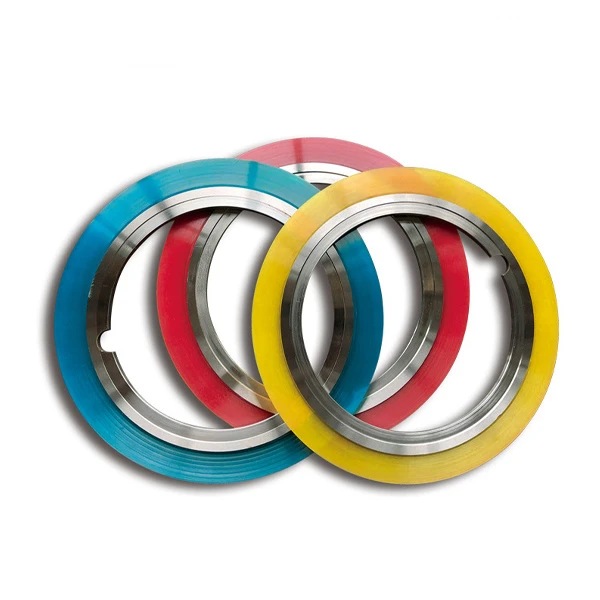
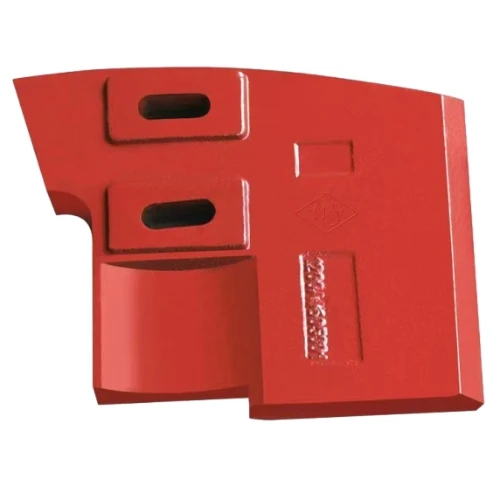
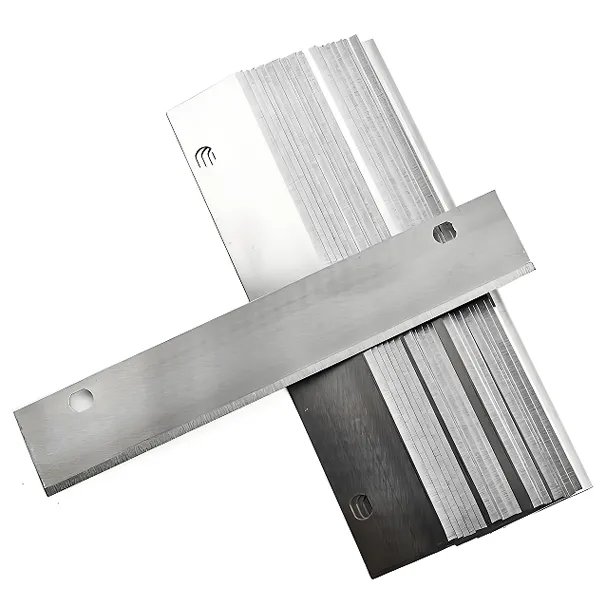
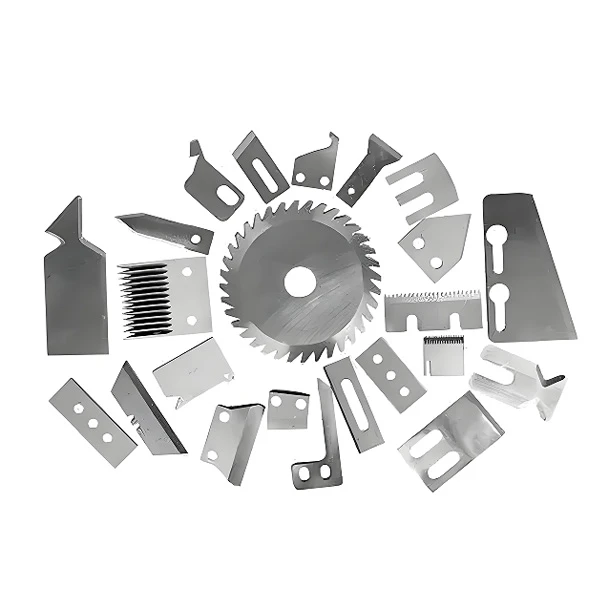
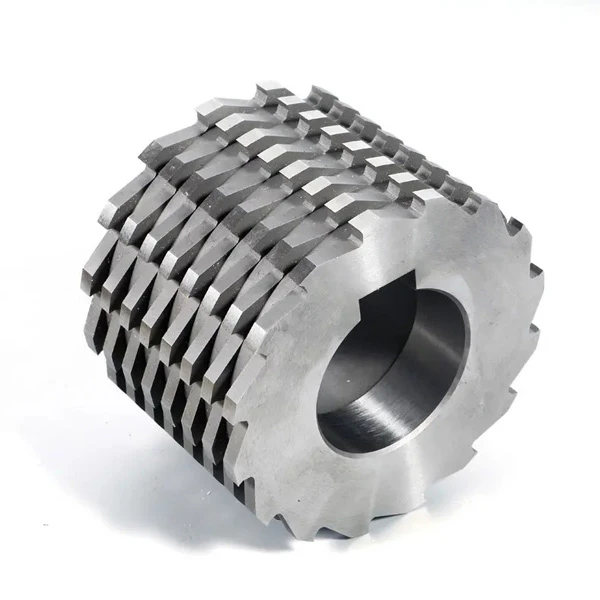
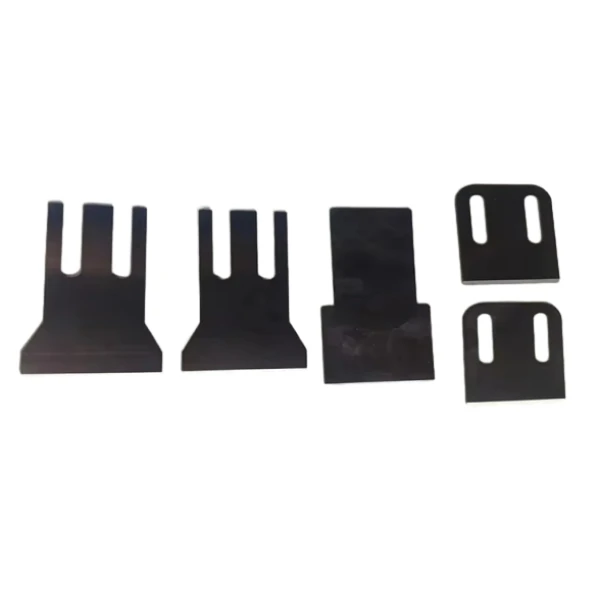
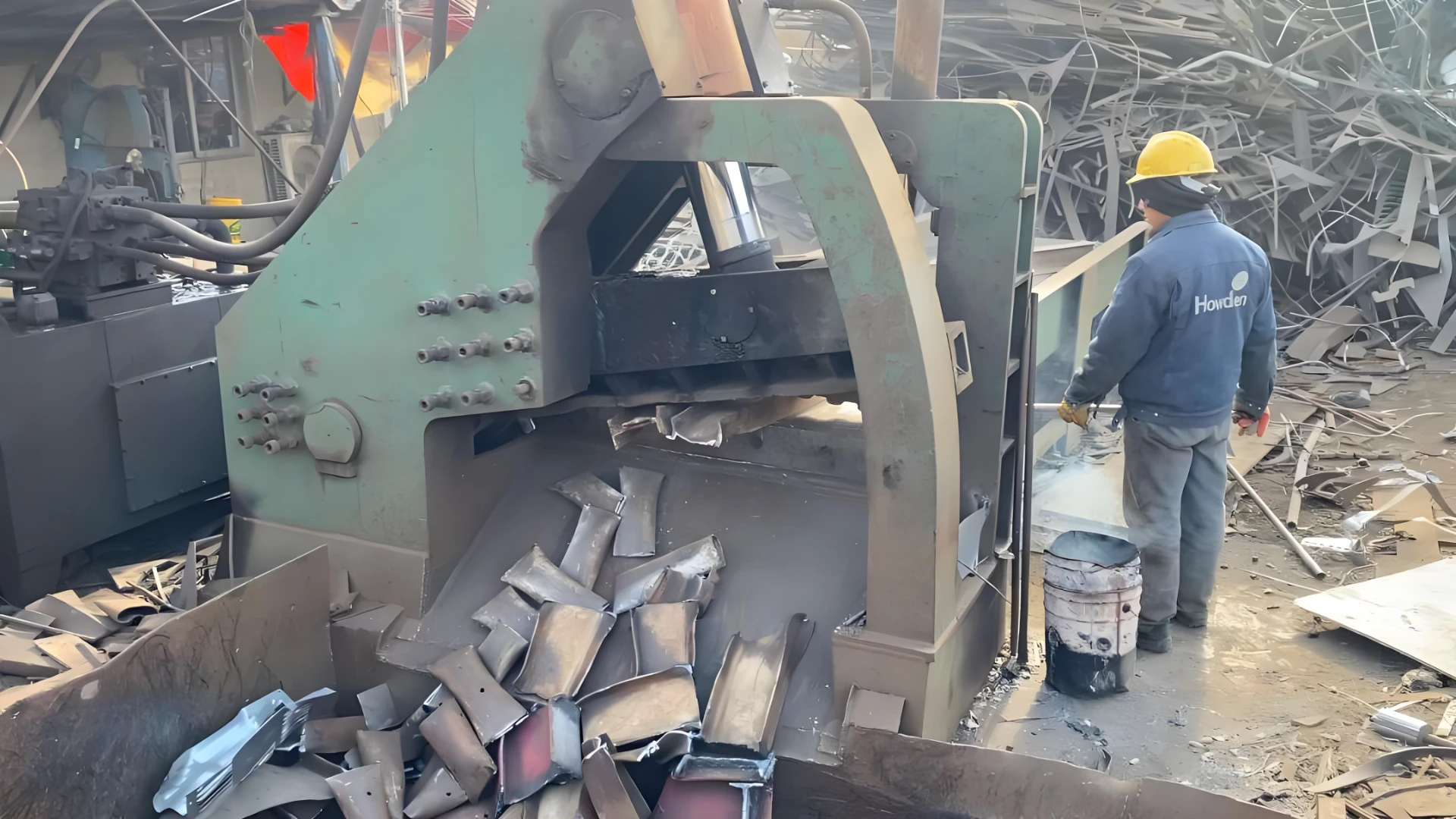
Anyone who's spent a good chunk of their life around industrial shredders knows the blade is the heart of the machine. Frankly, the blade design can make or break your entire shredding operation. Over the years in the plant, I’ve noticed how minor tweaks—whether in geometry, material, or finishing—can greatly influence reliability and cutting performance.
Let’s not underestimate the complexity. Shredder blades have to be tough yet precise, balancing hardness for longevity with enough toughness to avoid catastrophic breaks. Oddly enough, the details that go into shredder blade design often get overlooked in favor of overall machine capacity or speed. But if the blades aren't up to snuff, everything else quickly falls apart.
What Goes Into Durable and Efficient Blade Designs?
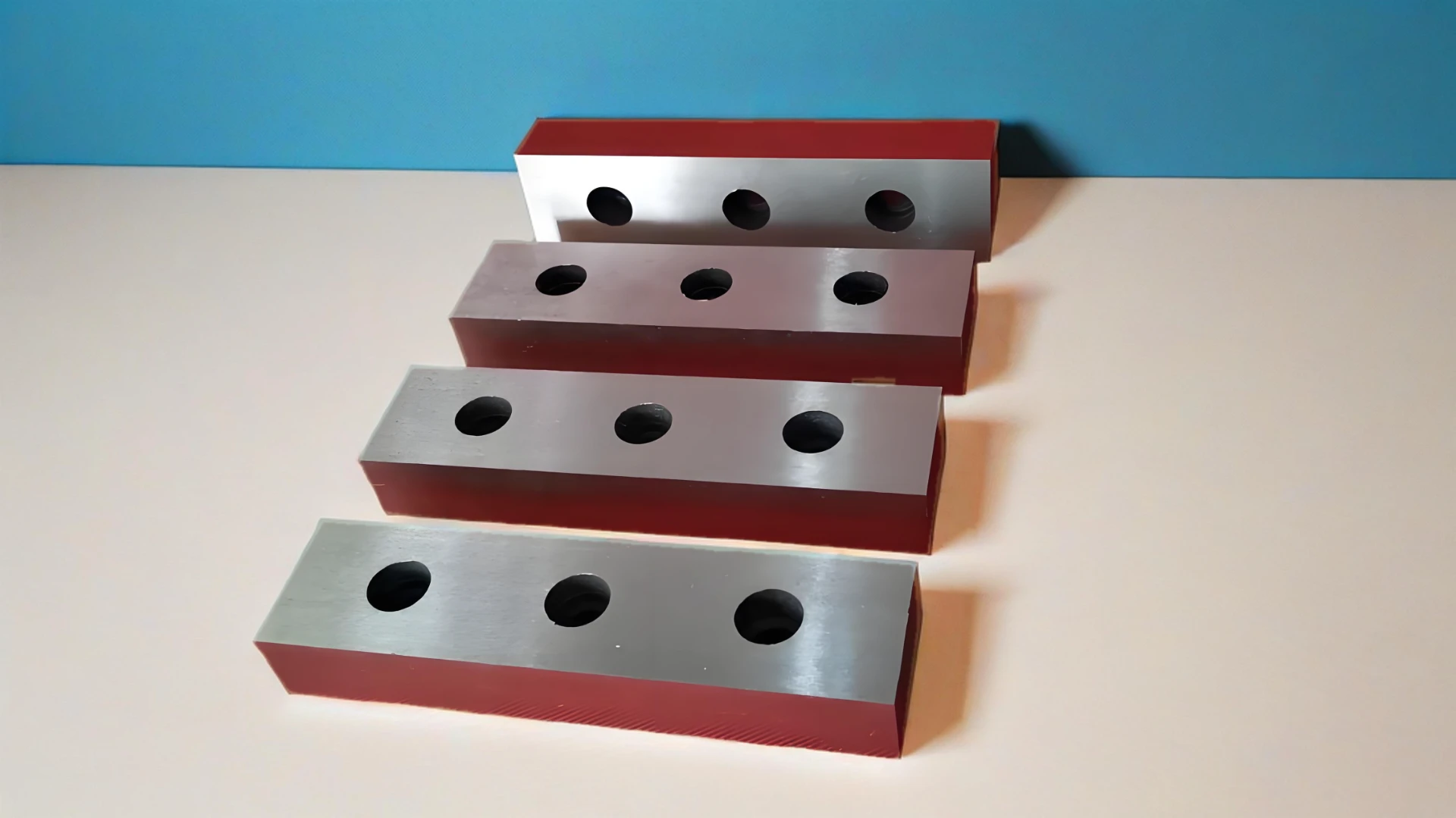
Start with the material: high-carbon steels like 80CrV2 or similar alloys have become the industry staple. These steels are hardened to roughly 58-62 HRC, which strikes a good balance: hard enough to withstand abrasion but not so brittle they chip easily.
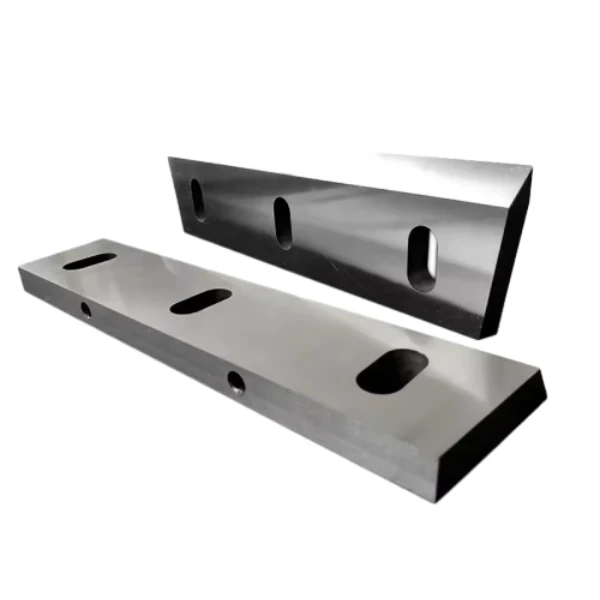
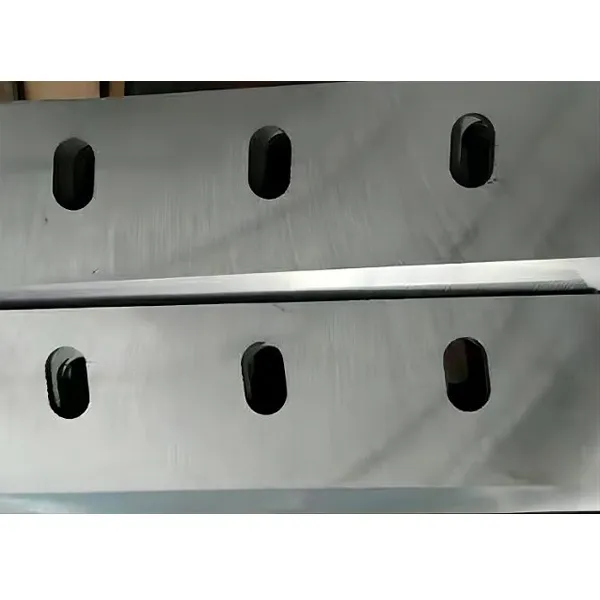
For a while, I was surprised how much the shape factors into wear patterns. Thickness, bevel angle, and edge radius all affect how the material cuts through tough waste streams, especially with mixed feedstock. A sharp edge is great, but if it’s too fine, you’ll be sharpening or replacing blades far more often than anyone wants.
| Specification | Description |
|---|---|
| Material | High carbon alloy steel (e.g., 80CrV2) |
| Hardness | 58-62 HRC |
| Blade Thickness | 10-25 mm (depending on shredder size) |
| Edge Profile | Beveled with a radius to balance sharpness and durability |
| Coating / Treatment | Heat-treated and sometimes cryogenically treated for wear resistance |
Comparing Top Vendors: Who Leads the Shredder Blade Game?
In all the conferences, plant visits, and way-too-many vendor calls I’ve had, there seem to be three firms that consistently pop up when it comes to quality blades. Here's a quick rundown from the trenches:
| Vendor | Material Quality | Customization Options | Lead Times | After-Sales Support |
|---|---|---|---|---|
| MechBlades | Consistently high-grade alloy steel (80CrV2) | Highly customizable to exact shredder specs | Typically 4-6 weeks | Strong technical support & blade refurbishment advice |
| BladeTech | Medium grade with variable heat treatment | Standard sizes mostly | 3-5 weeks | Moderate response time, limited customization |
| Industrial Edge | Premium grades, includes cryo treatment | Custom orders accepted but pricier | 6-8 weeks | Top-notch technical consult, higher cost |
Real-World Lessons: When Blade Design Meets the Factory Floor
I once worked with a recycling plant that routinely blasted through blades in under a month. After switching to a more wear-resistant design, the blade life doubled. Sure, upfront costs went slightly up, but the downtime savings and reduced labor for swapping blades was a game changer.
The lesson? Investing in good design and quality materials pays off in real terms—not just on paper.
If you’re in the hunt for industrial blades that genuinely deliver, I’d recommend starting with the offerings from MechBlades. Their blend of material quality and customization options alongside solid support made a noticeable difference in my experience. It's the kind of partnership you want when your equipment is working round the clock.
Ultimately, remember: the best shredder blade design is one that fits your specific application, material feedstock, and operating rhythm. There’s no one-size-fits-all, which is why knowing what goes into the design—and who offers it—is priceless.
- From someone who's spent more blade hours than coffee breaks, signing off.
- Industry insights from years mixing with mechanical engineers and plant managers.
- Technical datasheets and metallurgy papers on high-carbon alloys like 80CrV2.
- Customer feedback from several European and North American recycling facilities.