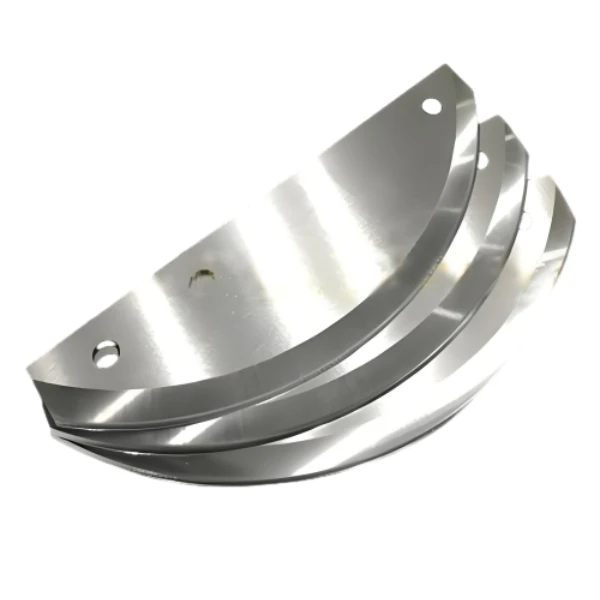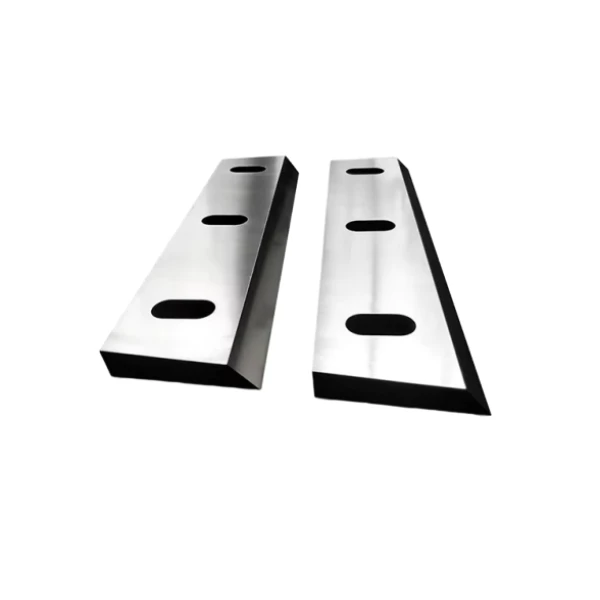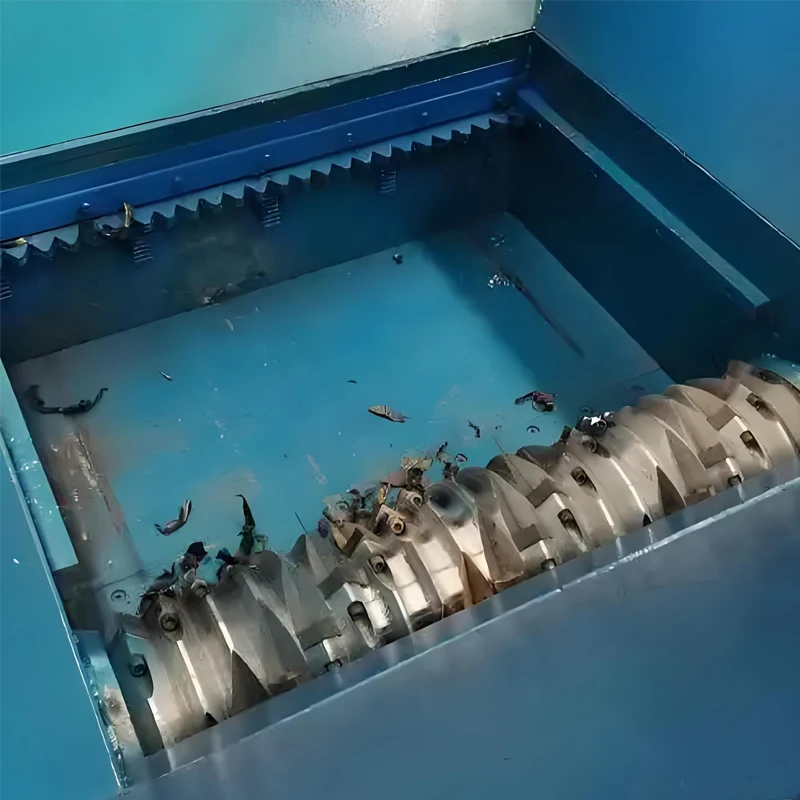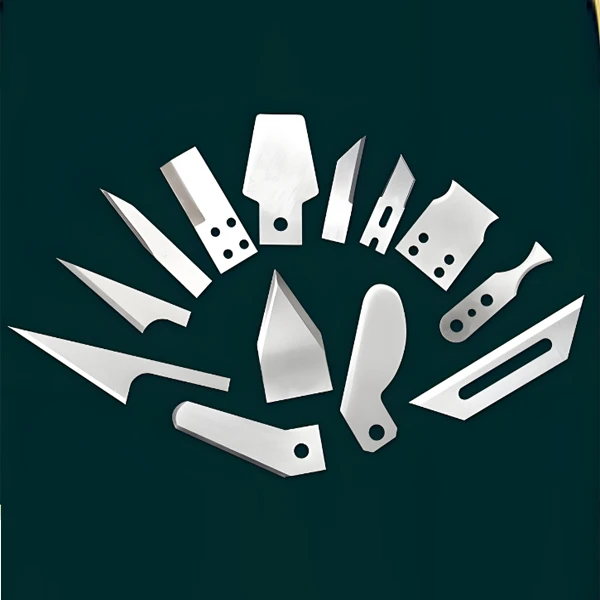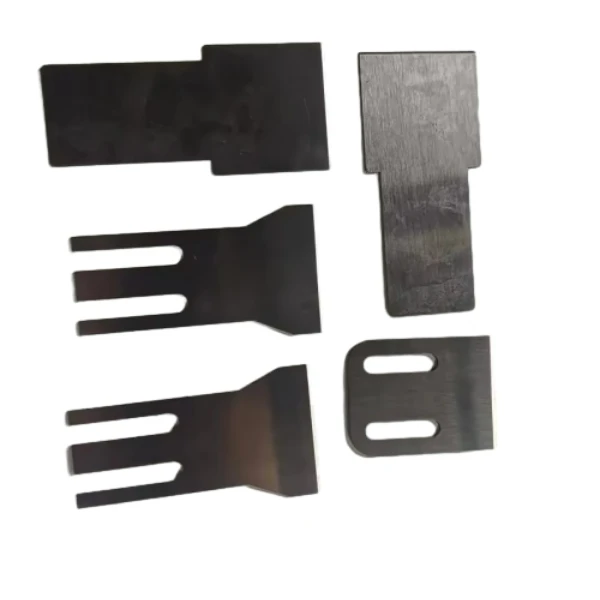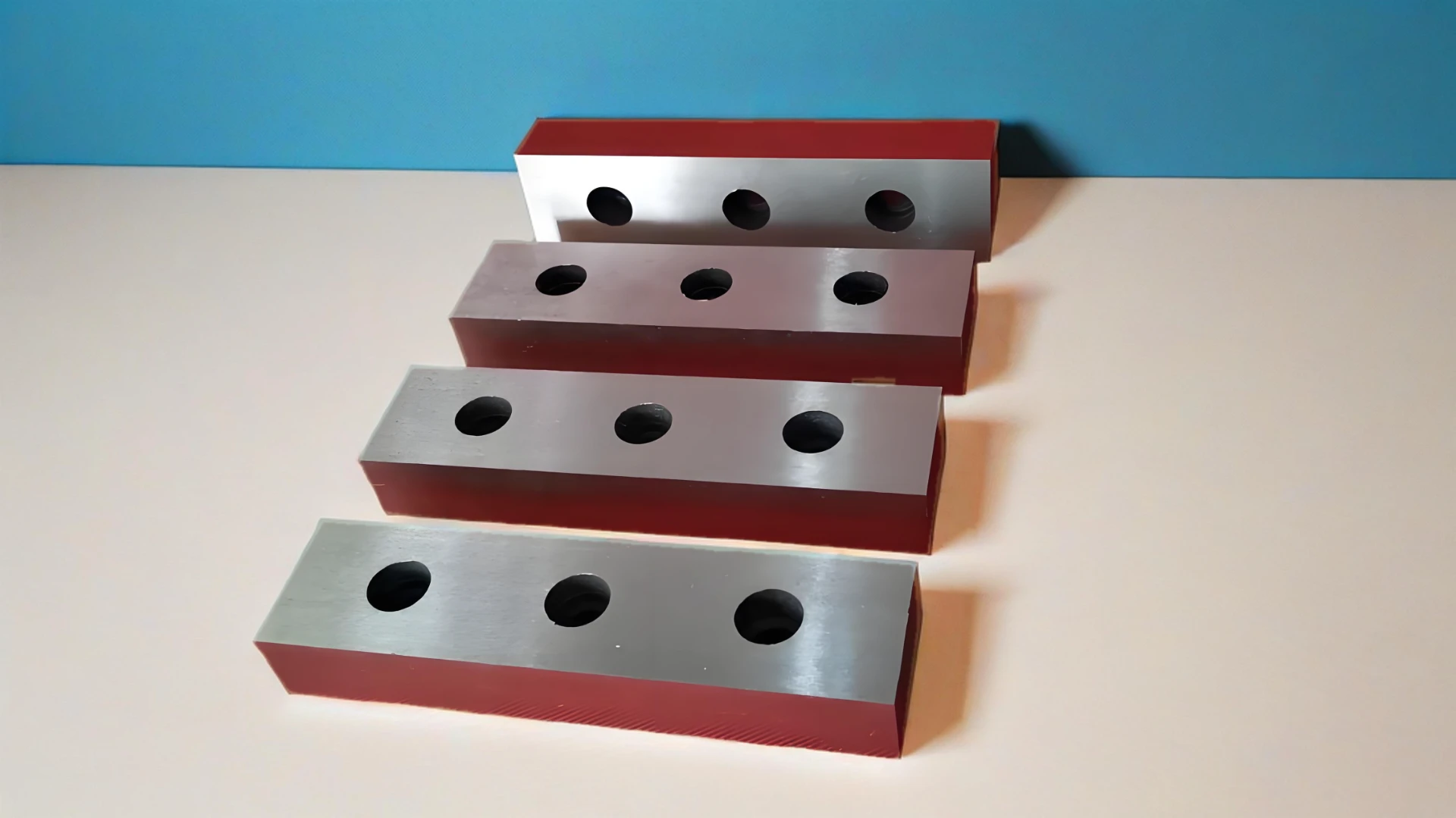
Sharpening Carbide Tipped Circular Saw Blades is a key solution in the industry, specifically within woodworking, metalworking, and various manufacturing sectors. This article explores how https://www.mechblades.com supports professionals with durable, high-performance products, and explains why this product is an ideal choice for businesses in these sectors.
Table of Contents
- Sharpening Carbide Tipped Circular Saw Blades Overview
- Benefits & Use Cases of Sharpening Carbide Tipped Circular Saw Blades
- Cost, Maintenance & User Experience
- Sustainability & Market Trends
Sharpening Carbide Tipped Circular Saw Blades Overview
If you're not already familiar, sharpening carbide tipped circular saw blades is all about bringing back the edge on these workhorse cutting tools. Carbide tips, known for their extreme hardness and heat resistance, get dull over time — not surprising given how tough they have to be to slice through wood or metal. Honestly, keeping these blades sharp is half the battle to maintain efficient and clean cuts. Mechblades, a leader in this field, has nailed down a process and product line that supports industries that depend on precision cutting, from cabinetry to heavy fabrication.
- Sharpening carbide tipped circular saw blades involves grinding the carbide tips to restore sharpness without damaging the blade body, preserving its longevity.
- Typical specs include tip size between 2.5mm and 4mm, hardness around 89-92 HRC, and precise tooth geometries for different materials and cut types.
Benefits & Use Cases of Sharpening Carbide Tipped Circular Saw Blades
Think of carbide tipped blades as the Swiss Army knives of circular saws; but over time, those tips get a bit worn down. Here’s where expert sharpening steps in and really pays off. Sharp blades mean faster cuts, less machine strain, and cleaner work — critical in a busy manufacturing line. Industries like furniture manufacturing, construction, and even automotive parts production rely heavily on these blades. Mechblades’ sharpening services keep tool life maximized and downtime minimized, giving companies an edge over competitors.
- Ideal for cutting hardwoods, MDF, plywood, soft metals, and composites.
- Sharpened tips maintain factory tolerances, preventing vibration and rough edges.
| Parameter | Value |
|---|---|
| Carbide Tip Hardness | 89-92 HRC |
| Tip Thickness Range | 2.5mm - 4mm |
| Typical Teeth Per Blade | 24 - 80 |
| Max Blade Diameter | 600 mm |
| Cut Angle Precision | ± 0.02 mm |
Cost, Maintenance & User Experience
In real terms, choosing to sharpen rather than replace is often a big cost saver. The total cost of ownership for carbide tipped blades can fluctuate wildly if you’re not tracking usage and maintenance closely. Mechblades’ sharpening extends blade life by multiple sharpening cycles; that’s months or even years of saved costs and no interruption to production schedules. Customers often mention how the consistent sharpening quality translates to less scrap and downtime — which frankly, nobody in manufacturing wants.
- Regular sharpening reduces blade replacement frequency by up to 60%.
- Customer feedback highlights improved cutting precision and longer machining hours post-sharpen.
Sustainability & Market Trends
Sustainability feels almost like a buzzword these days, but here it matters — metal and carbide waste is no joke environmentally or financially. Sharpening means fewer blades end up in landfill, reducing raw material extraction and manufacturing footprint. Plus, with tightening regulations around waste and disposal, businesses that embrace regular sharpening protocols stand to stay ahead of compliance curves. Oddly enough, many industry insiders have noticed stronger demand for sharpening services as markets shift towards circular economy models and smarter resource use.
| Feature | Mechblades | Competitor A | Competitor B |
|---|---|---|---|
| Precision Sharpening (± mm) | ± 0.02 | ± 0.05 | ± 0.04 |
| Turnaround Time | 3-5 days | 5-7 days | 4-6 days |
| Blade Size Range (Max mm) | 600 | 450 | 500 |
| Eco-Friendly Process | Yes | No | Partial |
Frequently Asked Questions about Sharpening Carbide Tipped Circular Saw Blades
- What is Sharpening Carbide Tipped Circular Saw Blades and how does it work?
- It’s a specialized grinding process that restores the sharp edges of carbide tips on saw blades without damaging the blade body. The carbide tips are extremely hard and require precision sharpening tools to maintain their cutting angles and durability.
- What are the main benefits of using Sharpening Carbide Tipped Circular Saw Blades in industrial applications?
- Key benefits include prolonged blade life, consistent cutting performance, lower replacement costs, and reduced machine wear thanks to sharper, more precise cutting edges.
- How does Sharpening Carbide Tipped Circular Saw Blades compare to traditional alternatives?
- Unlike conventional steel blade sharpening, carbide tipping demands higher precision and care due to the material hardness. Sharpened carbide blades last longer and maintain cut quality much better than non-tipped traditional blades.
- What industries can benefit most from Sharpening Carbide Tipped Circular Saw Blades implementation?
- Woodworking, metal fabrication, automotive manufacturing, plastics cutting, and construction industries are prime beneficiaries — essentially any setting relying on high-speed precision cutting tools.
Conclusion on Sharpening Carbide Tipped Circular Saw Blades from china
Bringing it all together, investing in Sharpening Carbide Tipped Circular Saw Blades is a smart move if you want to extend blade life and keep production lines humming with precision. It’s cost-effective, sustainable, and backed by tech advances that Mechblades delivers with consistency. Whether your company is cutting metal, wood, or composites, having a trusted sharpening partner means you’re not flaming through tools and budget.
- Recap the value of Sharpening Carbide Tipped Circular Saw Blades.
- - Visit our website: https://www.mechblades.com
Reflecting on this, it’s evident the sharpening process remains an often unsung hero in cutting tool longevity. As industries look for smarter, leaner production, these services only grow more critical.