What Real-World Shredder Blades Design Looks Like in 2025
If you ask operators what actually moves the needle, they’ll tell you it starts with [Shredder Blades Design] that survives impact, keeps edges honest, and doesn’t choke the line. I’ve spent enough time on recycling floors to know: the right geometry and metallurgy beat “bigger motor” every time.
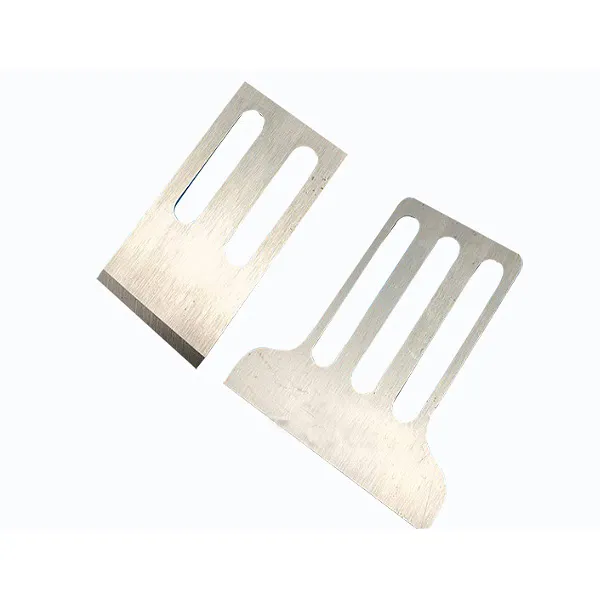
What’s special about these blades
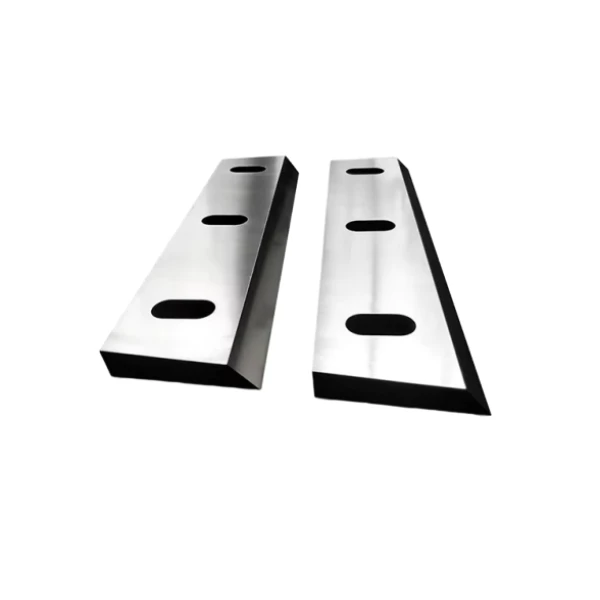
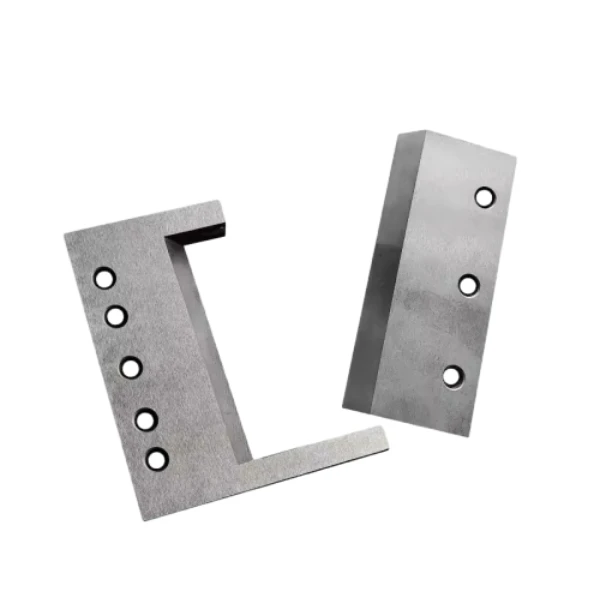
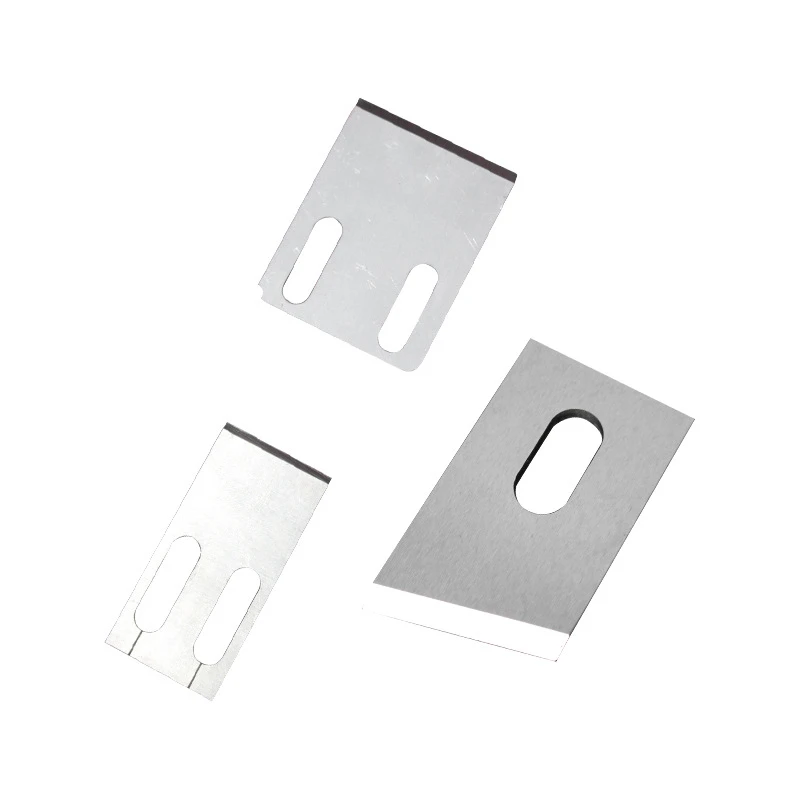
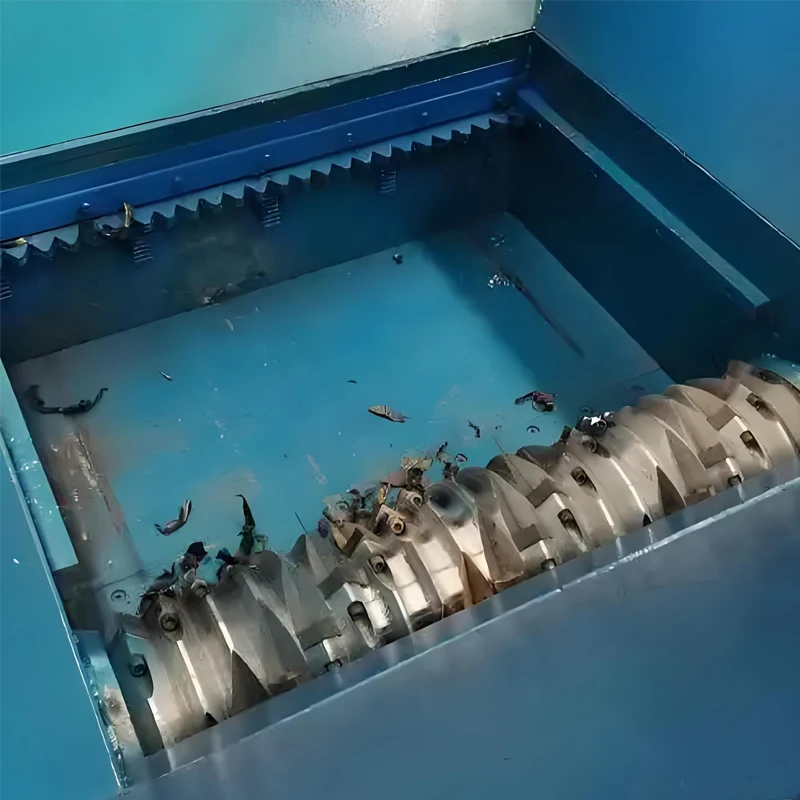
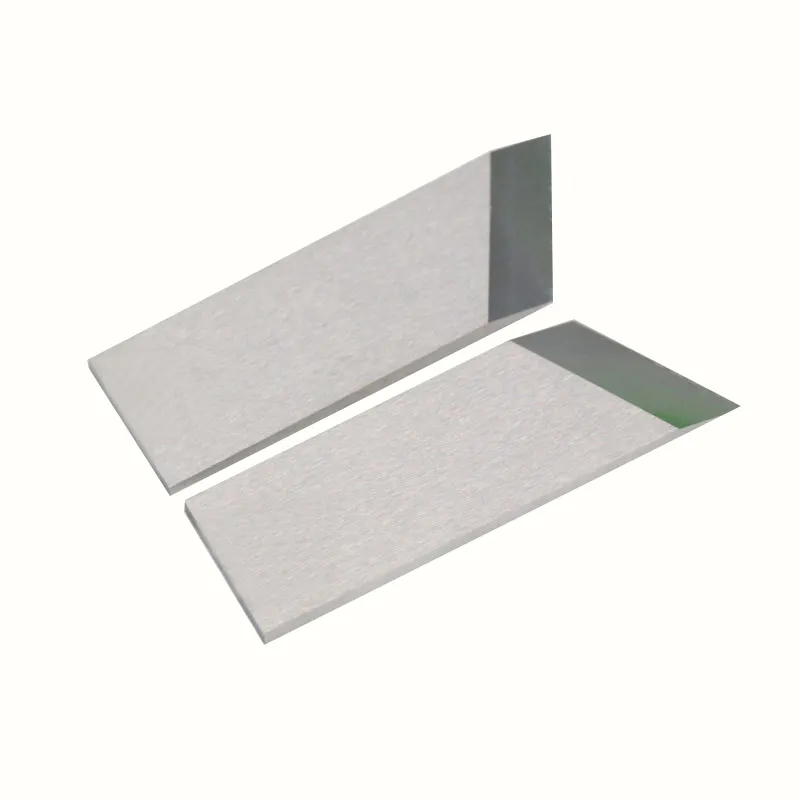
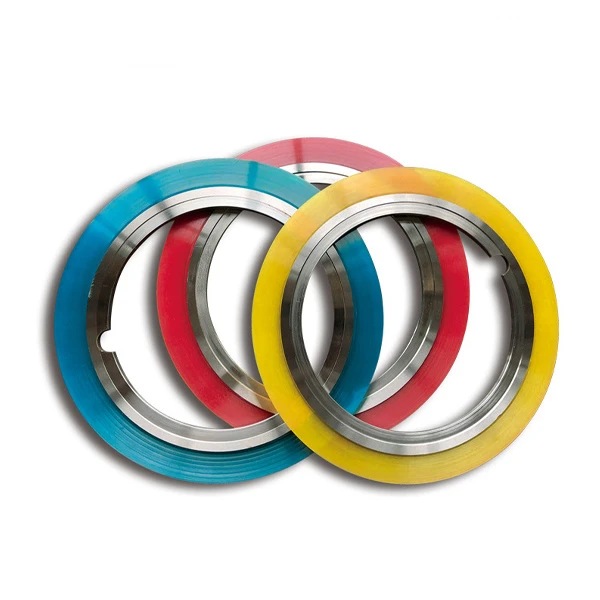
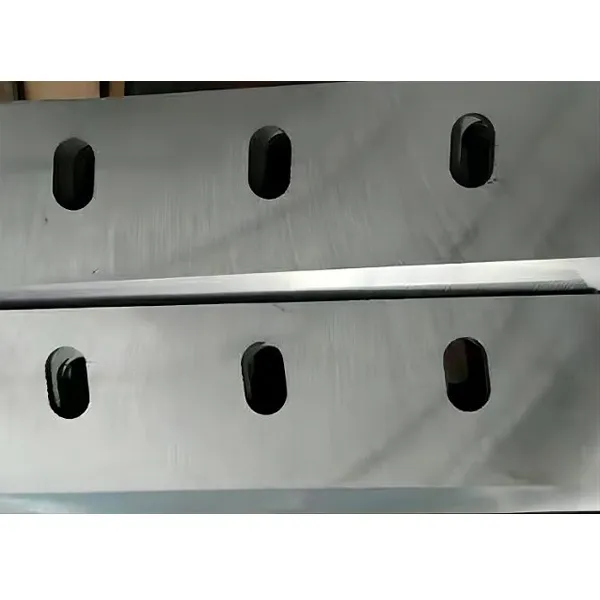
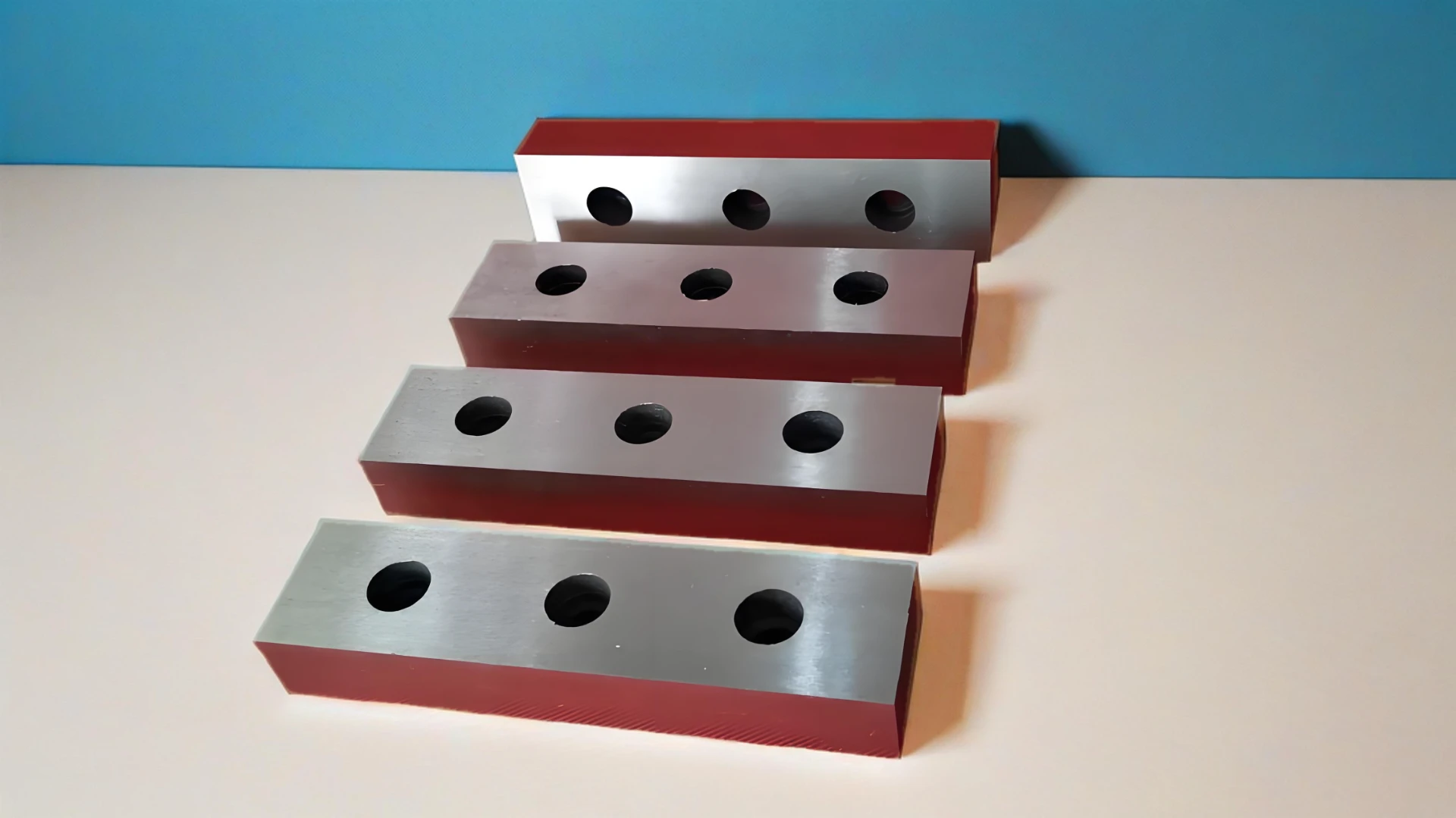
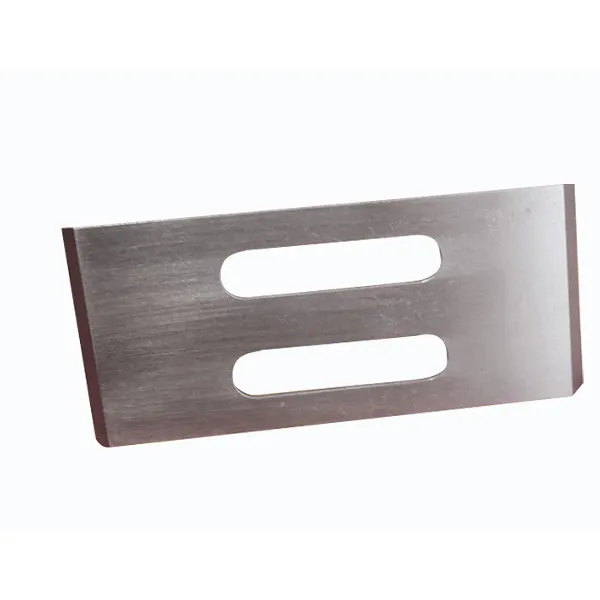
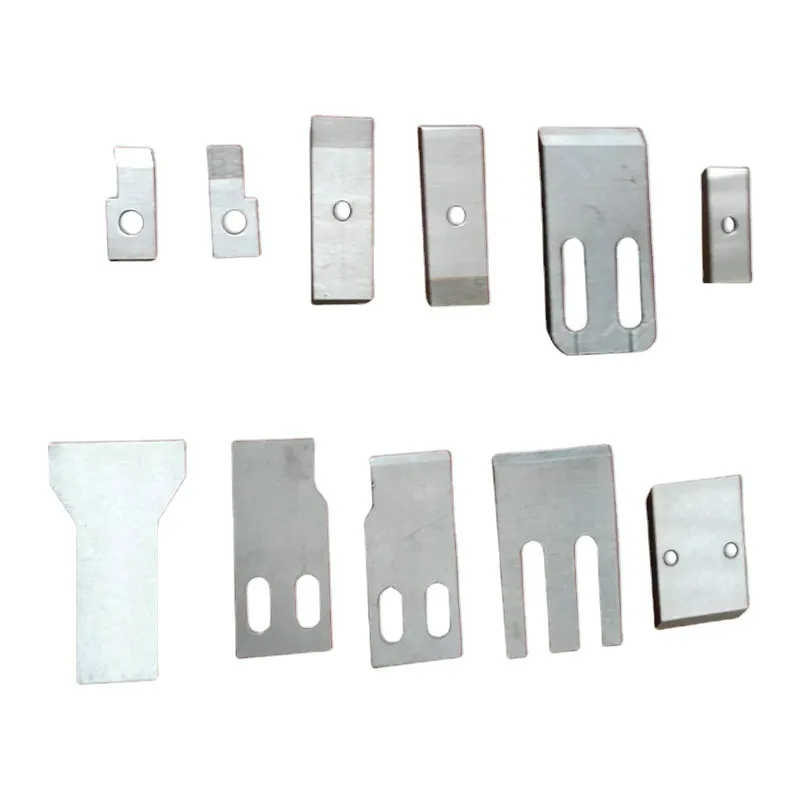
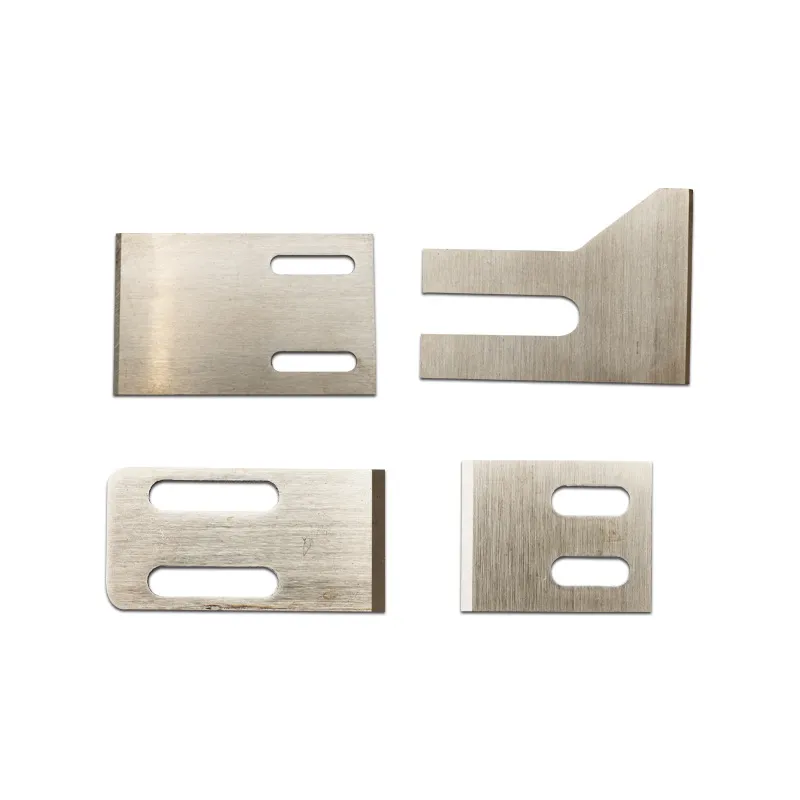
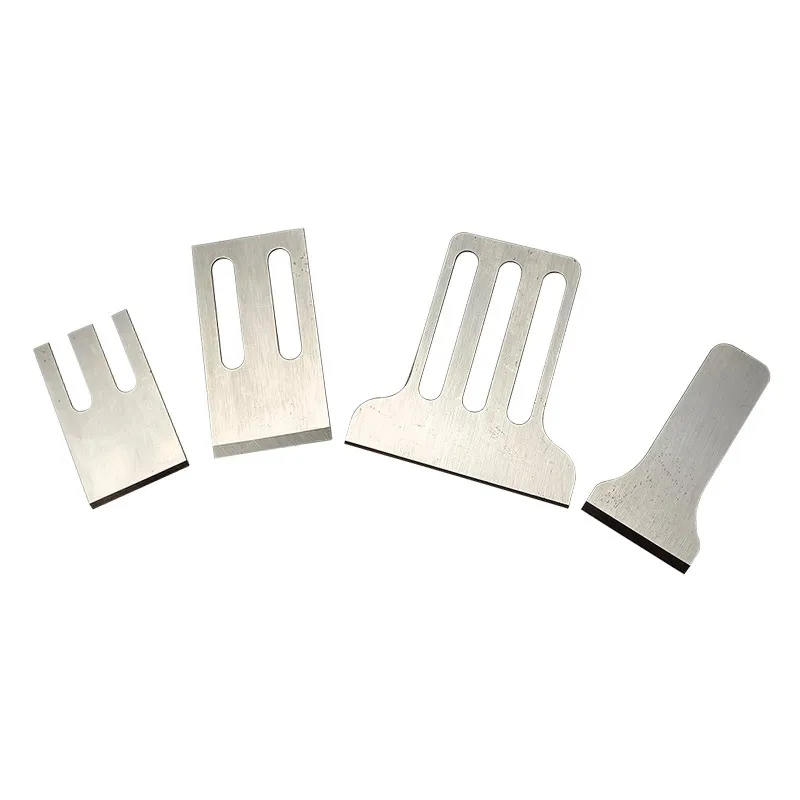
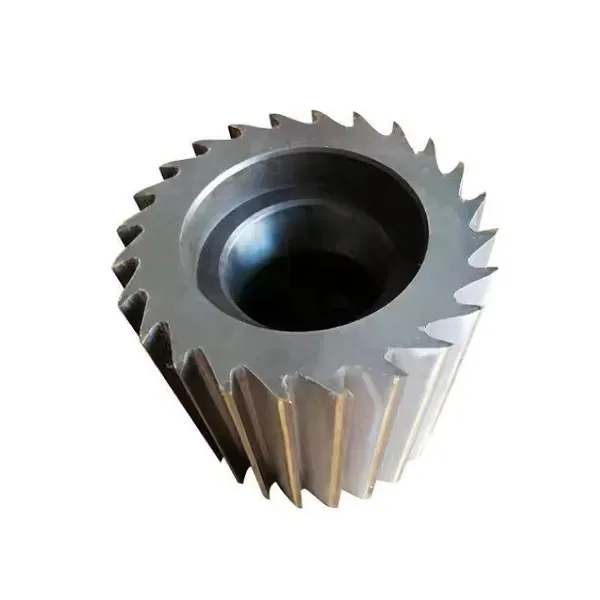
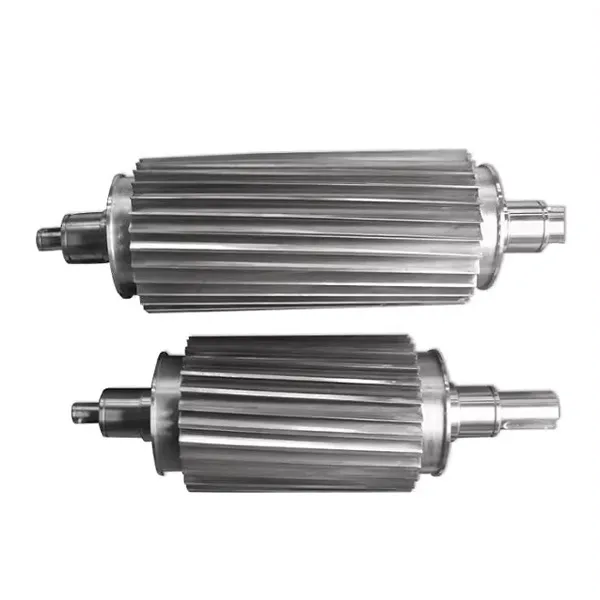
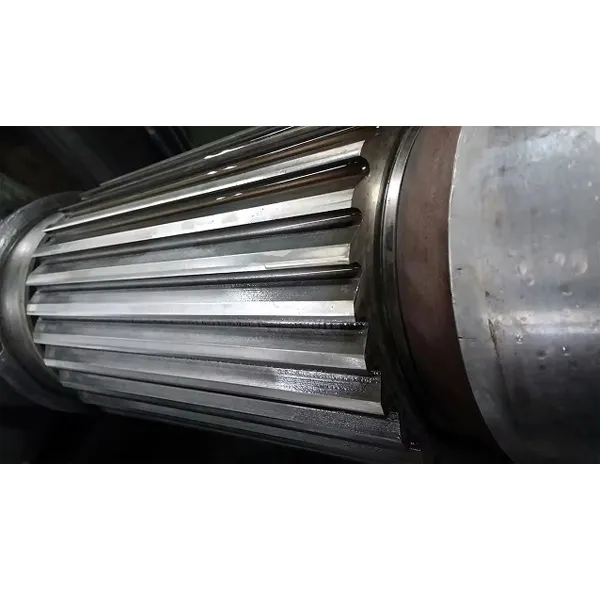
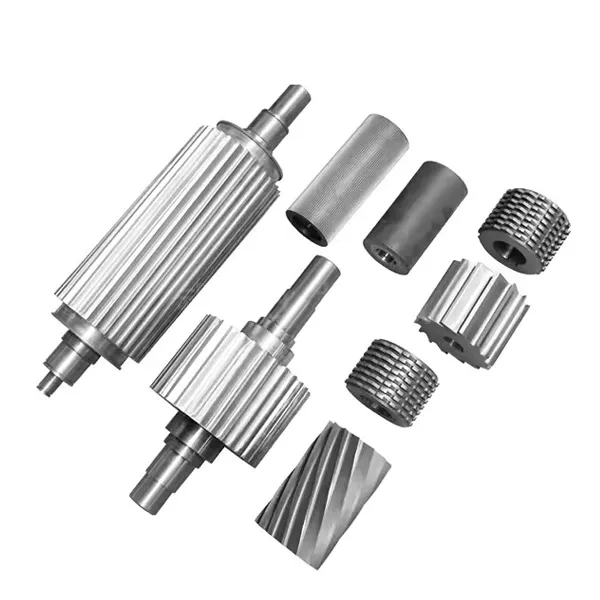
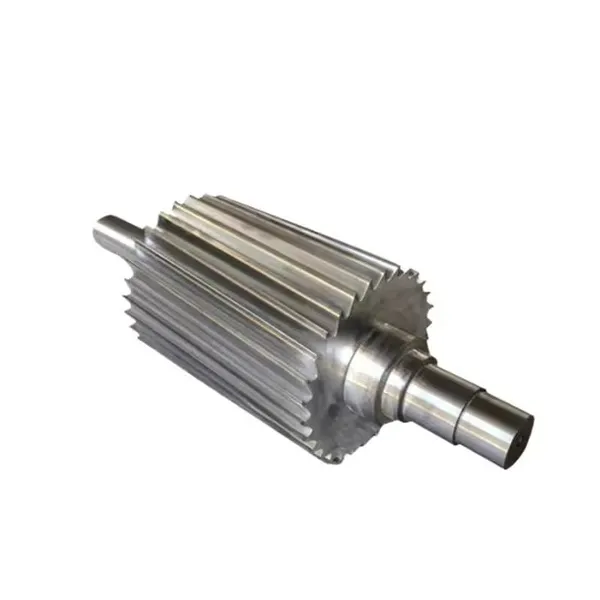
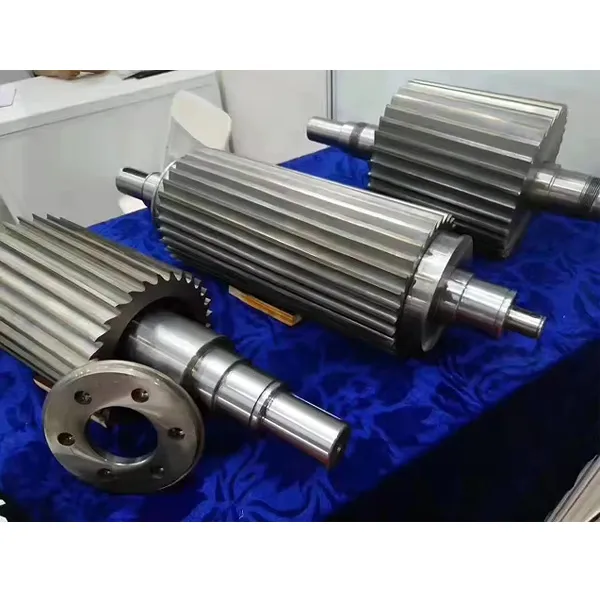
The Solid Waste Recycling, Decomposition, And Granulation Machine Blades pair a high-impact decomposition blade (primary breaking and component separation) with a fine-tuned granulation blade (particle shaping). In practice, that two-stage approach shines in plastics, WEEE/e-waste, and even stubborn C&D waste. Many customers say power draw stabilizes and fines become more predictable once they dial in the gap and feed rate.
Industry trends I’m seeing
- Move from generic tool steel to alloy/hard alloy hybrids with tough coatings.
- Predictive maintenance: track edge wear from current draw and vibration.
- Design for recyclability: controlled chip size to feed optical sorters.
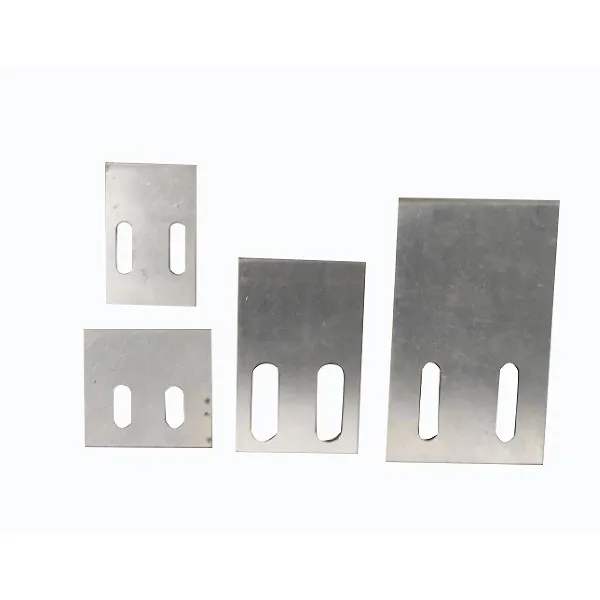
Product snapshot
| Blade type | Material | Hardness (HRC) | Coating | Edge geometry | Service life |
|---|---|---|---|---|---|
| Decomposition | Alloy steel / hard alloy | ≈ 52–58 | Carbide-enhanced (optional) | Aggressive hook + breaker | ≈ 800–2,000 h (real-world) |
| Granulation | Wear-resistant tool steel | ≈ 56–62 | TiN/TiCN or hardfacing | Shear/slicer profile | ≈ 600–1,500 h |
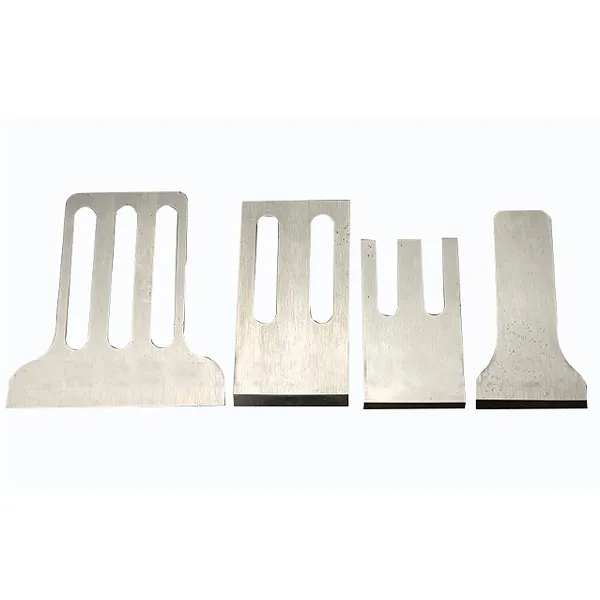
Process flow (how they’re built)
Materials: alloy steel and hard alloy grades selected per ISO 4957/ASTM A681. Heat treatment: oil or vacuum quench, triple tempering. Machining: CNC grinding to tight axial runout; edge radius controlled to ≈0.05–0.2 mm. Coatings: PVD/CVD or hardfacing overlays for abrasive streams. Testing: Rockwell (ISO 6508-1), impact/Charpy (ISO 148-1), wear (ASTM G65), dimensional (ISO 2768). I’ve seen test sheets include microstructure verification (tempered martensite target).
Applications and feedback
Use cases: PET/HDPE, film/ag stretch, PCB/e-waste (IEC 62635 streams), tires, aluminum profiles. One maintenance lead in Ohio told me granulator jam events dropped by “about a third” after switching to Shredder Blades Design with a slightly larger hook angle—small tweak, big payoff.
Advantages I care about
- Stable particle size for downstream sorting; less regrind loop.
- Edge retention on abrasive loads (glass-filled plastics, FR4).
- Predictable wear maps, so tool-change windows are clearer.
Vendor comparison (field-notes summary)
| Vendor | Steel grade | Heat treat | Lead time | Certs |
|---|---|---|---|---|
| Mechblades (Changzhou, CN) | Alloy/hard alloy per ISO 4957 | Vacuum + triple temper | ≈ 2–5 weeks | ISO 9001 |
| Vendor A | Generic tool steel | Oil quench | ≈ 4–8 weeks | — |
| Vendor B | Carbide-tipped | Controlled atmosphere | ≈ 6–10 weeks | ISO 9001 |
Customization that matters
Options: hook angle and pitch tuning, stagger patterns, bushings for mixed loads, and coatings aligned to silica-laden streams. Factory origin: No.22, North of Tangxiqiao, Luoxi Town, New North Area, Changzhou City, Jiangsu Province, China. 213002.
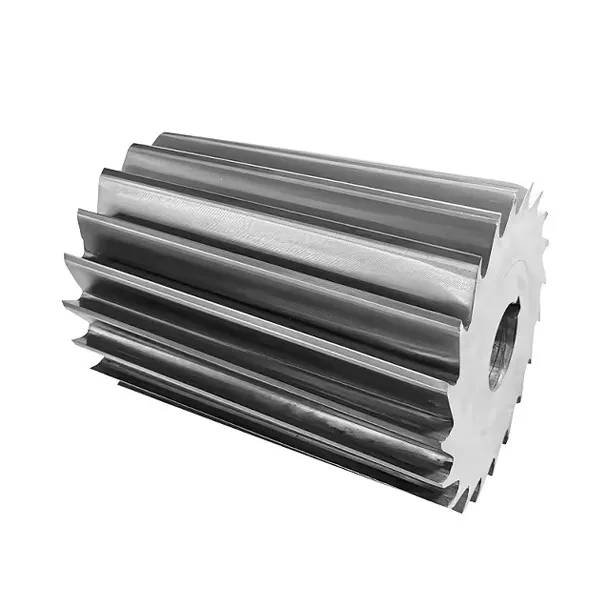
Case data (real plants, tidy numbers)
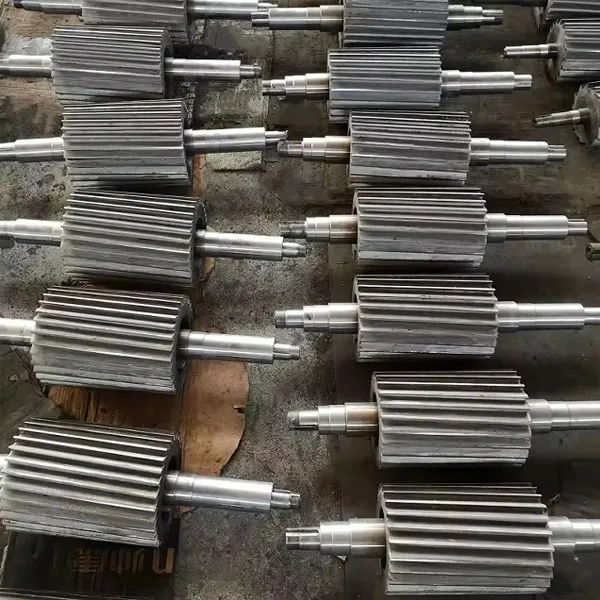
- Vietnam PET line: energy down ≈ 9%, OEE up ≈ 6% after Shredder Blades Design swap; wear audit per ASTM G65 showed ≈ 14% lower volume loss.
- Poland WEEE: PCB throughput +18%, dust load reduced, thanks to tighter granulation tolerance and improved shear angle.
Compliance and proof
Hardness per ISO 6508-1, wear per ASTM G65, and impact per ISO 148-1 are table stakes. Look for ISO 9001 process control and, when handling e-waste, alignment with IEC 62635 material streams. To be honest, if a vendor can’t share a heat-treat curve and microstructure snapshot, I’d keep shopping.