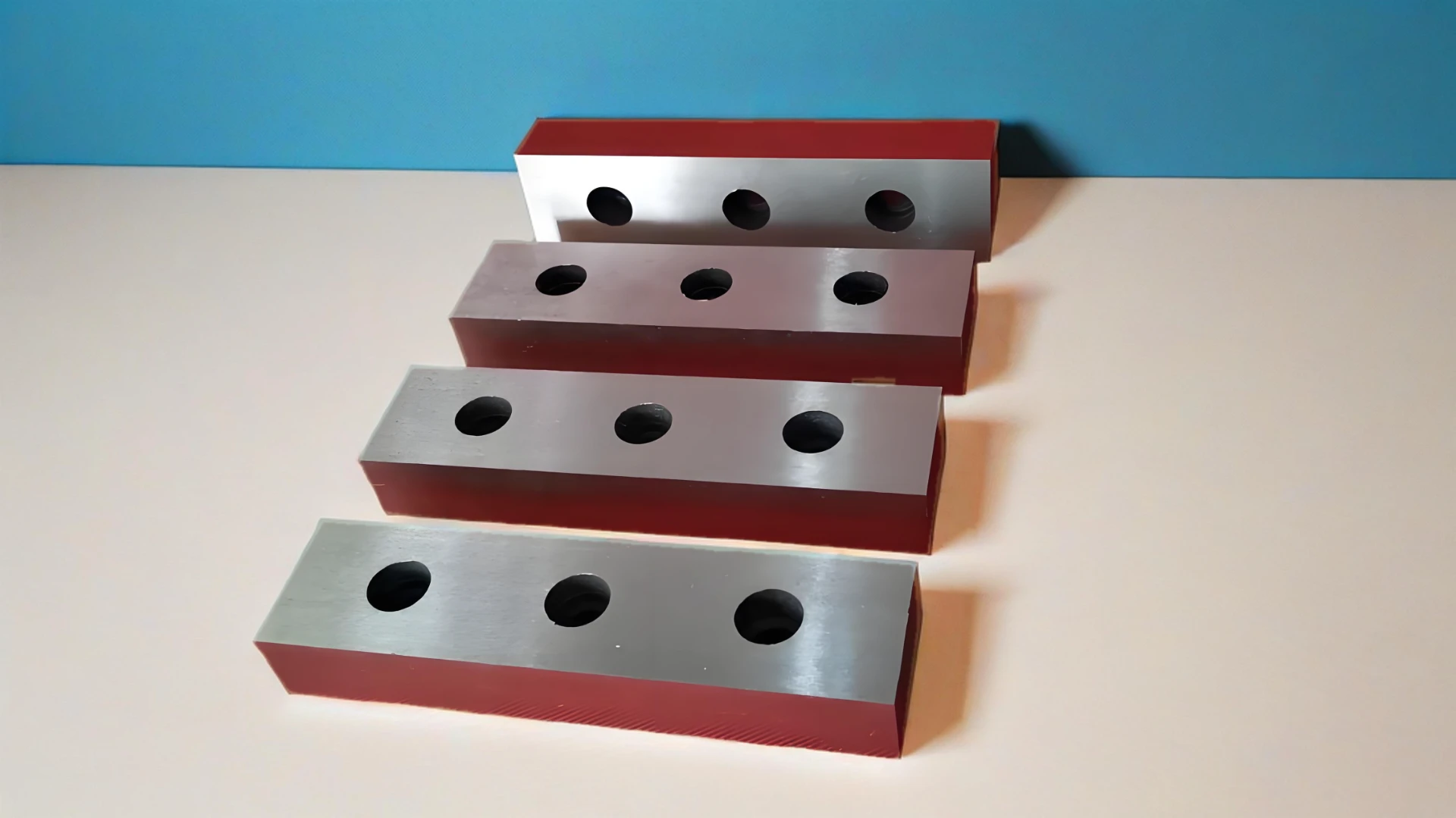
Understanding Circular Slitting Blades: A Comprehensive Guide
In the world of precision cutting, circular slitting blades are indispensable tools. These blades are crucial for efficiently and accurately dividing materials in a wide array of industries. This article dives deep into the intricacies of these blades, covering their uses, types, materials, and how to select the right blade for your specific needs. Whether you’re involved in paper converting, plastics processing, or non-woven fabrics, understanding these blades is key to optimizing your production processes.
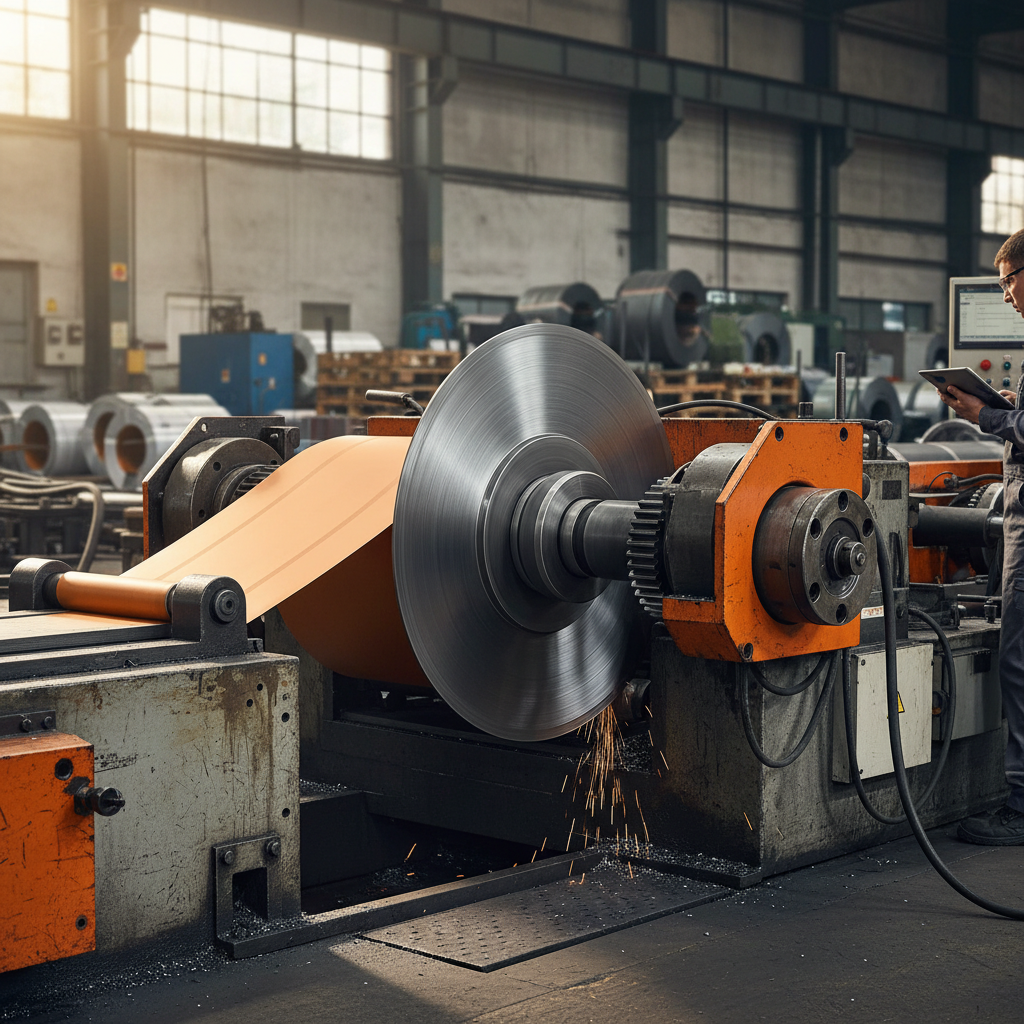
What are Circular Slitting Blades?
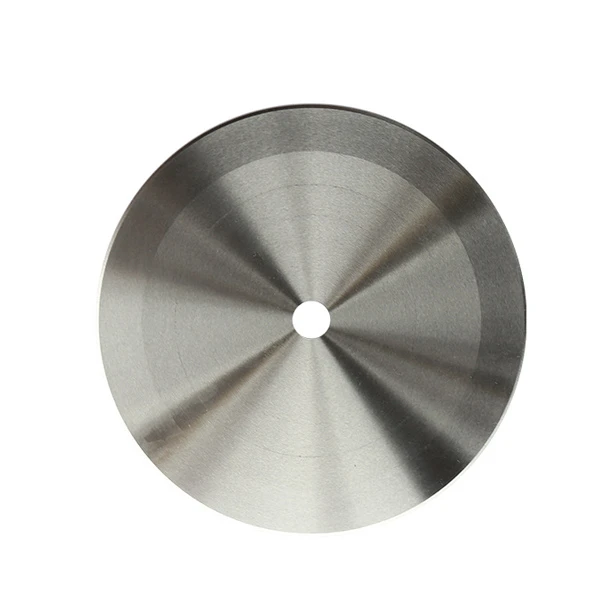
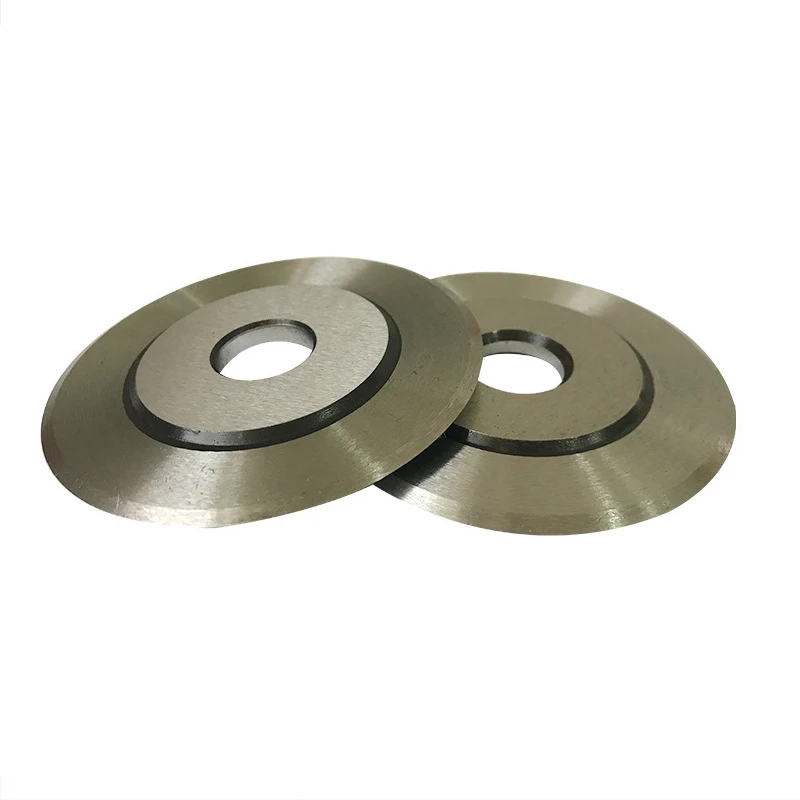
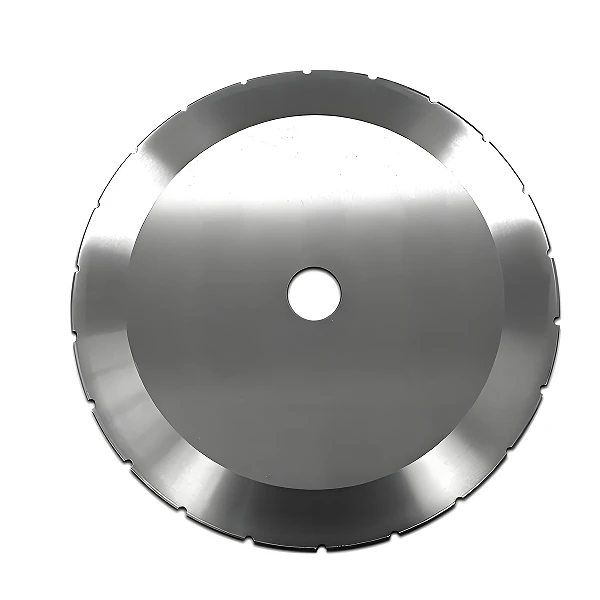
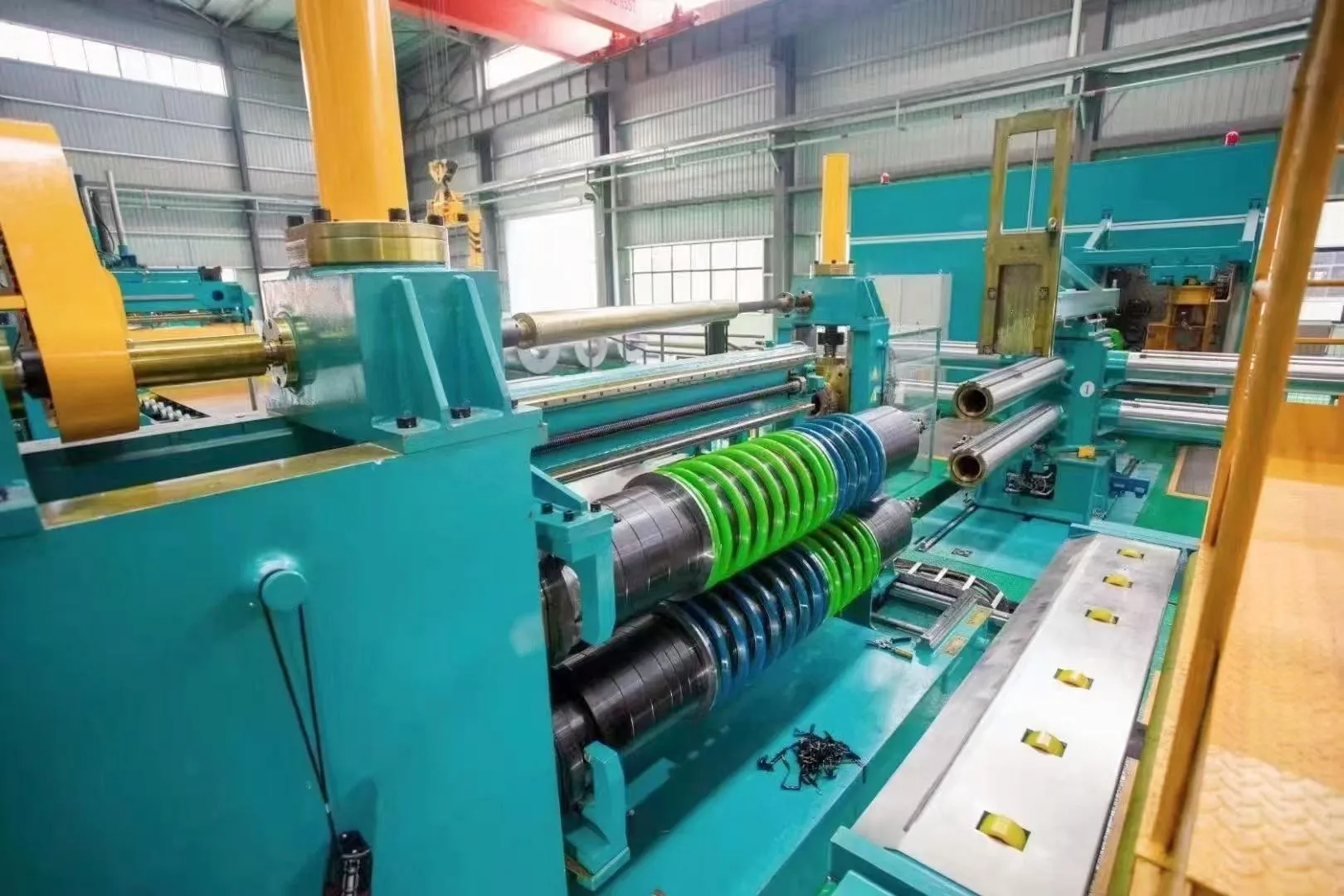
Circular slitting blades, also known as rotary slitters, are precision cutting tools designed to slice through continuous materials. They typically consist of a hardened steel body with a sharp cutting edge, mounted on a rotating shaft. These blades are essential for converting large rolls of material into narrower rolls or sheets. They are widely used in industries such as paper, plastic film, textiles, rubber, and non-woven fabrics. The efficiency and accuracy of these blades directly impact the quality and output of the finished products. Selecting the correct blade geometry and material is critical for achieving optimal results.
Key Benefits: High precision cutting, increased productivity, reduced waste, and versatile application across multiple industries.
Applications of Circular Slitting Blades
The versatility of circular slitting blades stems from their ability to handle a diverse range of materials and applications. In the paper industry, they're used for slitting paper rolls into smaller rolls for printing, packaging, and writing. In plastics processing, they are crucial for converting plastic films into various widths for packaging, laminating, and other applications. Textile manufacturers use them to slit fabrics for clothing, upholstery, and industrial purposes. Non-woven fabric producers rely on these blades for producing materials used in hygiene products, medical applications, and filtration systems. The precision offered by these blades ensures clean, consistent cuts, minimizing waste and maximizing product quality.
Common Applications:
• Paper converting: Slitting paper rolls for printing and packaging.
• Plastic film slitting: Producing rolls for packaging and laminating.
• Textile slitting: Cutting fabrics for various applications.
• Non-woven fabric slitting: Producing materials for hygiene and medical products.
Types of Circular Slitting Blades
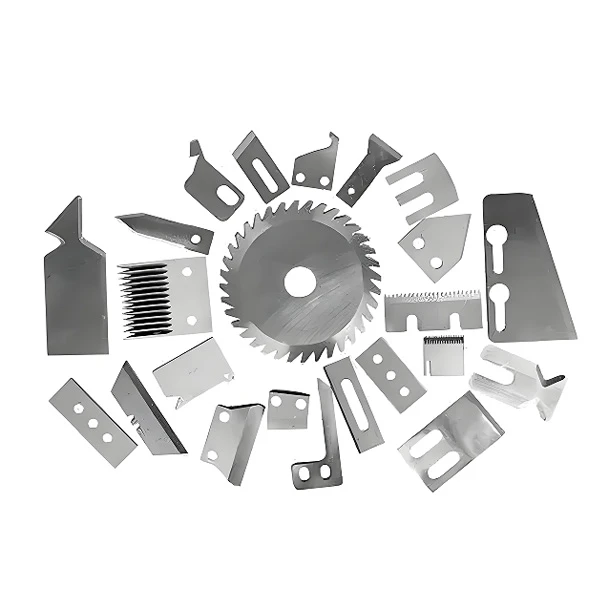
Circular slitting blades come in various configurations to suit different materials and applications. The most common types include:
Choosing the Right Material for Your Slitting Blade
The material of the blade is just as crucial as its type. Common materials include:
- High-Speed Steel (HSS): Cost-effective and suitable for a wide range of applications.
- Tungsten Carbide: Offers exceptional hardness and wear resistance, ideal for abrasive materials and high-speed cutting.
- Tool Steel: Provides a good balance of hardness, toughness, and wear resistance.
- Ceramic: Excellent for cutting highly abrasive materials, though more brittle than other options.
Ensuring Blade Longevity and Safety
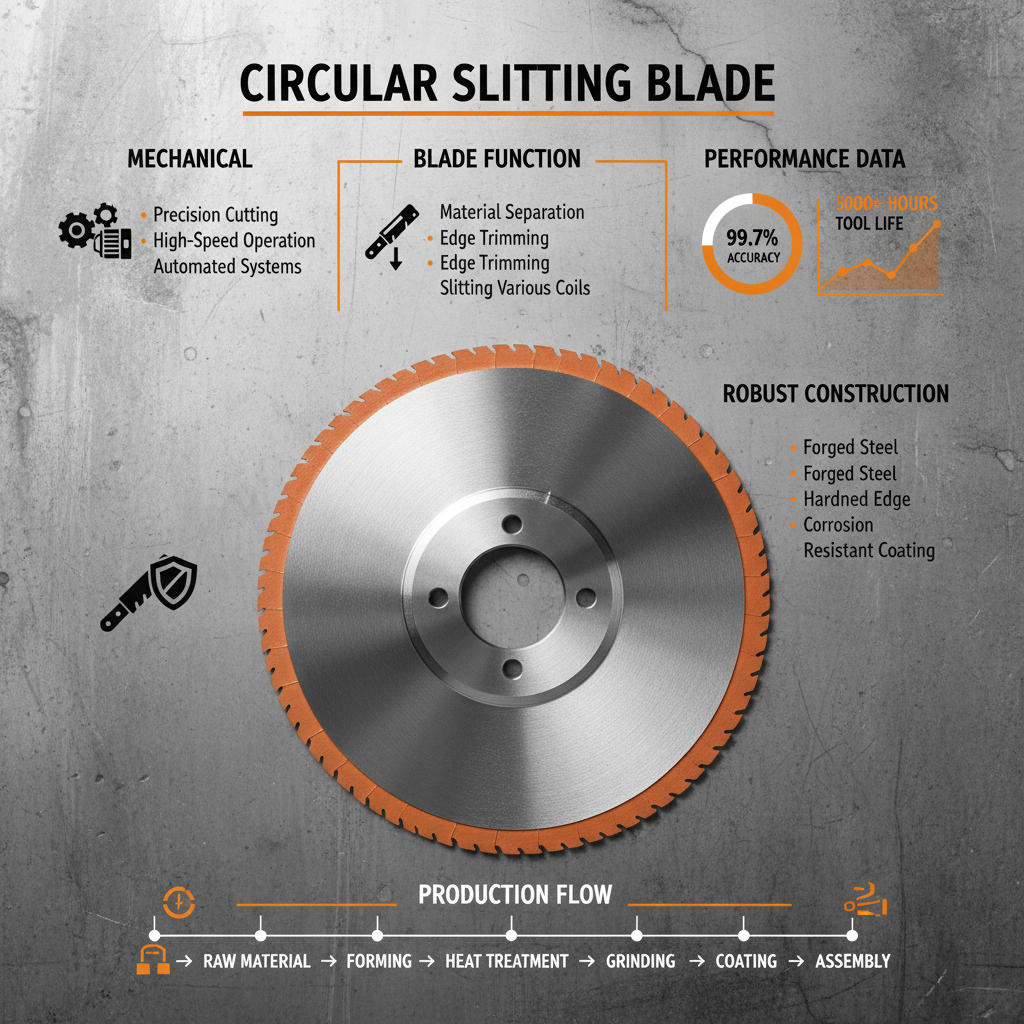
To maximize the lifespan and maintain safety, regular blade maintenance is essential. This includes keeping the blades clean, sharpening them when necessary, and properly storing them when not in use. Always follow safety precautions when handling and replacing blades, including wearing appropriate protective gear and using the correct tools. Inspect blades regularly for any signs of damage, such as cracks or chips. Proper care and maintenance will not only extend the life of your blades but also ensure a safe and efficient operation. For high-quality circular slitting blades and expert advice, MechBlades is your trusted partner.
Conclusion: Precision Cutting with the Right Blade
Choosing the right circular slitting blade is crucial for efficient and precise material processing. Understanding the different types, materials, and applications allows you to optimize your operations and achieve superior results. By prioritizing quality, maintenance, and safety, you can ensure long-lasting performance and a reliable cutting process.
Frequently Asked Questions (FAQs)
How often should I replace my circular slitting blade?
The replacement frequency depends on usage, material type, and blade quality. Generally, inspect blades after each shift or production run for signs of dullness, chipping, or damage. Sharpening can extend blade life, but eventually, blades will wear down and need replacement. For high-volume applications, consider replacing blades every 2-3 months, or sooner if performance degrades. Ignoring blade wear can lead to poor cut quality, increased waste, and potential safety hazards.
What safety precautions should I take when handling slitting blades?
Slitting blades are extremely sharp and pose a significant cutting hazard. Always wear cut-resistant gloves and safety glasses when handling blades. Use appropriate tools for blade installation and removal. Never attempt to sharpen a blade by hand. Keep hands and body parts clear of the cutting path during operation. Ensure the slitting machine is properly guarded and that all safety interlocks are functioning correctly. Proper training and adherence to safety protocols are essential.
How do I determine the correct blade width for my application?
The blade width should be slightly wider than the material being slit to ensure a clean cut. The specific width will depend on the material thickness and type. A general rule of thumb is to use a blade width that is 1.5 to 2 times the material thickness. Consult with a blade supplier or equipment manufacturer for specific recommendations based on your application. Using the wrong blade width can result in ragged edges, material buildup, or blade damage.
Where can I find high-quality circular slitting blades?
MechBlades offers a wide range of high-quality circular slitting blades to meet diverse industrial needs. We specialize in providing precision-engineered blades with exceptional durability and performance. Our team of experts can assist you in selecting the right blade for your specific application. We also offer custom blade manufacturing to meet unique requirements.