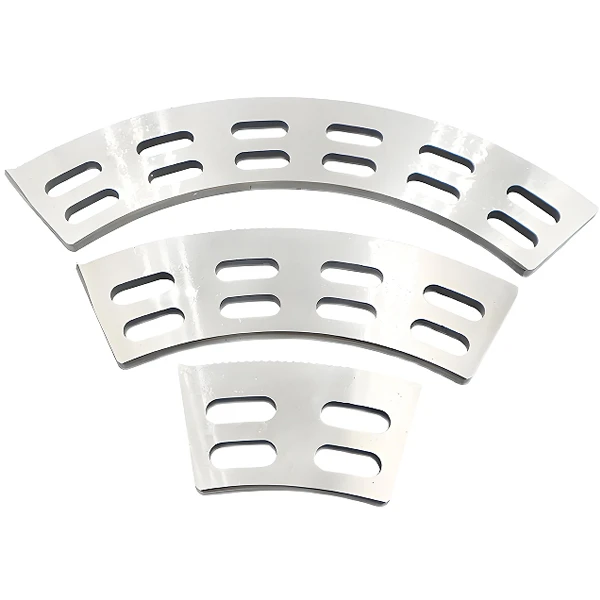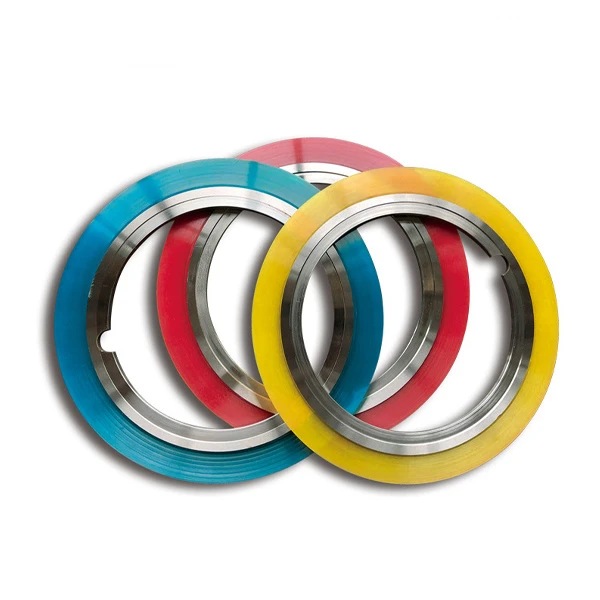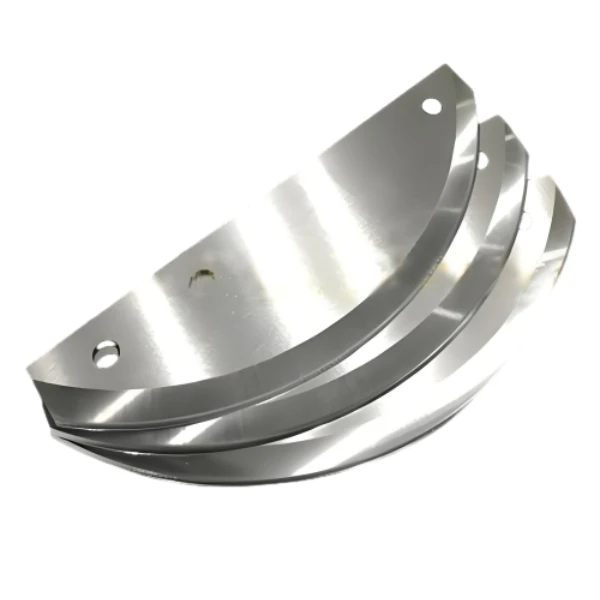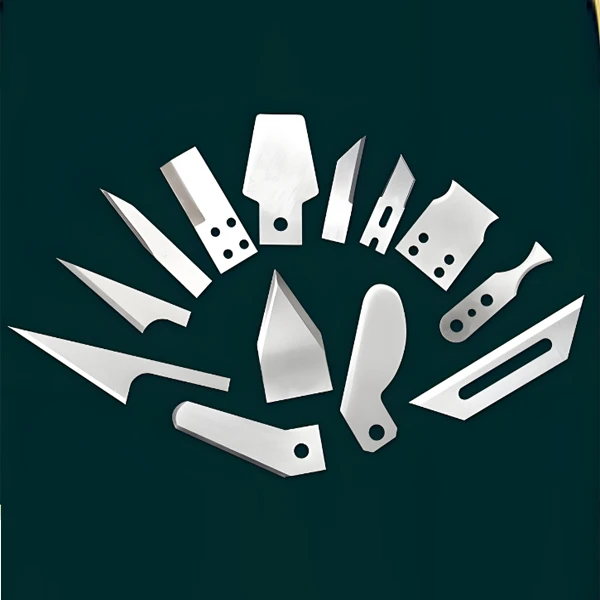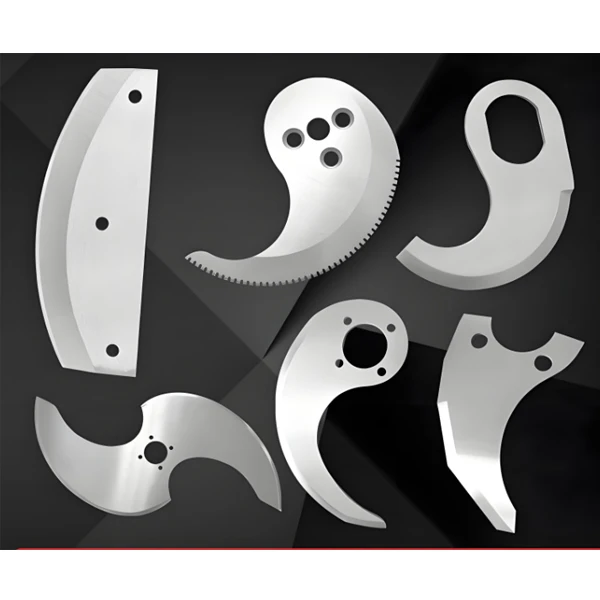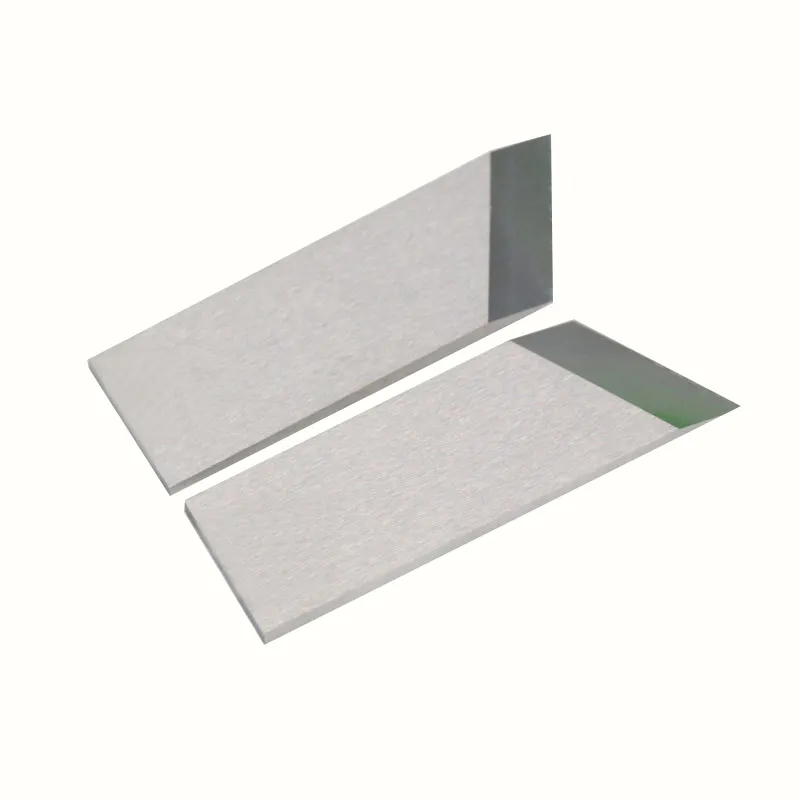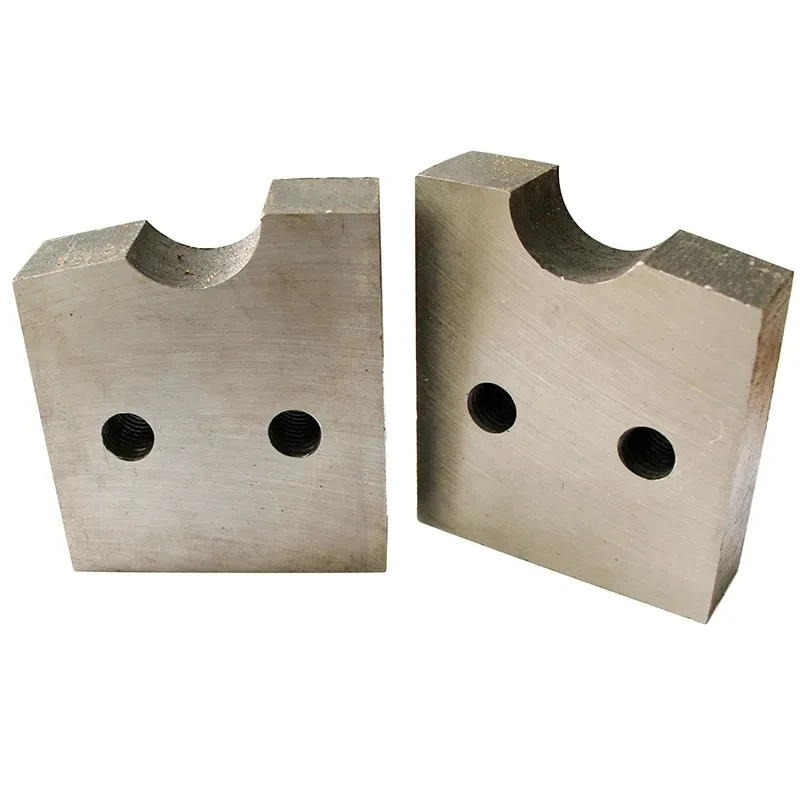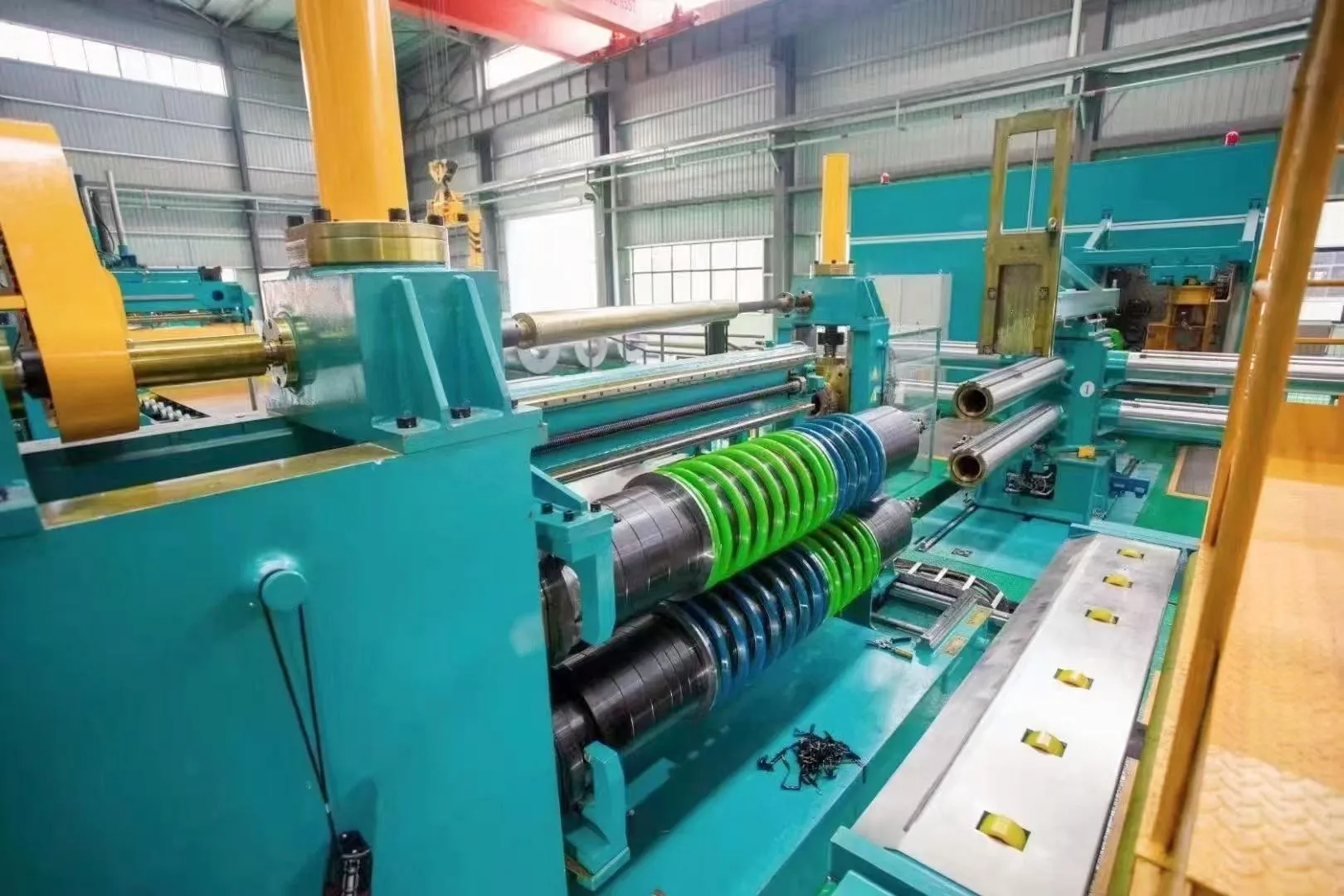
Carbide Blades For Multi Tool is a key solution in the industry, specifically within sectors that demand precision and endurance from their cutting equipment. This article explores how Mech Blades supports professionals with durable, high-performance products and explains why this product is an ideal choice for businesses in construction, manufacturing, and metal fabrication.
Table of Contents
- Carbide Blades For Multi Tool Overview
- Benefits & Use Cases of Carbide Blades For Multi Tool
- Cost, Maintenance & User Experience
- Sustainability & Market Trends
Carbide Blades For Multi Tool Overview
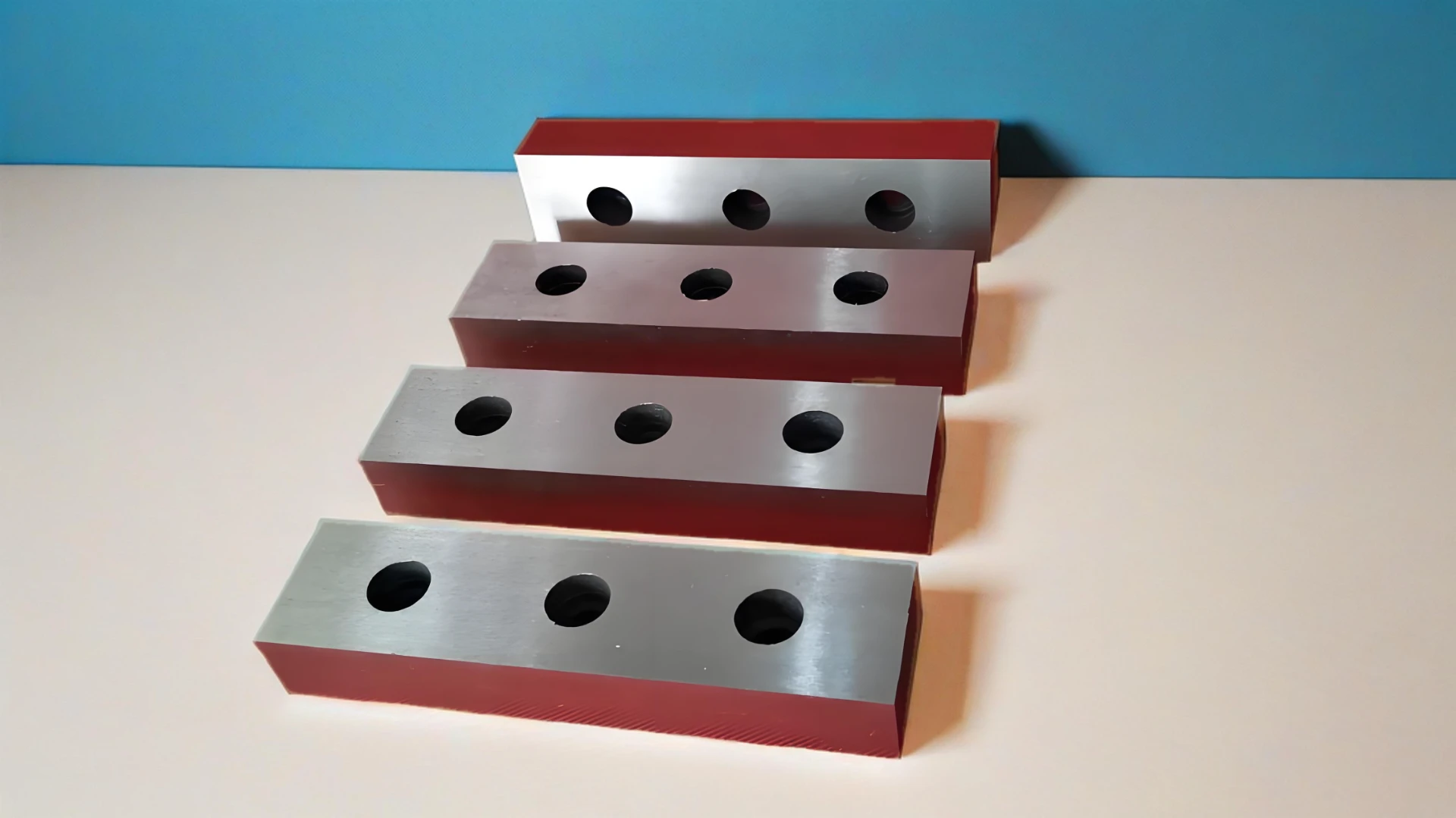
At its core, a Carbide Blade For Multi Tool is a cutting accessory designed to handle a wide array of materials with exceptional precision and longevity. Unlike traditional steel blades, carbide blades incorporate tungsten carbide – a remarkably hard compound that maintains sharpness far beyond the typical lifespan of standard tools. It's kind of like the difference between a regular kitchen knife and a diamond-edged one; the latter just slices through everything with less effort and less frequent sharpening.
- Carbide blades suit multi-tools, which are versatile devices used by pros in trades like construction, plumbing, and automotive repair.
- Tech specs often include blade thickness of around 1.5 mm, tooth thickness ranging between 0.3–0.6 mm, and compatibility with oscillation frequencies between 10,000–20,000 OPM (Oscillations Per Minute).
- Case in point: a metal fabrication client noted a 30% increase in workflow efficiency after transitioning to Mech Blades’ carbide blades, due primarily to reduced downtime for blade changes.
Benefits & Use Cases of Carbide Blades For Multi Tool
The practical benefits come thick and fast when you start thinking about how carbide blades elevate operational capacity. In industries where cutting through metal pipes, hardwood, plastics, or sheetrock is daily business, these blades aren’t just beneficial—they’re game changers. You might say they are the “workhorse” in a multi-tool setup.
- They excel in demolition, remodeling, and advanced manufacturing where speed and blade endurance reduce overall project timelines.
- Features like anti-vibration materials, laser-cut teeth, and universal fitment make Mech Blades products especially user-friendly and broadly compatible.
- Compared to steel blades, these carbide versions hold edges longer, dramatically reducing the frequency of blade swaps—a subtle advantage that translates to big productivity boosts.
| Specification | Details |
|---|---|
| Material | Tungsten Carbide Alloy |
| Blade Thickness | 1.5 mm |
| Tooth Thickness | 0.3 – 0.6 mm |
| Oscillation Frequency | 10,000 – 20,000 OPM |
| Compatibility | Universal for standard multi-tools |
Cost, Maintenance & User Experience
Admittedly, carbide blades tend to come with a somewhat higher initial cost compared to standard steel blades. But when you look at it from a total cost of ownership angle, it’s a different story altogether. Because these blades maintain their edge longer and reduce machine downtime, the ROI tends to be impressive. Some customers report up to 40% savings over the course of a year, depending on usage intensity and materials.
- The blades require minimal maintenance, mainly cleaning after use — no complicated sharpening tools needed.
- Users consistently praise the smooth cutting feel and reduced vibration, which helps lessen operator fatigue during long shifts.
- Feedback from industrial partners at Mech Blades suggests the blend of cost vs. durability strongly favors carbide in high-volume environments.
Sustainability & Market Trends
It’s interesting how sustainability is now shaping tool manufacturing, even in highly technical areas like carbide blade production. Manufacturers are increasingly adopting eco-conscious processes—reducing waste in tungsten carbide manufacture and improving recycling programs. What’s more, tougher blades mean fewer replacements and thus less material consumption overall, which oddly enough makes carbide blades a greener choice in the long run.
- Global industry analysis forecasts steady growth for carbide tools as new regulations favor long-lasting, efficient tools in manufacturing sectors.
| Vendor | Blade Material | Compatibility | Price Range (USD) | Warranty |
|---|---|---|---|---|
| Mech Blades | Tungsten Carbide | Universal Multi-Tool | $25 – $55 | 12 months |
| Competitor A | High-Speed Steel | Limited Models | $15 – $40 | 6 months |
| Competitor B | Bi-Metal | Universal Multi-Tool | $20 – $45 | 9 months |
Frequently Asked Questions about Carbide Blades For Multi Tool
- What is Carbide Blades For Multi Tool and how does it work?
- Simply put, carbide blades are cutting tools for multi-tools, made with tungsten carbide to provide sharpness and wear resistance. They work by oscillating rapidly, allowing the carbide teeth to slice through tough materials smoothly.
- What are the main benefits of using Carbide Blades For Multi Tool in industrial applications?
- Benefits include superior durability, fewer blade changes, increased cutting precision, and overall cost savings due to longer tool life.
- How does Carbide Blades For Multi Tool compare to traditional alternatives?
- Compared to steel or bi-metal blades, carbide blades cut faster, stay sharp longer, and reduce fatigue on both tools and operators, despite a higher upfront cost.
- What industries can benefit most from Carbide Blades For Multi Tool implementation?
- Construction, metal fabrication, plumbing, and automotive industries benefit significantly, where diverse cutting challenges and heavy tool use are common.
Conclusion on Carbide Blades For Multi Tool from china
To sum up, Carbide Blades For Multi Tool offer remarkable value in any industrial toolkit. They strike that elusive balance between cutting power, durability, and cost-efficiency — a rare find in precision tools. If you are looking to elevate your operations, there's really no downside to giving these blades a try.
- Recap the value of Carbide Blades For Multi Tool.
- Visit our website: https://www.mechblades.com
Oddly enough, the right blade can really change the whole working day – less frustration, more progress. It’s true what many seasoned engineers say: quality tools make quality work.