Understanding the Power of a Quality Disc Plate Shear Blade
In the realm of metal fabrication and industrial cutting, the efficiency and precision of your machinery are paramount. A crucial component often overlooked yet vital to performance is the disc plate shear blade. This article delves into the intricacies of these blades, exploring their function, materials, maintenance, and the factors to consider when selecting the right blade for your specific needs. Investing in high-quality blades can significantly impact productivity and reduce downtime.
What is a Disc Plate Shear Blade?
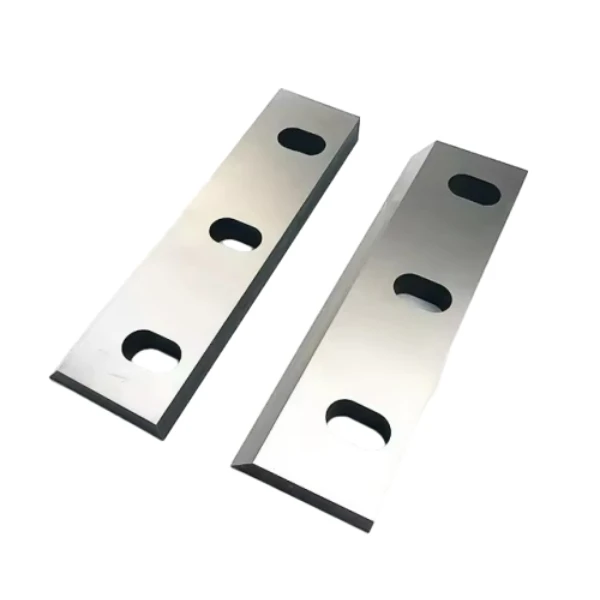
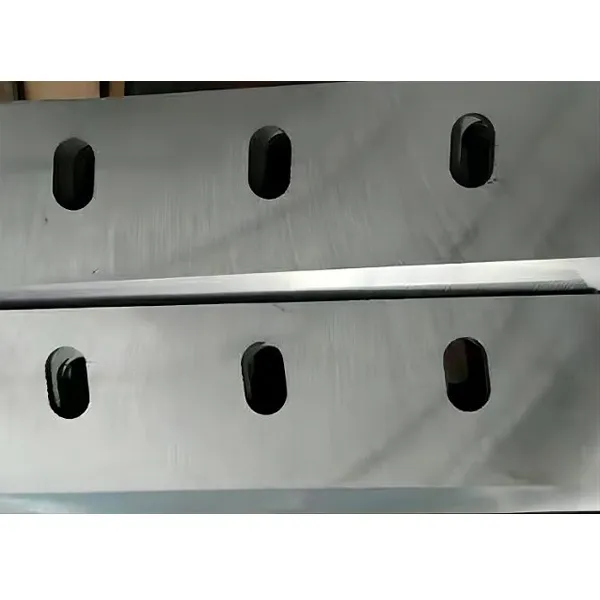
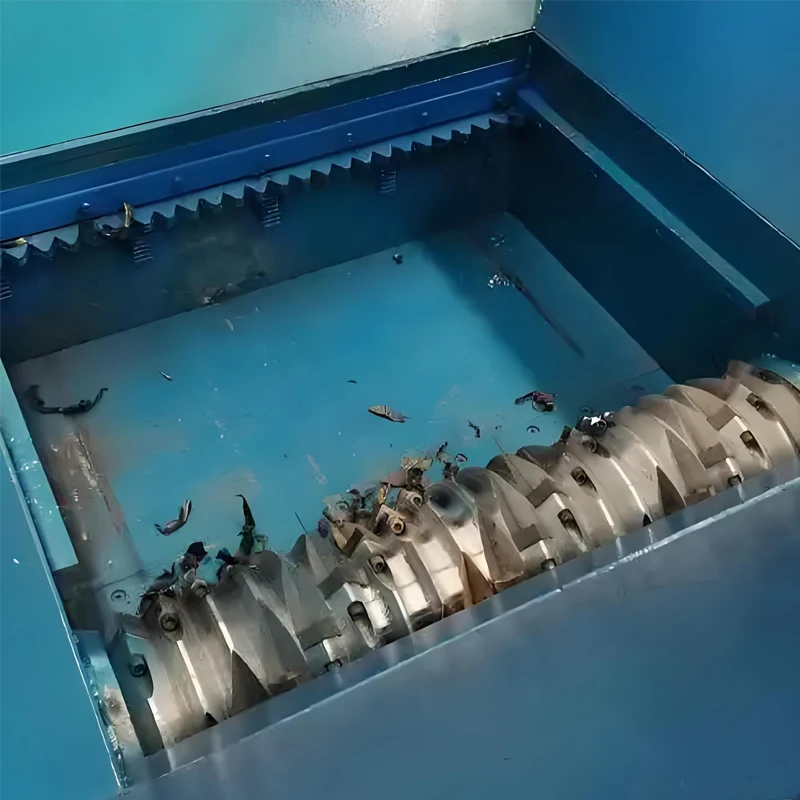
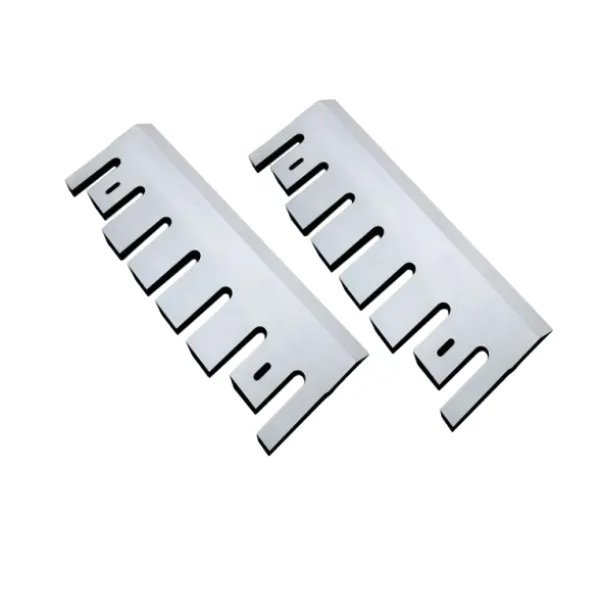
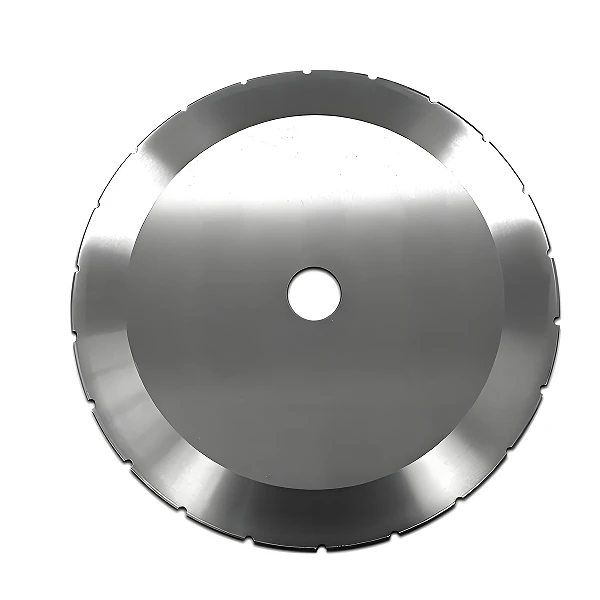
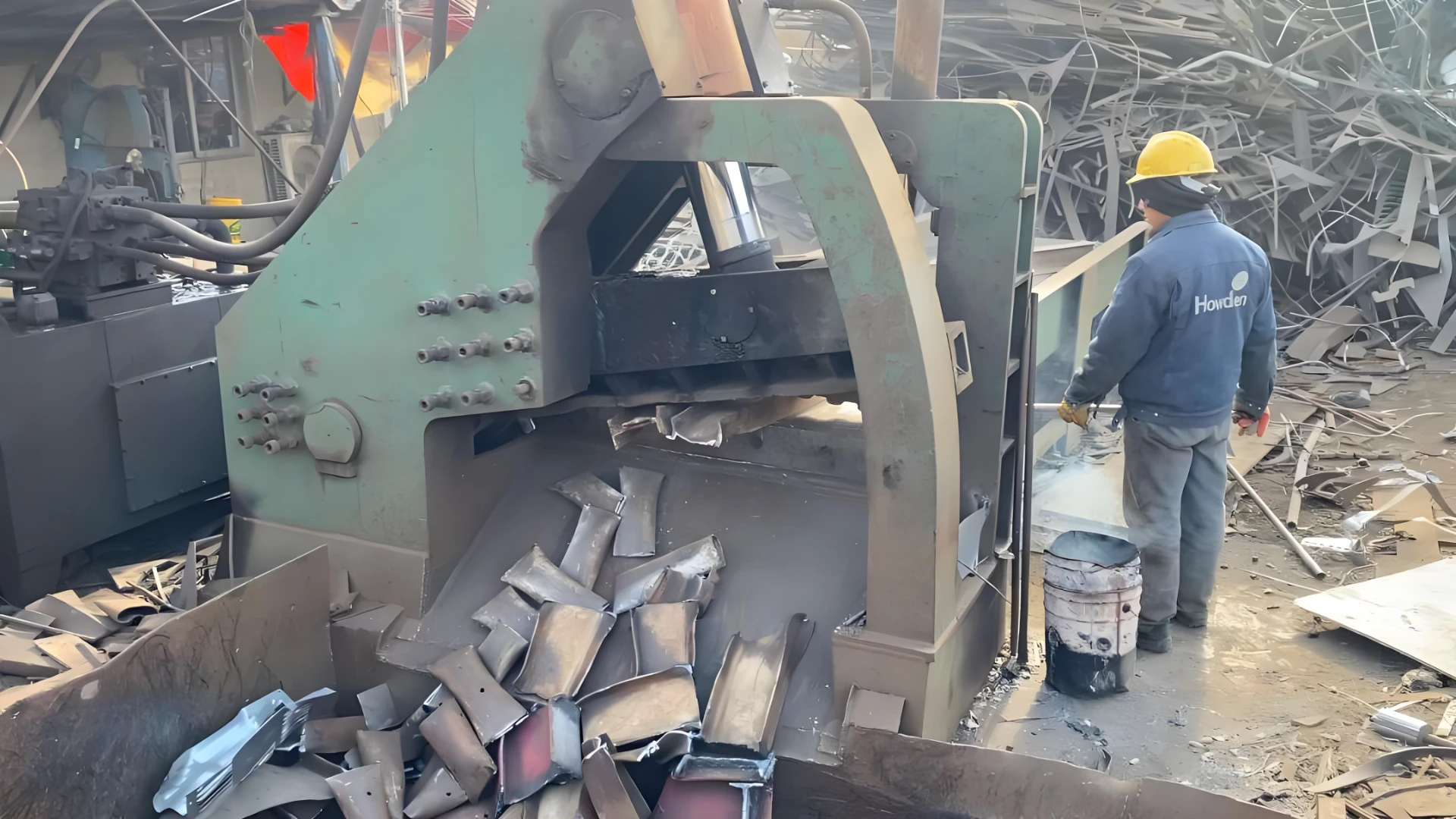
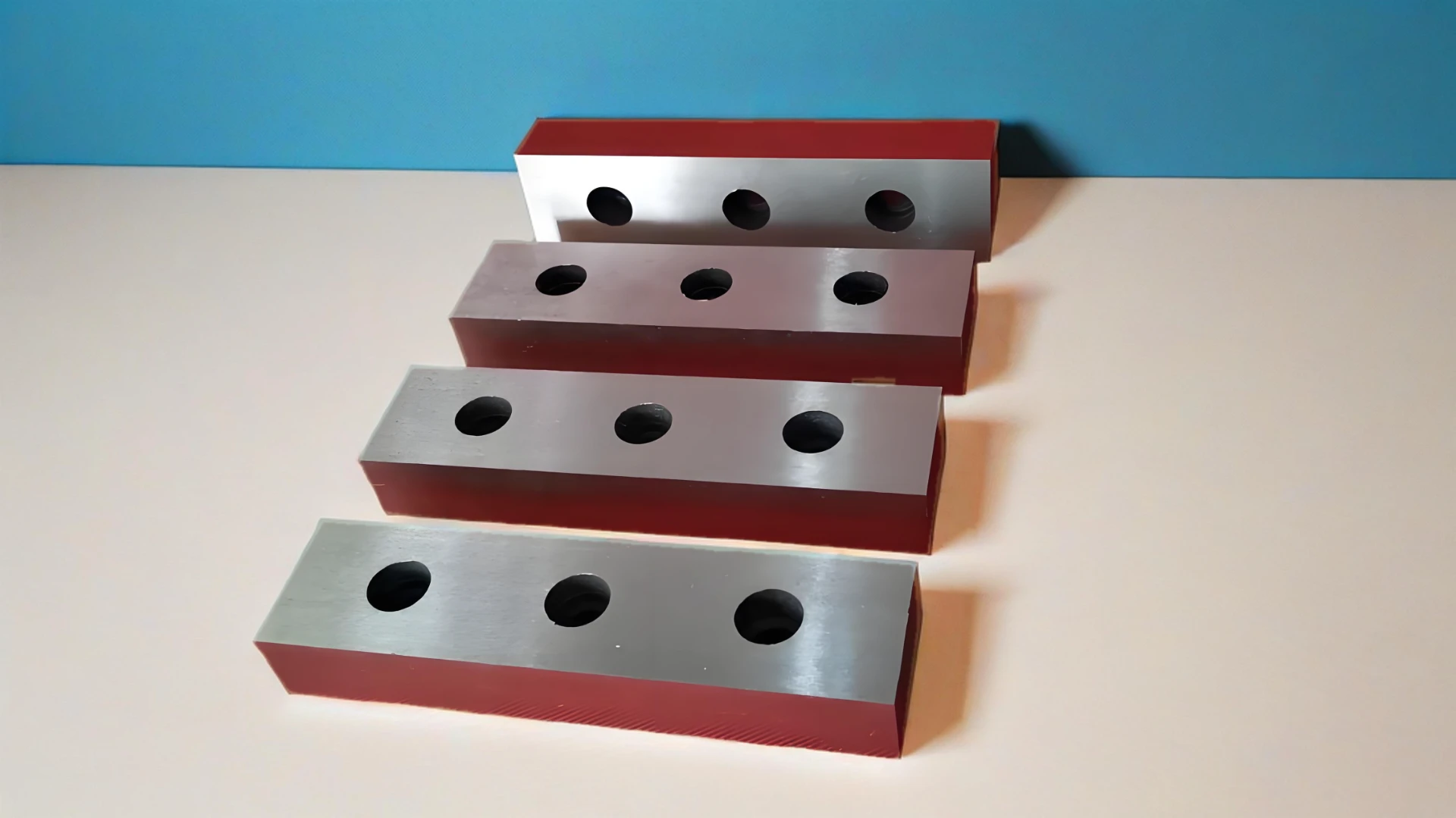
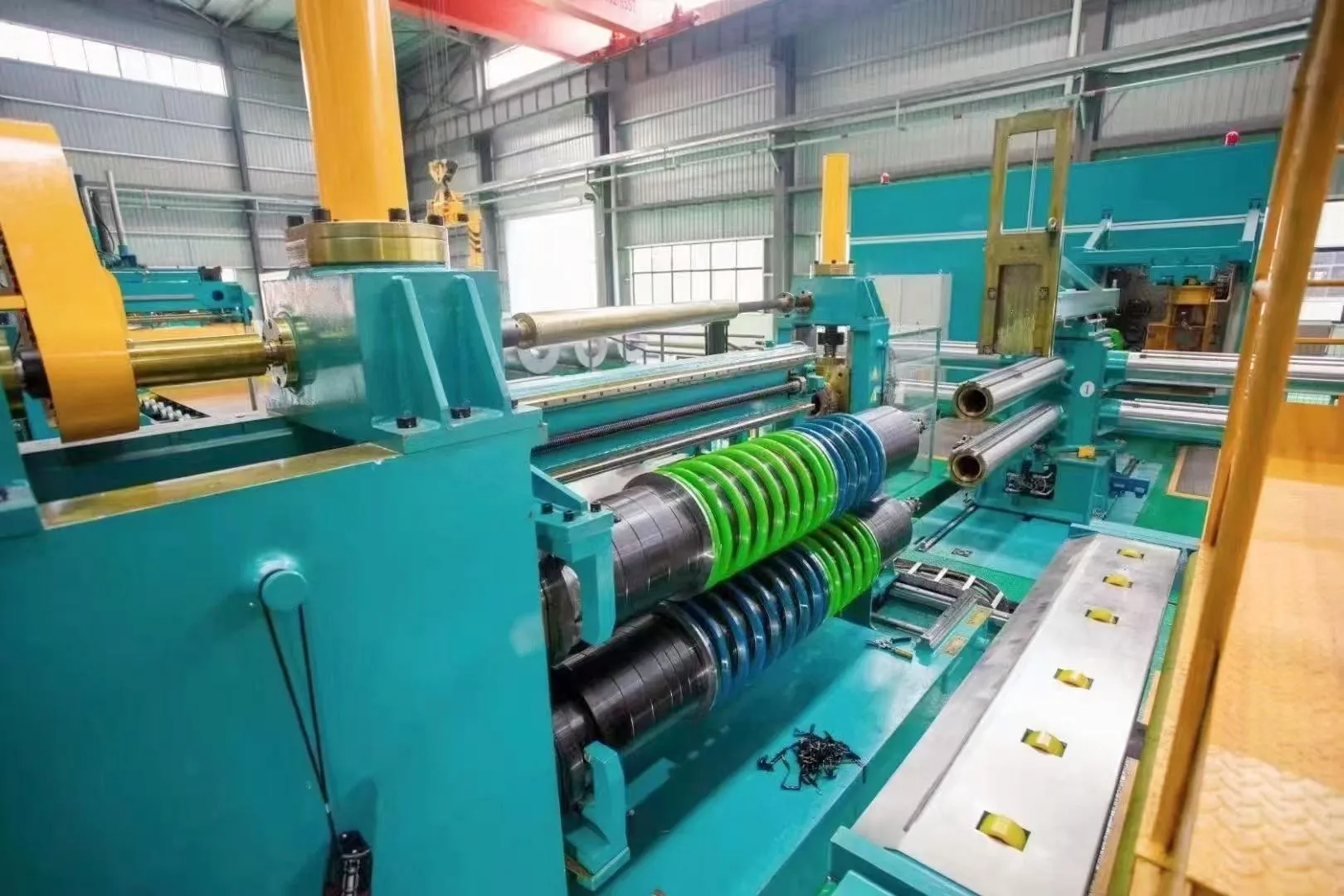
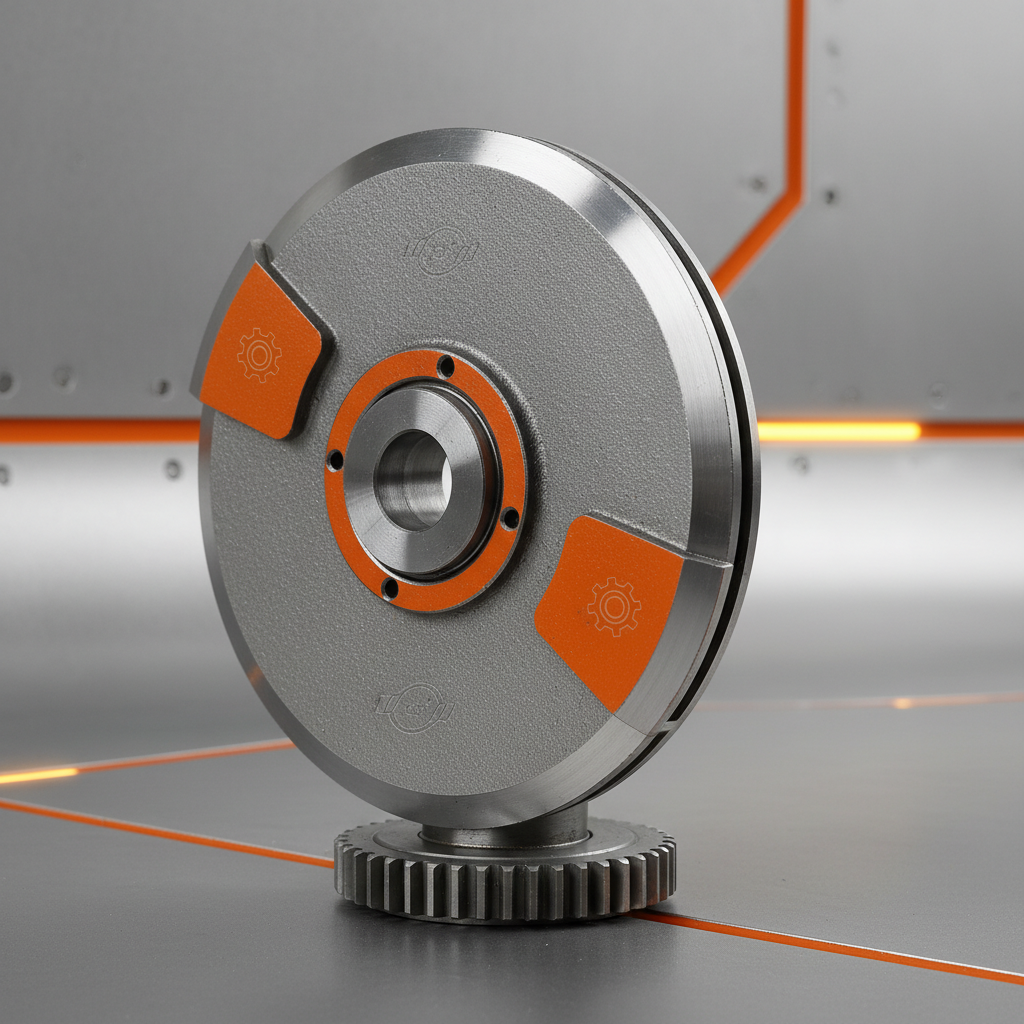
A disc plate shear blade is a specialized cutting tool used in shear machines to efficiently cut metal plates. These blades are typically circular in shape and mounted on a rotating disc. As the disc spins, the blades interact with the material, creating a clean and precise cut. They are commonly used in industries such as automotive, construction, shipbuilding, and manufacturing, where accurate and rapid metal cutting is essential. The efficiency of these blades directly translates into increased production rates and reduced material waste. You can explore our range of shear blades at Mechblades.
Key Function: Disc plate shear blades deliver clean and accurate cuts on metal plates, improving efficiency and reducing material waste.
Materials Used in Disc Plate Shear Blade Manufacturing
The material composition of a disc plate shear blade is critical to its performance and lifespan. Common materials include tool steels (like D2, A2, and O1), high-speed steel (HSS), and sometimes, carbide-tipped blades for extremely abrasive materials. Each material offers different levels of hardness, wear resistance, and toughness. The choice depends on the type of metal being cut and the volume of production. Tool steels offer a good balance of properties for general purpose cutting, while HSS provides superior heat resistance. Carbide-tipped blades are ideal for cutting hardened materials or large volumes of abrasive metals.
Material Comparison:
• Tool Steel: Versatile, good balance of properties.
• HSS: Excellent heat resistance, maintains hardness at high temperatures.
• Carbide-Tipped: Superior wear resistance, ideal for abrasive materials.
Choosing the Right Disc Plate Shear Blade
Selecting the optimal blade isn’t a one-size-fits-all process. Several factors should be considered, including the material type and thickness, the required cut quality, and the machine specifications. For instance, thicker materials often necessitate blades with a larger rake angle. Blades designed for stainless steel differ from those intended for carbon steel due to variations in material composition and hardness. Always consult the manufacturer’s recommendations for your specific shear machine and application. At Mechblades, we offer expert guidance to help you choose the perfect blade.
Maintaining Your Disc Plate Shear Blades
Proper maintenance extends blade life and ensures optimal performance. Regular inspection for wear, chipping, or dullness is crucial. Sharpening blades when they begin to lose their edge is vital to maintaining cut quality and reducing machine strain. Additionally, ensuring proper lubrication and cleaning prevents corrosion and build-up of material residue. Following a scheduled maintenance routine and promptly addressing any issues can prevent costly downtime and maximize blade efficiency.
The Benefits of Investing in High-Quality Blades
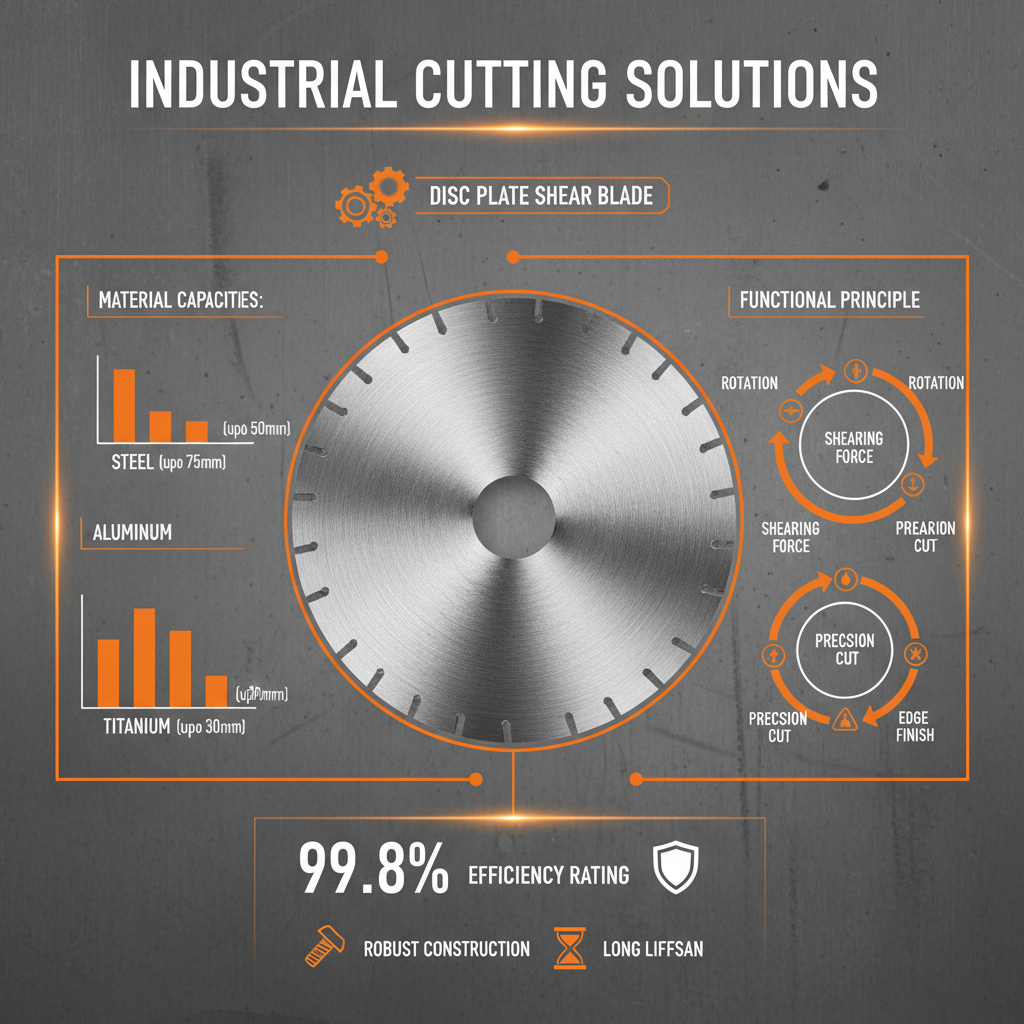
Investing in high-quality disc plate shear blades offers numerous advantages. Increased cutting speed, improved cut quality, reduced material waste, and extended blade life all contribute to significant cost savings. Furthermore, high-quality blades reduce the risk of machine downtime and improve workplace safety. Partnering with a reliable supplier like Mechblades ensures you receive blades engineered for performance and durability.
Conclusion: Precision Cutting for Optimal Performance
The disc plate shear blade is a fundamental component in any metal fabrication operation. By understanding the materials, selection criteria, and maintenance requirements, you can maximize performance, reduce costs, and ensure safe and efficient operation. Choose quality and reliability – choose Mechblades.
Frequently Asked Questions (FAQs)
How often should I sharpen my disc plate shear blades?
The frequency of sharpening depends on the material being cut, the volume of production, and the blade material. As a general guideline, inspect blades after every 500 cuts or at the end of each shift. If you notice any dullness, chipping, or a decrease in cut quality, it's time to sharpen. Regular sharpening prevents excessive force and potential damage to your shear machine. Ignoring this can lead to poor cutting performance and increased energy consumption.
What are the signs of a worn-out blade?
Common signs of a worn-out blade include increased cutting force, rough or jagged cut edges, excessive burrs, and visible chipping or cracking. You might also notice increased noise and vibration during operation. Continuing to use a worn blade can damage the shear machine and compromise safety. It is best to replace worn blades immediately to maintain optimal performance and prevent accidents.
What type of lubrication is recommended for disc plate shear blades?
Using a high-quality cutting fluid or lubricant is crucial for reducing friction, dissipating heat, and extending blade life. The specific type of lubricant depends on the material being cut. For steel, water-based coolants are often effective. For aluminum, oil-based lubricants are preferable. Always follow the shear machine manufacturer’s recommendations regarding lubrication.
Can I use a blade designed for one material on another?
It's generally not recommended to use a blade designed for one material on another. Different materials have different hardnesses and abrasive properties, and using the wrong blade can lead to premature wear, poor cut quality, and even blade failure. Always use a blade specifically designed for the material you are cutting.